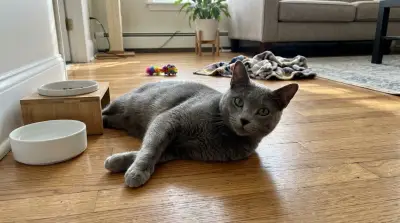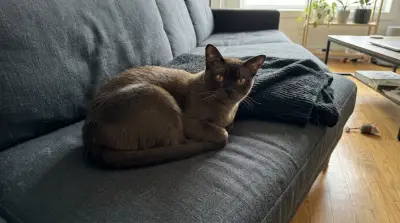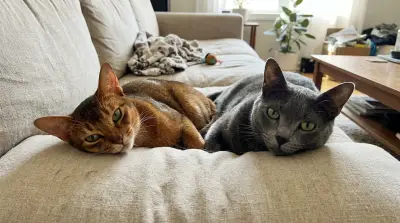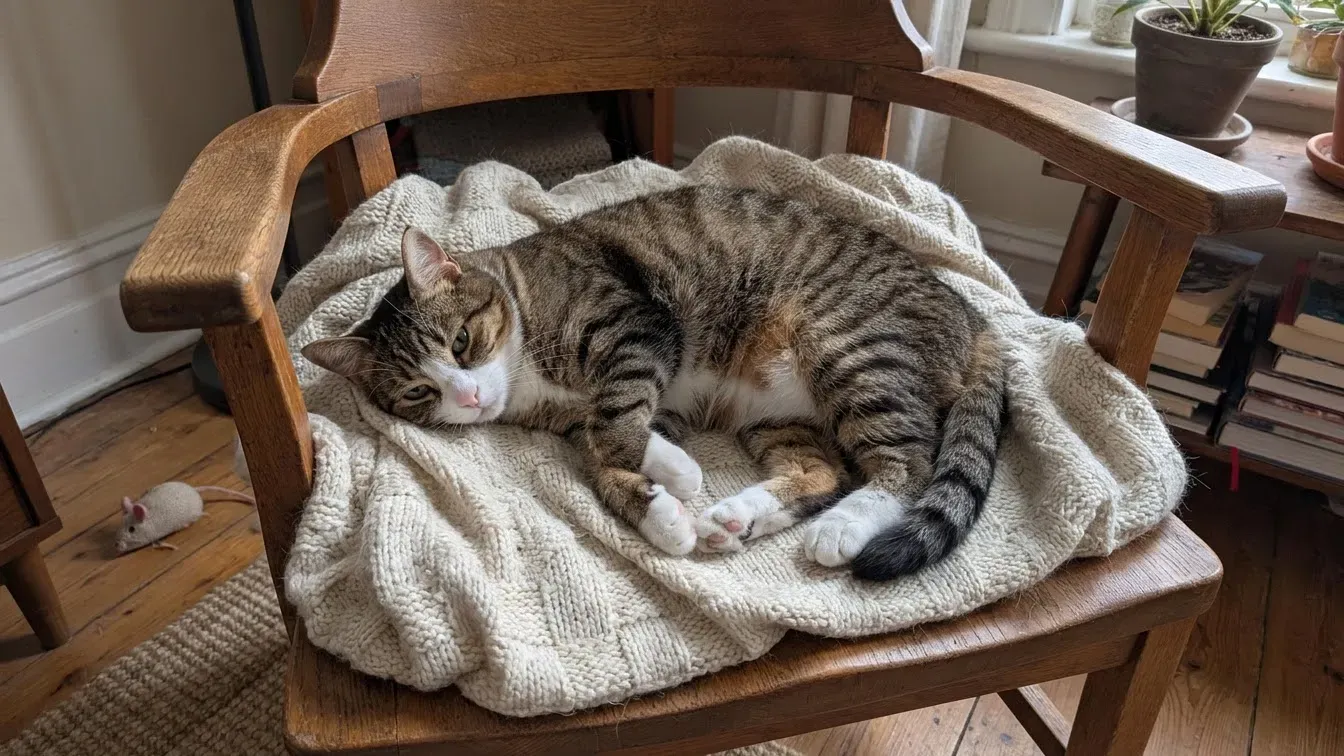
Low maintenance brown and white cat breeds offer the warm markings of chocolate, cinnamon, or brown tabby coats paired with crisp white patches and minimal grooming demands. Because brown-and-white coloring is a coat pattern rather than a single breed, several hardy shorthair and naturally self-grooming breeds carry these exact markings.
For retirees living alone on a fixed pension or managing stiff hands and limited mobility, choosing a resilient breed with a short, mat-free coat saves both physical effort and grooming expenses. Compare the 15 top breeds below by origin, size, grooming schedule, and lifespan to find a calm companion built for easy daily care.
| Breed | Origin | Size | Grooming | Lifespan |
|---|---|---|---|---|
| American Shorthair | United States | Medium to large | Once weekly | 15–20 years |
| British Shorthair | United Kingdom | Medium to large | Once weekly | 12–20 years |
| Exotic Shorthair | United States | Medium | Twice weekly | 12–15 years |
| Oriental Shorthair | United Kingdom | Medium | Once weekly | 12–15 years |
| Cornish Rex | United Kingdom | Small to medium | Minimal wipe-down | 12–16 years |
| Devon Rex | United Kingdom | Small to medium | Minimal wipe-down | 9–15 years |
| Burmilla | United Kingdom | Medium | Once weekly | 10–15 years |
| American Curl | United States | Medium | Once weekly | 12–16 years |
| Japanese Bobtail | Japan | Medium | Once weekly | 15–18 years |
| Manx | Isle of Man | Medium | Once weekly | 14–16 years |
| Scottish Straight | Scotland | Medium | Once weekly | 11–15 years |
| Tonkinese | Canada | Medium | Once weekly | 15–18 years |
| Snowshoe | United States | Medium | Once weekly | 14–19 years |
| Havana Brown | United Kingdom | Medium | Once weekly | 10–15 years |
| Domestic Shorthair | Worldwide | Small to large | Once weekly | 12–18 years |
1American Shorthair
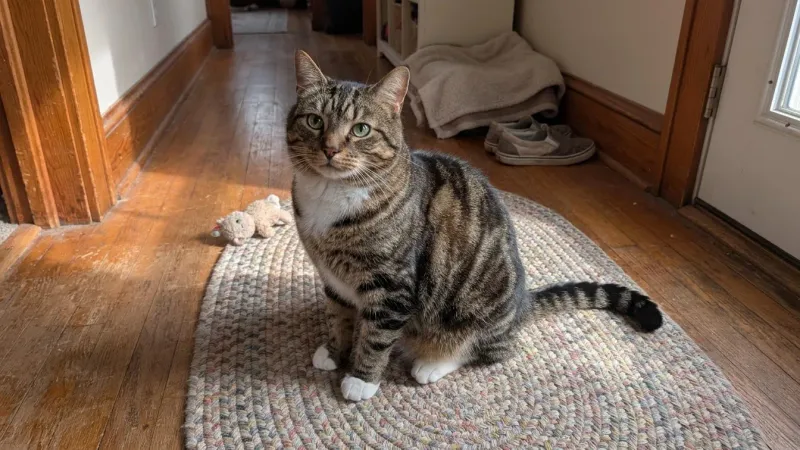
Origin: United States · Size: Medium to large · Grooming: Once weekly · Lifespan: 15–20 years American Shorthairs are renowned for sturdy working-cat genetics and commonly display classic brown tabby and white coats. Their short, dense fur resists tangles and sheds moderately, needing only a quick weekly pass with a rubber grooming mitt. They enjoy quiet companionship, entertain themselves easily with window watching, and adapt smoothly to calm apartment routines without demanding constant physical play.
2British Shorthair
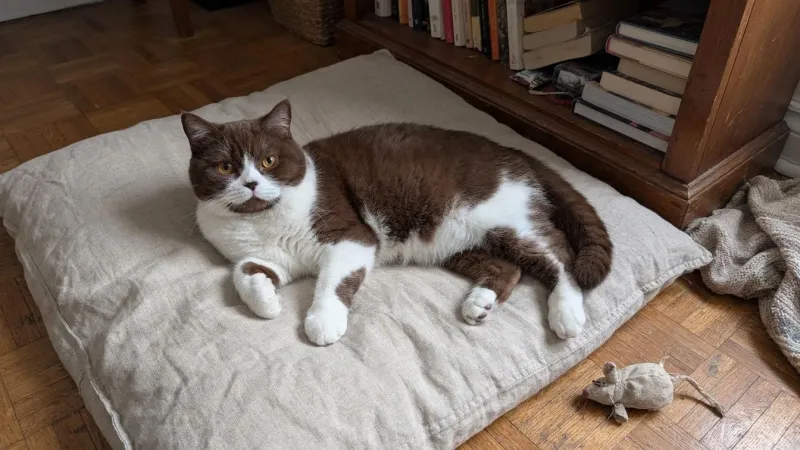
Origin: United Kingdom · Size: Medium to large · Grooming: Once weekly · Lifespan: 12–20 years British Shorthairs come in rich chocolate-and-white and brown tabby bicolor coats with a plush, crisp texture that stays mat-free on its own. This calm, dignified breed prefers sitting beside you on the sofa rather than climbing curtains or demanding lap time. One light brushing each week removes loose undercoat, making them ideal for retirees seeking steady, low-fuss company.
3Exotic Shorthair
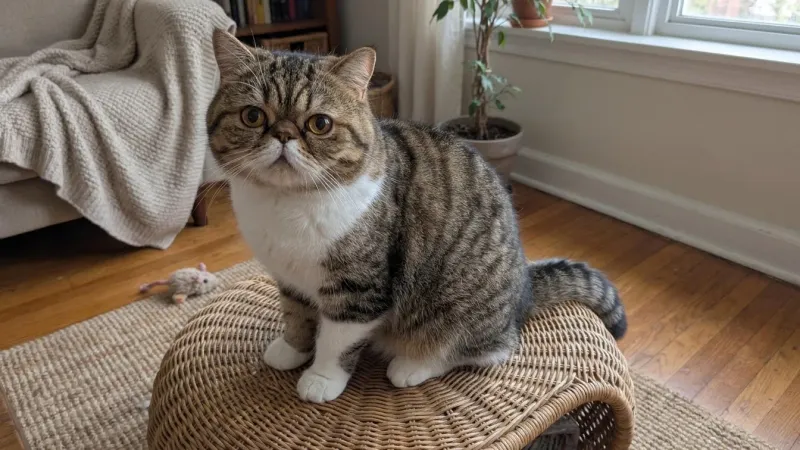
Origin: United States · Size: Medium · Grooming: Twice weekly · Lifespan: 12–15 years Exotic Shorthairs give you the round-faced charm of a Persian without the heavy daily combing, appearing frequently in warm brown tabby and white bicolor patterns. Their dense, teddy-bear coat requires only two short brushing sessions per week and an occasional damp cloth wipe around the eyes. Quiet and deeply affectionate, they thrive in peaceful homes where naps take priority.
4Oriental Shorthair
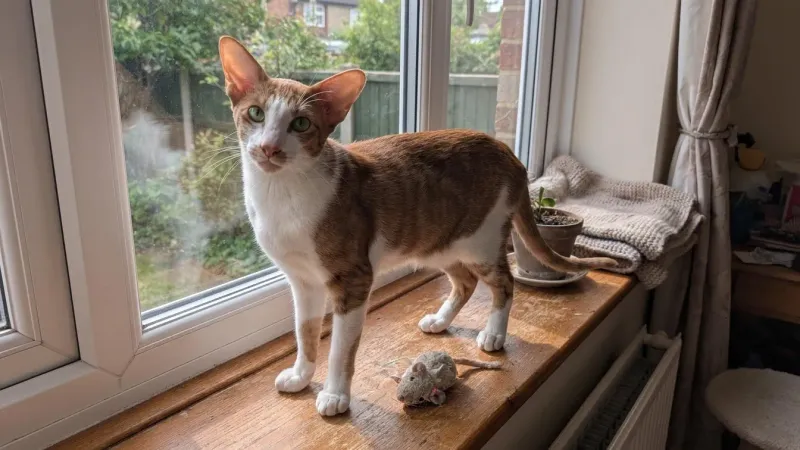
Origin: United Kingdom · Size: Medium · Grooming: Once weekly · Lifespan: 12–15 years Oriental Shorthairs feature sleek, close-lying coats in cinnamon, chestnut, and brown-and-white patched patterns that shed very little. Because their fine fur lacks a thick undercoat, a quick stroke with a damp chamois cloth once a week keeps them glossy. They form close bonds with a single person and love chatting softly while following you from room to room.
5Cornish Rex
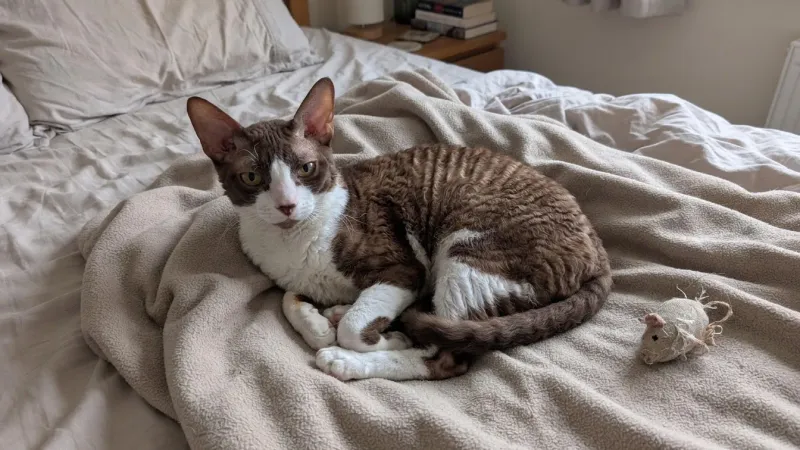
Origin: United Kingdom · Size: Small to medium · Grooming: Minimal wipe-down · Lifespan: 12–16 years Cornish Rex cats wear short, wavy, marcel-rippled fur in chocolate-and-white or brown tabby bicolor shades with virtually no shedding. You never need heavy brushes for this breed; gentle hand-petting and an occasional warm cloth wipe keep their skin and coat clean. Light on their feet and easy to lift, they love curling up under warm blankets beside you.
6Devon Rex
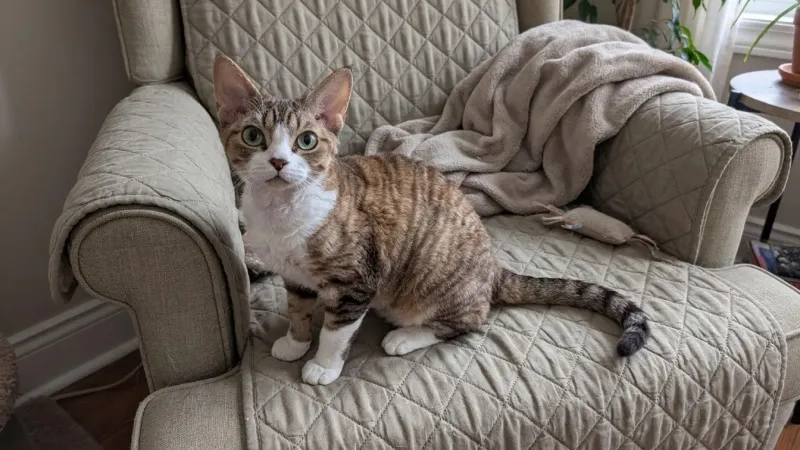
Origin: United Kingdom · Size: Small to medium · Grooming: Minimal wipe-down · Lifespan: 9–15 years Devon Rex cats combine pixie-like ears with soft, suede-like brown and white coats that require almost zero brushing. Their fragile curls are best maintained simply by wiping their coat with a soft cloth and checking their large ears gently each week. Weighing under nine pounds, they are effortless to carry in a lightweight travel carrier for annual vet visits.
7Burmilla
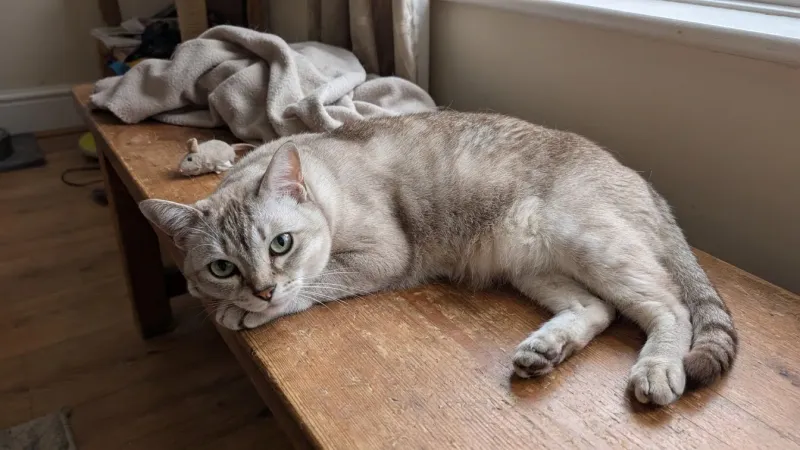
Origin: United Kingdom · Size: Medium · Grooming: Once weekly · Lifespan: 10–15 years Burmillas display striking silver-white coats tipped or shaded in warm chocolate and brown, creating a clean, luminous look with minimal upkeep. Their short, silky fur lies flat against the body and resists knotting, requiring just a five-minute brush once a week. Gentle and sociable, they offer warm affection without the high energy of more demanding breeds.
8American Curl
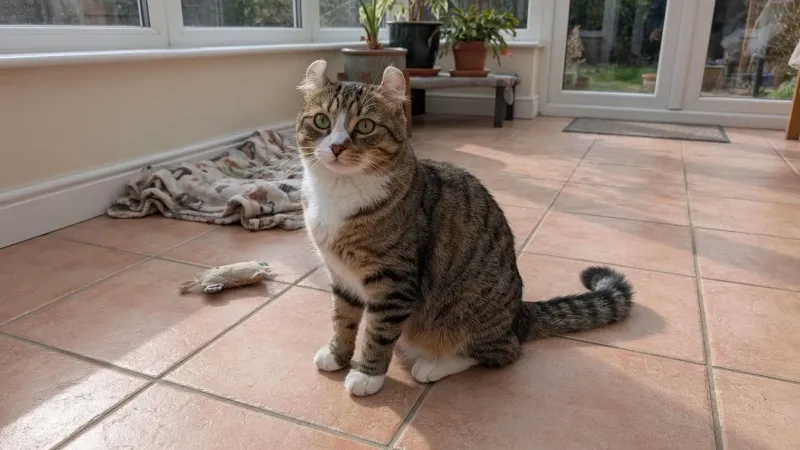
Origin: United States · Size: Medium · Grooming: Once weekly · Lifespan: 12–16 years Shorthaired American Curls stand out for their gently backward-curled ears and brown tabby-and-white coats that stay silky without mats. Developed from a natural, healthy genetic mutation, they enjoy robust overall health and a balanced, people-oriented temperament. A weekly comb-through and gentle cleaning of their outer ears keep them comfortable with minimal strain on your hands.
9Japanese Bobtail
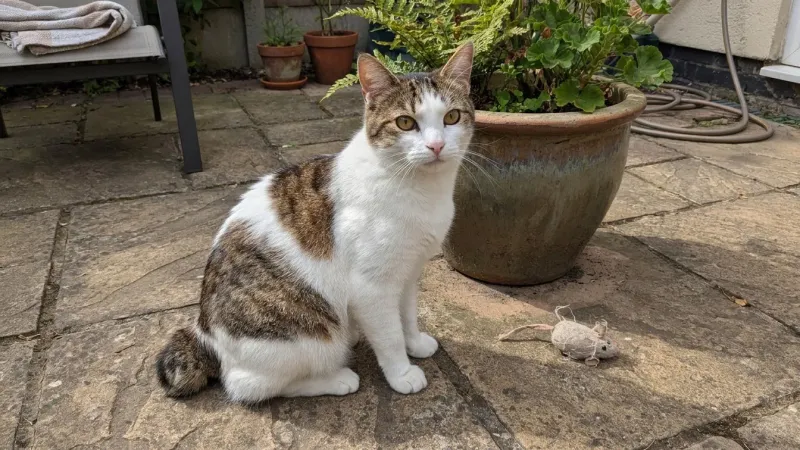
Origin: Japan · Size: Medium · Grooming: Once weekly · Lifespan: 15–18 years Shorthaired Japanese Bobtails frequently wear traditional white coats accented with warm brown or brown tabby patches and a pom-pom tail. This ancient, naturally occurring breed is famous for hardy genetics and a single-layer silky coat that rarely sheds or mats. Smart and cheerful, they happily fetch lightweight crinkle balls while you stay comfortably seated.
10Manx
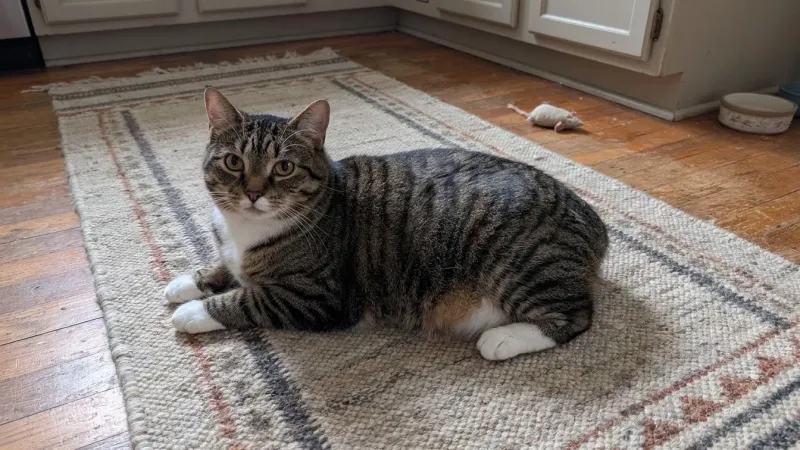
Origin: Isle of Man · Size: Medium · Grooming: Once weekly · Lifespan: 14–16 years Shorthaired Manx cats come in sturdy brown tabby and white bicolor coats with a dense double layer that needs only a weekly brush. Known for calm, dog-like loyalty, they settle easily into quiet routines and bond closely with solo owners. Always choose a veterinarian-checked adult or tailed stumpy Manx to avoid spine issues associated with tailless genetics.
11Scottish Straight
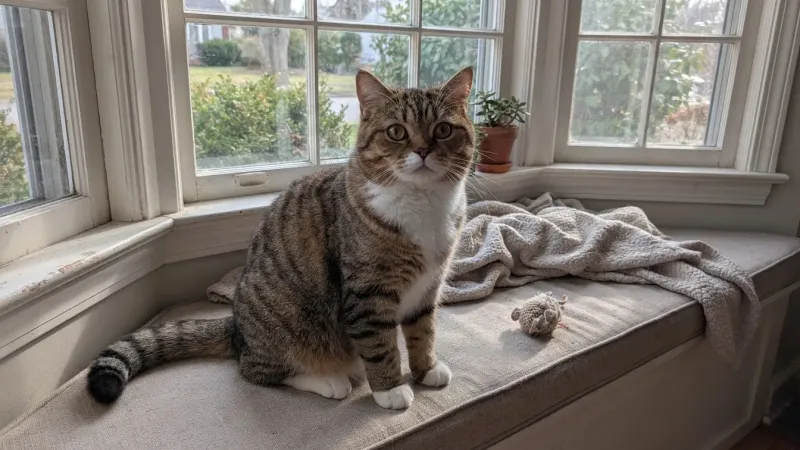
Origin: Scotland · Size: Medium · Grooming: Once weekly · Lifespan: 11–15 years Scottish Straights share the sweet round eyes and brown-and-white coat patterns of Scottish Folds while retaining normal straight ears and healthier cartilage. Their short, plush coat stays neat with one gentle brushing each week. Quiet-voiced and deeply tolerant, they enjoy resting calmly at your feet during afternoon reading or television.
12Tonkinese
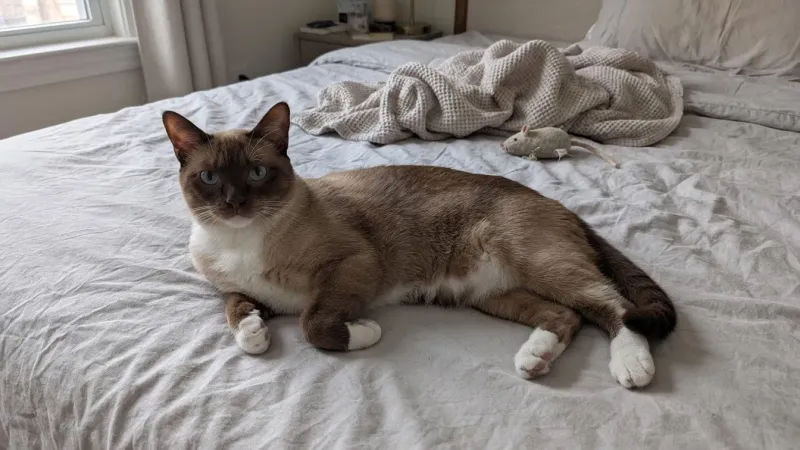
Origin: Canada · Size: Medium · Grooming: Once weekly · Lifespan: 15–18 years Tonkinese cats feature mink-soft coats in warm honey-beige, natural sable brown, and white-accented points that gleam with minimal care. Their short fur lies close to the body and needs only a weekly rubber-brush massage to stay sleek. Affectionate and sturdy, they love warming your lap and thrive in calm indoor households.
13Snowshoe
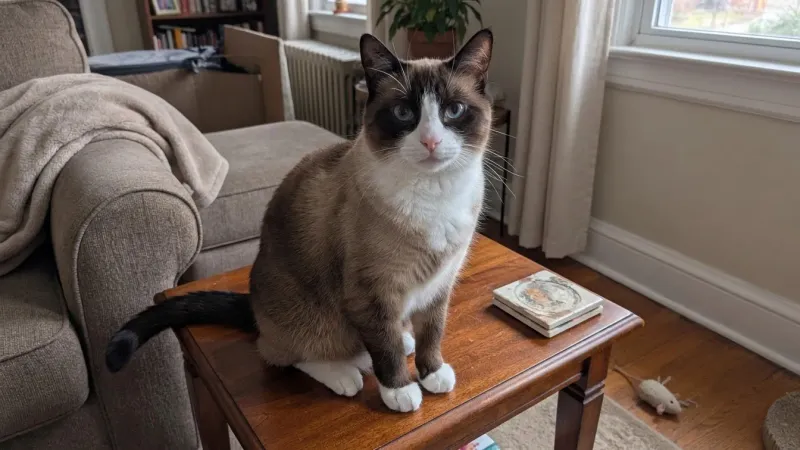
Origin: United States · Size: Medium · Grooming: Once weekly · Lifespan: 14–19 years Snowshoes pair rich seal-brown bodies and mask markings with crisp white paws and chest blazes on a short, smooth coat. They lack a heavy undercoat, which keeps shedding low and eliminates the need for detangling tools. Easygoing and devoted, they tend to choose one favorite person to shadow quietly around the house.
14Havana Brown
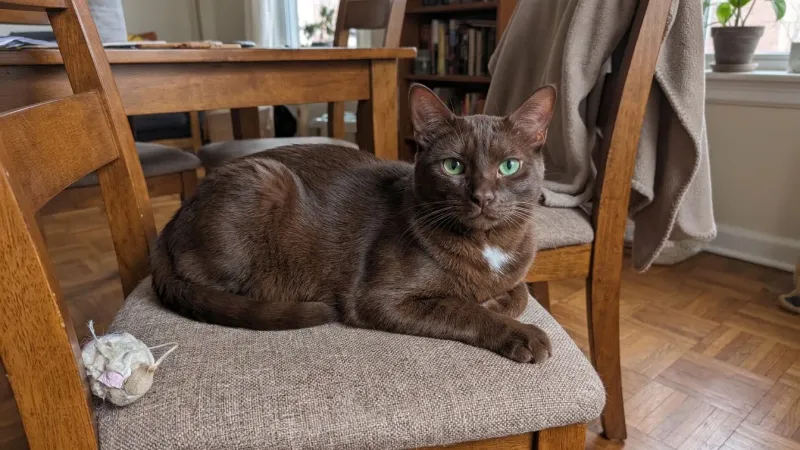
Origin: United Kingdom · Size: Medium · Grooming: Once weekly · Lifespan: 10–15 years Havana Browns are prized for rich mahogany-brown coats that occasionally appear with small white lockets in non-show companions, paired with bright green eyes. Their short, glossy coat requires only a quick weekly wipe with a soft cloth to remove loose hairs. Curious yet gentle, they enjoy interactive wand play from your armchair and love being near you.
15Domestic Shorthair
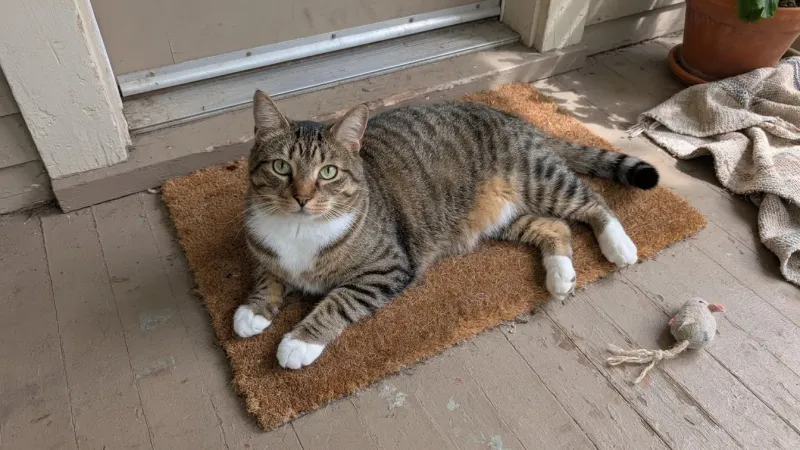
Origin: Worldwide · Size: Small to large · Grooming: Once weekly · Lifespan: 12–18 years Domestic Shorthairs are mixed-breed cats whose wide genetic diversity supports strong overall health and modest adoption fees at local shelters. You can easily find brown tabby-and-white or chocolate bicolor adults whose calm personalities are already fully developed. Like other healthy mixed-breed cats with fewer hereditary vet bills, they stay tidy with one quick brush per week.
How to Keep Coat and Nail Care Easy With Limited Mobility
Even with shorthair cat breeds that need very little grooming, small tool adjustments protect sore wrists and fingers. Swap traditional slicker brushes for a soft rubber grooming glove that lets you remove loose hair simply by petting your cat while seated.
Keep care costs predictable on a fixed income with three simple habits:
- Set up scratching posts: Place sturdy cardboard or sisal scratchers near your cat's favorite chair so they naturally shed outer nail sheaths, stretching out nail-trimming intervals.
- Use lightweight litter setups: Choose clumping litter in low-entry boxes and use a long-handled scoop so you do not have to bend over daily.
- Schedule annual checkups: Routine dental checks and yearly vet exams catch minor issues early before they turn into expensive emergencies, especially if you adopt one of these calm cat breeds for seniors.
Common Mistakes to Avoid When Adopting a Brown and White Cat
Avoid confusing a breed's coat pattern with its energy level or health needs. A brown-and-white tabby coat can appear on both a laid-back British Shorthair and an athletic, high-energy cat, so always ask shelter staff or breeders about the individual cat's daily activity level before bringing them home.
Never skip checking for folded ears or extreme flat faces if you want lower routine medical costs. While Scottish Straights have healthy, normal ear cartilage, folded-ear varieties can develop painful joint issues, and severely flat-faced cats often need daily tear-stain wiping and respiratory monitoring. Keep toxic houseplants like lilies, sago palms, and tulips out of reach, and never feed cats onions, garlic, chocolate, or grapes, as a single emergency vet visit can strain a retirement budget.
Choosing a short-coated brown and white cat lets you enjoy warm, affectionate company without painful daily brushing or unpredictable grooming bills. Visit local shelters or breed rescues to meet adult cats first, as an older cat's calm temperament and finished coat texture make it easy to find a gentle companion matched to your retirement pace.
Sources: The Cat Fanciers' Association (CFA) · The International Cat Association (TICA) · International Cat Care · Cornell Feline Health Center
Frequently asked questions
What are brown and white cats called?
Brown and white cats are usually called brown-and-white bicolors, tuxedo cats, or brown tabby-and-white cats depending on their markings. Registries also use specific shade names like chocolate, cinnamon, sable, or fawn paired with white.
Are brown and white cat breeds expensive to maintain?
Most short-coated brown and white cats cost very little to groom because they do not need professional trims or daily brushing. Adopting an adult Domestic Shorthair or breed rescue also lowers upfront costs while keeping routine care predictable.
What is the rarest brown and white cat pattern?
True solid chocolate or cinnamon coats paired with crisp white bicolor spotting are among the rarest patterns. Most brown-looking cats actually carry black-based tabby genetics rather than true recessive brown genes.
How often should seniors brush a short-haired brown and white cat?
Brushing once a week with a soft rubber grooming glove or fine bristle brush is enough for most shorthair breeds. Weekly sessions remove loose hair, prevent hairballs, and take less than five minutes while seated.

Nathan Brooks
Nathan Brooks runs Farmingzoom to help loving pet owners create safe, enriching homes for their animals. He cares deeply about responsible pet care and focuses on making everyday decisions simpler for fellow owners.…