The best calm cat breeds for seniors offer steady, predictable affection without darting underfoot or demanding hours of vigorous play. For retirees living alone on a fixed income, a mellow cat provides comforting companionship while keeping your home safe from tripping hazards and unexpected grooming expenses.
Below are 15 easygoing cat breeds known for their quiet nature, gentle habits, and love of peaceful routines, along with key size, lifespan, and grooming facts to help you pick the right match.
| Breed | Origin | Size | Lifespan | Grooming |
|---|---|---|---|---|
| British Shorthair | United Kingdom | Medium to large (9-18 lbs) | 12-20 years | Weekly brushing |
| Ragdoll | United States | Large (10-20 lbs) | 12-17 years | 2-3 times weekly |
| Russian Blue | Russia | Medium to large (8-15 lbs) | 15-20 years | Weekly brushing |
| American Shorthair | United States | Medium to large (8-15 lbs) | 15-20 years | Weekly brushing |
| Persian | Iran | Medium (7-12 lbs) | 12-17 years | Daily brushing |
| Scottish Fold | Scotland | Medium (6-13 lbs) | 11-15 years | Weekly brushing |
| Birman | Myanmar | Medium (7-12 lbs) | 12-16 years | 2-3 times weekly |
| Exotic Shorthair | United States | Medium (7-12 lbs) | 12-15 years | 2-3 times weekly |
| Chartreux | France | Medium to large (7-16 lbs) | 12-15 years | Weekly brushing |
| Selkirk Rex | United States | Medium to large (6-16 lbs) | 14-15 years | 2-3 times weekly |
| Nebelung | United States | Medium (7-11 lbs) | 15-18 years | 2-3 times weekly |
| British Longhair | United Kingdom | Medium to large (9-18 lbs) | 12-17 years | 2-3 times weekly |
| Maine Coon | United States | Large (10-25 lbs) | 12-15 years | 2-3 times weekly |
| Ragamuffin | United States | Large (10-20 lbs) | 12-16 years | 2-3 times weekly |
| Himalayan | United States and UK | Medium (7-12 lbs) | 9-15 years | Daily brushing |
1British Shorthair
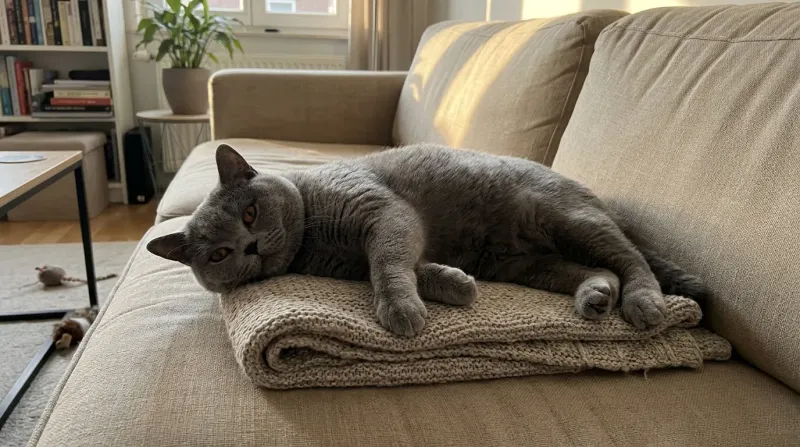
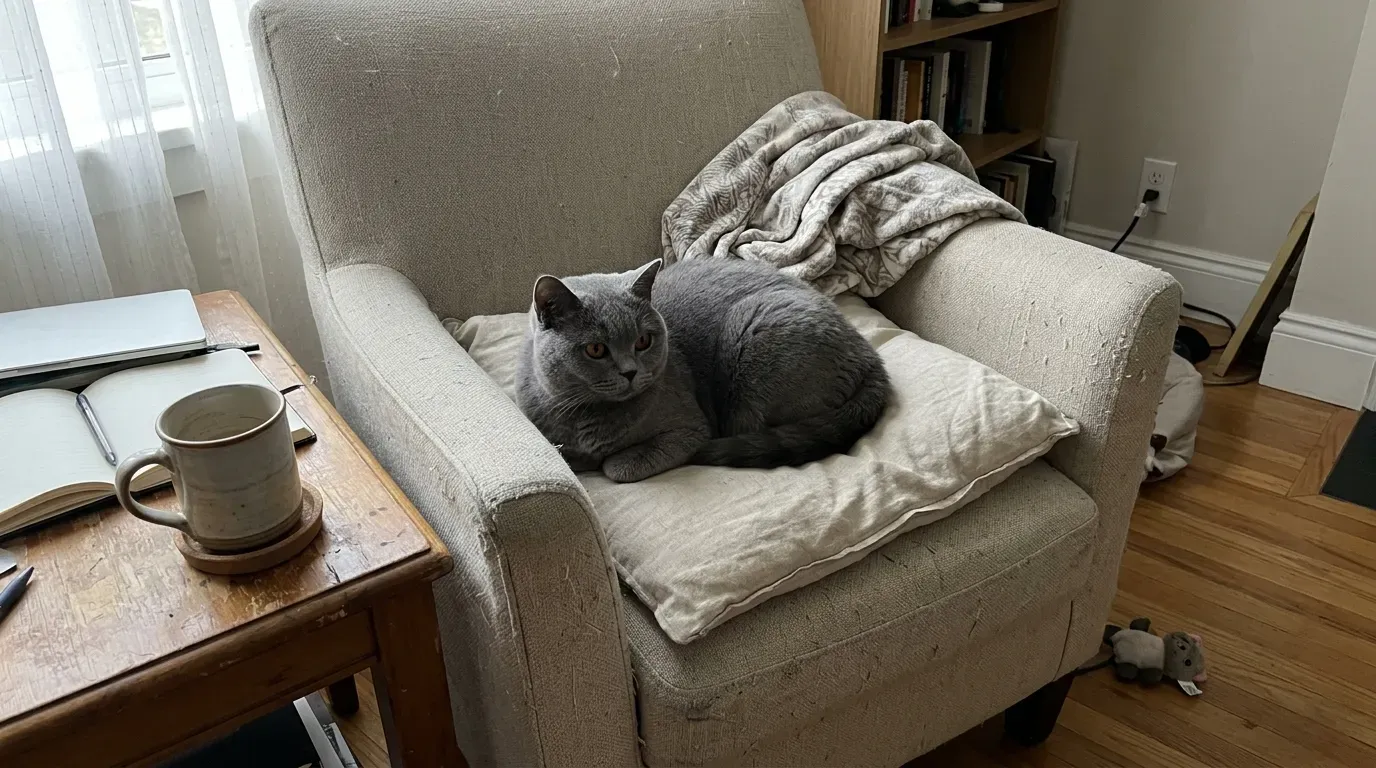
Origin: United Kingdom · Size: Medium to large (9-18 lbs) · Lifespan: 12-20 years · Grooming: Weekly brushing The British Shorthair is famous for its teddy-bear cheeks, plush blue-gray coat, and remarkably steady temperament. Rather than climbing curtains or dashing through hallways, this dignified cat prefers lounging beside you on the sofa. Its dense short coat resists matting and needs only a quick weekly brush, keeping grooming simple and affordable. Because they are not overly clingy, they settle peacefully into quiet daily schedules without demanding constant attention.
2Ragdoll
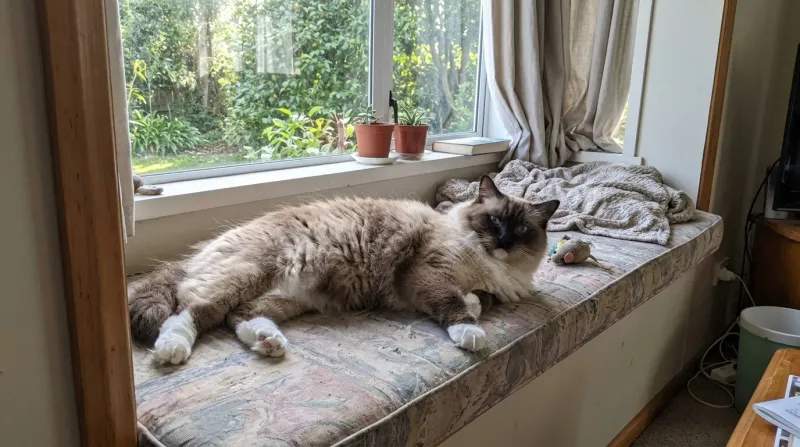
Origin: United States · Size: Large (10-20 lbs) · Lifespan: 12-17 years · Grooming: 2-3 times weekly Known for going limp with relaxation when held, the Ragdoll is one of the gentlest large companions you can adopt. These blue-eyed cats enjoy greeting you softly at the door and following you calmly from room to room rather than darting under your feet. Their silky medium-length coat lacks a heavy undercoat, making it much easier to maintain than most long-haired breeds. Set up a sturdy easy-to-clean cat tree so they can lounge comfortably near a sunny window.
3Russian Blue
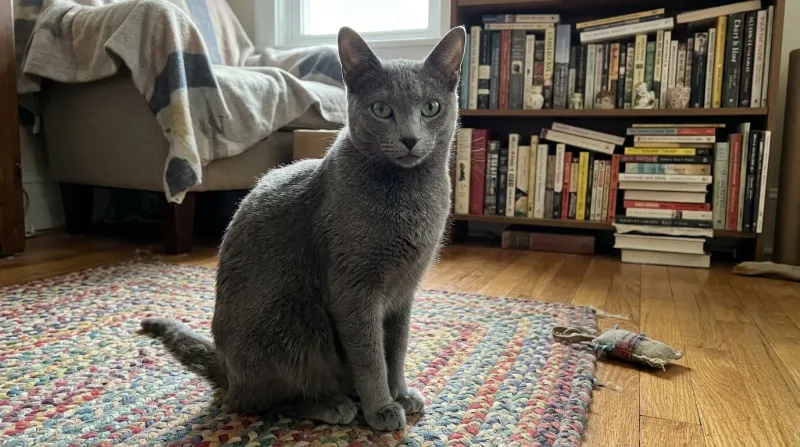
Origin: Russia · Size: Medium to large (8-15 lbs) · Lifespan: 15-20 years · Grooming: Weekly brushing The Russian Blue thrives on predictable routines and quiet households, making it an ideal match for retirees living alone. Shy around loud visitors, this emerald-eyed cat forms a deep, loyal bond with one primary person. They have a soft, double-layered silver-blue coat that sheds lightly and needs just a weekly comb-through. Russian Blues are polite, quiet communicators that rarely jump onto high counters or startle you with sudden bursts of noise.
4American Shorthair
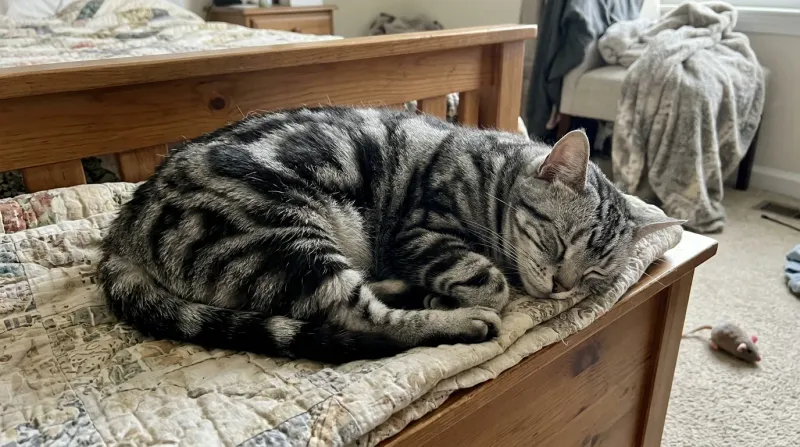
Origin: United States · Size: Medium to large (8-15 lbs) · Lifespan: 15-20 years · Grooming: Weekly brushing Hardy, adaptable, and generally healthy, the American Shorthair is a practical choice for owners watching long-term veterinary costs. This classic working-cat breed enjoys brief morning play sessions with a wand toy before spending the rest of the day napping in a warm sunbeam. They are sociable without being underfoot, happily entertaining themselves while you read or watch television. Regular nail trims and weekly brushing keep their sleek coat in great shape.
5Persian
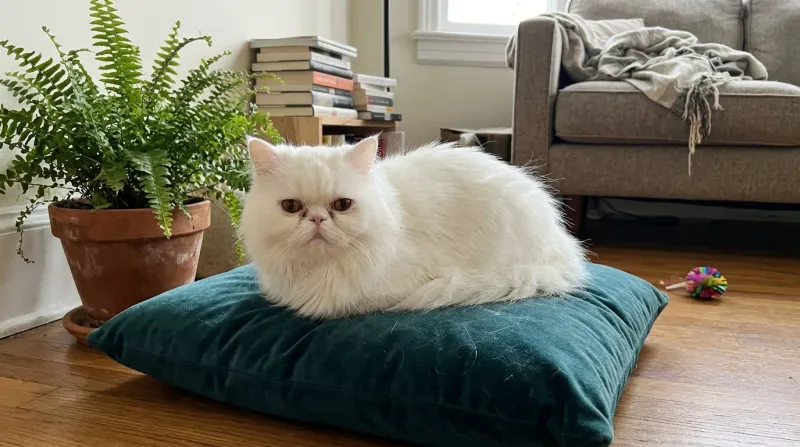
Origin: Iran · Size: Medium (7-12 lbs) · Lifespan: 12-17 years · Grooming: Daily brushing If your dream companion is a true lap warmer that almost never jumps or runs, the Persian fits the bill. With their sweet expressions and soft, melodious voices, Persians prefer low-level surfaces like cushions and carpeted floors over high perches. Keep in mind that their long, flowing coat requires daily brushing and gentle face wiping around their flat noses to prevent tear stains and tangles, and their brachycephalic anatomy predisposes them to breathing difficulties, chronic eye drainage, and dental problems that can lead to ongoing veterinary costs on a fixed budget.
6Scottish Fold
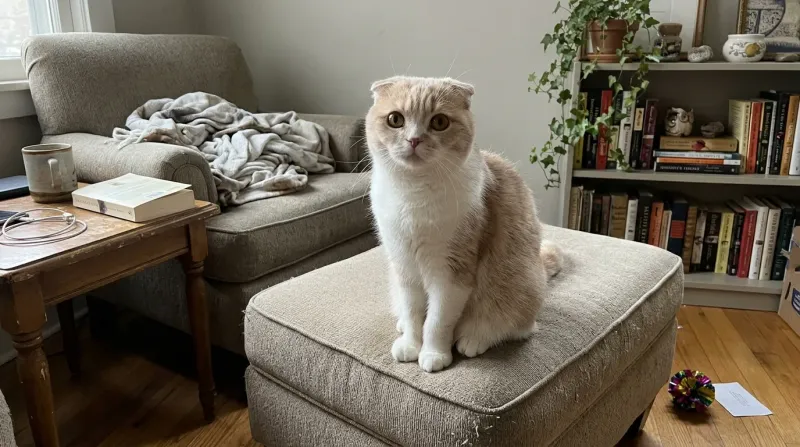
Origin: Scotland · Size: Medium (6-13 lbs) · Lifespan: 11-15 years · Grooming: Weekly brushing Recognizable by their charming folded ears and round owl-like eyes, Scottish Folds have a sweet, low-key personality. They love sitting upright like little Buddhas and staying close to their favorite human without being overly active. However, the genetic mutation responsible for folded ears causes osteochondrodysplasia—a progressive, painful bone and cartilage disorder affecting all Scottish Folds to varying degrees—so provide low, cushioned beds and expect lifelong pain management and mobility care with regular veterinary oversight.
7Birman
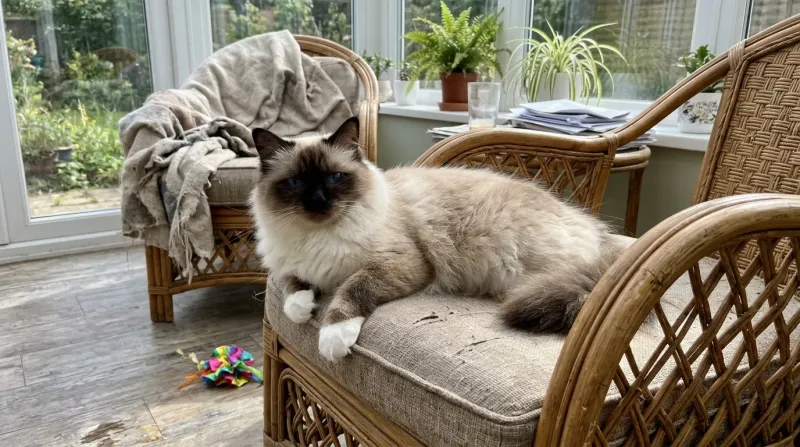
Origin: Myanmar · Size: Medium (7-12 lbs) · Lifespan: 12-16 years · Grooming: 2-3 times weekly With white-gloved paws and deep sapphire eyes, the Birman offers gentle company without demanding excessive upkeep. Birmans are calmer and slightly smaller than Ragdolls, happy to curl up beside your chair while you work on a puzzle or read. Their single-layer silky coat rarely mats, requiring only a gentle brushing two or three times a week. They communicate with soft chirps and thrive in peaceful, one-person homes.
8Exotic Shorthair
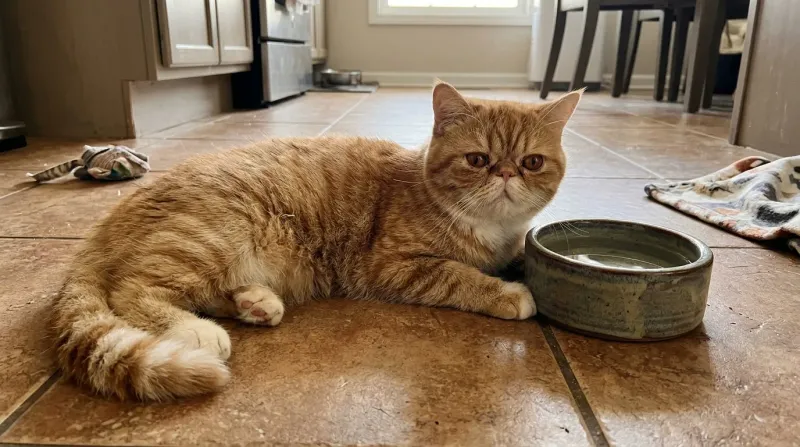
Origin: United States · Size: Medium (7-12 lbs) · Lifespan: 12-15 years · Grooming: 2-3 times weekly Often called the lazy person's Persian, the Exotic Shorthair shares the Persian's calm, affectionate nature without the heavy daily coat maintenance. Their plush, dense short fur needs brushing just a couple of times each week to stay neat. Exotic Shorthairs are quiet, slow-moving cats that enjoy gentle petting and predictable meal times, making them wonderfully reassuring companions for quiet apartments or smaller homes.
9Chartreux
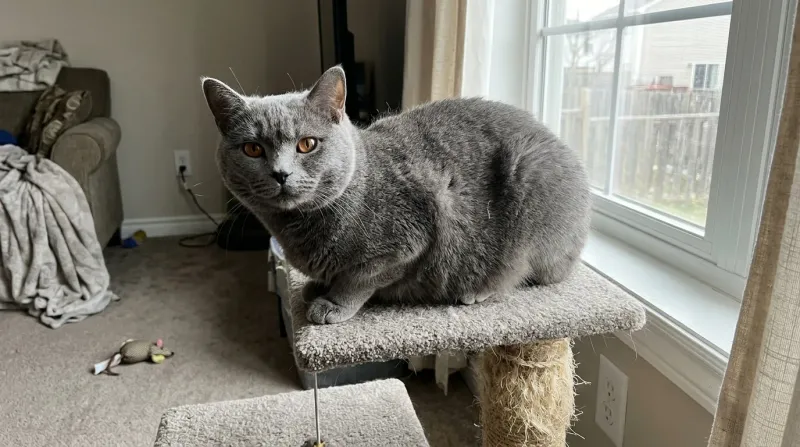
Origin: France · Size: Medium to large (7-16 lbs) · Lifespan: 12-15 years · Grooming: Weekly brushing Known for its woolly blue-gray coat and warm copper eyes, the Chartreux is an observant, silent companion that rarely meows. Instead of vocalizing loudly or racing around the house, this sturdy French breed communicates through soft chirps and quiet eye contact. They enjoy short, seated play sessions with a feather teaser and spend most of the afternoon resting calmly near you. Weekly brushing removes loose fur easily.
10Selkirk Rex
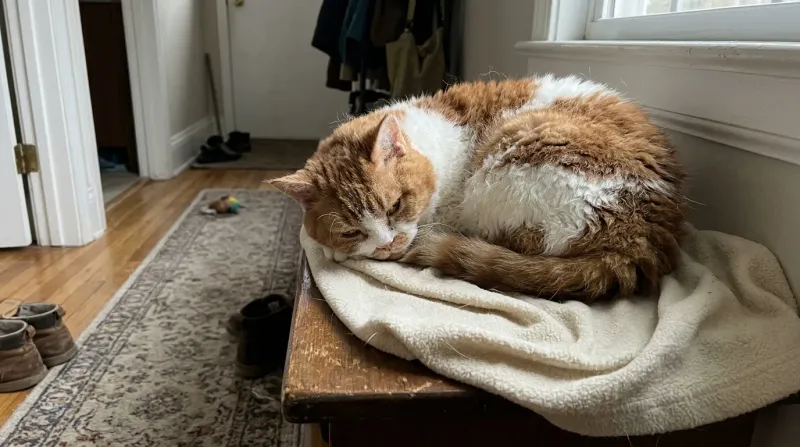
Origin: United States · Size: Medium to large (6-16 lbs) · Lifespan: 14-15 years · Grooming: 2-3 times weekly Sporting soft, plush curls that feel like sheep's wool, the Selkirk Rex is patient, tolerant, and deeply affectionate. Unlike more active curly-coated breeds, the Selkirk Rex has a laid-back personality inherited from its British Shorthair and Persian ancestry. They love cuddling on the couch and handle quiet household routines with ease. Gentle combing two or three times a week keeps their curls tidy without flattening their natural texture.
11Nebelung
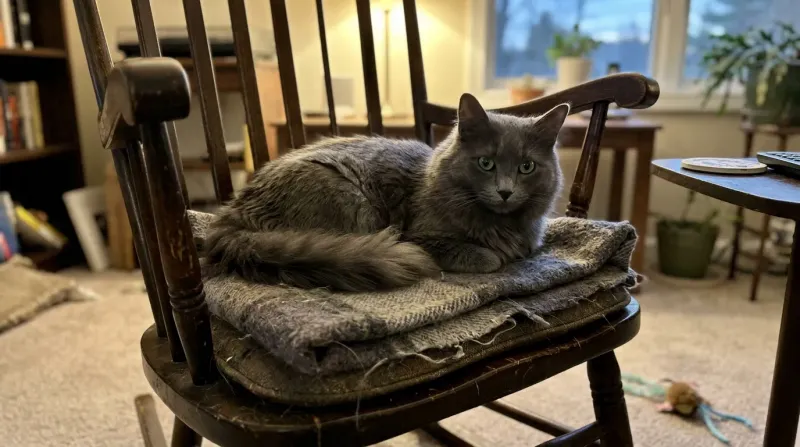
Origin: United States · Size: Medium (7-11 lbs) · Lifespan: 15-18 years · Grooming: 2-3 times weekly Basically a long-haired Russian Blue, the Nebelung combines a shimmering silver-tipped blue coat with a remarkably placid, gentle temperament. These quiet cats prefer calm, predictable households and form a devoted bond with their primary person without being demanding or hyperactive. They are content to lounge peacefully beside you for hours and rarely climb high or dart underfoot. Brushing two or three times a week keeps their silky medium-long fur free of tangles.
12British Longhair
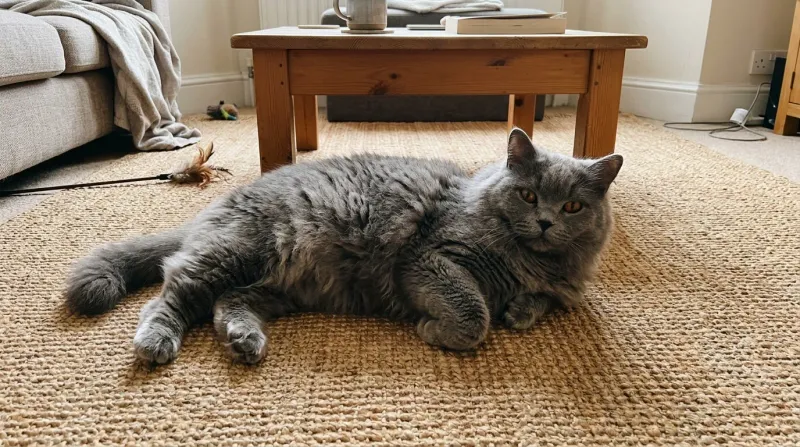
Origin: United Kingdom · Size: Medium to large (9-18 lbs) · Lifespan: 12-17 years · Grooming: 2-3 times weekly The plush, semi-long-haired cousin of the British Shorthair shares the same unhurried, dignified demeanor and low-drive lifestyle. Rather than racing through rooms or demanding constant stimulation, the British Longhair enjoys lounging quietly on a favorite armchair and keeping you company from nearby. Their dense, teddy-bear coat requires gentle combing two or three times a week to prevent knots, making them a soothing, low-stress companion for tranquil homes.
13Maine Coon
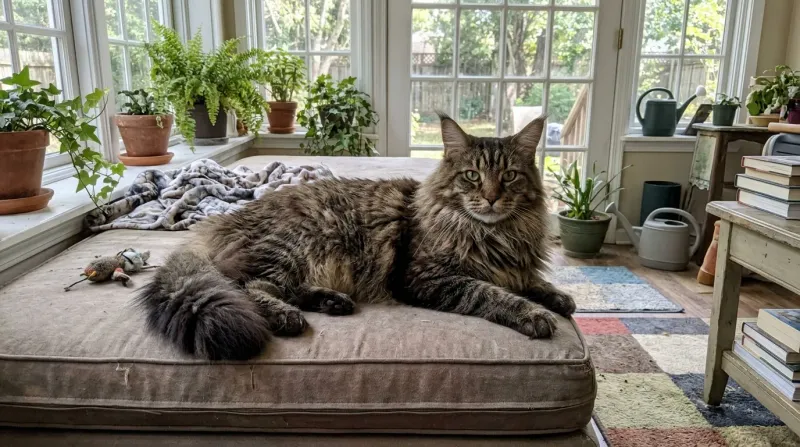
Origin: United States · Size: Large (10-25 lbs) · Lifespan: 12-15 years · Grooming: 2-3 times weekly Despite its impressive size, the Maine Coon is famously gentle, patient, and easy to spot in a room, reducing the risk of accidentally tripping over a small pet. These friendly giants enjoy keeping you company from a nearby chair rather than demanding constant lap time. Keep in mind that larger cats eat more food and need sturdy, oversized litter boxes, so factor slightly higher supply costs into your monthly budget.
14Ragamuffin
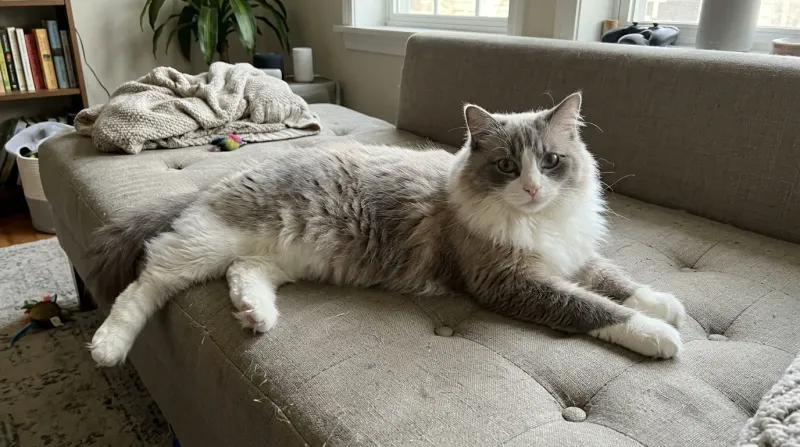
Origin: United States · Size: Large (10-20 lbs) · Lifespan: 12-16 years · Grooming: 2-3 times weekly Closely related to the Ragdoll, the Ragamuffin comes in a wide variety of coat colors and patterns with an equally sweet, docile disposition. They stay kitten-like in affection well into their senior years, happily relaxing in your arms or stretching out along the foot of your bed. Their rabbit-soft fur resists matting better than most medium-long coats, needing just a gentle comb two or three times per week.
15Himalayan
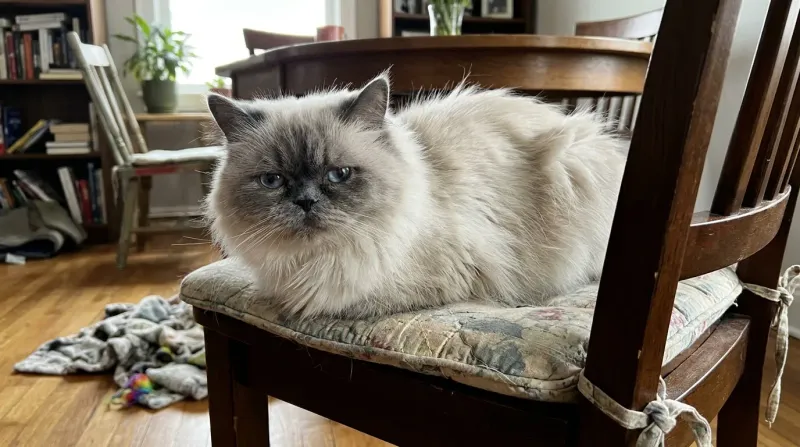
Origin: United States and UK · Size: Medium (7-12 lbs) · Lifespan: 9-15 years · Grooming: Daily brushing Combining the Persian's calm, indoor-loving temperament with striking blue eyes and colorpoint markings, the Himalayan is built for peaceful living. They dislike loud commotion and thrive in tranquil homes where meal and cuddle times happen on schedule. Like Persians, Himalayans require daily brushing and routine eye cleaning, and they share the Persian's flat-faced respiratory, ocular, and dental health risks, which require ongoing monitoring and veterinary budgeting.
How to Choose a Safe, Budget-Friendly Cat in Retirement
Adopting an adult cat aged two years or older is often smarter and far easier on a fixed budget than bringing home a kitten. Adult cats have already outgrown the unpredictable, hyperactive stage where young felines sprint across hallways and weave between ankles. Shelter adoption fees for adult cats are typically a fraction of breeder prices, and many rescues include spaying, neutering, and initial vaccinations.
Before bringing your new companion home, set up a safe living space to prevent falls and protect your pet. Place food bowls, water fountains, and low-entry litter boxes in open, well-lit areas away from narrow stairs or tight doorways. Adding a stable perch, such as one of these small cat trees for apartments, gives your cat a designated spot to nap off the floor. Keep toxic houseplants like lilies, sago palms, and philodendrons out of reach, and never feed human foods such as onions, garlic, grapes, or chocolate.
Common Mistakes to Avoid When Adopting
One frequent mistake is choosing a high-grooming breed without factoring in physical mobility or professional grooming fees. Long-haired breeds like Persians require daily combing to prevent painful skin mats, so if bending or brushing daily feels tiring, choose from short hair cat breeds that need very little grooming instead.
Another oversight is skipping routine veterinary budgeting. Even healthy indoor cats need annual wellness exams, dental checks, and parasite prevention. Ask your veterinarian about senior pet wellness plans or low-cost community clinics, and contact your vet right away if you notice sudden changes in appetite, litter box habits, or mobility.
Finding the right feline companion comes down to matching a cat's energy level and grooming needs with your daily comfort and budget. Visiting a local shelter to meet calm adult cats lets you observe their temperament firsthand before deciding. Once your new friend settles into a predictable routine, you will enjoy years of gentle, stress-free company.
Frequently asked questions
Is an older cat better than a kitten for a senior citizen?
Yes, adopting an adult cat aged two years or older is usually much safer and easier for seniors. Adult cats have predictable personalities, sleep more during the day, are far less likely to dart underfoot and cause falls, and typically cost less to adopt.
What is the lowest maintenance calm cat breed?
The British Shorthair and American Shorthair are among the lowest-maintenance calm breeds. Both have short, easy-care coats that need brushing only once a week, steady temperaments suited to quiet routines, and generally sturdy overall health.
How can seniors prevent tripping over a cat at home?
Keep hallways and stairs brightly lit, use high-contrast bedding or collars so your cat stands out against flooring, and place food and litter boxes away from walkways. Choosing a calm, medium-to-large adult cat also reduces sudden dashes around your ankles.
How much does it cost per month to care for a calm indoor cat?
Basic monthly expenses for food, litter, and routine parasite prevention typically range from $40 to $80, depending on cat size and brand choices. Setting aside a small monthly fund or checking local senior veterinary discounts helps cover annual checkups comfortably.

Nathan Brooks
Nathan Brooks runs Farmingzoom to help loving pet owners create safe, enriching homes for their animals. He cares deeply about responsible pet care and focuses on making everyday decisions simpler for fellow owners.…