Choosing a cat with broad genetic diversity and fewer inherited disorders is the smartest way to keep veterinary expenses predictable while paying off student loans. Certain natural and outcrossed breeds—alongside mixed-breed cats—carry far lower rates of costly chronic conditions like hypertrophic cardiomyopathy (heart disease) and polycystic kidney disease.
While every cat still needs annual wellness exams, dental cleanings, and parasite prevention, starting with a constitutionally sturdy cat reduces the odds of four-figure specialty diagnostics. Compare the 15 resilient pedigreed breeds plus the mixed-breed Domestic Shorthair below by origin, size, coat care, and lifespan before making your budget plan.
| Breed | Origin | Size | Coat Care | Lifespan |
|---|---|---|---|---|
| Russian Blue | Russia | Medium | Weekly brushing | 15–18 years |
| American Shorthair | United States | Medium to large | Weekly brushing | 15–20 years |
| Bombay | United States | Medium | Minimal weekly wipe | 12–16 years |
| Havana Brown | United Kingdom | Medium | Weekly brushing | 10–15 years |
| Balinese | United States | Medium | Twice-weekly comb | 12–16 years |
| Oriental Shorthair | United Kingdom | Medium | Weekly brushing | 12–15 years |
| Siamese | Thailand | Medium | Weekly brushing | 15–20 years |
| LaPerm | United States | Medium | Weekly mist and comb | 10–15 years |
| Nebelung | United States | Medium | Twice-weekly comb | 15–18 years |
| European Burmese | United Kingdom (developed from Burmese foundation cats) | Medium | Weekly brushing | 16–18 years |
| Korat | Thailand | Small to medium | Weekly brushing | 15–20 years |
| Chartreux | France | Medium to large | Weekly brushing | 12–15 years |
| Turkish Angora | Turkey | Small to medium | Twice-weekly comb | 12–18 years |
| Egyptian Mau | Egypt | Medium | Weekly brushing | 12–15 years |
| Japanese Bobtail | Japan | Medium | Weekly brushing | 15–18 years |
| Domestic Shorthair | Global | Small to large | Weekly brushing | 15–20 years |
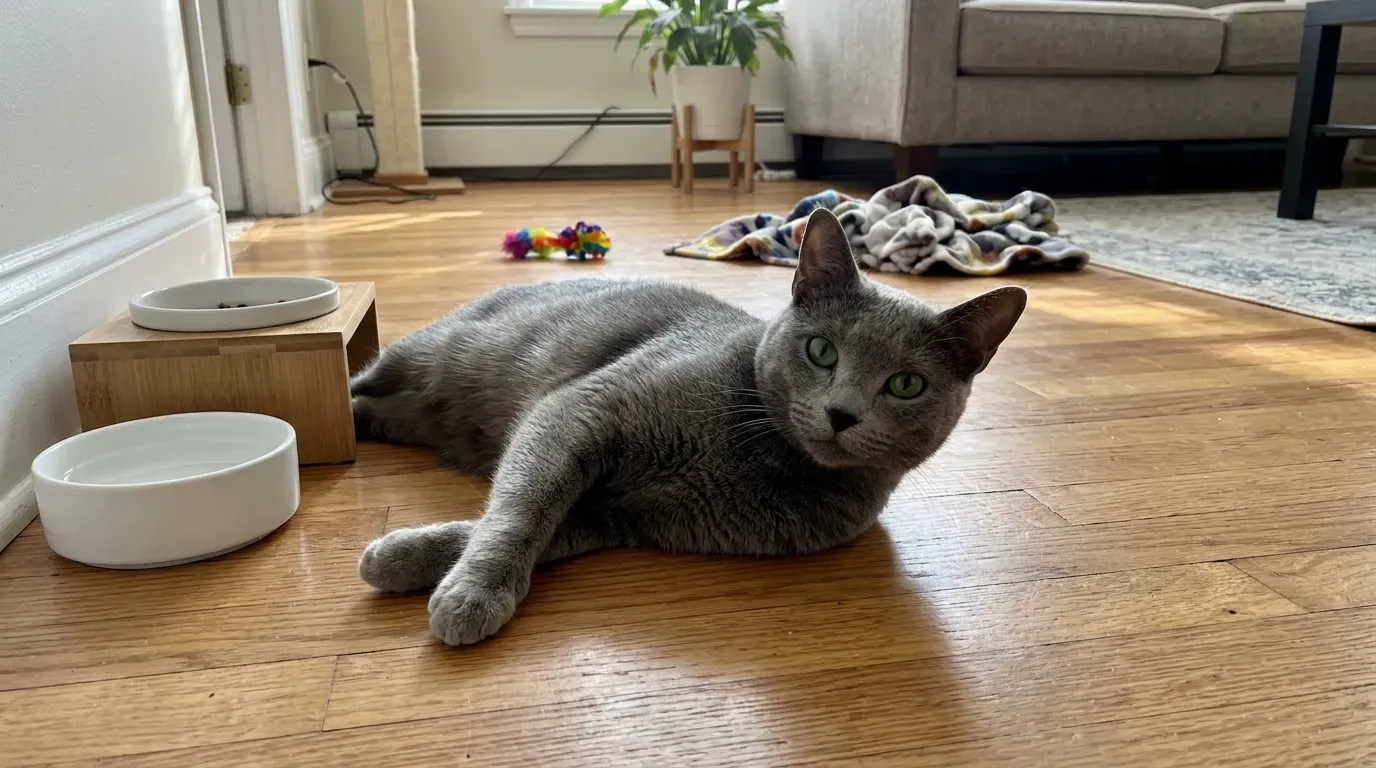
1Russian Blue
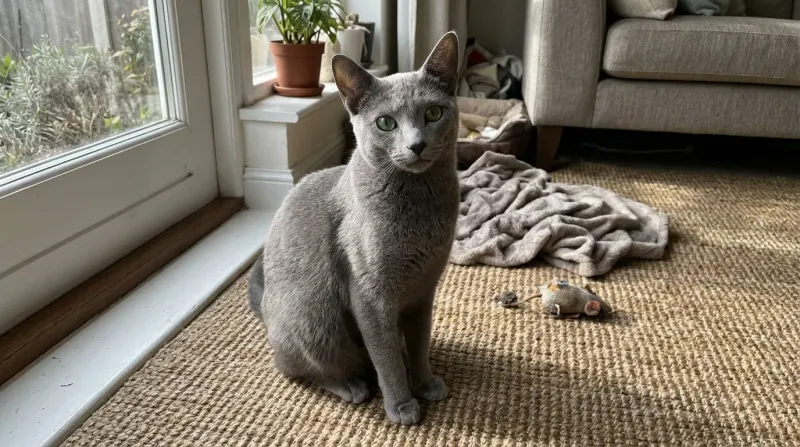
Origin: Russia · Size: medium · Coat care: weekly brushing · Lifespan: 15–18 years A natural breed that developed without heavy human crossbreeding, the Russian Blue enjoys a wide gene pool and few inherited disorders. Their dense double coat rarely mats, and their calm, predictable indoor habits lower the risk of household injuries. Keep them on measured meals with plenty of fresh water, as owners should watch for bladder stones alongside middle-age weight gain, which can strain joints and trigger diabetes if left unchecked.
2American Shorthair
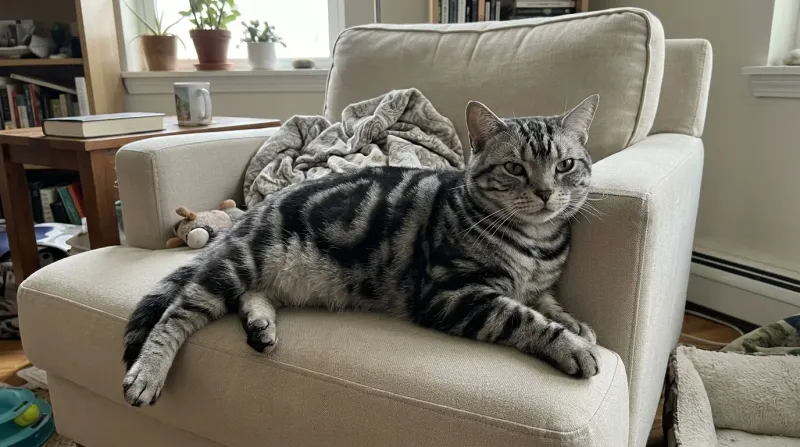
Origin: United States · Size: medium to large · Coat care: weekly brushing · Lifespan: 15–20 years Descended from hardy working barn cats, the American Shorthair has broad genetic vigor and a sturdy, muscular build. While occasional cases of hypertrophic cardiomyopathy occur, responsible breeders screen parent cats via echocardiogram, keeping overall chronic disease rates low. Feed portion-controlled high-protein meals and provide vertical climbing shelves so this solid breed avoids obesity-related vet visits.
3Bombay
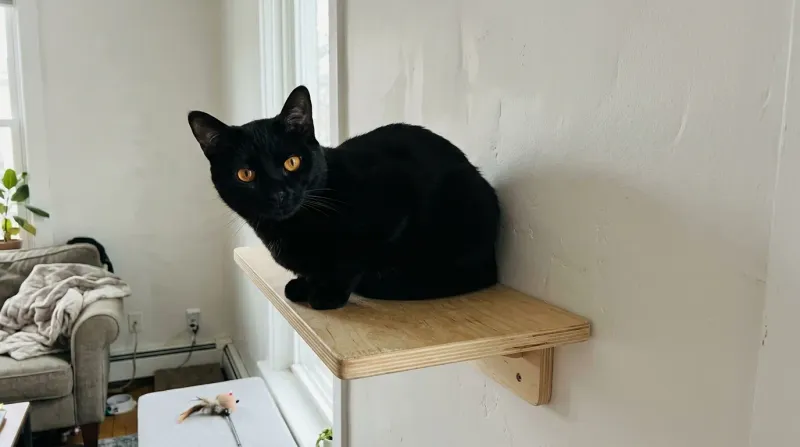
Origin: United States · Size: medium · Coat care: minimal weekly wipe · Lifespan: 12–16 years Created by crossing sable Burmese with black American Shorthairs, the Bombay benefits from hybrid vigor and a sleek, low-shedding coat. They rarely develop polycystic kidney disease, though moderate muzzle shortening means you should check that your kitten breathes quietly without snoring. Routine dental care and annual wellness checks usually cover their medical needs well into their teens.
4Havana Brown
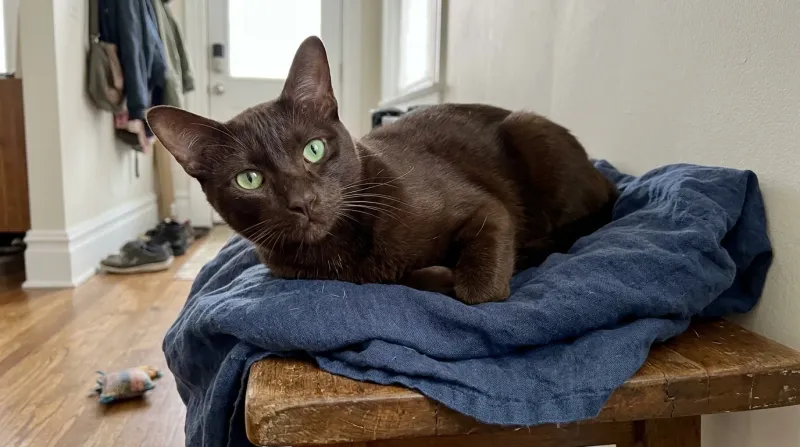
Origin: United Kingdom · Size: medium · Coat care: weekly brushing · Lifespan: 10–15 years Carefully outcrossed with domestic shorthairs during its development, the Havana Brown has avoided most severe hereditary heart and kidney syndromes. Their short, glossy mahogany coat needs almost no grooming and rarely causes hairball blockages. Schedule yearly dental checkups, as their moderate muzzle shape can occasionally crowd teeth and encourage mild tartar buildup.
5Balinese
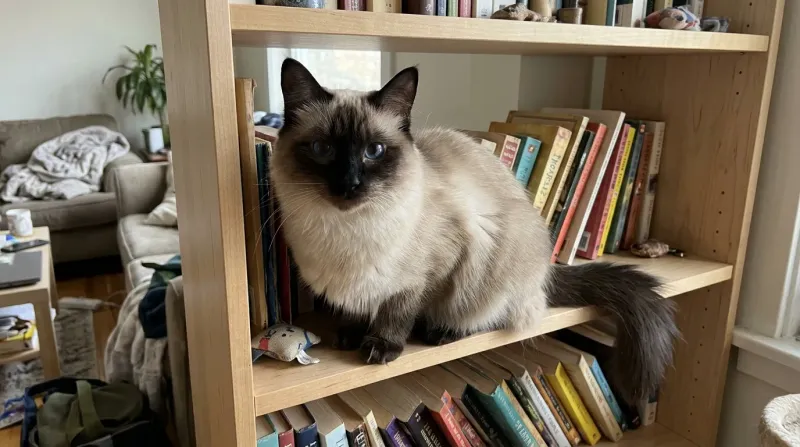
Origin: United States · Size: medium · Coat care: twice-weekly comb · Lifespan: 12–16 years Essentially a long-haired Siamese without a heavy undercoat, the Balinese combines strong longevity with minimal matting. Reputable breeders screen lines for hypertrophic cardiomyopathy and amyloidosis, as well as progressive retinal atrophy, rather than focusing solely on polycystic kidney disease. Mental enrichment and interactive play keep this active breed lean and free from stress-related urinary issues.
6Oriental Shorthair
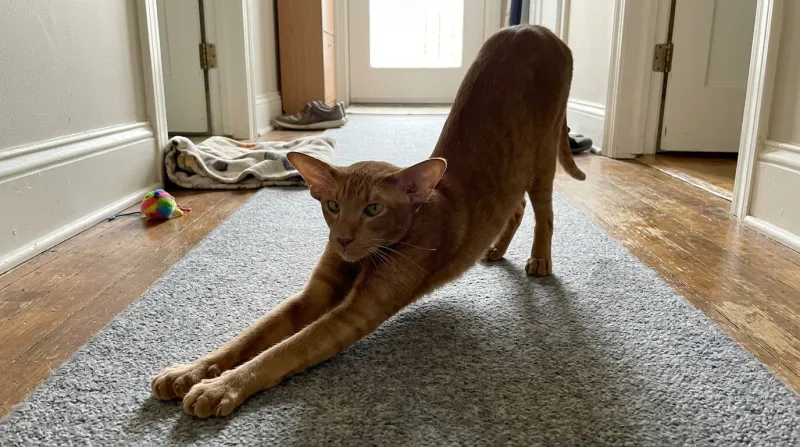
Origin: United Kingdom · Size: medium · Coat care: weekly brushing · Lifespan: 12–15 years Outcrossed across several shorthaired lines to achieve hundreds of coat patterns, the Oriental Shorthair possesses a broad genetic foundation. They stay lean naturally, reducing the risk of obesity-related diabetes and arthritis. Watch for dental plaque on their narrow jaws and keep string or ribbon locked away, as curious Orientals sometimes chew non-food items.
7Siamese
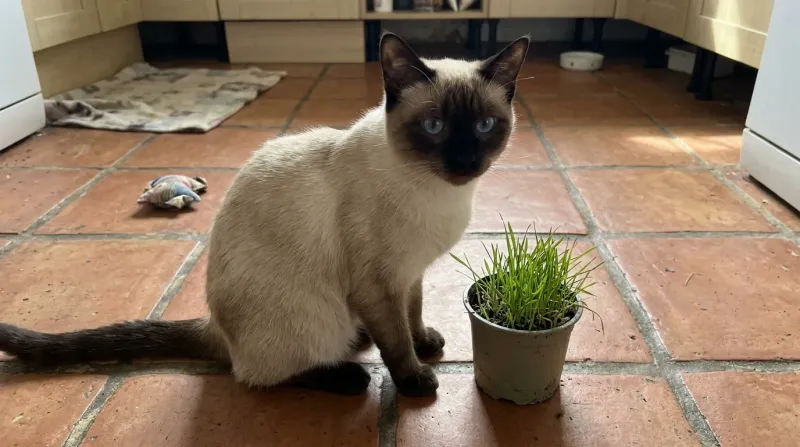
Origin: Thailand · Size: medium · Coat care: weekly brushing · Lifespan: 15–20 years One of the oldest natural breeds, the Siamese routinely lives past fifteen with remarkably low rates of hereditary kidney cysts. Modern show lines have narrower heads, while traditional apple-head types have broader airways and fewer dental issues. Annual veterinary dental cleanings and consistent indoor routines help this social breed stay healthy for two decades.
8LaPerm
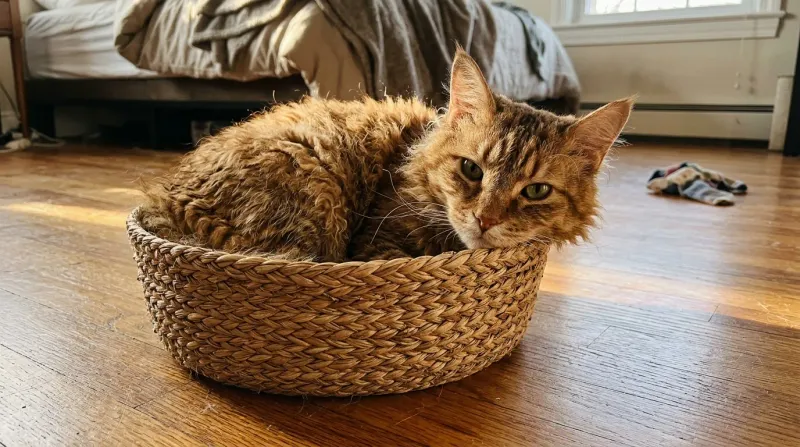
Origin: United States · Size: medium · Coat care: weekly mist and comb · Lifespan: 10–15 years Originating from a spontaneous genetic mutation in Oregon barn cats and outcrossed with sturdy domestic shorthairs, the LaPerm has no known breed-specific heart or kidney diseases. Their curly coat sheds lightly and resists heavy matting with simple weekly combing. Basic preventive vaccines and good nutrition are typically all they require.
9Nebelung
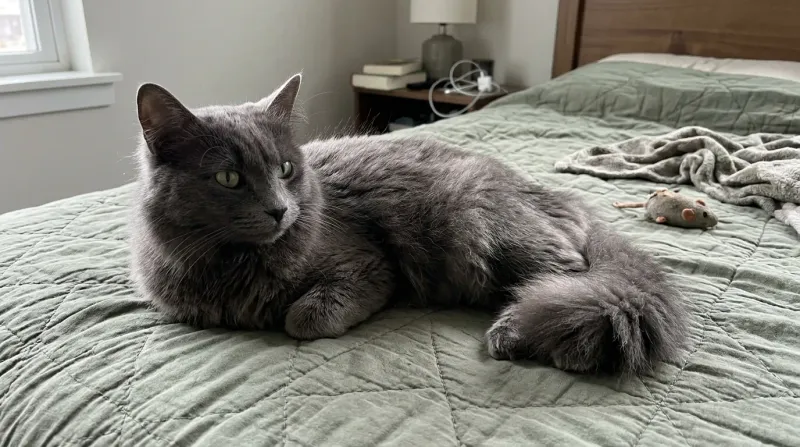
Origin: United States · Size: medium · Coat care: twice-weekly comb · Lifespan: 15–18 years Developed by pairing long-haired blue domestic cats with Russian Blues, the Nebelung inherits the Russian Blue's hardy constitution and long lifespan. They are free from common flat-faced respiratory problems and rarely suffer from inherited kidney disorders. A quiet home environment and regular brushing prevent hairballs and stress-induced bladder inflammation.
10European Burmese
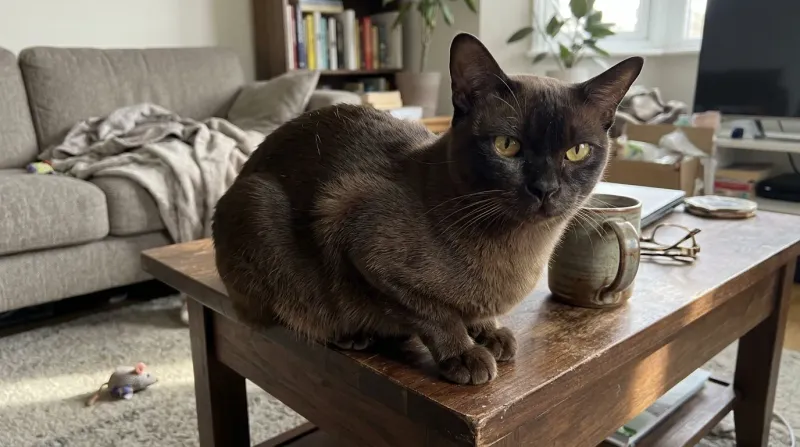
Origin: United Kingdom (developed from Burmese foundation cats) · Size: medium · Coat care: weekly brushing · Lifespan: 16–18 years Distinct from the rounder American Burmese, the European Burmese retains a slightly longer muzzle that avoids severe sinus and breathing troubles. Breeders use DNA tests to eliminate hypokalemia and head defects from breeding lines, resulting in a remarkably long-lived companion. Keep them indoors on a balanced diet to protect their joints as they age.
11Korat
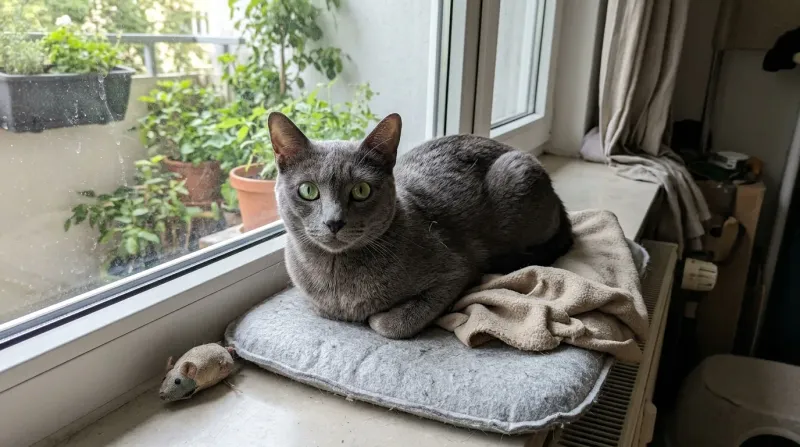
Origin: Thailand · Size: small to medium · Coat care: weekly brushing · Lifespan: 15–20 years A centuries-old natural breed from Thailand, the Korat lacks an undercoat and routinely reaches its late teens. Dedicated breed clubs strictly screen breeding cats for two rare neuromuscular conditions (GM1 and GM2 gangliosidosis), effectively keeping active lines clear. Their compact, muscular frame stays trim easily with daily wand-toy sessions.
12Chartreux
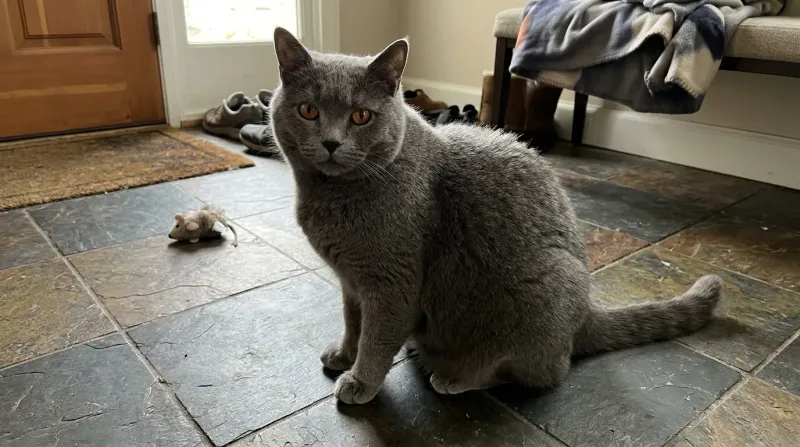
Origin: France · Size: medium to large · Coat care: weekly brushing · Lifespan: 12–15 years This historic French breed developed naturally without aggressive crossbreeding, giving it a solid immune system and low incidence of heart disease. The main orthopedic issue to monitor is patellar luxation (loose kneecaps), which breeders screen for manually. Keeping your Chartreux at a healthy weight protects their knees and avoids surgical repairs.
13Turkish Angora
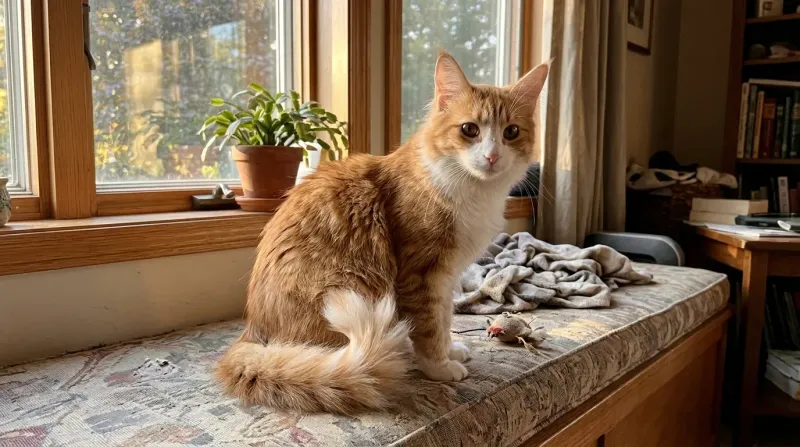
Origin: Turkey · Size: small to medium · Coat care: twice-weekly comb · Lifespan: 12–18 years A natural breed from Ankara, the Turkish Angora has a single-layer silky coat that does not mat like double-coated longhairs. Colored coats avoid the congenital deafness linked to the dominant white gene, and the breed has low rates of kidney disease. If you are considering a white coat, check our guide on how to adopt white cats safely on a budget.
14Egyptian Mau
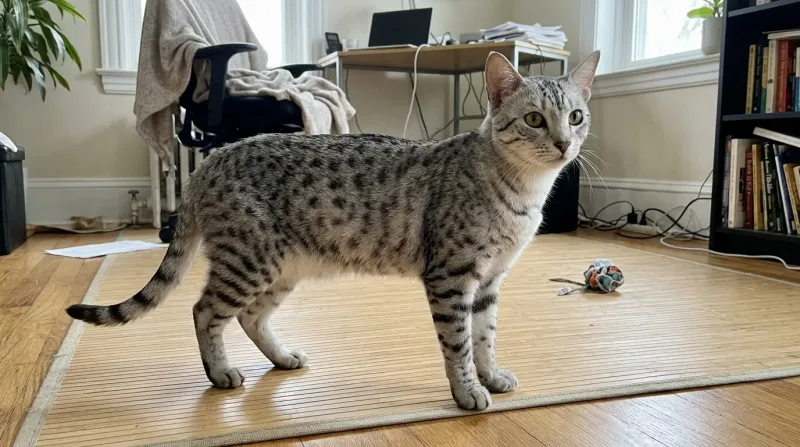
Origin: Egypt · Size: medium · Coat care: weekly brushing · Lifespan: 12–15 years As one of the few naturally spotted domestic breeds, the Egyptian Mau retains athletic agility and strong genetic resilience. They have very low rates of polycystic kidney disease, though responsible breeders test for pyruvate kinase deficiency, an inherited anemia. Confirming a negative DNA test before purchase keeps future bloodwork routine and inexpensive.
15Japanese Bobtail
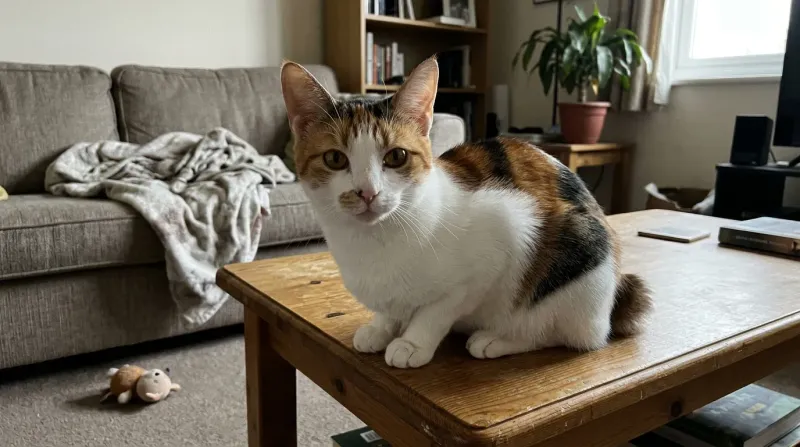
Origin: Japan · Size: medium · Coat care: weekly brushing · Lifespan: 15–18 years Unlike the Manx, whose tailless gene can cause spinal defects, the Japanese Bobtail's kinked pom-pom tail is caused by a harmless dominant gene unrelated to spinal defects or nerve problems. Centuries of natural street-cat ancestry give this breed sturdy health and active, lean bodies. You can explore more traits in our overview of distinctive Japanese cat breeds.
16Domestic Shorthair
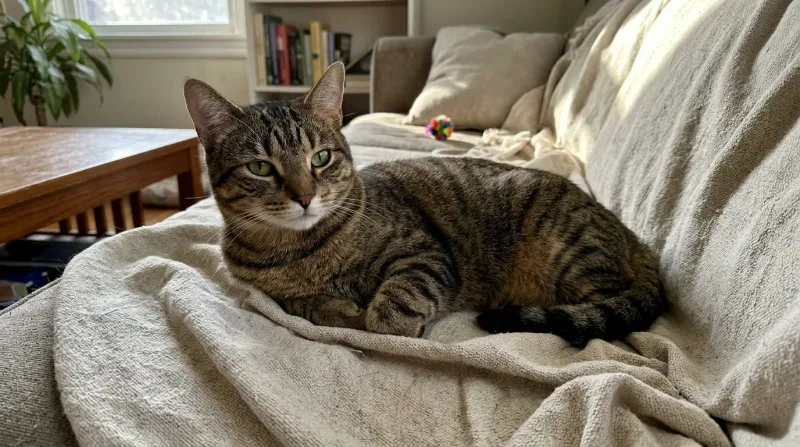
Origin: Global · Size: small to large · Coat care: weekly brushing · Lifespan: 15–20 years Mixed-breed shelter cats offer the widest genetic diversity of any feline, naturally diluting recessive mutations for heart and kidney disease. Adoption fees are a fraction of breeder prices and usually include spay or neuter surgery, microchipping, and initial vaccines. For budget-conscious young adults, an independent mixed-breed shorthair is the safest financial bet.
How to Keep Long-Term Vet Costs Predictable on Any Budget
Even the sturdiest breed needs preventive care to stay out of the emergency clinic. Schedule an annual veterinary exam, keep vaccinations and flea preventives current, and brush your cat's teeth several times a week to avoid costly dental extractions later in life. Keep toxic items like lilies, onions, garlic, chocolate, grapes, and human pain relievers completely out of reach, as accidental poisoning turns a healthy cat into an overnight emergency.
If you buy from a breeder rather than adopting from a shelter, ask for echocardiogram clearances on both parents performed by a veterinary cardiologist, which is the standard screening for hypertrophic cardiomyopathy in most breeds since DNA tests only cover specific mutations in Ragdolls and Maine Coons. Enrolling a young cat in a basic accident-and-illness insurance policy before pre-existing conditions appear also locks in low monthly premiums while you pay down student debt.
Common Mistakes When Shopping for a Low-Maintenance Cat
Many first-time owners confuse an easy coat with low medical risk. Flat-faced breeds and extreme body types often suffer from lifelong breathing, eye, and joint issues that drain savings quickly, even when they seem calm indoors. If you want a quiet companion without heavy grooming bills, look at short-haired breeds that need very little grooming rather than heavily modified designer mixes.
Never skip a vet visit if your cat suddenly drinks more water, loses weight, hides, or strains in the litter box. Early bloodwork catches kidney stress and urinary blockages before they require hospitalization.
Focusing on natural, outcrossed, or mixed-breed cats protects both your pet's comfort and your monthly budget while paying off student loans. Ask breeders for parent heart and kidney clearances, or adopt a healthy Domestic Shorthair from a local shelter, then pair routine dental care with annual vet checkups to keep surprise bills away.
Sources: Cornell Feline Health Center · The Cat Fanciers' Association (CFA) · International Cat Care · VCA Animal Hospitals
Frequently asked questions
Which cat breed has the least amount of health issues?
Mixed-breed Domestic Shorthairs generally have the fewest inherited health issues because their broad gene pool dilutes recessive disease mutations. Among pedigreed cats, natural breeds like the Russian Blue, American Shorthair, and Japanese Bobtail have low rates of severe hereditary conditions.
What is a silent killer for cats?
Hypertrophic cardiomyopathy (HCM) and chronic kidney disease are often called silent killers because cats hide pain until the illness is advanced. Annual veterinary exams, routine bloodwork, and watching for subtle changes in thirst, breathing rate, or energy help catch both early.
How much should I budget per year for a healthy cat's vet bills?
For a healthy adult indoor cat, plan on roughly $250 to $600 per year for an annual wellness exam, core booster vaccines, fecal testing, and monthly parasite prevention. Adding $30 to $50 a month for pet insurance or a dedicated savings fund covers unexpected dental cleanings or minor illnesses.
Are mixed-breed shelter cats healthier than purebred cats?
On average, mixed-breed cats experience lower rates of single-gene hereditary disorders such as polycystic kidney disease because they are not bred from narrow bloodlines. However, both purebred and mixed-breed cats still share similar risks for common age-related issues like dental tartar, obesity, and hyperthyroidism.

Nathan Brooks
Nathan Brooks runs Farmingzoom to help loving pet owners create safe, enriching homes for their animals. He cares deeply about responsible pet care and focuses on making everyday decisions simpler for fellow owners.…