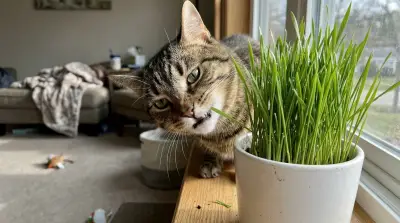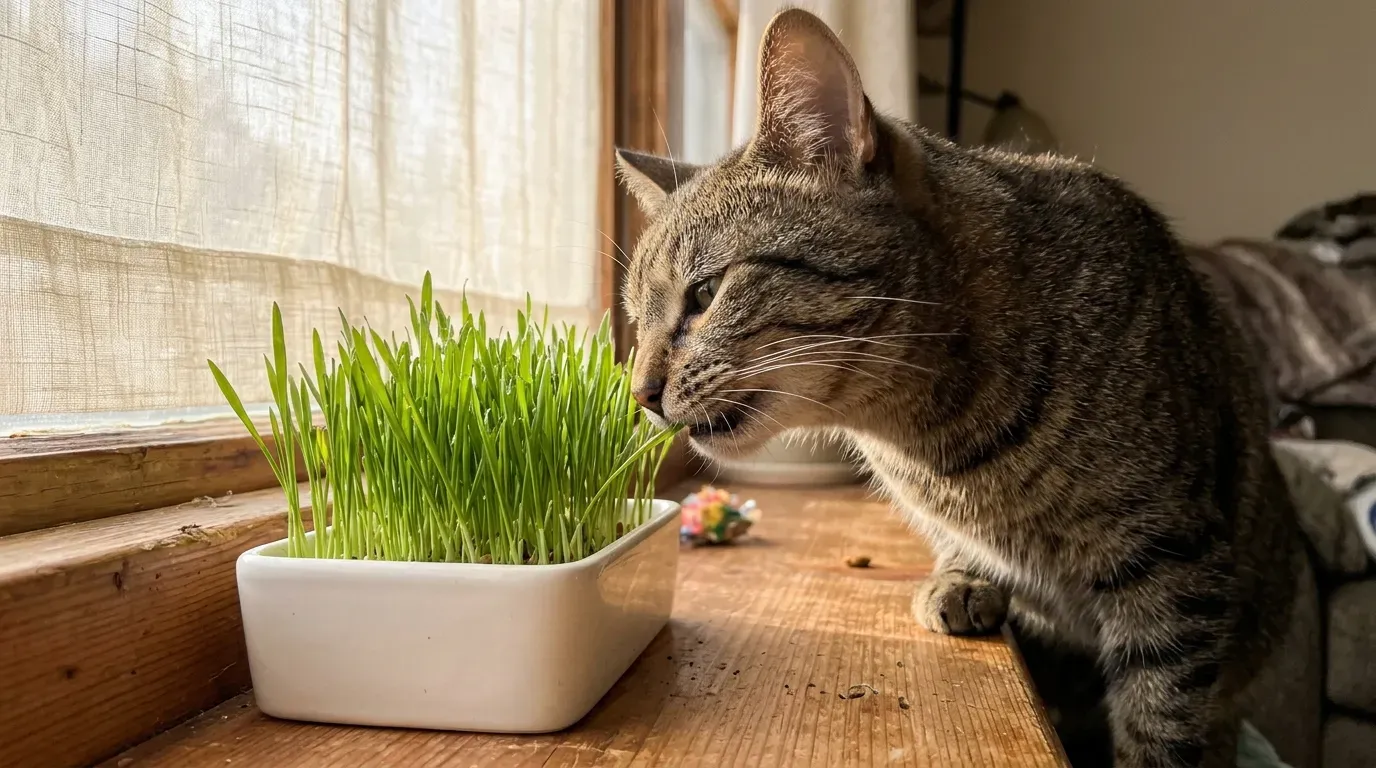
Cat grass benefits indoor felines by providing natural dietary fiber, essential vitamins, and a safe outlet for their instinct to chew greens. Grown from pet-safe cereal grains like wheat, barley, oats, or rye, this fresh treat helps move hairballs through the digestive tract while keeping curious cats away from toxic houseplants.
While outdoor cats naturally nibble on lawn blades, indoor companions miss out on this simple nutritional and sensory boost. Below are 10 practical ways adding a small pot of fresh grass supports your cat's daily health, followed by clear guidelines on safe portions and when to consult your veterinarian.
1Supports Smooth Digestive Tract Regularity
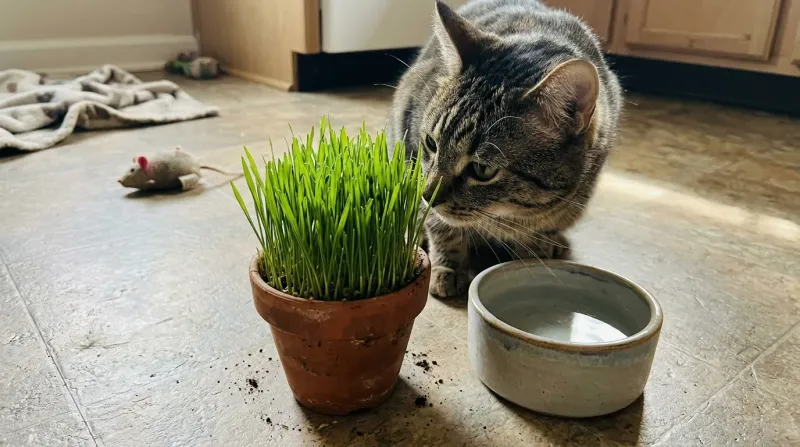
Fresh cat grass provides gentle, insoluble plant fiber that stimulates normal muscle contractions along your cat's intestinal tract. Because strict carnivores eat diets rich in protein and fat—and lack the gut fermentation capacity to digest large amounts of plant cellulose—only a tiny amount of roughage is needed to support normal motility in healthy cats. Routine nibbling encourages steady bowel regularity in healthy felines, though cat grass should never be used to treat constipation, which requires proper hydration and veterinary care.
2Helps Expel and Reduce Hairballs
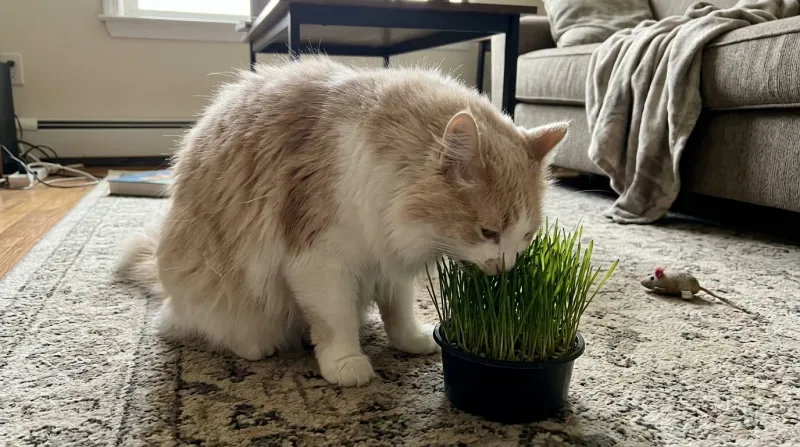
Swallowed fur often clumps together in the stomach, especially in long-haired breeds or heavy shedders like fluffy cat breeds with thick coats. The coarse texture of grass blades binds to loose hair and either helps push it safely through the digestive tract into the litter box or triggers a mild, controlled regurgitation that clears the stomach before a large blockage forms.
3Redirects Chewing Away From Toxic Houseplants
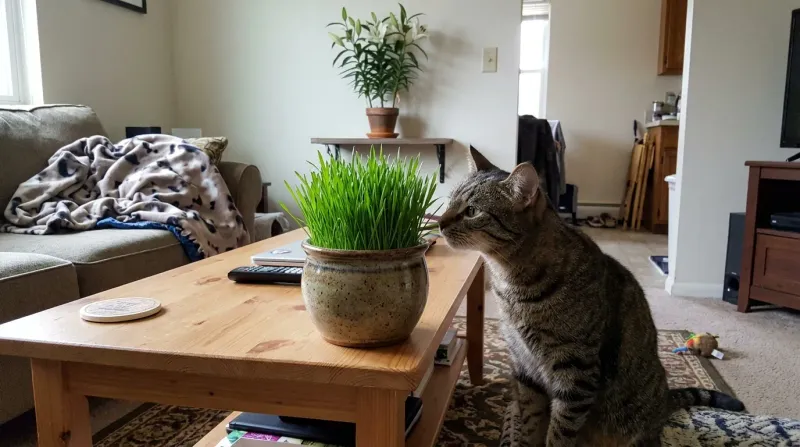
Many common indoor plants—including lilies, pothos, philodendrons, sago palms, and tulips—are poisonous to felines and can cause severe kidney or organ damage. Placing a dedicated pot of palatable oat or wheat grass in a sunny spot gives your cat an approved greenery station. Satisfying their craving for fresh leaves reduces the temptation to nibble dangerous ornamental foliage around your living room.
4Delivers Natural Folate for Oxygen Transport
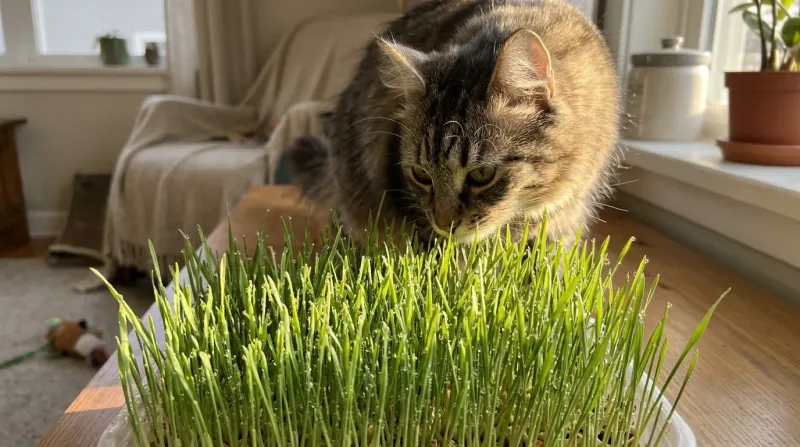
Young cereal grass shoots are naturally rich in natural folate (vitamin B9), an essential nutrient that supports hemoglobin production and healthy oxygen circulation throughout your cat's bloodstream. While complete commercial cat foods already supply baseline vitamins, fresh greens offer a bioavailable boost that supports cellular growth and steady energy levels, particularly for active indoor cats and growing adolescents.
5Provides Chlorophyll for Fresher Breath
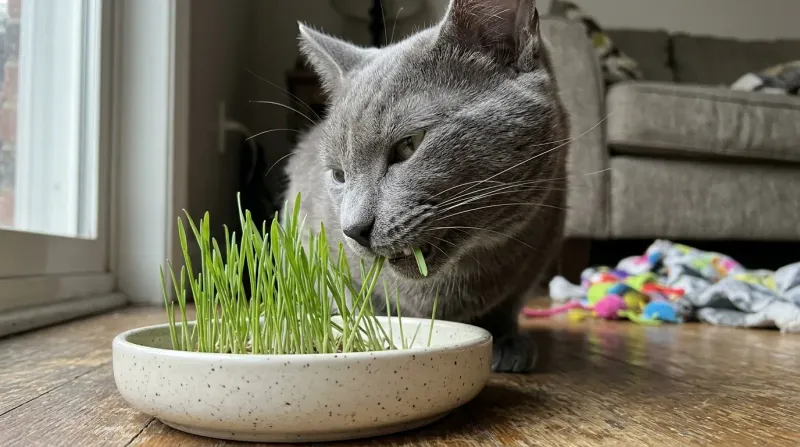
The vibrant green pigment in fresh cat grass is chlorophyll, a natural plant compound known for neutralizing odor-causing bacteria in the mouth and upper digestive tract. Chewing crisp grass blades helps freshen mild halitosis between regular toothbrushing sessions. Keep in mind that persistent foul breath can still signal dental disease, so always have a veterinarian check your cat's gums if odor continues.
6Supplies B-Complex Vitamins and Vitamin C
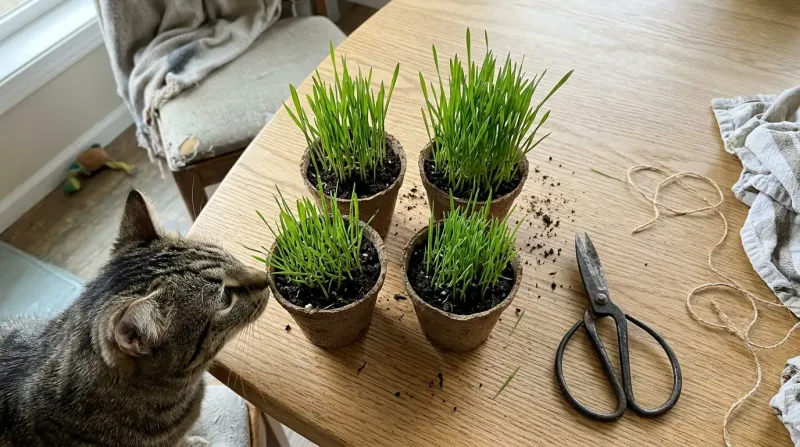
Sprouted barley, wheat, and rye grasses contain a helpful spectrum of micronutrients, including B-complex vitamins and vitamin C, alongside plant-based beta-carotene. While B vitamins aid metabolism and vitamin C acts as a gentle antioxidant, cats lack the intestinal enzyme needed to convert plant beta-carotene into active vitamin A and must obtain preformed vitamin A from animal tissues. Because cats also synthesize their own vitamin C internally, small amounts of these grass nutrients simply complement their overall immune resilience without overloading their system.
7Offers Mild Mechanical Teeth Cleaning
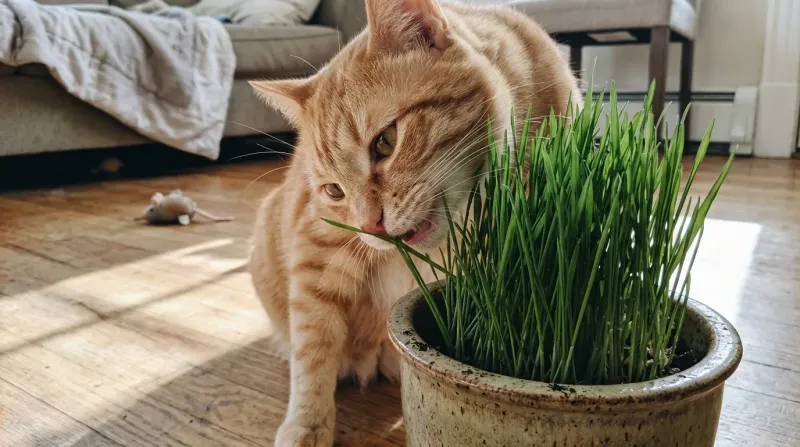
As your cat gnaws and shears fibrous grass blades with their back premolars, the gentle friction helps wipe away soft food debris along the gumline. While grazing is no substitute for daily enzymatic toothpaste or professional veterinary dental cleanings, this natural chewing exercise stimulates saliva flow and keeps jaw muscles engaged for cats that eat mostly soft wet food.
8Supports Healthy Skin, Coat, and Claws
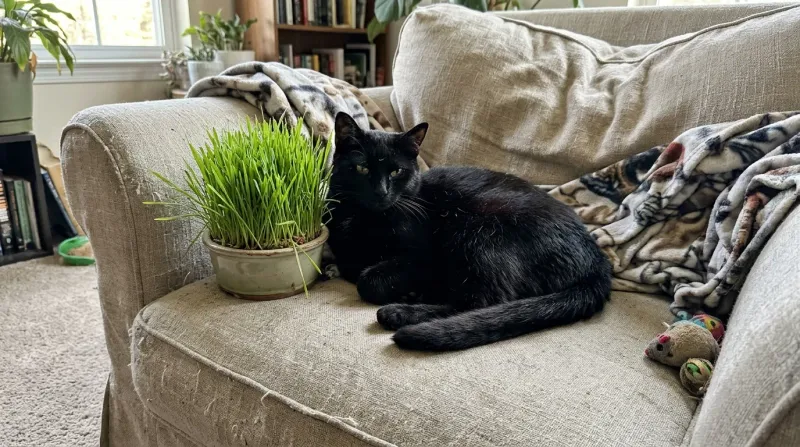
The combination of trace minerals, hydration, and B-complex vitamins found in young shoots contributes to stronger claw keratin and a softer, shinier coat. Indoor air conditioning and winter heating frequently dry out feline skin, leading to mild flaking. Adding moisture-rich greens alongside fresh water bowls helps nourish skin cells from the inside out during dry indoor seasons.
9Provides Sensory Enrichment and Boredom Relief
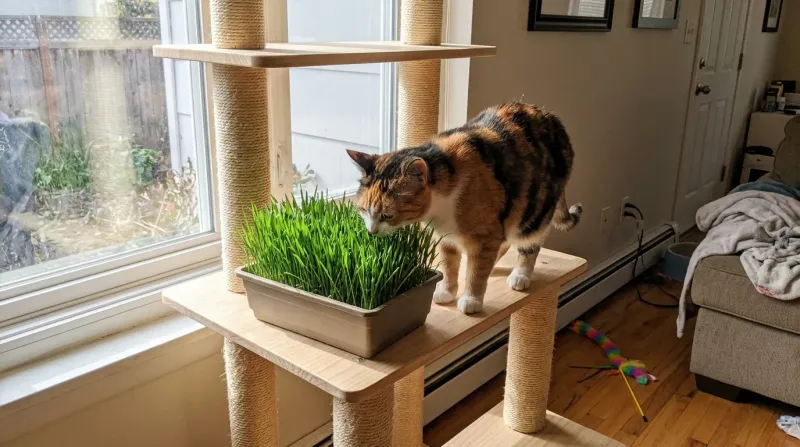
Indoor cats thrive when their environment engages their natural instincts to sniff, paw, and forage. A lush tray of living grass introduces outdoor textures and fresh scents into an apartment or house. Pairing a grazing station near one of the best cat trees for large cats encourages active exploration and prevents stress-induced over-grooming, which is another common trigger for excess hairballs.
10Delivers Safe Hydration From Fresh Shoots
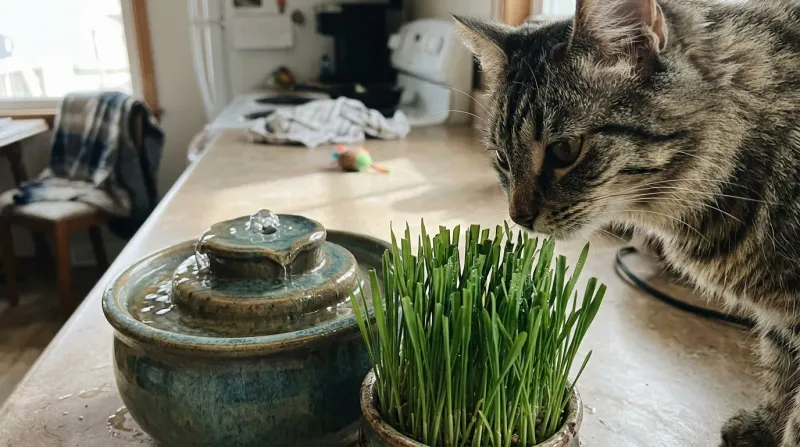
Freshly sprouted cereal blades hold a high percentage of cellular water, giving cats that rarely drink from water bowls a subtle moisture boost with every nibble. Adequate daily hydration supports kidney function and urinary tract comfort, which is especially valuable for neutered indoor males and Domestic Shorthair cats, as a low thirst drive is a natural evolutionary trait shared across domestic felines in general.
Safe Portion Guidelines and Serving Tips
Because top veterinary resources avoid rigid daily weights, introduce cat grass gradually and monitor how your cat responds. Offer a small planter for 10 to 15 minutes a few times per week rather than leaving an overgrown pot out all day, which helps prevent binge eating and stomach upset. Choose organic seeds of wheat, oat, barley, or rye planted in untreated potting mix free of chemical fertilizers or pesticides.
Discard any tray that develops white fuzz or sour-smelling soil, as moldy substrate causes gastrointestinal illness. Long, tough blades can also pose a minor choking or gagging risk if swallowed whole, so trim blades back to about three or four inches.
Disadvantages and When to Call Your Vet
Even though fresh cereal grasses are non-toxic, eating too much fiber at once often triggers mild vomiting. If your cat repeatedly eats grass and vomits every day, or if you notice lethargy, diarrhea, constipation, or loss of appetite, schedule a veterinary exam to rule out underlying gastrointestinal disease or intestinal blockages.
Cats with sensitive stomachs, inflammatory bowel conditions, or a history of pica should only graze after you confirm safety with your veterinarian. Remember that a pot of grass is a helpful supplement, never a substitute for balanced feline nutrition or professional medical care.
Adding a small pot of fresh wheat, oat, or barley grass gives your indoor cat gentle digestive fiber, natural vitamins, and a safe alternative to toxic houseplants. Keep blades trimmed to four inches, supervise short grazing sessions a few times a week, and check with your veterinarian if your cat vomits frequently after eating greens.
Frequently asked questions
What are the disadvantages of cat grass?
Overeating cat grass can trigger vomiting, mild diarrhea, or temporary stomach irritation from excess insoluble fiber. Long blades may occasionally cause gagging, and neglected pots kept too damp can grow harmful mold in the soil. Always trim blades short and replace trays at the first sign of spoilage.
How often should a cat eat cat grass?
Most healthy adult cats do best with short, supervised grazing sessions of 10 to 15 minutes two or three times per week. Leaving a full planter out constantly encourages some cats to binge on large amounts of fiber at once, which commonly leads to regurgitation.
Do vets recommend cat grass?
Many veterinarians support offering safe cereal grasses like wheat, oat, or barley as environmental enrichment and a non-toxic alternative to dangerous houseplants. However, vets advise asking first if your cat has a sensitive stomach, chronic vomiting, or inflammatory bowel disease.
Is cat grass actually good for cats?
Yes, in moderation, fresh cat grass is beneficial for most indoor cats. It provides natural fiber to move hairballs through the gut, supplies natural folate (vitamin B9) and chlorophyll, and satisfies their natural urge to chew greens without exposing them to toxic garden chemicals or poisonous plants.