When you share a small home office all day, knowing how to read cat sleeping positions helps you tell deep, trusting rest apart from guarded light dozing. Cats spend 12 to 18 hours a day resting, yet much of that time in a busy workspace is spent in light vigilance rather than true REM sleep.
By watching how your cat tucks their paws, positions their spine, and angles their ears near your desk, you can tell whether your typing, phone calls, and chair movements feel safe or stressful. Use these 15 office postures to adjust your workspace setup so your cat can truly unwind.
1The Belly-Up Full Sprawl
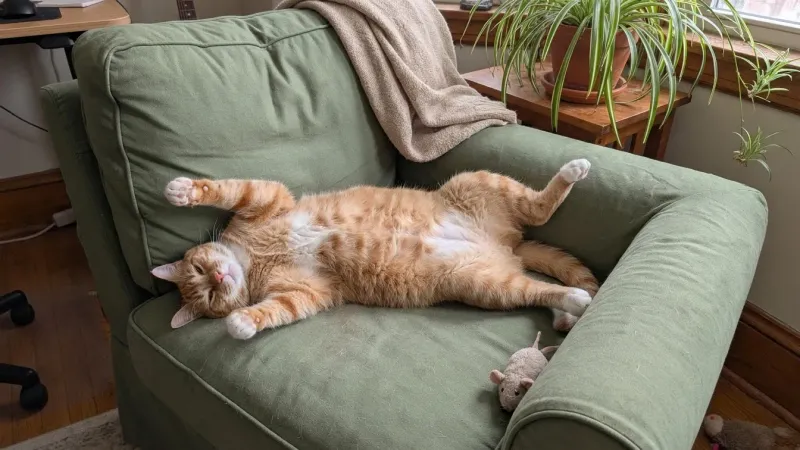
When your cat lies flat on their back with all four legs splayed open beside your desk, they are signaling maximum trust. Because a cat's stomach holds their most vulnerable organs, exposing it means they feel completely safe from sudden office noises or footsteps. Leave their belly untouched, as petting this area often triggers defensive cat body language before biting even in deeply relaxed cats.
2The Tight Meatloaf Tuck
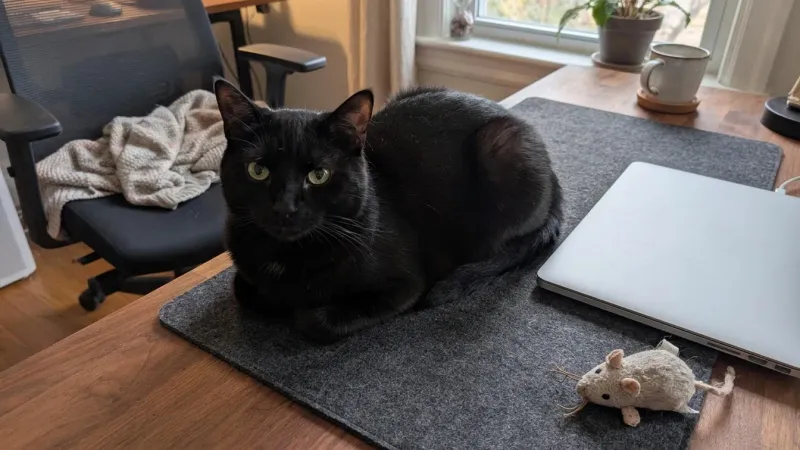
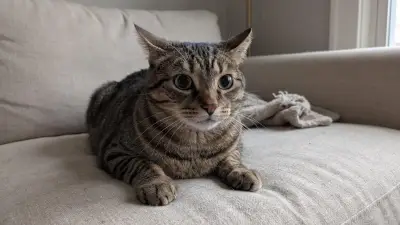
Tucking all four paws neatly underneath the chest while keeping the chin slightly raised looks adorable, yet it is a light-dozing posture. Your cat is conserving body heat while keeping their weight balanced over their legs so they can spring upright in a fraction of a second. In a noisy home office, this pose usually means your cat is resting lightly between video calls rather than entering deep sleep.
3The Crescent Curl
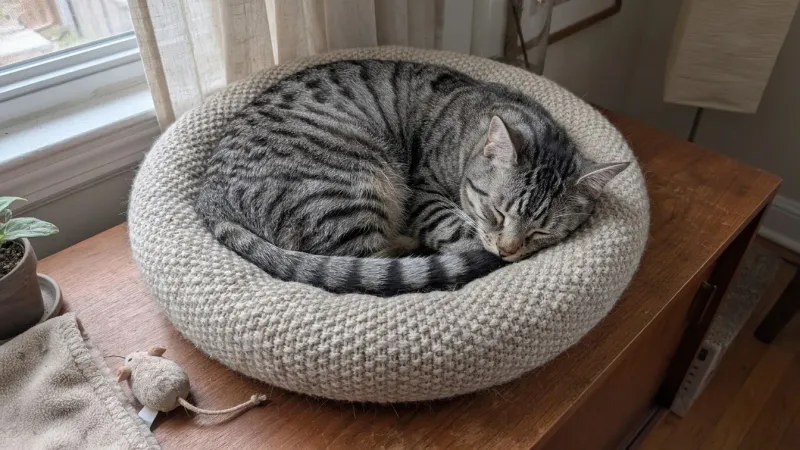
Curling into a tight circle with the nose tucked near the tail tip is a classic heat-retention and organ-protection posture. While comfortable, a tight curl often signals that your home office feels slightly drafty or overly stimulating. Adding a small, high-walled bolster bed near a sunny wall lets your cat feel enclosed on three sides so their muscles can soften into deeper rest.
4The Half-Tucked Sphinx
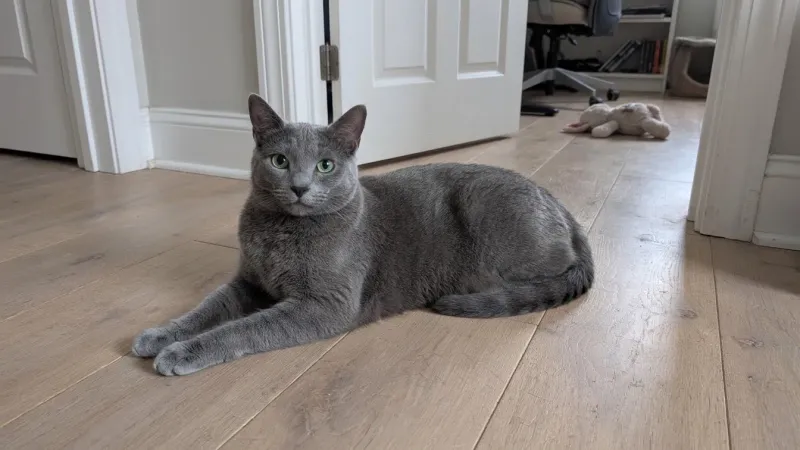
Lying on the belly with front paws stretched forward and hind legs tucked underneath shows moderate relaxation paired with readiness to move. Cats often choose this pose on cool hardwood floors or near an office doorway where they can monitor hallway traffic. Their ears will still swivel toward keyboard clicks, telling you they are taking a short power nap rather than shutting down completely.
5The Side-Lying Stretch
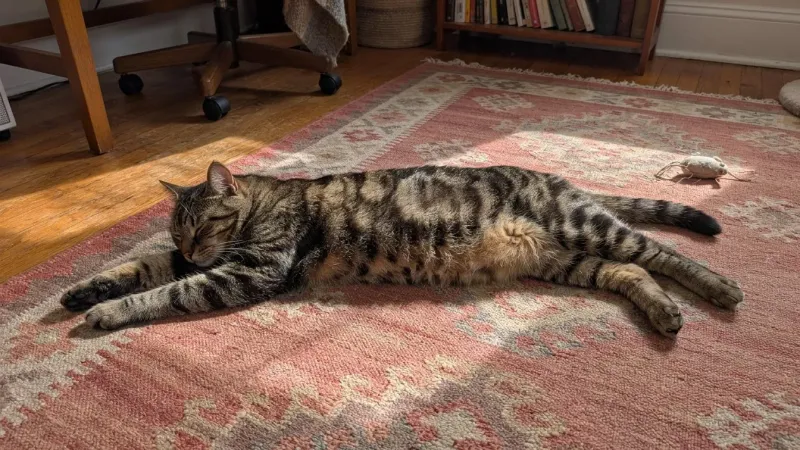
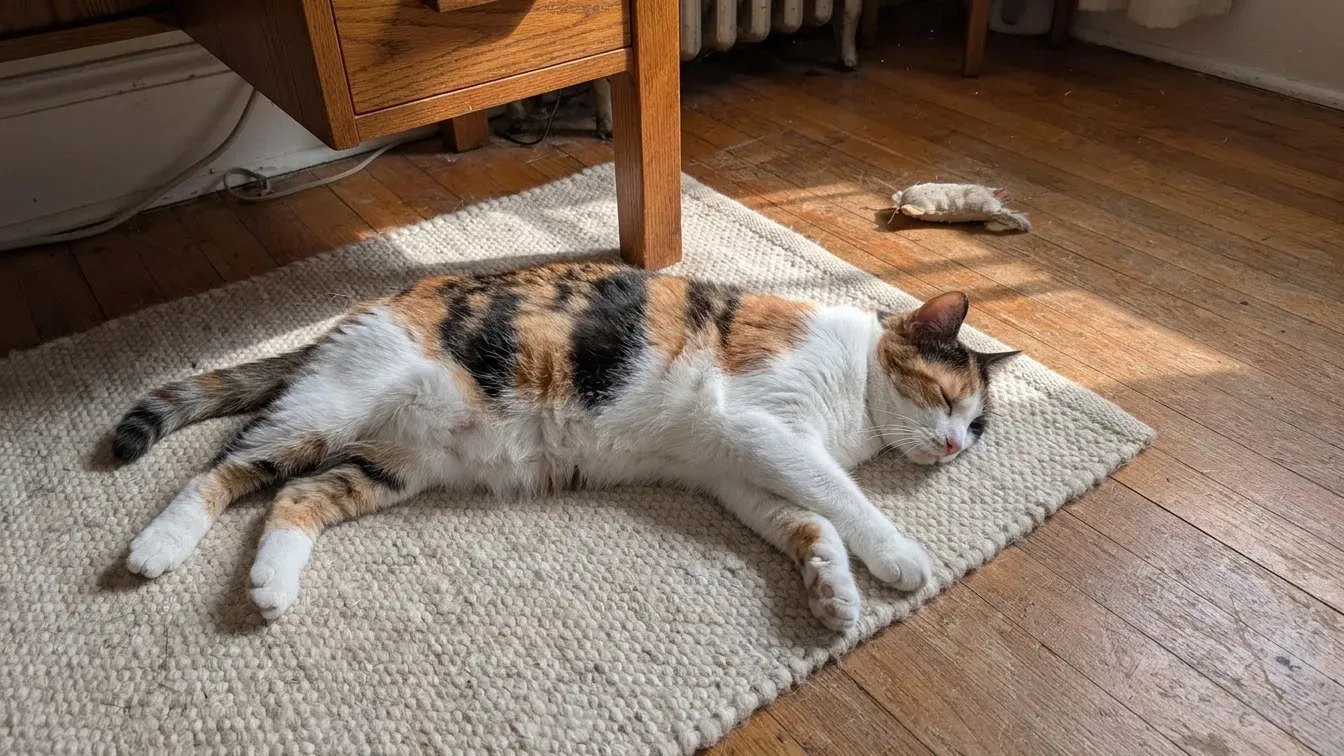
Stretching out completely on one side with legs extended straight away from the body marks genuine, restorative sleep. Muscle tension drops away, breathing slows into steady belly rises, and paws may occasionally twitch during REM dreams. Seeing this pose on an office rug or sofa means your daily routine feels predictable and non-threatening to your cat.
6The Paw-Over-Eyes Shield
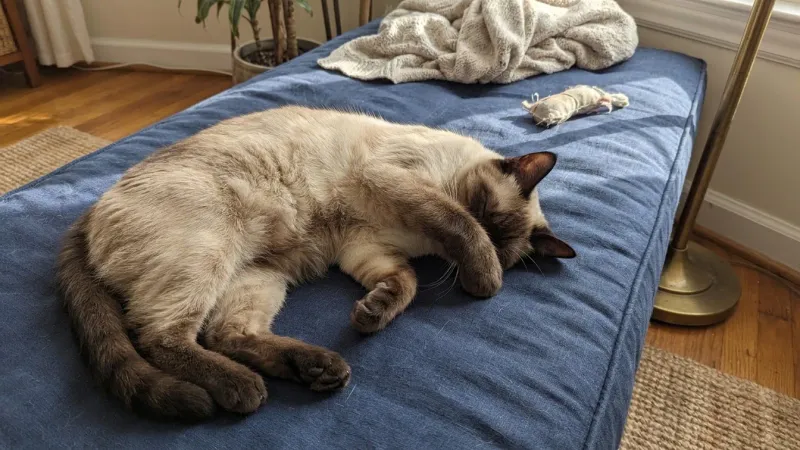
Draping one front paw across the nose and eyes is your cat's natural way of blocking overhead office glare or bright monitor light. This posture shows deep relaxation combined with a clear boundary asking not to be disturbed. Dimming harsh desk lamps or placing a covered bed in a shaded corner helps light-sensitive cats sleep longer without squinting.
7The Full Belly Sploot
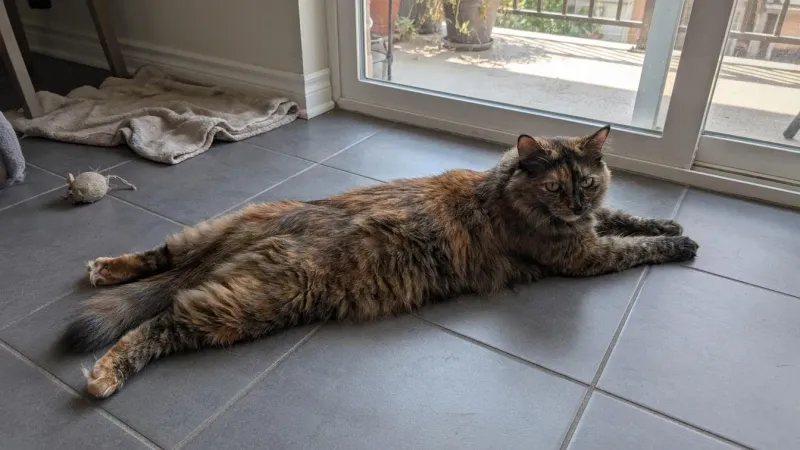
Splooting happens when a cat lies flat on their stomach with back legs stretched straight behind them like a frog and front arms extended forward. Cats use this wide, flat posture to cool down on warm wood or tile floors during sunny afternoons, and it also reflects loose hip joints and high confidence in their surroundings.
8The Monorail Desk Perch
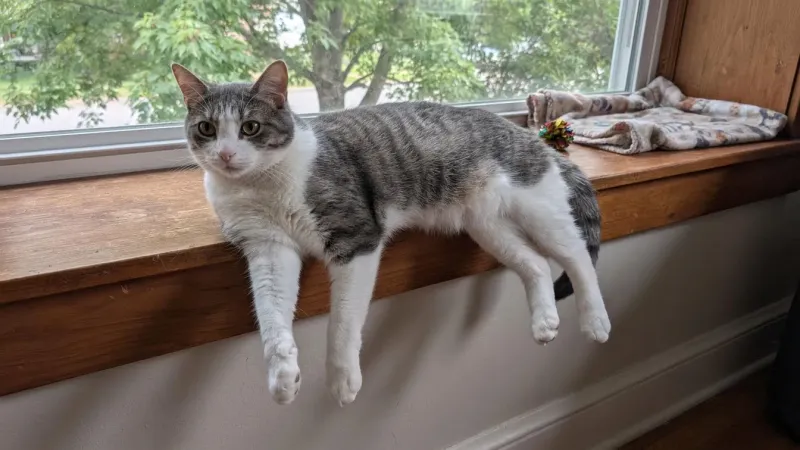
Draping the belly along a narrow armrest, windowsill, or low shelf with legs dangling down on both sides requires relaxed balance. A cat will not dangle their limbs freely if they expect to flee a sudden threat. Keep fragile mugs and open notebooks off narrow edges so your cat does not knock items down when shifting positions.
9The Back-to-Back Contact Nap
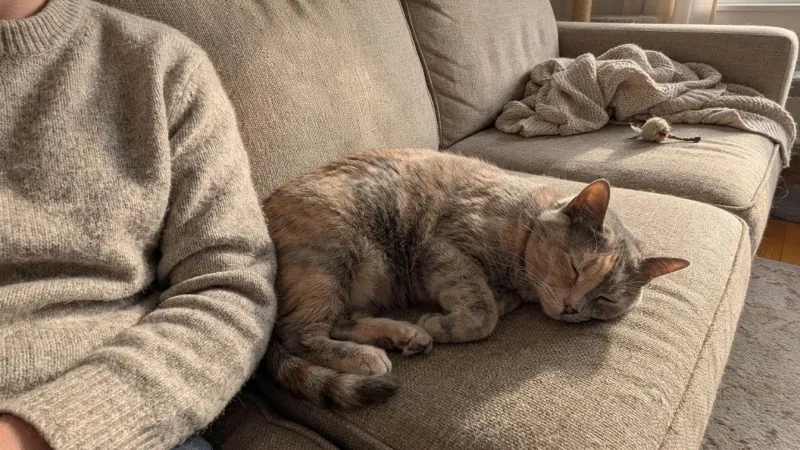
Pressing their spine firmly against your lower back, hip, or thigh while facing outward shows deep social bonding and mutual protection. In multi-cat colonies, trusted companions guard each other's blind spots while resting. When your cat sleeps anchored to you in your desk chair, they treat you as a reliable colony partner.
10The Lap Anchor Melt
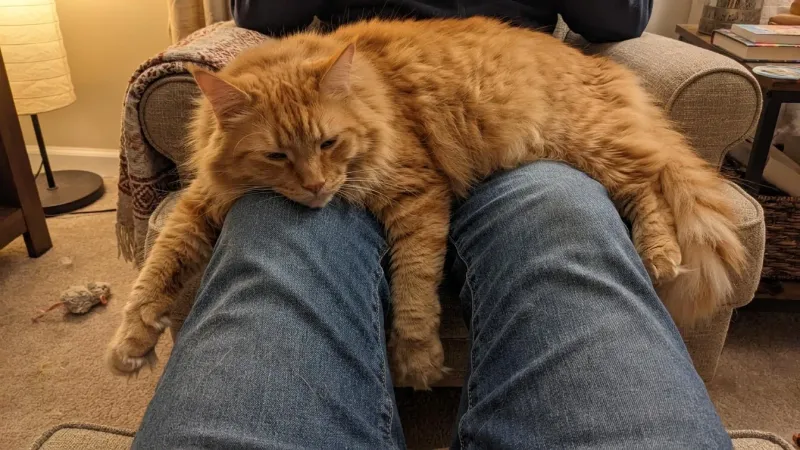
Going completely limp across your thighs with head hanging heavy signals full physical surrender and bonding with your scent and warmth. Cats who melt onto your lap during quiet typing sessions trust your hands to remain gentle. Keep a soft folded throw over your knees so shifting your legs causes minimal disruption.
11The Contorted Twist
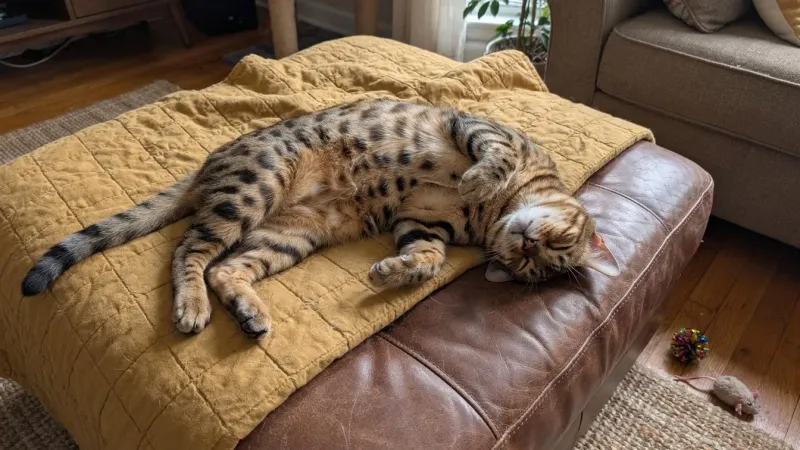
Sleeping with the front half of the body twisted one way and the back legs angled the opposite direction looks uncomfortable to humans, yet it shows total muscular release. Thanks to flexible feline spines and free-floating collarbones, cats only twist into pretzels when zero alertness is needed. Avoid waking them unless necessary.
12The Chin-Rested Sentry
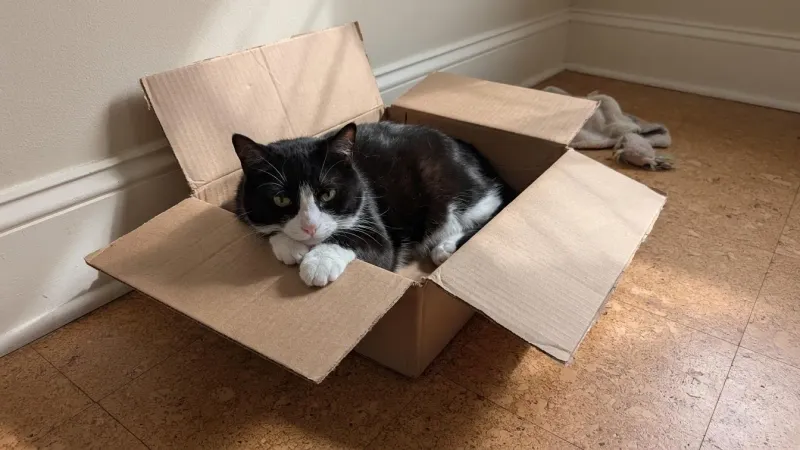
Resting the chin flat on top of crossed front paws or over the lip of a cardboard box keeps the head level with the room. Your cat's eyes may droop shut, yet their whiskers stay slightly forward and their ears remain upright. This posture is common when new delivery trucks arrive outside or unfamiliar voices echo on speakerphone.
13The Paw-Tucked Head Hang
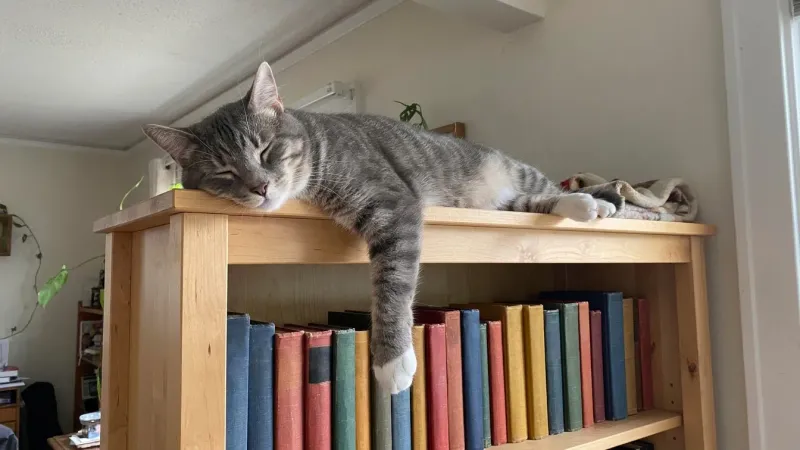
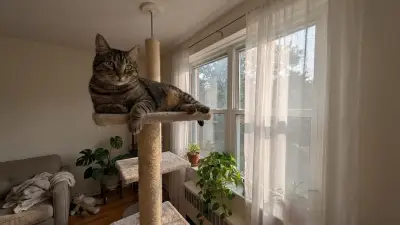
Sleeping on an elevated shelf or cat tree platform with the head or one front paw dangling limp over the edge shows deep muscular release at height. Elevation reduces ground-level stress in tight rooms, especially if a dog or active child shares the home. Teaching signs your cat wants space keeps high-perch naps peaceful.
14The Burrowed Cave Hideaway
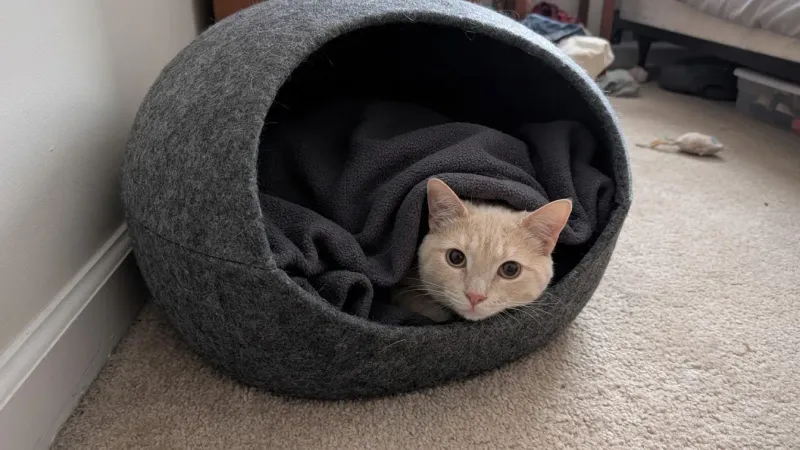
Crawling completely beneath a desk blanket, inside a covered cat cave, or behind a curtain blocks visual overload. While burrowing can simply mean your cat feels chilly, sudden or persistent hiding during work hours often indicates acoustic stress from loud calls or renovations. Offer a quiet, enclosed bed in a low-traffic corner.
15The Side-Sprawl Against a Wall
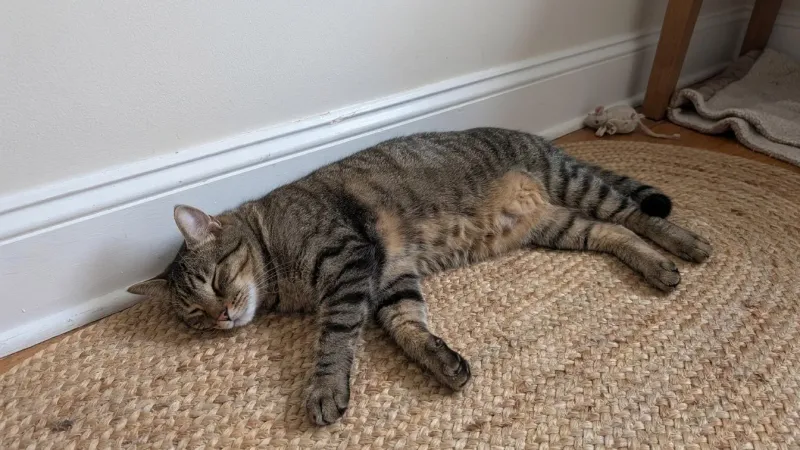
Sleeping stretched out on one side with the spine pressed flush against a baseboard or cabinet side protects a cat's blind spot while letting their belly and legs relax openly. Cats choose wall-backed napping spots near desks when they want physical boundary support without losing sight of the room. Keep rolling chair casters well clear of outstretched paws and tails.
How to Spot Sick or Painful Sleeping Postures
Sometimes a guarded sleeping pose points to physical discomfort rather than office noise. If a normally sprawling cat suddenly stays in a tight, rigid meatloaf tuck with squinted eyes, pinned ears, and a hunched back, they may be hiding pain, nausea, or fever.
Contact your veterinarian if a rigid, withdrawn posture lasts more than a day or appears alongside hiding under furniture, appetite loss, or labored breathing. Never give human pain relievers, as medications like acetaminophen and ibuprofen are highly toxic to cats.
Setting Up a Peaceful Office Sleep Zone
Keep cords out of reach and remove toxic office plants like peace lilies, pothos, and sago palms from desks and low shelves. A chewing cat can ingest hazardous leaves while waking up from a nap.
Give your cat an elevated vantage point away from rolling chair wheels by adding bookshelf cat trees suited for home offices. Senior cats or heavy breeds with stiff joints benefit from low-entry padded beds lined with warm, washable fleece rather than high perches.
Watching how your cat positions their paws, belly, and ears turns subtle office naps into clear feedback on how safe they feel beside you. Give them a warm, elevated spot away from chair wheels and loud speakers so both of you can enjoy a calmer workday.
Sources: Cornell Feline Health Center · International Cat Care · ASPCA
Frequently asked questions
What is the position of a sick cat sleeping?
A sick or painful cat often sleeps in a tight, rigid meatloaf crouch with a hunched back, lowered head, squinted eyes, and pinned-back ears. Unlike normal napping, their muscles stay tense, they may hide in dark corners, and they rarely stretch out on their side or back.
How to tell if a cat is strongly bonded to you?
A cat with a strong social attachment to you chooses to sleep pressed directly against your body, melts limp in your lap, or naps with their back turned toward you while trusting you to watch the room. Slow blinking before closing their eyes beside your desk is another clear sign of deep trust and companionship.
What does cat splooting mean?
Splooting occurs when a cat lies flat on their stomach with hind legs stretched straight behind them and front legs extended forward. Cats sploot to cool their bellies on smooth floors, stretch loose hip muscles, and rest comfortably when they feel completely secure in their environment.
What does a cat's body language look like when they lie down?
Before deep rest, a relaxed cat kneads gently, circles once or twice, and lowers their body smoothly with loose ears and soft, half-closed eyes. A guarded cat drops into a tight crouch with paws tucked firmly underneath, tail wrapped close, and ears swiveling toward every sound.
Nathan Brooks
Nathan Brooks runs Farmingzoom to help loving pet owners create safe, enriching homes for their animals. He cares deeply about responsible pet care and focuses on making everyday decisions simpler for fellow owners.…