Cat behavior problems in small apartments usually come down to unmet territorial needs, pent-up energy, or stress rather than spite. When a cat yowls at 3:00 AM, scratches rental doors, or knocks breakables off shelves, they are communicating boredom or frustration in a tight space.
Because apartment living means thin walls, limited square footage, and strict lease rules, traditional fixes like drilling wall shelves are rarely an option. Below are 16 practical, damage-free solutions that satisfy your cat's natural instincts, quiet nighttime noise, and keep your security deposit intact.
1Install Tension-Rod Floor-to-Ceiling Cat Trees
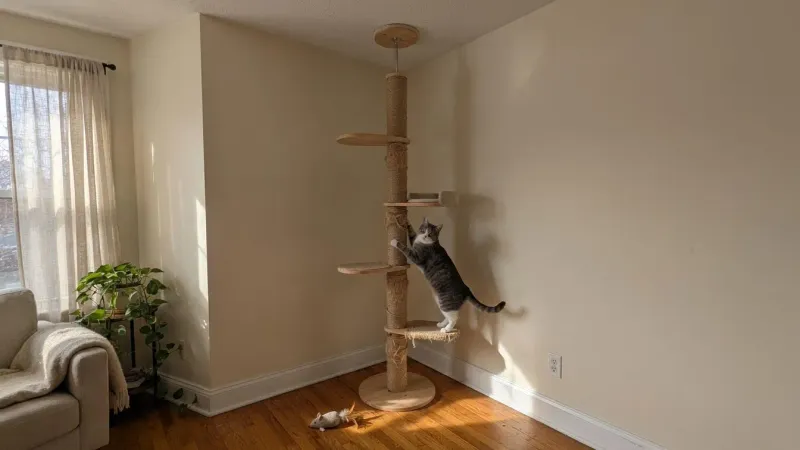
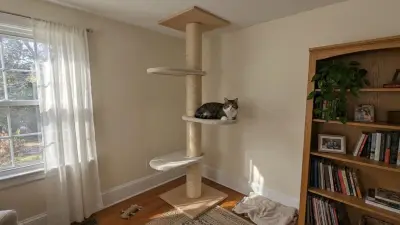
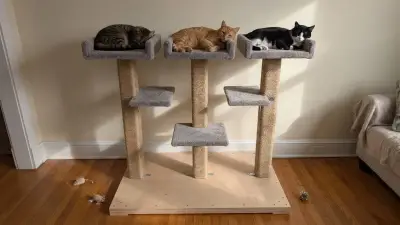
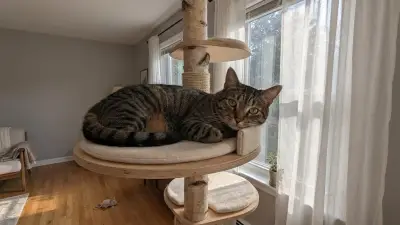
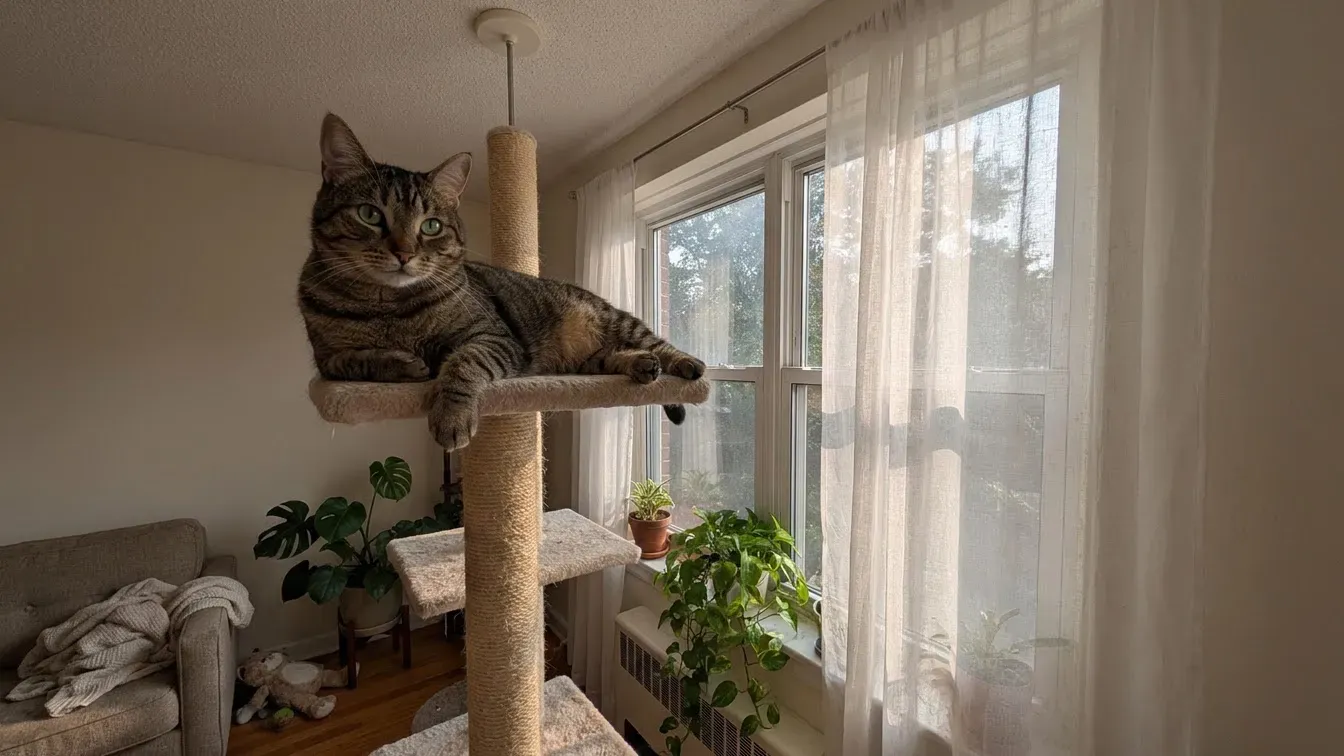
Cats feel safer and less territorial when they can survey their home from above. A floor-to-ceiling tension cat tree wedges securely between your floor and ceiling without a single screw, giving your cat vertical territory while protecting rental drywall. Place it near a main living area window so your cat can watch outdoor movement instead of pacing the hallway. If you want more damage-free climbing ideas, browse these no-drill wall-mounted and wall-hugging cat tree ideas built specifically for renters.
2Run Two Daily Hunt-Catch-Eat Play Sessions
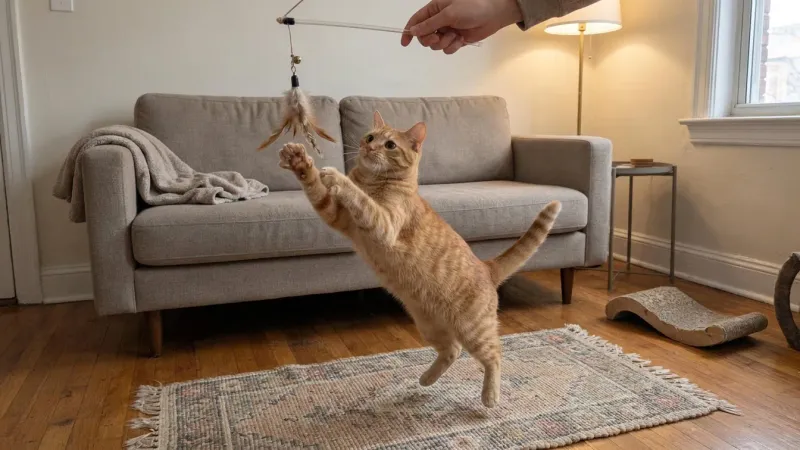
Boredom destruction happens when indoor cats have no outlet for their natural hunting drive. Schedule two 15-minute interactive play sessions every day using a feather wand or fabric ribbon toy, miming the erratic movement of a bird or mouse. End the final session right before your bedtime, then immediately serve your cat's evening meal. Completing the natural hunt, catch, kill, and eat cycle triggers a full stomach and deep sleep, cutting down on midnight zoomies and thin-wall noise.
3Apply Removable Scratch Guards to Doors
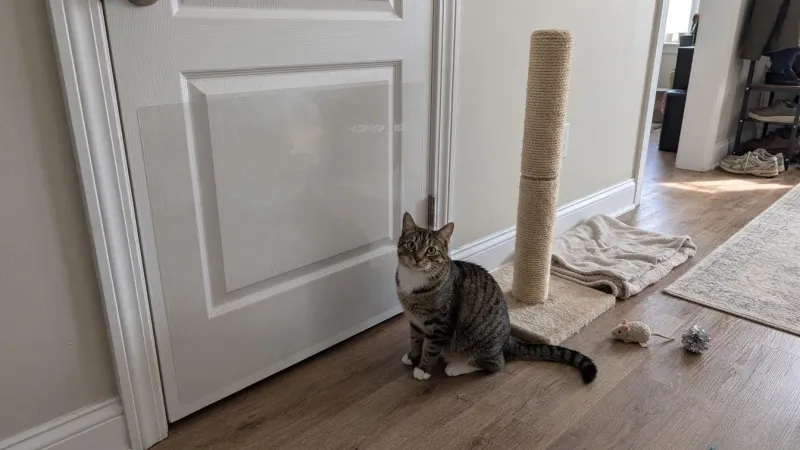
Closed doors frustrate territorial cats, often leading to shredded trim and clawed wood that cost you your security deposit. Protect vulnerable door frames and lower panels with clear, removable adhesive scratch shields made for pet owners. Pair each guard with a sturdy sisal scratching post placed directly beside the door frame. Reward your cat with praise or a small treat whenever they choose the post over the door, redirecting the behavior without damaging rental finishes.
4Use Automated Timed Feeders for Dawn Hunger
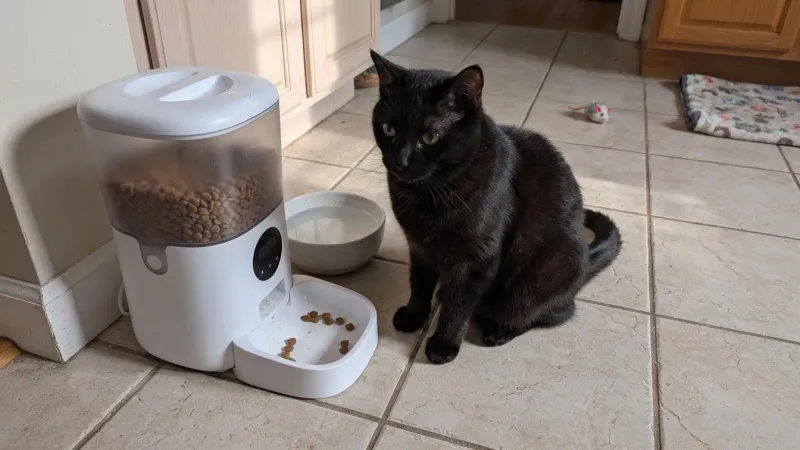
Many apartment cats yowl outside bedroom doors at 4:00 AM simply because their stomachs are empty and they associate your waking up with breakfast. Set a standard automated timed feeder with dry kibble—or use a refrigerated or ice-pack-equipped feeder if serving wet food so it does not spoil overnight—to dispense a small portion 30 minutes before your cat normally starts crying. Separating food delivery from your physical presence breaks the habit of waking you up, giving both you and your neighbors uninterrupted morning sleep.
5Replace Food Bowls With Puzzle Feeders
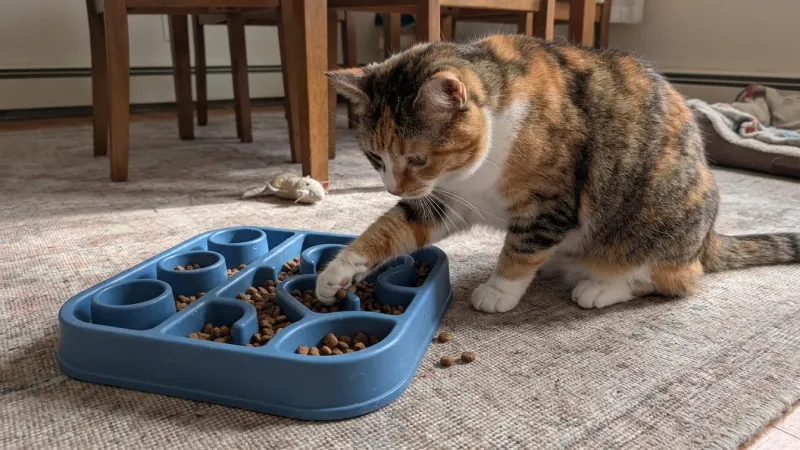
Eating from an open bowl takes less than two minutes, leaving an apartment cat with hours of empty time to knock objects off counters. Swap standard bowls for puzzle feeders, treat-dispensing balls, or snuffle mats during daytime meals. Foraging for kibble forces your cat to bat, paw, and problem-solve, burning mental energy that would otherwise go toward destructive habits while you are at work.
6Create a Suction-Cup Window Birdwatching Perch
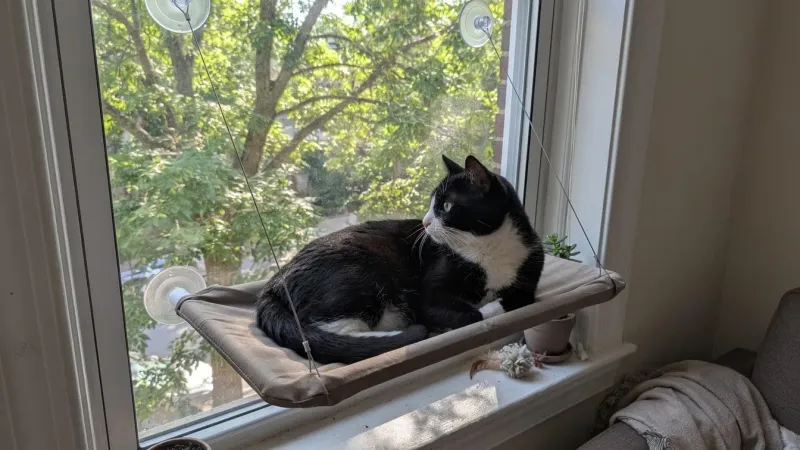
A window perch turns glass into live entertainment without taking up precious apartment floor space. Attach a heavy-duty suction-cup window hammock to a sunny pane and hang a bird feeder outside if your building rules allow it, or face the perch toward a tree-lined street. Watching birds, squirrels, and falling leaves keeps indoor cats mentally engaged for hours, reducing restless pacing and daytime vocalization.
7Place Heavy Cardboard Scratchers in Key Traffic Zones
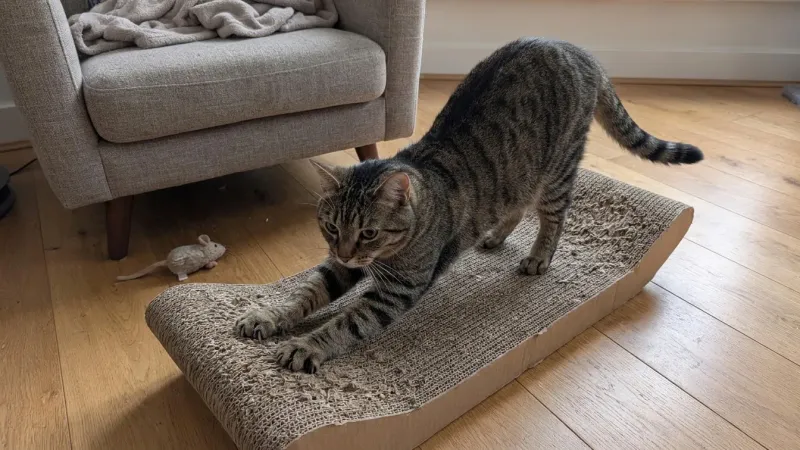
Cats scratch to stretch their muscles and leave visual and scent marks in socially important areas, not just tucked-away corners. Place wide, heavy corrugated cardboard scratchers along main walkways, near the sofa, and beside your bed. Sprinkle a pinch of dried catnip or silvervine onto new scratchers to draw your cat in immediately, saving your furniture and rental carpeting from frayed threads.
8Secure Breakables With Removable Museum Putty
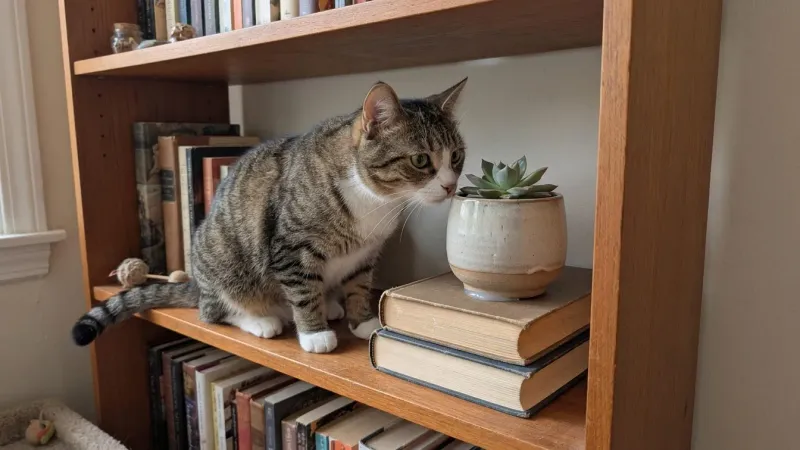
Knocking items off nightstands and bookshelves is often a learned way to get your attention or relieve sheer boredom. While you build better play routines, anchor lightweight decor, mugs, and electronics to flat surfaces using a pea-sized dab of removable museum putty. The clear gel holds objects steady against curious paws and peels off cleanly without staining wood, glass, or laminate shelves.
9Use Over-the-Door Hanging Cat Climbers
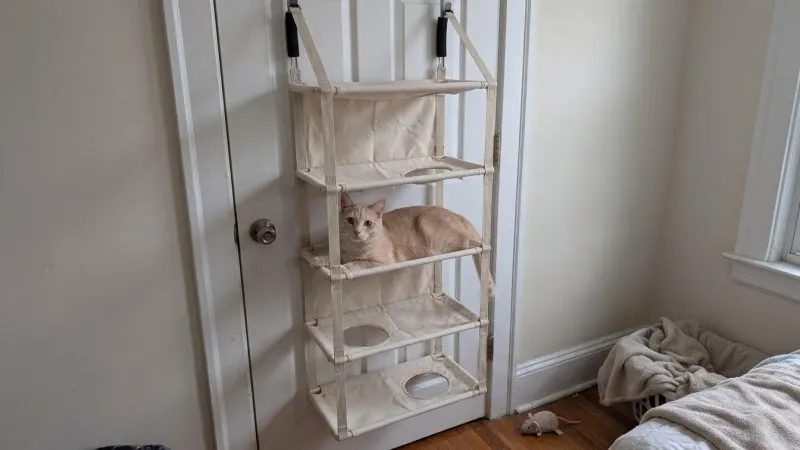
When your apartment lacks floor space for bulky furniture, turn unused interior doors into vertical playgrounds. Over-the-door cat trees hook cleanly over the top edge of a standard bedroom or closet door using padded brackets that prevent paint scuffs. Multiple carpeted ledges let your cat climb, nap, and observe the room from high up without leaving a mark when you move out.
10Add Foam Door Silencers to Stop Night Rattling
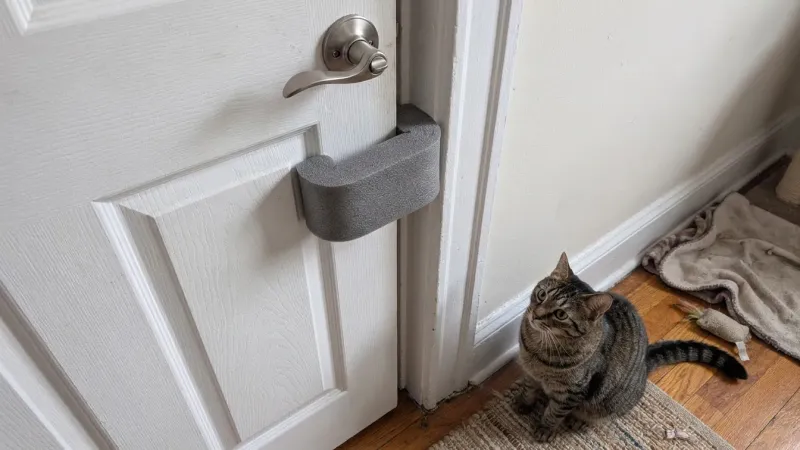
Cats often paw at closed bedroom or bathroom doors at night, causing loose latches to rattle loudly against the strike plate. Slip soft foam or silicone door silencers over the latch and adhesive felt bumpers onto the door frame to absorb impact noise. If you want to keep a room accessible without leaving the door wide open, consider one of these practical cat door blocker solutions that prevent door slamming.
11Rotate a Weekly Toy Bin to Prevent Habituation
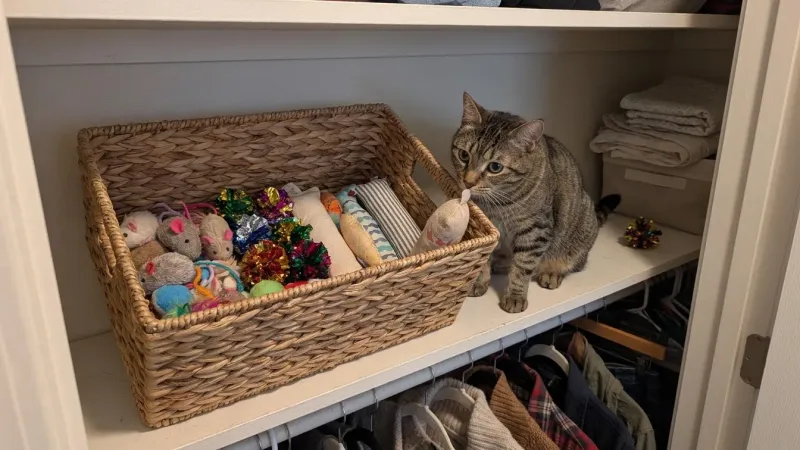
Leaving the same twenty toys scattered across your living room floor quickly makes them invisible to your cat. Divide your cat's toys into three or four small batches and store the extras in a sealed bin out of sight. Swap out five or six toys every Monday morning so familiar crinkle balls, plush mice, and kicker toys feel brand new again, sparking independent solo play without extra spending.
12Grow a Pet-Safe Indoor Grass Station
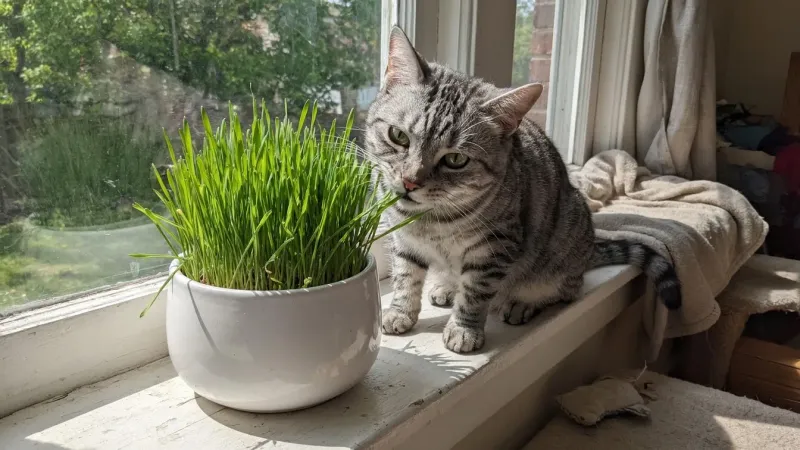
Indoor cats frequently chew houseplants or plastic cords out of boredom or a craving for fresh greenery. Plant a shallow, heavy ceramic pot with pet-safe wheatgrass, oat grass, or barley grass on a sunny windowsill or small balcony. Offering a dedicated chewing outlet keeps curious cats away from dangerous household items, and you can explore more balcony cat grass planter ideas for compact spaces.
13Redirect Entryway Scratching With Double-Sided Tape and Posts
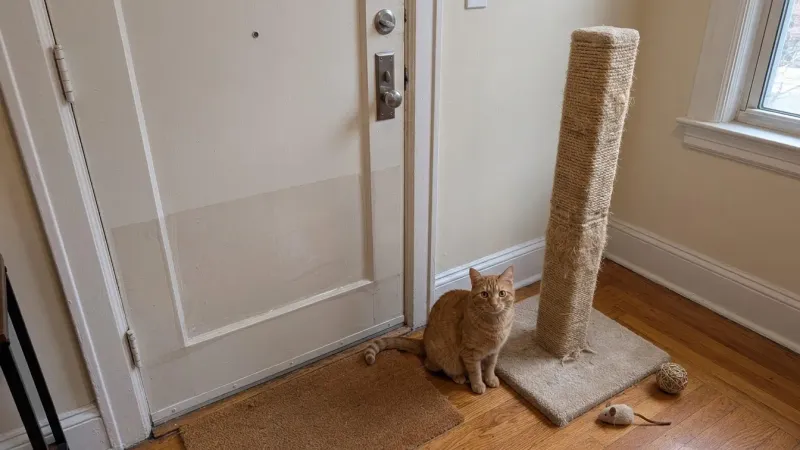
If your cat scratches your front apartment door or cries in the entryway, apply pet-safe double-sided sticky tape to the lower door surface so paws feel a gentle, unpleasant tackiness without startling noises or sprays. Immediately beside the entryway, set up a tall, sturdy sisal scratching post and reward your cat with treats whenever they scratch it. Positive redirection satisfies territorial marking stress-free while keeping rental doors intact.
14Place Large Open-Top Litter Boxes in Quiet Corners
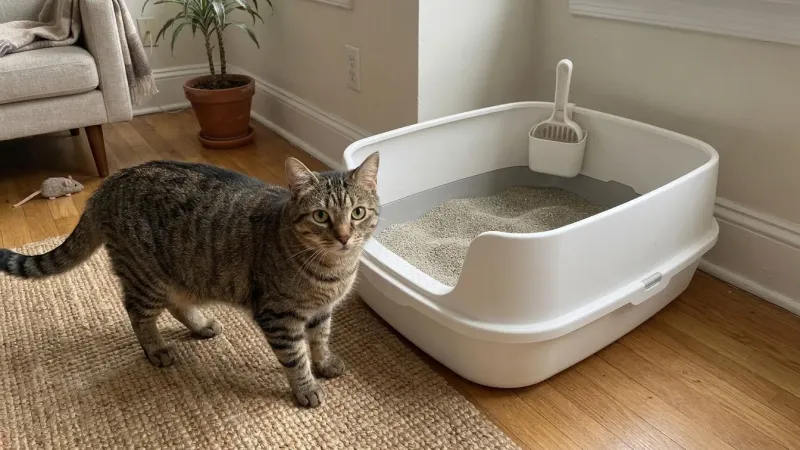
In a small rental, placing a litter box near a noisy washing machine or high-traffic hallway can cause stress-related avoidance, and enclosed or top-entry boxes can worsen the issue by trapping odors and blocking sightlines. Instead, place a large, open-top litter box in a quiet, accessible corner away from food and water bowls so your cat feels safe and unobstructed. For clever ways to keep boxes discreet without altering doors, check these interior cat door ideas for small apartments.
15Plug In Synthetic Feline Pheromone Diffusers
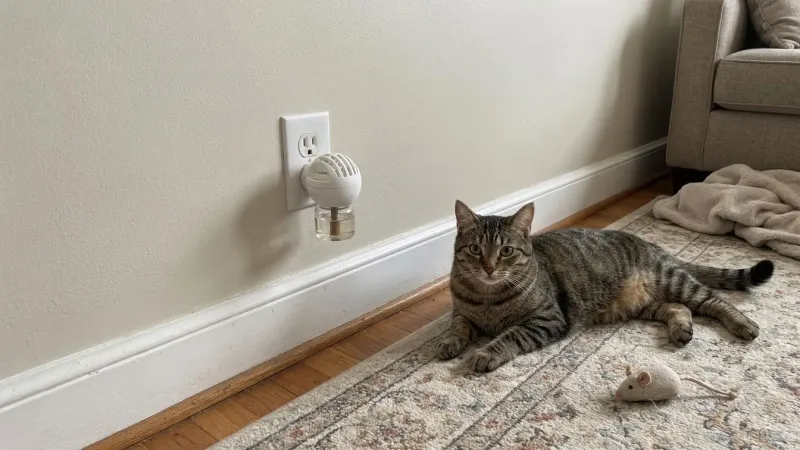
Thin apartment walls carry hallway footsteps, elevator dings, and neighbor conversations straight into your cat's territory, triggering anxious yowling and scratching. Plug a synthetic feline facial pheromone diffuser into an outlet in the room where your cat spends the most time. These odorless signals mimic the calming scent cats leave when rubbing their cheeks on furniture, easing territorial tension in compact living quarters.
16Protect Box Springs While Keeping Under-Bed Hiding Accessible
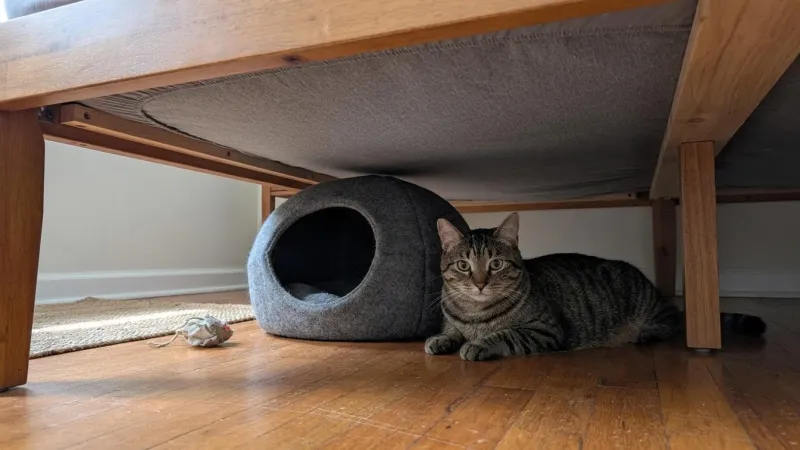
Blocking a fearful cat's primary hiding spot under the bed can spike anxiety and trigger defensive aggression or litter avoidance in a noisy apartment. Keep the under-bed safe zone open so your cat can retreat when overwhelmed, while stretching an inverted fitted sheet or breathable fabric cover tightly over the underside of the box spring to prevent fabric clawing. Pair this safe retreat with a cozy covered cat cave in a quiet corner for extra security.
When Small-Space Behavior Signals a Health Issue
While boredom explains most nighttime yowling and scratching, sudden behavioral shifts can point to underlying pain or illness. If your cat suddenly starts urinating outside the litter box, hiding constantly, overgrooming bald patches, or crying out in distress, schedule a veterinary exam right away.
Young, high-energy breeds like Bengals or Siamese often need more active play in tight quarters than laid-back breeds, while senior cats may yowl at night due to cognitive changes or joint stiffness. Always rule out medical causes before treating a sudden habit as purely behavioral.
Common Renter Mistakes That Worsen Cat Stress
Responding to nighttime yowling by getting out of bed to feed or scold your cat quickly teaches them that crying brings instant attention. Similarly, using loud noises or water sprays increases anxiety in a small flat where your cat has nowhere to retreat.
Keep toxic houseplants like lilies, pothos, and sago palms completely out of reach when adding indoor greenery, and store string, hair ties, and small plastic toys in closed drawers after play sessions so a bored cat cannot swallow them overnight.
Small apartments do not cause cat behavior problems on their own—unmet climbing, hunting, and territorial needs do. Start with two or three fixes that match your cat's worst habit, such as adding a tension-rod tree, scheduling evening wand play, and protecting door frames. Consistent daily routines and vertical outlets quickly turn a restless rental cat into a calm, quiet roommate.
Sources: Cornell Feline Health Center · International Cat Care · ASPCA
Frequently asked questions
Why does my cat yowl at night in our small apartment?
Nighttime yowling usually stems from pent-up daytime energy, early-morning hunger, or anxiety from hallway noises heard through thin walls. Tire your cat out with a 15-minute interactive play session right before bed, follow it with a meal, and use a timed feeder for early morning snacks. If vocalization starts suddenly in an older cat, consult your veterinarian.
How can I add vertical space for my cat without drilling into rental walls?
Use floor-to-ceiling tension-rod cat trees that brace safely against the ceiling, over-the-door hanging cat climbers with padded brackets, or heavy-duty suction-cup window perches. You can also clear the top of a sturdy bookcase and add a non-slip mat so your cat has an elevated lookout without leaving a single screw hole.
How do I stop my cat from scratching my apartment door frame?
Cover the lower door frame and panel with clear, removable adhesive scratch guards so claws slide off harmlessly. Immediately place a tall, sturdy sisal scratching post right beside the door to give your cat an approved target, and reward them with praise or treats whenever they use the post instead of the woodwork.
How much playtime does an indoor apartment cat need each day?
Most adult indoor cats need at least two 10-to-15-minute sessions of active, interactive play every day using wand toys that mimic prey. High-energy young cats or active breeds may need three sessions plus daytime puzzle feeders to prevent boredom behaviors like knocking items off shelves.

Nathan Brooks
Nathan Brooks runs Farmingzoom to help loving pet owners create safe, enriching homes for their animals. He cares deeply about responsible pet care and focuses on making everyday decisions simpler for fellow owners.…