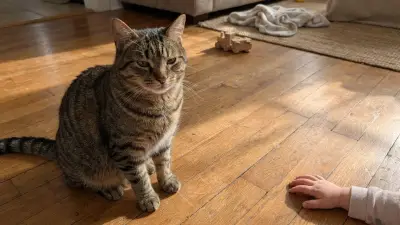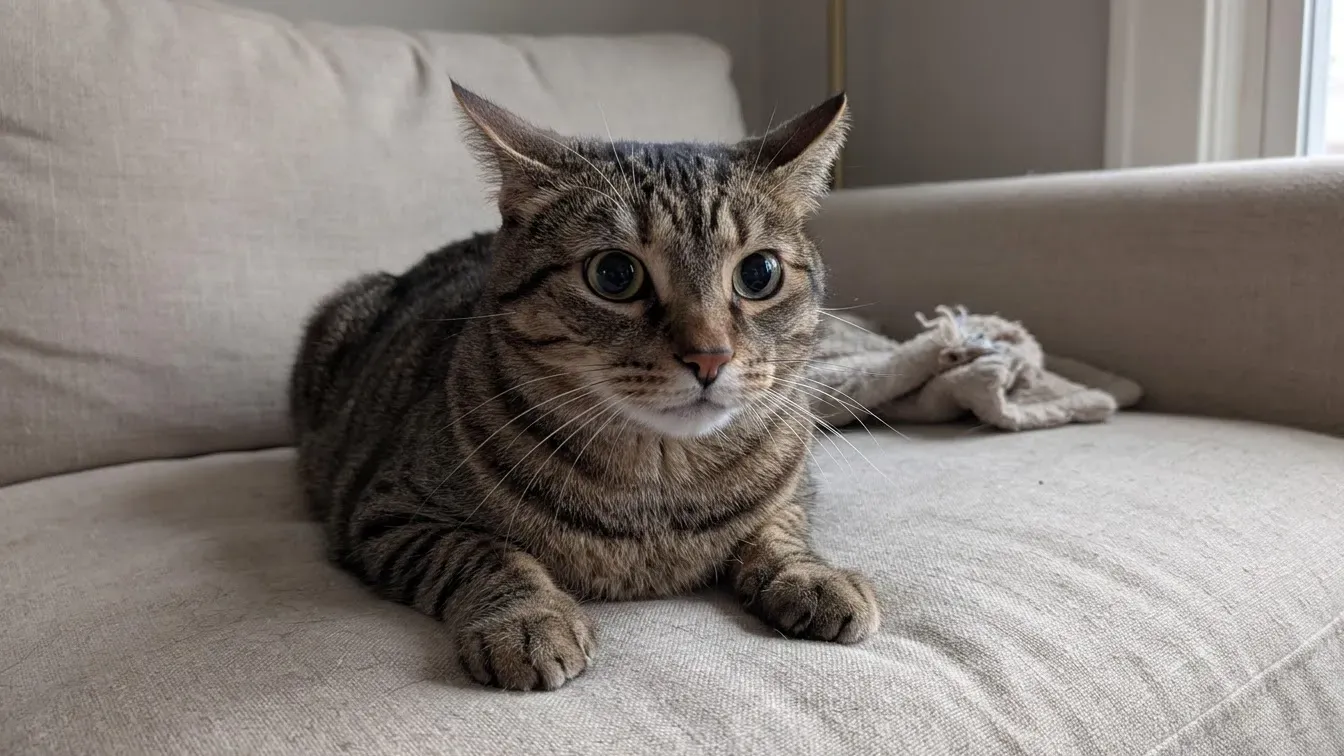
Cat body language before biting usually starts with quiet, subtle shifts—a flicking tail tip, rotating ears, or rippling skin along the back—rather than a loud growl or bark. If you spent years living with dogs, these small feline signals are easy to miss until your cat suddenly grabs your hand.
Dogs typically tolerate long, full-body petting sessions and communicate discomfort with obvious, escalating warnings. Cats have a much lower touch threshold and rely on silent visual cues to ask for space. Learning to spot these early signs of petting overstimulation lets you pull your hand back while your cat is still relaxed, keeping every interaction safe and pleasant.
Why Former Dog Owners Miss Early Cat Warning Signs
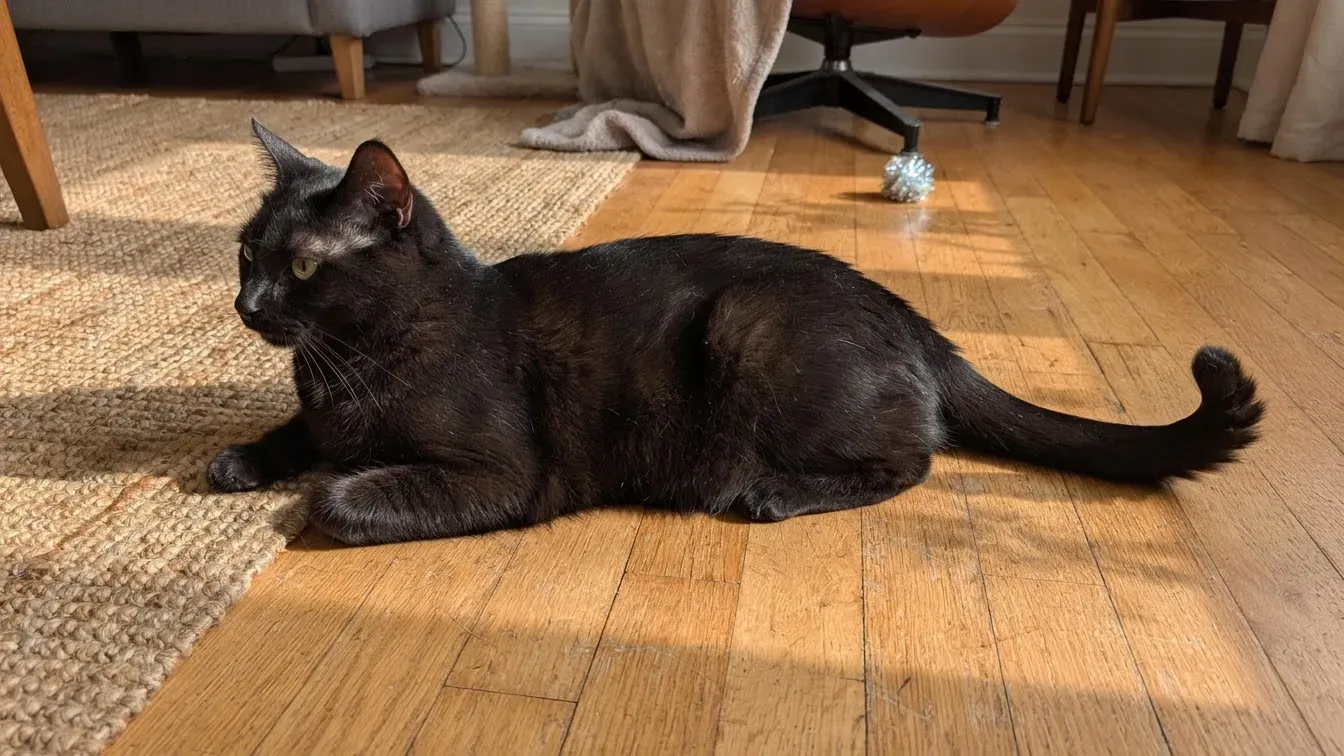
Transitioning from dogs to cats requires retraining your instincts around physical affection. Most dogs thrive on sustained, vigorous petting down the spine, belly rubs, and close physical pressure. When a dog wants you to stop, they often move away, yawn, lick their lips, or offer a low rumble long before snapping.
Cats operate on a much shorter sensory timer. Repetitive stroking overwhelms sensitive nerve endings and hair follicles in a cat's skin, quickly turning a pleasant sensation into an irritating one. Because cats are solitary hunters as well as small predators, they conserve energy by using minimal movement to communicate. A cat rarely barks or backs away first; instead, they freeze and deliver micro-signals while hoping you notice. If you keep petting past those signals, a quick nip is often their only remaining way to end the contact.
| Body Signal | What It Means in a Dog | What It Means in a Cat |
|---|---|---|
| Wagging or flicking tail | A loose, sweeping wag signals friendliness or excitement; stiff or high wagging indicates tension | Rising tension, irritation, or overstimulation |
| Rolling onto back | Submission and request for a belly rub | Trust or defensive readiness; rarely a belly-rub invite |
| Dilated pupils | Playfulness or high energy | Fear, arousal, or sudden sensory overload |
| Sudden stillness | Focus on a toy or sound | Warning freeze right before a swat or bite |
Subtle Overstimulation Cues During Petting Sessions
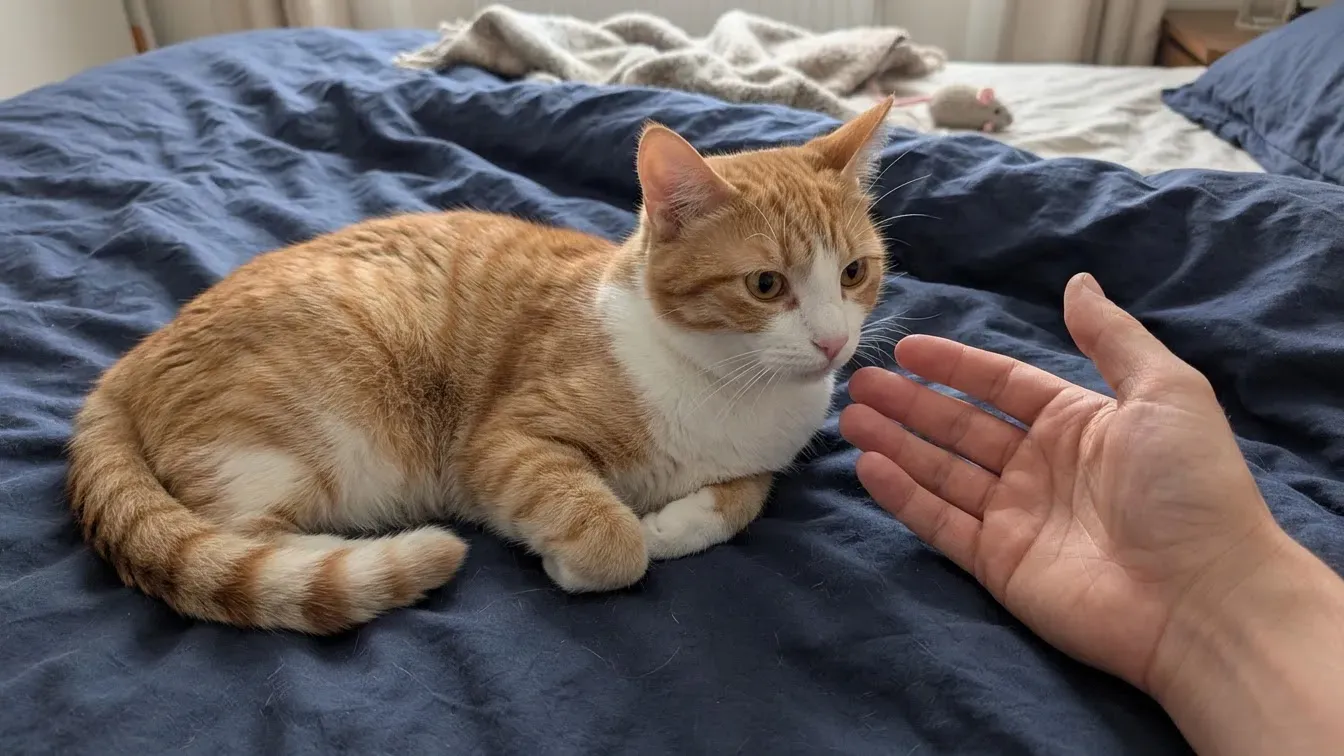
Long before a cat flattens their ears or hisses, their body broadcasts early signs that their touch threshold is nearly full. Watching for these quiet shifts helps you end a petting session on a positive note.
- Tail-tip twitches: A relaxed cat holds their tail still or drapes it loosely. Once the very tip starts tapping, flicking, or thumping against the floor or couch, irritation is building.
- Skin rippling: Look at the fur along your cat's lower back just above the base of the tail. If the skin twitches or rolls in waves under your hand, their nerves are overstimulated.
- Ear rotation: Before ears flatten completely, they swivel slightly outward or backward toward your hand to track it with caution.
- Sudden grooming: A cat that abruptly stops purring to lick their shoulder or front leg for two seconds is often trying to self-soothe and release tension.
- Head turns toward your hand: If your cat stops leaning into your fingers and turns their head to stare directly at your wrist, they are measuring distance for a warning nip.
If you share a home with children who are also learning these cues, reading a cat body language guide for kids helps everyone in the household respect the same early stop signals.
Late-Stage Angry and Defensive Body Language
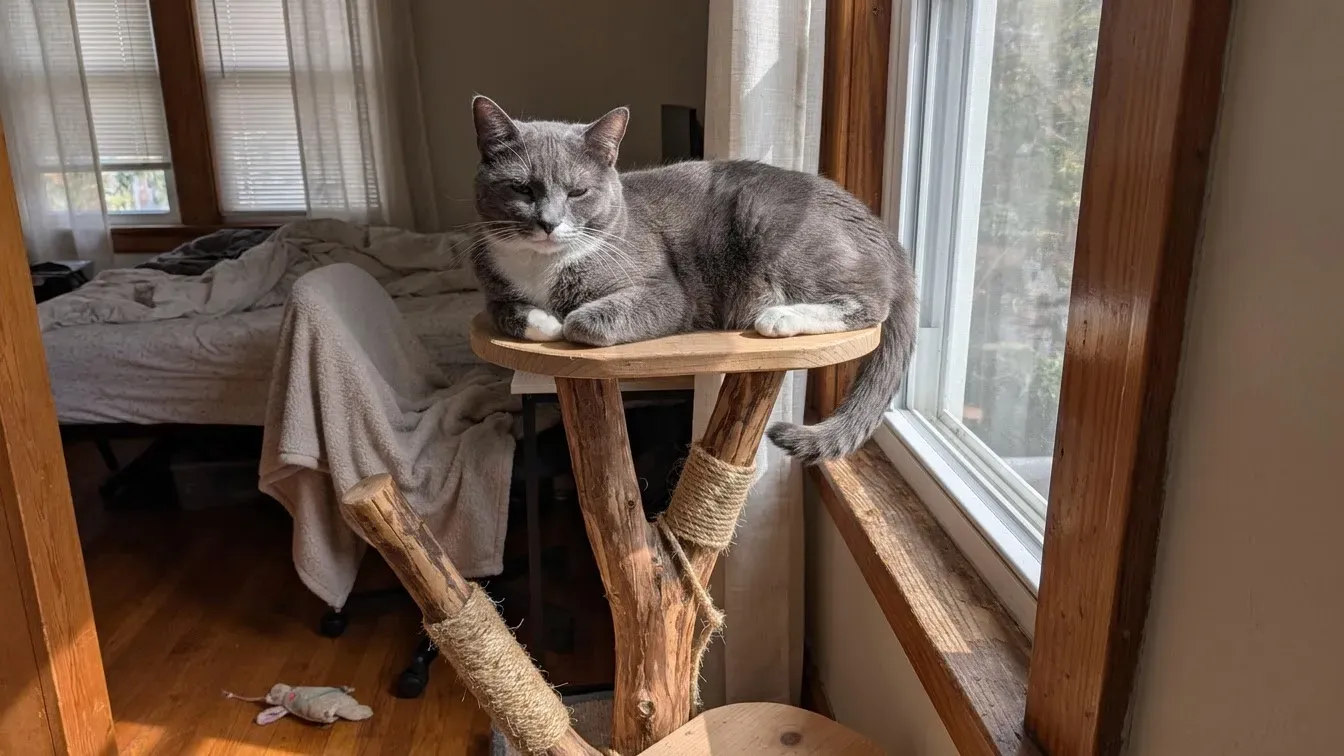
When early overstimulation warnings go unnoticed—or when a cat feels cornered or frightened—their posture shifts from subtle tension to clear defensive or offensive readiness. Recognizing these late-stage signals tells you to freeze and give your cat an immediate exit route.
- Flattened airplane ears: Ears pressed flat and sideways against the head—often called airplane ears—protect delicate cartilage during a fight and signal high anger or fear.
- Dilated pupils: Even in a bright room, black pupils expand wide to take in maximum visual detail before a strike.
- Bristled, puffed, or tucked tail: Unlike a smooth, unbristled upright tail—which is a friendly greeting—a bristled, puffed-up tail (whether held high or arched) or a tail tucked tightly under the belly signals fear and aggression.
- Arched back or crouched tuck: An arched back with raised fur makes the cat look larger to deter a threat, while a low crouch trying to look smaller signals defensive fear.
- Low growls and hisses: Vocal warnings like a deep growl, yowl, or sharp hiss usually come after visual cues have already failed to make the threat back off.
Never try to soothe, hold, or punish a cat showing these postures. Attempting to pet or comfort an agitated cat confirms their fear and almost guarantees a bite or scratch.
How Age, Breed, and Past Habits Affect Bite Thresholds
Not every cat has the same tolerance for handling, and age plays a major role in how quickly a bite happens. Young kittens and adolescent cats between six months and two years old have the highest play drive and lowest impulse control. During this stage, overstimulation during petting often flips straight into rough wrestling, where the cat grabs your wrist with front claws and kicks with back legs.
Senior cats face a different trigger: hidden physical pain. Older cats frequently develop arthritis in their spine, hips, or shoulders. A stroke down the back that felt fine a year ago can cause sharp discomfort today, triggering an instant defensive snap without much warning. If you are bringing a new cat into a quiet household, exploring calm cat breeds for first-time owners can help you understand natural temperament differences, though every individual cat still sets their own boundaries.
Where and How to Pet a Cat Without Triggering a Bite
Replacing dog-style full-body strokes with targeted feline petting dramatically reduces biting. Cats have concentrated scent glands around their face and head, making those areas pleasant to touch, while their lower back, belly, and tail base are far more sensitive.
- Let the cat initiate contact: Extend one relaxed finger near your cat's nose and wait. If they rub their cheek against your hand, they are inviting a brief pet.
- Stick to the head and cheeks: Gently scratch under the chin, behind the ears, and along the cheeks. Avoid long strokes down the spine toward the base of the tail.
- Follow the five-second rule: Pet for three to five seconds, then pause and pull your hand slightly back. If your cat leans back into your fingers, continue for another few seconds. If they stay still or look away, the session is over.
- Keep bellies off-limits: When a cat rolls onto their back, they are showing trust, not asking for a tummy rub. Reward that trust with a gentle chin scratch instead.
What to Do Right Before and After a Cat Bites
If you spot a tail flick, skin ripple, or rotating ears mid-pet, stop moving your hand immediately. Slowly lift your fingers away without jerking back, stand up calmly, and walk away so your cat has clear space to decompress. Giving your cat high vertical perches—such as wall-mounted cat trees—also gives them a safe retreat whenever household activity feels overwhelming.
If a cat does bite your hand, resist the urge to yank your arm away, as sudden movement triggers their prey-grabbing reflex and deepens punctures. Instead, hold your hand completely still until the cat loosens its grip, or use a nearby pillow, towel, or toy to gently redirect the cat away rather than pushing into its mouth, then withdraw calmly. Never yell, tap their nose, or spray water, which creates fear-based aggression.
Medical and veterinary note: Wash any cat bite immediately with warm water and soap, and contact a doctor promptly, as cat teeth carry bacteria deep under the skin that can cause fast-spreading infections. Schedule a veterinary exam if a normally gentle cat suddenly begins biting during routine petting, since underlying pain, dental disease, or skin allergies often cause sudden aggression.
Reading cat body language before biting comes down to slowing your hands and watching for small changes in tail motion, ear angle, and back skin. Once you trade long dog-style petting sessions for brief cheek scratches and frequent pauses, your cat will feel safe, respected, and eager to stay close by without needing teeth to set boundaries.
Sources: Cornell Feline Health Center · ASPCA · International Cat Care
Frequently asked questions
Why does my cat purr right before biting me?
Cats purr both when content and when trying to self-soothe rising tension or sensory overload. During petting, a purring cat may suddenly reach their touch threshold, showing a quick tail twitch or ear shift right before delivering a warning nip to make your hand stop.
What calms down an aggressive or overstimulated cat?
Giving an overstimulated cat complete physical space in a quiet room is the fastest way to calm them down. Stop touching, avoid eye contact, speak softly or stay silent, and let them retreat to an elevated perch or hiding spot until their tail and pupils return to normal.
At what age are cats the most aggressive?
Cats commonly display the most play-related biting between six months and two years old, when adolescent energy is high and bite inhibition is still developing. Senior cats over ten years old may also show increased defensive biting due to undiagnosed arthritis or age-related pain.
Why does a wagging tail mean anger in cats instead of happiness?
Unlike dogs that wag their tails to express social excitement, cats move their tails to balance and focus during hunting or conflict. A twitching, lashing, or thumping tail indicates nervous energy, frustration, or sensory overstimulation that often precedes a swat or bite.

Nathan Brooks
Nathan Brooks runs Farmingzoom to help loving pet owners create safe, enriching homes for their animals. He cares deeply about responsible pet care and focuses on making everyday decisions simpler for fellow owners.…