Time needed
1 h 30 min
What you need
- 4 untreated cedar fence pickets (6 feet long by 5.5 inches wide)
- 1 box of 1.25-inch exterior-grade wood screws
- 1 piece of permeable landscape fabric (30 by 24 inches)
- 120-grit sandpaper
- 2 bags of untreated organic potting mix (about 16 quarts each, 32 to 35 quarts total)
- 1 cup of organic oat, wheat, or barley cat grass seeds
- Tape measure and pencil
- Hand saw
- Cordless drill with 1/8-inch drill bit and driver bit
- Screwdriver
- Staple gun with 3/8-inch staples
Tools
- Tape measure and pencil
- Hand saw or miter box
- Cordless drill with 1/8-inch drill bit and driver bit
- Corner clamp (optional for easier alignment)
- Staple gun with 3/8-inch staples
- Utility knife or scissors
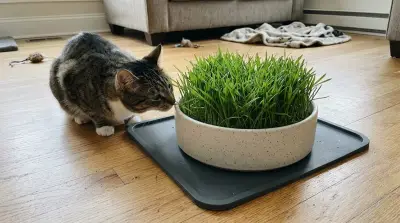
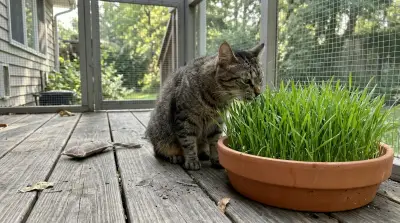
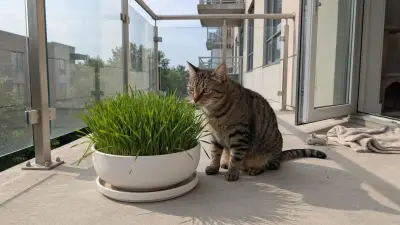
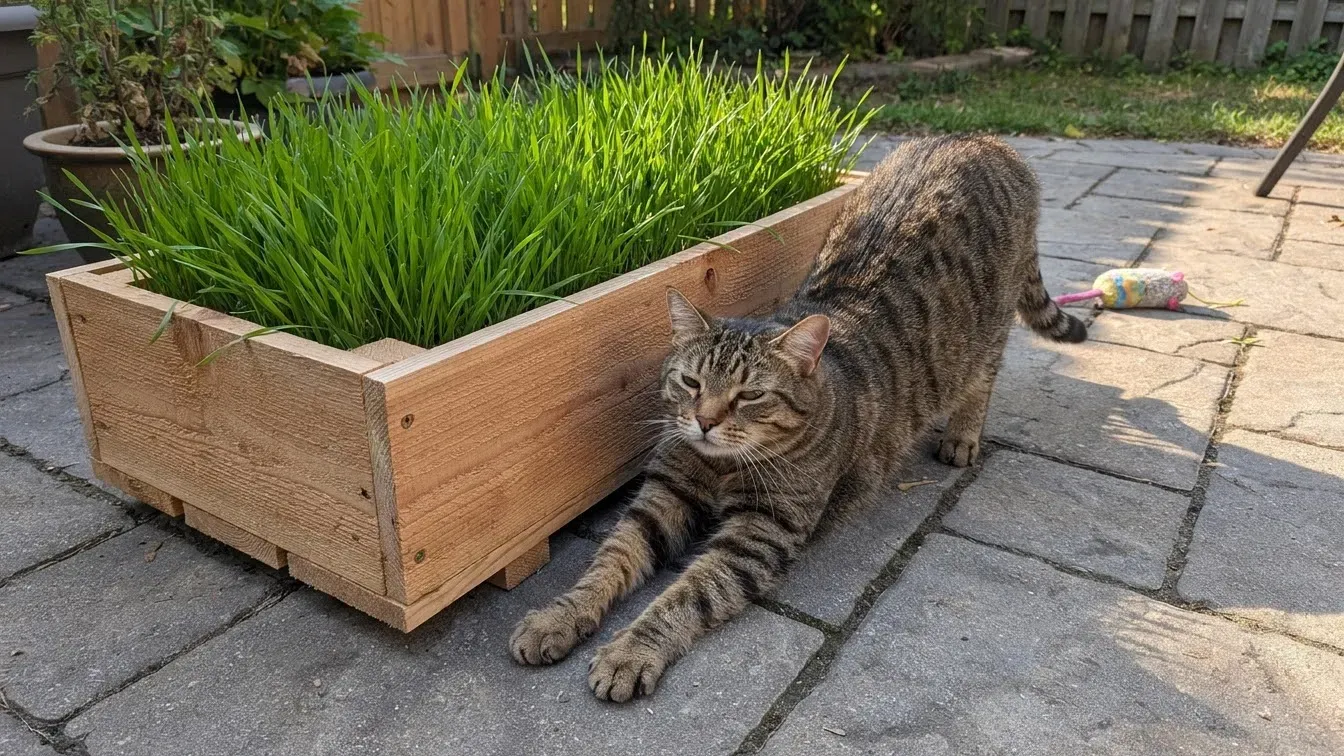
You can build a sturdy, weather-resistant DIY outdoor cat grass box in a single afternoon using four untreated cedar fence pickets, basic hand tools, and pet-safe potting soil. Unlike flimsy plastic trays or expensive store-bought kits, a custom wooden frame holds enough soil to stay cool in summer sun and wide enough for your cat to stretch out and nap.
Fresh grass supports natural digestion and gives indoor-outdoor or catio cats a safe alternative to toxic yard plants. Follow the steps below to cut, assemble, line, and plant a low-cost grazing patch that lasts for months.
- 1
Measure and cut the untreated cedar boards
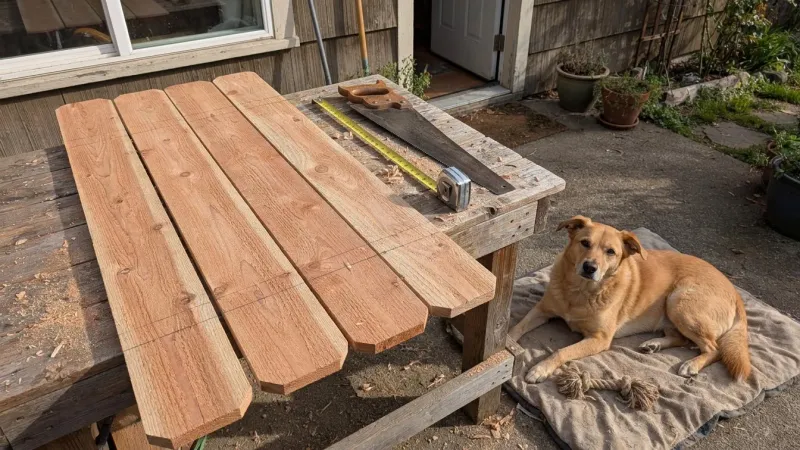
Lay out four 6-foot untreated cedar fence pickets (each roughly 5.5 inches wide and 5/8 inch thick) on a sturdy workbench or sawhorse. Use a tape measure and pencil to mark four 18-inch planks for the bottom slats, two 24-inch pieces for the front and back walls, and two 16.75-inch pieces for the left and right ends. Cut along your marks with a hand saw, keeping the blade square so the corners meet cleanly.
- 2
Sand rough edges and splinters
Wrap a sheet of 120-grit sandpaper around a sanding block and smooth every cut end and top rim. Pay extra attention to the upper edges where your cat will rest its chin, paws, and belly while lounging. Wiping away sawdust with a dry cloth afterward prevents splinters and prepares the wood grain for assembly.
- 3
Assemble the outer rectangular frame
Stand the two 24-inch side boards and two 16.75-inch end boards on edge to form a 24-by-18-inch outer rectangle. Hold each corner tight with a corner clamp, drill two pilot holes with a 1/8-inch bit to prevent the thin cedar from splitting, and drive two 1.25-inch exterior wood screws per corner. Check that the frame sits flat without wobbling.
- 4
Attach the bottom slats with drainage gaps
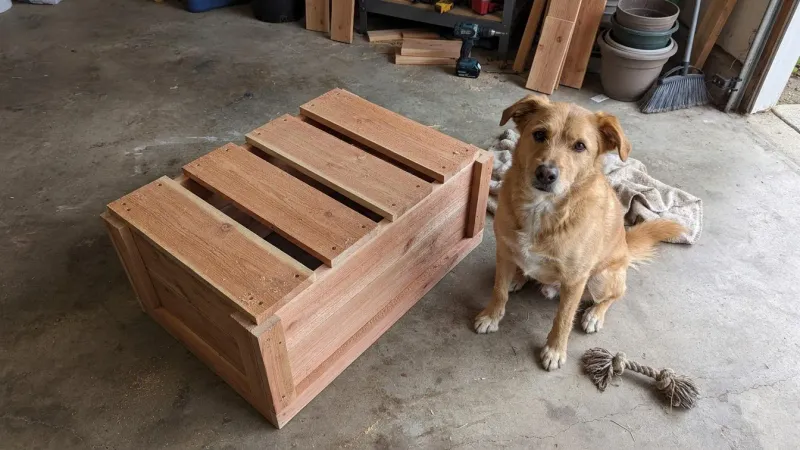
Flip the frame upside down and lay the four 18-inch bottom planks across the underside, leaving a 1/4-inch gap between each slat so rainwater can drain freely. Secure each slat to the frame perimeter using two 1.25-inch exterior screws at each end. If you want extra ground clearance on a damp patio, screw four leftover 3-inch wood offcuts under the corners as short feet.
- 5
Line the interior with breathable landscape fabric
Turn the box right-side up and cut a piece of permeable landscape fabric to cover the bottom slats and rise 3 inches up the inside walls. Press the fabric neatly into the corners and secure the upper edges with a staple gun every 4 inches. The fabric keeps potting soil from washing through the slat gaps while still letting excess water escape.
- 6
Fill with organic soil and sow cat grass seeds
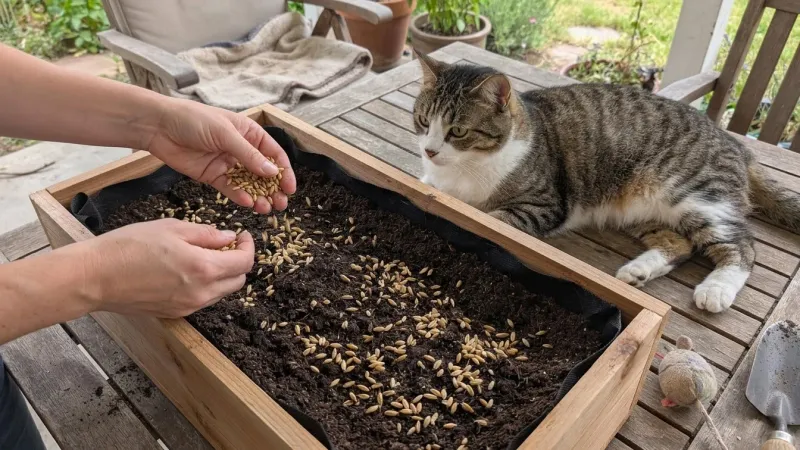
Pour untreated organic potting mix into the lined box until it sits 1 inch below the top rim, then level the surface gently with your hand. Scatter 1 cup of organic oat, wheat, or barley cat grass seeds evenly across the dampened soil so the seeds sit close together without piling on top of one another. Press them lightly into the surface and cover with a 1/4-inch layer of soil.
- 7
Water gently and let the patch establish
Mist the soil thoroughly with a watering can fitted with a fine rose head so you do not wash seeds into the corners. Place the box in a bright, sheltered spot outdoors out of harsh midday sun, keeping the soil evenly moist for five to seven days until green blades reach 4 inches tall. Once rooted firmly, introduce your cat to the fresh patch for supervised grazing and lounging.
Best Seeds and Soil for Outdoor Survival
Outdoor conditions dry out shallow roots faster than indoor window sills, so choose hardy cereal grasses rather than ornamental lawn seed. Oat, wheat, barley, and ryegrass seeds sprout within four to seven days and tolerate light lounging without snapping at the base. Avoid pre-treated agricultural seeds coated in fungicides, as well as lawn mixes containing ryegrass treated with endophytes that can upset your cat's stomach.
Fill your planter with plain organic potting mix free from chemical fertilizers, composted manure, or moisture-retaining polymer beads. For more advice on keeping outdoor patches healthy and bug-free without harsh sprays, read our guide on how to grow cat grass outdoors safely without pesticides.
Common Mistakes That Ruin Outdoor Cat Grass Boxes
- Using pressure-treated lumber: Standard deck boards often contain copper-based preservatives that can leach into damp soil when your cat chews the grass. Stick to naturally rot-resistant untreated cedar or redwood.
- Skipping bottom drainage: Standing rainwater rots grass roots and breeds mold within days. Always drill drainage holes and line the base with landscape fabric so soil stays put while excess water escapes.
- Placing the box in full afternoon sun: Young wheat and oat blades scorch quickly in direct midday heat. Position your finished box in partial shade on a covered patio or catio deck.
- Neglecting heavy-cat stability: Large breeds like Maine Coons can flip narrow planters when jumping onto the rim. Building a low, wide base—similar to our tip-proof DIY cat grass planter for large cats—keeps the box grounded under shifting weight.
Adjusting the Size for Kittens, Senior Cats, and Multi-Cat Homes
A 24-by-18-inch frame fits one adult cat comfortably for both nibbling and afternoon naps, while multi-cat households benefit from expanding the length to 36 inches so cats do not guard the patch. If you have a newly weaned kitten or a senior cat with stiff joints, keep the side walls under 4 inches tall so they can step in easily without catching a claw. Kittens also have sensitive digestive tracts, so introduce small amounts gradually and check the safest cat grass seeds for a newly weaned kitten's stomach before planting.
Building your own wooden cat grass box takes less than two hours and costs a fraction of ready-made planters while giving your cat a safer, roomier patch to enjoy outdoors. Reseed bare spots every three to four weeks as blades thin out, and check with your veterinarian if your cat ever vomits repeatedly or seems lethargic after nibbling outdoor plants.
Sources: ASPCA · Cornell Feline Health Center · International Cat Care
Frequently asked questions
Can cat grass survive outside year-round?
Cat grass is usually grown from annual cereal grains like oats, wheat, or barley, so a single planting lasts three to six weeks before yellowing. In mild spring and fall weather, it thrives outdoors in partial shade, though extreme summer heat or freezing winter temperatures will kill the blades and require reseeding.
What wood is safe for an outdoor cat grass box?
Untreated western red cedar and redwood are the safest choices because they resist rot and insects naturally without chemical preservatives. Never use pressure-treated lumber, painted pallets, or creosote-treated wood, as moisture can leach toxic compounds into the soil and onto the grass blades your cat chews.
How much does a DIY outdoor cat grass box cost to build?
If you already own basic hand tools, materials typically cost between $18 and $30 total. Four untreated cedar fence pickets run around $12 to $20, while organic potting mix and bulk cat grass seeds add roughly $8 to $15, yielding enough seeds for several fresh plantings.
Is it normal for my cat to throw up after eating cat grass?
Occasional spitting up of grass blades or a hairball happens because rough plant fiber tickles the stomach lining. However, frequent vomiting, diarrhea, drooling, or loss of appetite is not normal. Remove the grass box and contact your veterinarian promptly if digestive signs persist.

Nathan Brooks
Nathan Brooks runs Farmingzoom to help loving pet owners create safe, enriching homes for their animals. He cares deeply about responsible pet care and focuses on making everyday decisions simpler for fellow owners.…