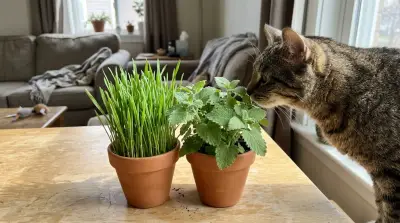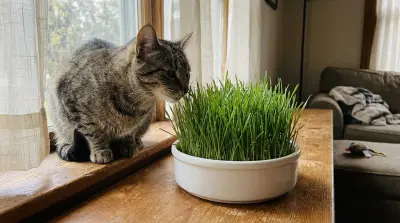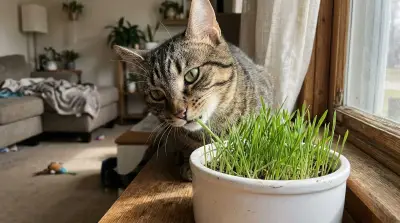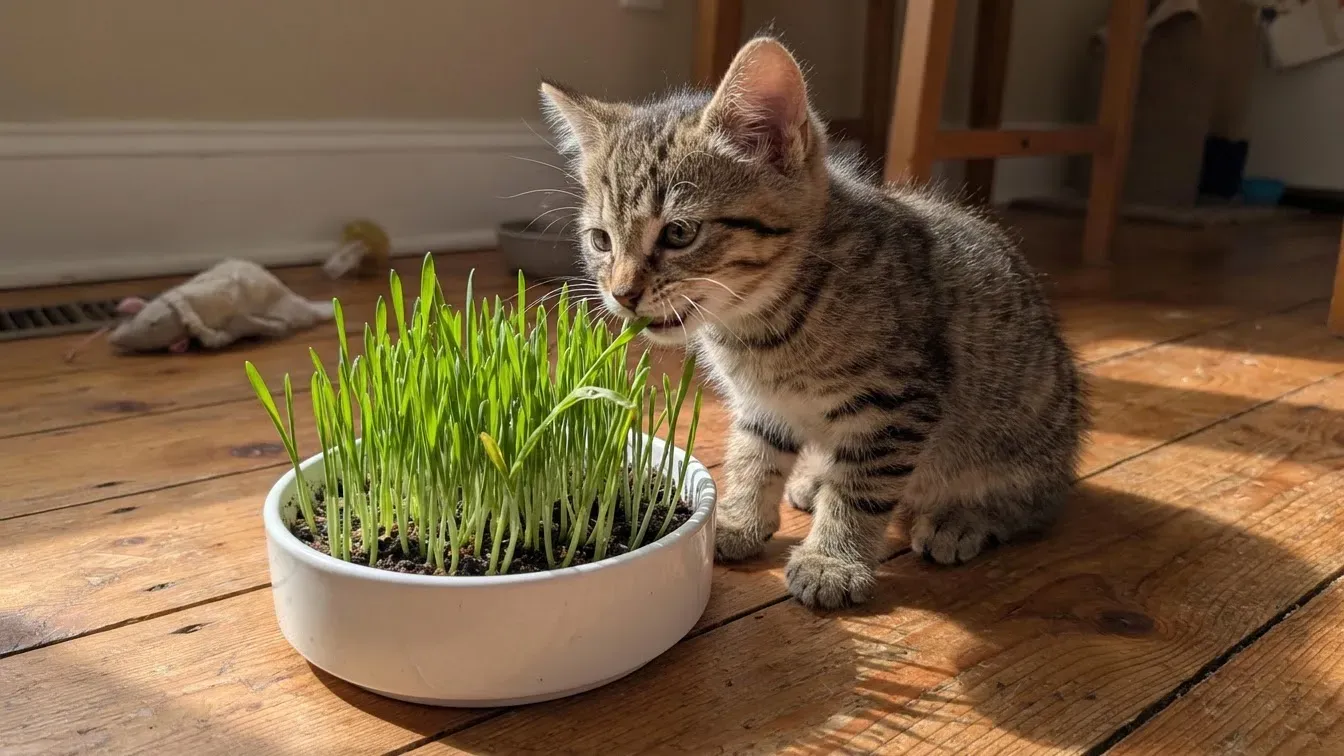
Oat grass is the best cat grass for kittens because its soft, wide blades break down easily in a newly weaned stomach without irritating delicate throat or gut tissue. While wheat and barley grass are also safe, young cats transitioning from milk to solid food do best with tender shoots harvested early.
Introducing safe indoor greens gives curious kittens a healthy outlet for natural chewing instincts before they target toxic houseplants. You will learn how to compare seed varieties by tenderness, when to start offering greens, and how to grow a clean, chemical-free planter at home.
When Can a Newly Weaned Kitten Safely Eat Cat Grass?
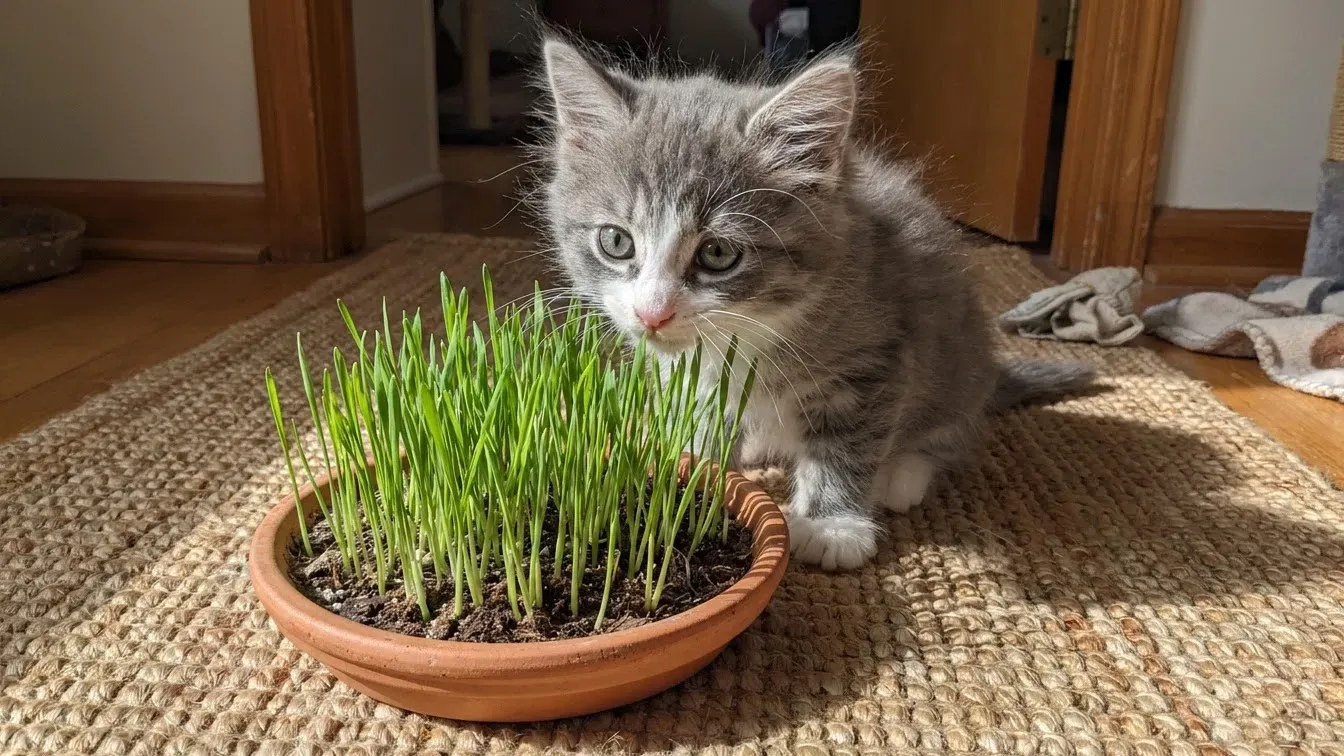
Most kittens complete weaning onto solid kitten food between 8 and 10 weeks of age, which is the earliest safe window to introduce small nibbles of indoor cat grass. Before 8 weeks, a kitten's digestive tract is still adapting to enzymes needed for solid nutrients and cannot handle extra plant fiber efficiently.
Check with your veterinarian at your kitten's first wellness visit before offering any new foods or plants. A vet can confirm your kitten is gaining weight steadily and has no underlying sensitive-stomach issues or parasites that plant fiber might aggravate.
Even after 8 weeks, treat cat grass as an occasional enrichment snack rather than a dietary staple. Kittens are obligate carnivores that rely on complete, balanced kitten food for protein, fat, and essential amino acids like taurine. Filling a tiny stomach with bulky grass blades leaves less room for the calories needed for rapid growth.
Comparing the Safest Cat Grass Seeds by Tenderness
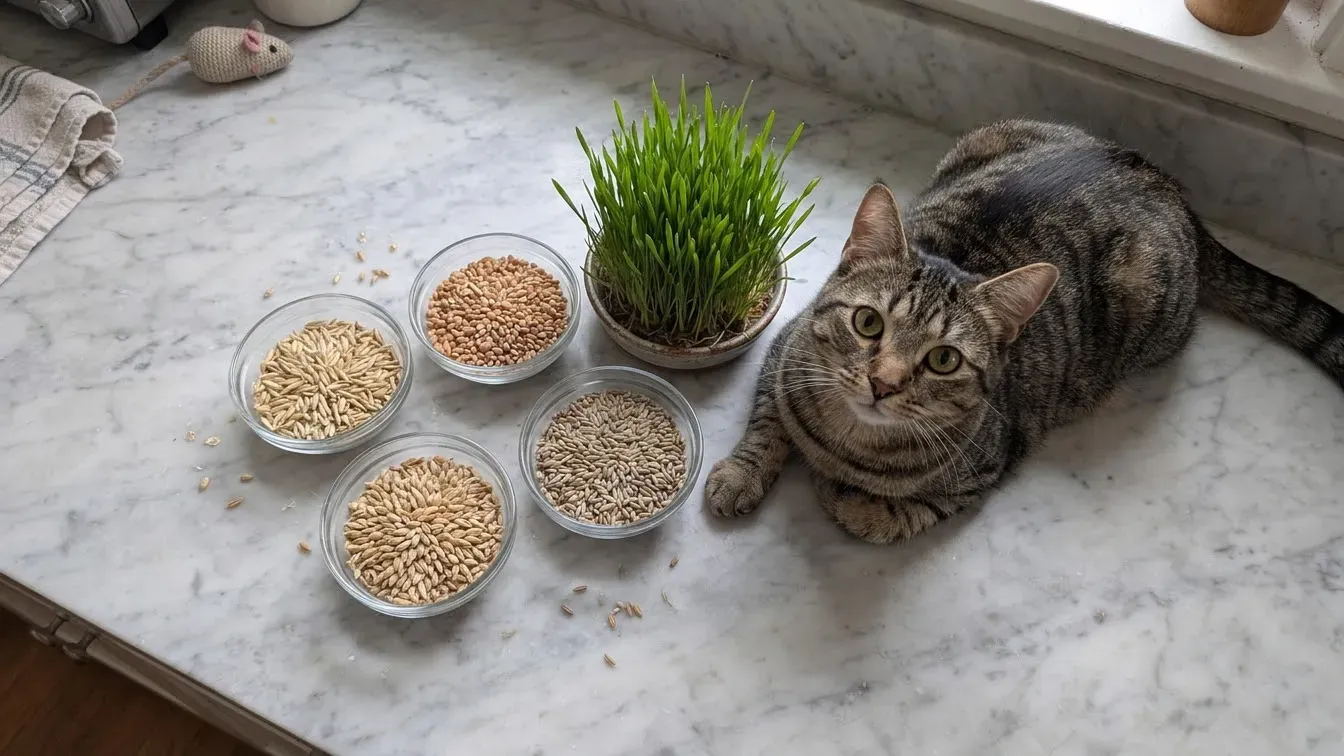
Commercial cat grass is not a single plant species; it is usually grown from cereal grain seeds such as oat, wheat, barley, or cereal rye. For a young kitten, blade texture matters just as much as non-toxicity because stiff or sharp edges can trigger immediate gagging or stomach irritation.
| Seed Variety | Blade Texture | Kitten Digestibility | Best Use Case |
|---|---|---|---|
| Oat Grass (Avena sativa) | Soft, broad, sweet-tasting | Very gentle on young stomachs | Best first grass for newly weaned kittens |
| Wheatgrass (Triticum aestivum) | Medium-firm, juicy, narrow | Moderate; easy in small amounts | Good second option once chewing skills develop |
| Barley Grass (Hordeum vulgare) | Slightly taller, moderately tender | Moderate; richer in fiber | Better suited for older kittens over 4 months |
| Cereal Rye (Secale cereale) | Thinner, slightly firmer edges | Firmer fiber; can tickle throats | Mixes well with oat for older cats |
Note that perennial ryegrass (Lolium perenne) is a turf and pasture grass rather than a cereal grain, and commercial ryegrass seed frequently harbors toxic endophyte fungi that produce alkaloids harmful to animals—avoid it unless it is certified endophyte-free. Always choose certified organic, untreated cereal grain seeds labeled specifically for pets or sprouting, as agricultural seeds sold for lawn or farm planting are often coated with fungicides or chemical treatments that are dangerous if ingested.
Why Indoor Cat Grass Beats Outdoor Lawns and Houseplants
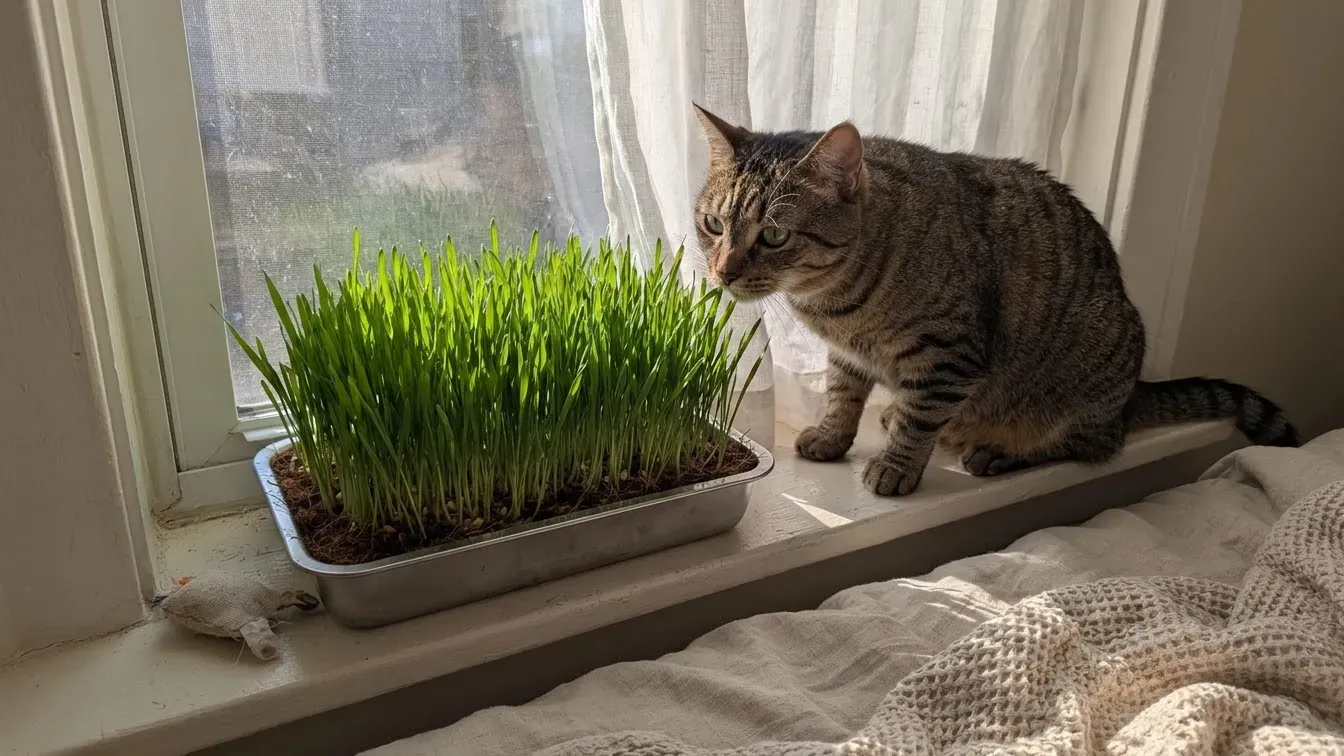
Teething kittens naturally look for textures to chew, and indoor greens give them a safe target away from household hazards. Many popular indoor plants—including lilies, pothos, philodendrons, sago palms, and peace lilies—are toxic to cats, with true lilies capable of causing fatal kidney failure from even a tiny nibble.
Letting a kitten chew on outdoor lawn grass carries different risks. Yard grass is frequently treated with fertilizers, herbicides, and pesticides, and outdoor soil can harbor roundworm or hookworm eggs that infect young kittens easily.
Growing dedicated greens indoors solves both problems by keeping your kitten in a controlled, chemical-free environment. For extra peace of mind around your home decor, explore safe indoor cat grass alternatives that protect your houseplants while keeping curious mouths occupied.
How to Grow Tender, Clean Grass Without Soil Mess
Newly weaned kittens often dig in loose potting soil, scatter dirt across the floor, or accidentally swallow perlite and fertilizer pellets. Growing seeds hydroponically or on a clean coconut coir mat removes soil hazards while producing soft, clean shoots in about 7 to 10 days.
- Soak the seeds: Rinse 2 to 3 tablespoons of organic oat seeds in cool water and soak them for 6 to 8 hours to kickstart germination.
- Spread evenly: Drain the seeds and spread them in a single dense layer across a shallow tray lined with damp paper towels, hemp mat, or moistened coconut coir.
- Keep moist and shaded: Rinse the seeds daily with fresh, cool water and drain thoroughly, keeping them loosely covered with a vented lid for 2 to 3 days until white root tips appear.
- Move to indirect light: Place the tray on a bright windowsill out of harsh midday heat until blades reach 3 to 4 inches tall.
Because sprouting seeds in damp, room-temperature conditions can encourage mold and harmful bacteria such as Salmonella or E. coli, inspect the roots and growing mat every day. If you notice any white fuzzy mold, sliminess, or a sour smell, discard the entire batch immediately, sanitize the tray, and start fresh—never allow a kitten to eat from a moldy planter.
If you live in a small space and want a tidy setup, follow our step-by-step guide on how to grow indoor cat grass without soil in a clean apartment. Harvest or offer the grass while blades are 3 to 4 inches high, since older, taller grass grows fibrous and tough.
Introducing Safe Chewing Habits Step by Step
Supervise every early session so you can see how your kitten interacts with the planter and prevent overeating. Kittens lack impulse control and may gulp down long, unchewed blades if left alone with a full tray.
- Start with snipped tips: Cut 3 or 4 short blade tips (about half an inch long) and offer them from your fingers or beside your kitten's regular food bowl.
- Limit session time: Allow 2 to 3 minutes of supervised nibbling at the planter, then move the tray out of reach until the next day.
- Use a weighted dish: Place the growing tray inside a heavy ceramic or wide-base planter so an energetic kitten cannot tip it over during play.
- Pair with redirection: Whenever your kitten approaches a forbidden houseplant or electrical cord, calmly move them to their grass station and praise gentle sniffing or chewing.
As your kitten grows and starts grooming a thicker coat, learning how cat grass helps with hairballs and how much to feed your cat will help you adjust portion sizes safely.
Signs of Digestive Upset and When to Call Your Vet
Cats cannot fully digest plant cellulose, so small amounts of grass pass through the digestive tract and add mild bulk to stool. However, eating too much grass at once—or swallowing long, coarse blades—commonly triggers vomiting as the stomach clears the undigested fiber.
While healthy adult cats occasionally vomit after eating grass without serious concern, newly weaned 8-to-10-week-old kittens dehydrate and develop dangerous low blood sugar (hypoglycemia) very rapidly when vomiting. If your kitten spits up or vomits after eating grass, remove the planter immediately, withhold grass for the day, and monitor them closely.
Contact your veterinarian promptly if you notice any of these warning signs:
- Vomiting that happens more than once, or even a single episode accompanied by any subtle change in energy, appetite, or behavior
- Watery diarrhea or blood in the stool—read more on whether cat grass can cause diarrhea and when to see a vet
- Lethargy, hiding, or refusing regular kitten meals
- Pawing at the mouth, excessive drooling, or gagging, which can mean a grass blade is stuck at the back of the throat or behind the soft palate
Starting with organic oat grass seeds gives a newly weaned kitten the softest, easiest-to-digest introduction to indoor greens. Keep blades trimmed to a tender 3 to 4 inches, supervise short 2-minute grazing sessions, and remove the tray if you spot any signs of stomach upset. Paired with regular vet checkups and complete kitten nutrition, a small indoor grass planter builds safe chewing habits from day one.
Sources: Cornell Feline Health Center · ASPCA · VCA Animal Hospitals
Frequently asked questions
At what age can kittens start eating cat grass?
Kittens can safely try small nibbles of tender cat grass once they are fully weaned onto solid food, typically between 8 and 10 weeks of age. Always check with your veterinarian first and limit early sessions to a few minutes under supervision.
Which cat grass seed is softest for a kitten's stomach?
Oat grass (Avena sativa) is the softest and easiest option for young kittens. Its broad, tender blades are gentler on delicate throats and developing digestive tracts than firmer varieties like cereal rye or mature barley.
Why did my kitten throw up right after eating cat grass?
Cats lack the enzymes needed to break down plant fiber, so eating too much grass quickly often triggers a reflex vomit that clears the blades from the stomach. Because young kittens dehydrate quickly, remove the planter immediately and call your vet promptly if vomiting happens more than once or comes with any change in energy or appetite.
Is cat grass the same thing as catnip for kittens?
No, cat grass is grown from cereal grains like oat, wheat, or barley for safe nibbling, while catnip is an herb in the mint family. Most kittens do not even respond to catnip's scent until they reach 3 to 6 months of age.

Nathan Brooks
Nathan Brooks runs Farmingzoom to help loving pet owners create safe, enriching homes for their animals. He cares deeply about responsible pet care and focuses on making everyday decisions simpler for fellow owners.…