You can enjoy a plush, long-haired cat without spending every evening detangling stubborn knots, as long as you choose a breed with a single coat or silky fur texture. Cats with dense, woolly undercoats trap shed hair and form painful mats quickly, while silky-coated breeds let loose fur slip out easily.
If you work full-time and can only commit to a 10-minute grooming session once or twice a week, coat genetics make all the difference. For even more options, compare fluffy cat breeds with thick coats or explore low-grooming short-haired cat breeds.
| Breed | Coat Type | Origin | Size | Brushing |
|---|---|---|---|---|
| Ragdoll | Silky semi-long coat (minimal undercoat) | United States | Large | 1-2 times/week |
| Birman | Silky medium-long (light undercoat) | Myanmar | Medium-large | 1-2 times/week |
| Turkish Angora | Fine single coat | Turkey | Small-medium | 1-2 times/week |
| Balinese | Silky single coat | United States | Medium | 1-2 times/week |
| Turkish Van | Cashmere-like semi-longhair | Turkey | Medium-large | 1-2 times/week |
| Somali | Fine double coat | United States | Medium | 1-2 times/week |
| Ragamuffin | Dense, plush with soft undercoat | United States | Large | 1-2 times/week |
| Siberian | Water-resistant triple | Russia | Large | 2 times/week |
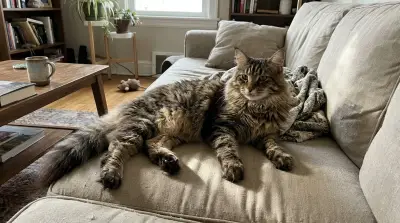
| Maine Coon | Silky shaggy coat | United States | Large | 2 times/week |
1Ragdoll
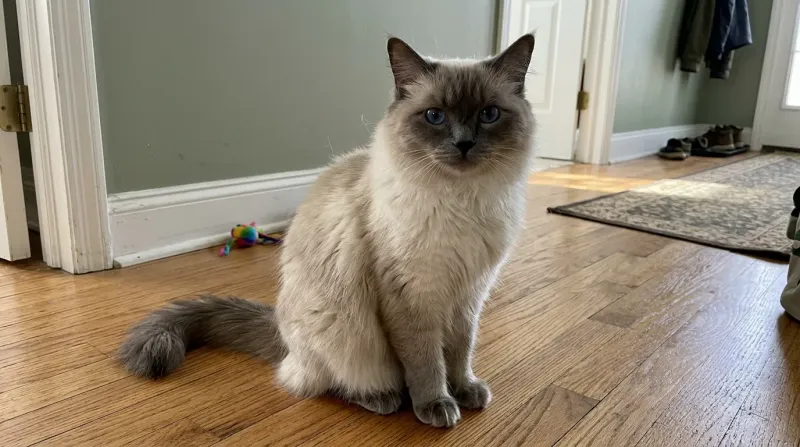
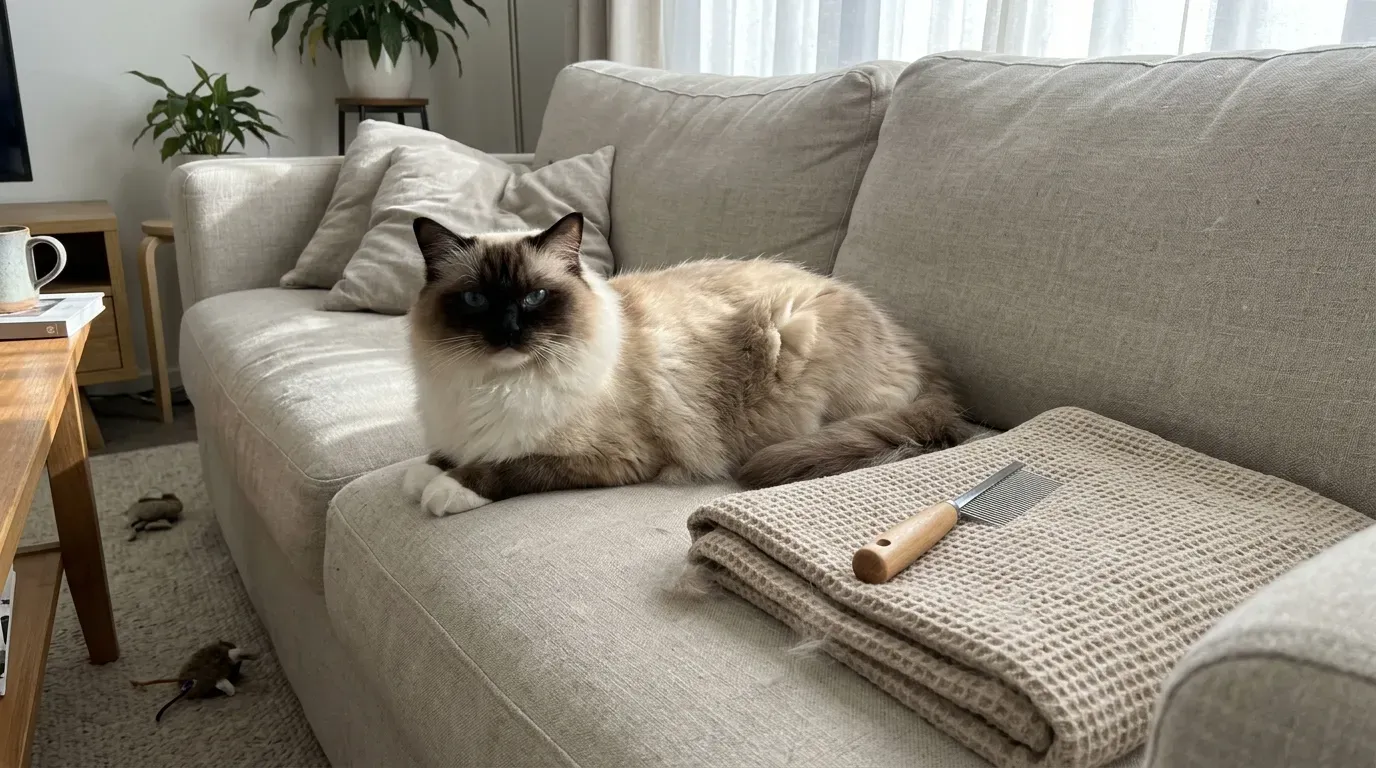
Coat Type: Silky semi-long coat with minimal undercoat · Origin: United States · Size: Large (10-20 lbs) · Brushing: 1-2 times/week Ragdolls have plush, rabbit-soft medium-long fur with only a minimal undercoat rather than a dense, woolly undercoat, which is the primary culprit behind severe matting in breeds like Persians. Their guard hairs lie flat and resist tangling, making them ideal for busy owners. Run a wide-tooth metal comb through their ruff and hind legs once or twice a week for ten minutes, paying extra attention during spring shedding.
2Birman
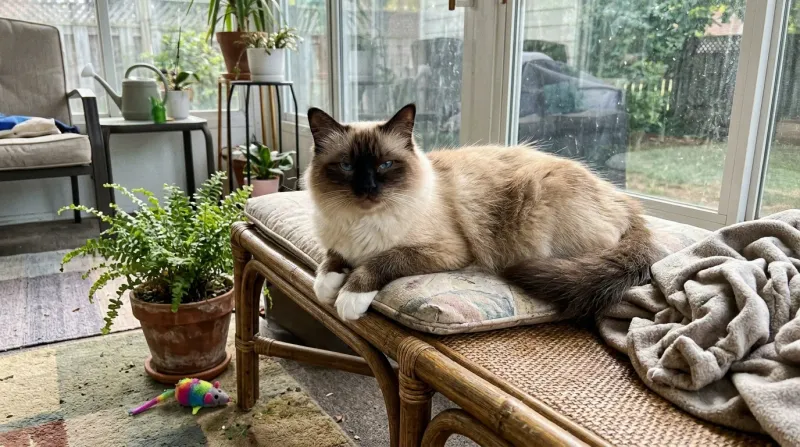
Coat Type: Silky medium-long coat with light undercoat · Origin: Myanmar · Size: Medium-large (9-15 lbs) · Brushing: 1-2 times/week Known for their white gloved paws and sapphire eyes, Birmans carry a silky medium-long coat with a very light undercoat rather than heavy, cottony wool. Because shed hairs do not get heavily trapped against the skin, their fur rarely forms tight knots or felt-like clumps. A 10-minute session once a week with a stainless-steel comb keeps their neck ruff glossy, removes loose hair before they swallow it, and strengthens your bond.
3Turkish Angora
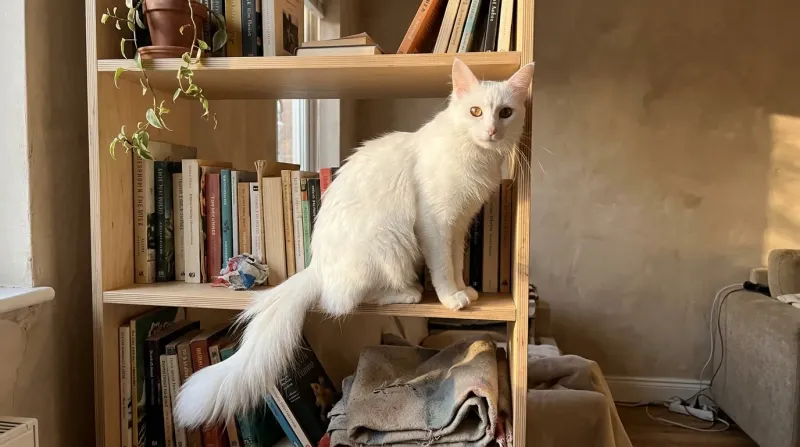
Coat Type: Fine single coat · Origin: Turkey · Size: Small-medium (6-10 lbs) · Brushing: 1-2 times/week Turkish Angoras boast an airy, shimmering single coat that flows like fine silk and naturally sheds dirt and tangles. Without a thick undercoat to trap dead fur, this smaller breed requires far less upkeep than most long-haired cats. Brush them once a week with a soft slicker brush, focusing on their plumed tail and pantaloons, and increase to twice weekly when warmer weather triggers seasonal shedding.
4Balinese
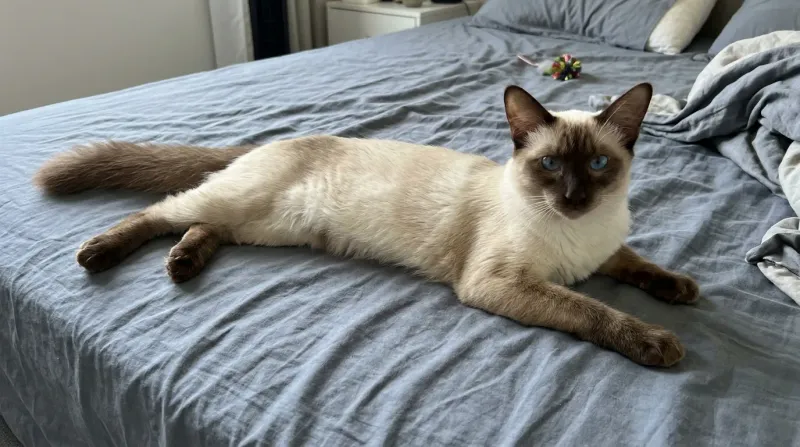
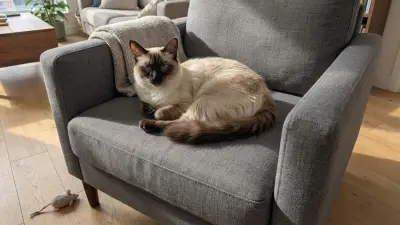
Coat Type: Silky single coat · Origin: United States · Size: Medium (6-11 lbs) · Brushing: 1-2 times/week Essentially a long-haired Siamese, the Balinese sports a sleek, medium-length coat that lies close to the body without a woolly underlayer. Because the hair is fine and single-layered, knots almost never develop even if you skip a day or two. Comb their coat once or twice a week to distribute natural skin oils, keep their plumed tail smooth, and minimize loose hairs on your furniture.
5Turkish Van
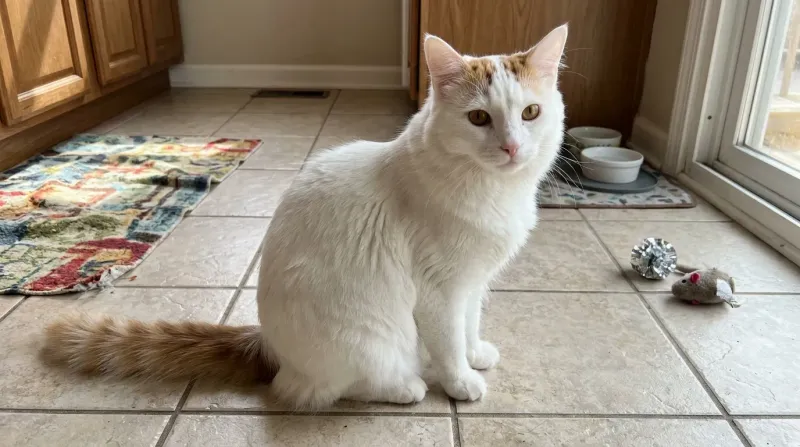
Coat Type: Cashmere-like semi-longhair coat · Origin: Turkey · Size: Medium-large (10-18 lbs) · Brushing: 1-2 times/week Turkish Vans have a predominantly chalk-white coat with colored markings restricted to the head and tail (known as the Van pattern), paired with a soft, cashmere-like semi-longhair texture that repels water and resists tangling remarkably well. Their fur grows thicker in winter and becomes sleeker in summer, yet it lacks a dense undercoat year-round. A quick weekly brushing with a wide-tooth comb keeps their neck ruff and feathered tail neat while preventing hairballs in these active, water-loving cats.
6Somali
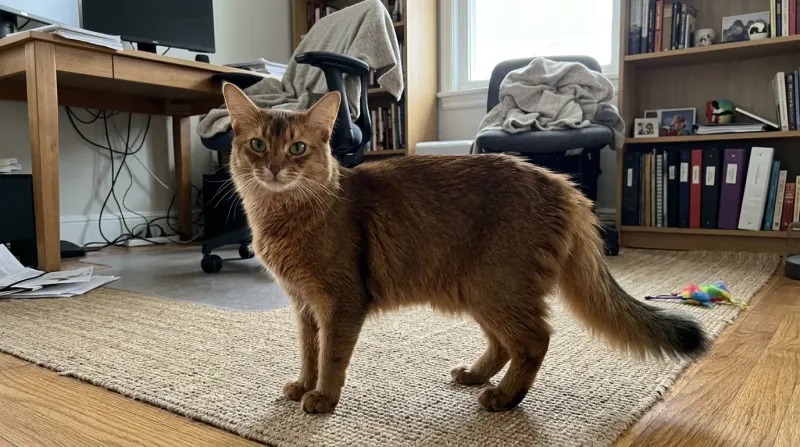
Coat Type: Fine double coat · Origin: United States · Size: Medium (6-12 lbs) · Brushing: 1-2 times/week Looking like a miniature red fox with a bushy tail, the Somali has a medium-long double coat that is exceptionally fine and soft rather than cottony. The hairs sit smoothly against the body and resist clumping, so weekly grooming is plenty for full-time workers. Use a gentle slicker brush once or twice a week to lift out loose undercoat hairs and keep their ticked fur gleaming.
7Ragamuffin
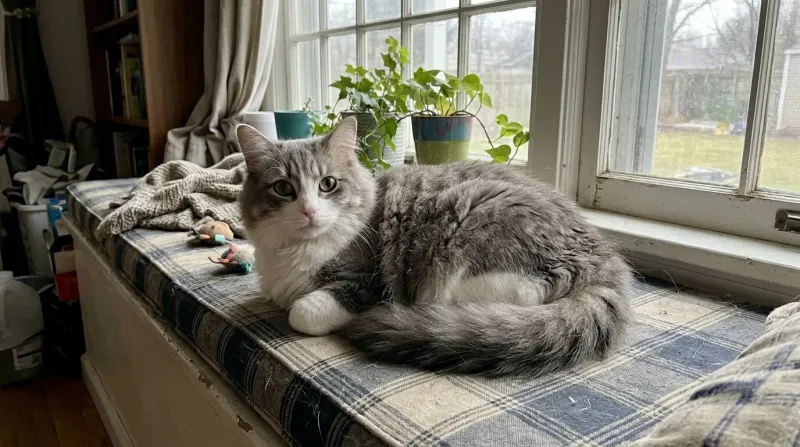
Coat Type: Dense, plush coat with soft undercoat · Origin: United States · Size: Large (10-20 lbs) · Brushing: 1-2 times/week Closely related to the Ragdoll, the Ragamuffin features a dense, plush coat with a soft undercoat that resists matting better than Persian fur, though it will still mat behind the ears and under the legs if neglected. While their fur looks remarkably thick, it stays smooth with just one or two 10-minute brushing sessions per week. Focus your comb behind their ears and under their front legs where collar or movement friction occurs.
8Siberian
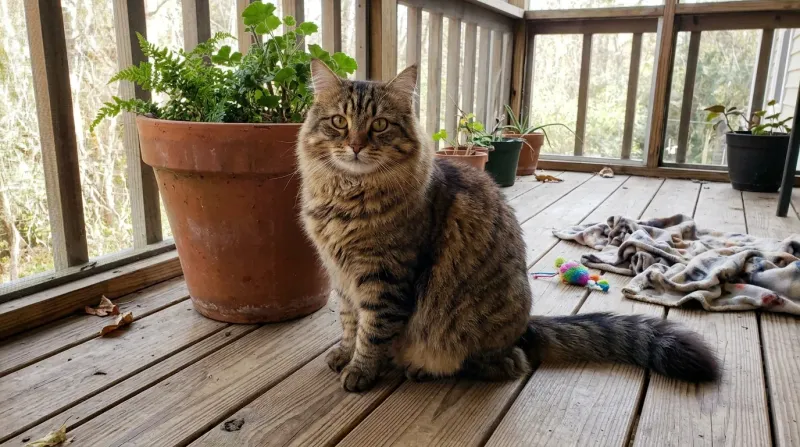
Coat Type: Water-resistant triple coat · Origin: Russia · Size: Large (12-20 lbs) · Brushing: 2 times/week Despite having a lush, weather-resistant triple coat built for Russian winters, Siberians have glossy, oily guard hairs that naturally repel tangles and debris. Unlike flat-faced breeds with cottony fur, Siberians rarely mat if you brush them twice a week. Use a metal greyhound comb down to the skin during spring and fall coat changes to clear out shedding undercoat efficiently.
9Maine Coon
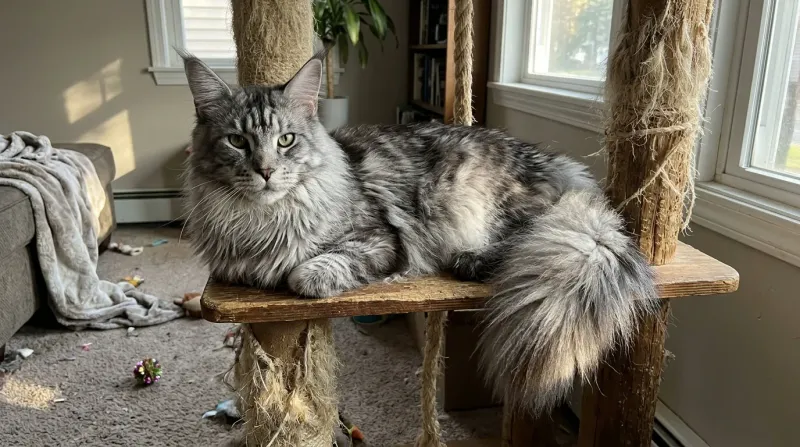
Coat Type: Silky shaggy coat · Origin: United States · Size: Large (12-22 lbs) · Brushing: 2 times/week Maine Coons wear a heavy, uneven shaggy coat with silky guard hairs that shed water and resist severe matting compared to Persian coats. Twice-weekly 15-minute brushing sessions keep most of their coat tangle-free, though they still need extra checks in friction areas like behind the ears, in the armpits, and on the belly and breeches, plus more frequent brushing during spring and fall coat blows. Pair weekly grooming with a sturdy perch from our guide to cat trees for large cats.
How to Keep Weekly Grooming Quick and Stress-Free
Even tangle-resistant breeds need routine care to prevent friction knots behind the ears, under the armpits, and around the rear legs. Keep a stainless-steel comb and a soft slicker brush near your favorite evening chair so grooming feels like calm bonding time rather than a chore.
- Focus on friction zones first: Gently comb behind the ears and under the collar area where movement creates tight tangles.
- Check skin health weekly: Part the fur during brushing to look for fleas, dry flakes, or small lumps, and schedule a vet visit if you spot redness or hair loss.
- Manage hairballs naturally: Pair weekly brushing with fiber-rich treats or cat grass to help with hairballs during seasonal shedding.
Common Coat Mistakes Busy Owners Make
Skipping brushes during spring and fall coat blows is the fastest way to turn a low-maintenance coat into a matted mess. Even single-coated cats shed their winter or summer layers, so bumping your routine to two brief sessions during seasonal shifts prevents swallowed fur and skin irritation.
Never pull sharply on a knot or use household scissors to cut mats close to the skin, as feline skin is paper-thin and tears easily. Avoid using bladed dematting tools on tight mats close to the skin as well; instead, gently tease loose tangles apart with your fingers or a wide-tooth comb, or ask a professional groomer or veterinarian to safely shave out tight mats.
You do not need hours of free time to share your home with a gorgeous, plush-coated cat. Choosing a silky-coated or tangle-resistant breed like a Ragdoll, Birman, or Turkish Angora lets you enjoy all the fluff with just one or two short brushing sessions each week. Start a calm weekly grooming habit early so your cat stays comfortable, mat-free, and healthy for years.
Frequently asked questions
Which fluffy cat breed mats the least?
The Ragdoll, Birman, and Balinese mat the least because they have silky coats with little to no dense, woolly undercoat. Without thick undercoat fibers trapping shed fur against the skin, loose hair slips out easily during a quick weekly combing session.
Why do Persians mat more than Ragdolls or Birmans?
Persians have an extremely dense, cotton-like undercoat combined with very long guard hairs, which twists and felts together within 24 to 48 hours of movement. Ragdolls and Birmans lack that heavy undercoat, allowing their silky fur to lie flat and stay tangle-free.
Are there small fluffy cat breeds that do not mat easily?
Yes, the Turkish Angora and Balinese are smaller, fine-boned breeds weighing between 6 and 11 pounds. Both carry airy, silky single coats that stay smooth and mat-free with just one or two 10-minute brushing sessions per week.
What brush is best for low-maintenance fluffy cats?
A stainless-steel greyhound comb with both wide and fine teeth is the best tool for silky long-haired cats. It glides all the way to the skin to remove loose undercoat hair without snagging or breaking healthy guard hairs.

Nathan Brooks
Nathan Brooks runs Farmingzoom to help loving pet owners create safe, enriching homes for their animals. He cares deeply about responsible pet care and focuses on making everyday decisions simpler for fellow owners.…