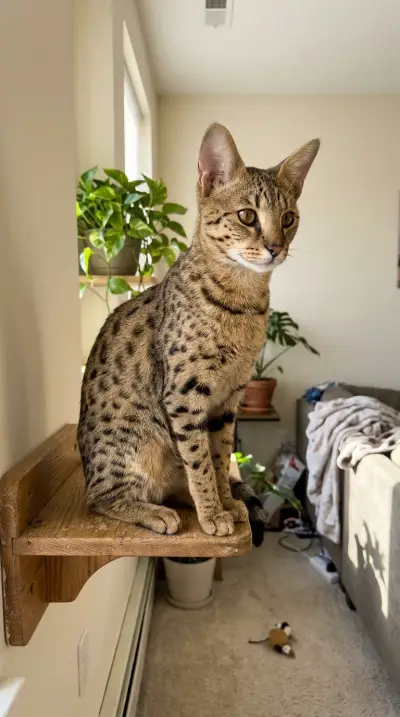
Finding a reliable cat tree for large cats means looking past standard pet store towers that wobble the moment a heavy feline jumps onto the top perch. Big breeds like Maine Coons, Ragdolls, and Norwegian Forest Cats need reinforced bases, thick posts, and roomy beds that support their full body length.
Below, you will find 11 sturdy cat tree styles designed around weight capacity, base stability, and generous perch dimensions. Each option helps prevent tipping and joint strain while giving your big cat a secure place to climb, scratch, and nap.
1Solid Wood Multi-Tier Tower With Weighted Base
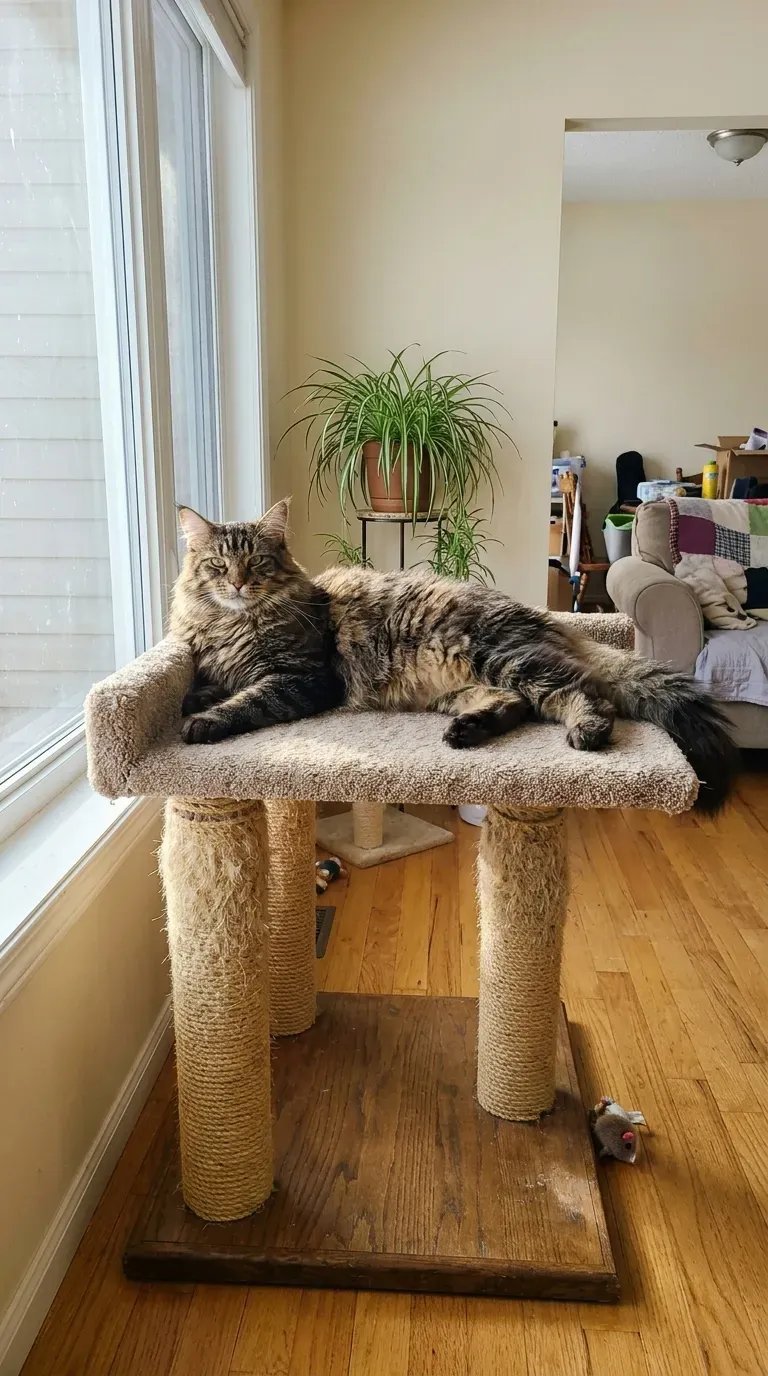
Built from real timber rather than hollow pressboard, this heavy-duty tower relies on natural wood mass to stay planted when a 20-pound cat launches onto the upper platforms. Look for a base plate at least 24 inches square and 1.5 inches thick to anchor the structure. The solid grain holds screws tightly over years of daily use, preventing the gradual wobble common in cheaper models. Place it on a flat hard floor rather than plush carpet for maximum contact and stability.
2Six-Inch Thick Sisal Post Scratching Tower
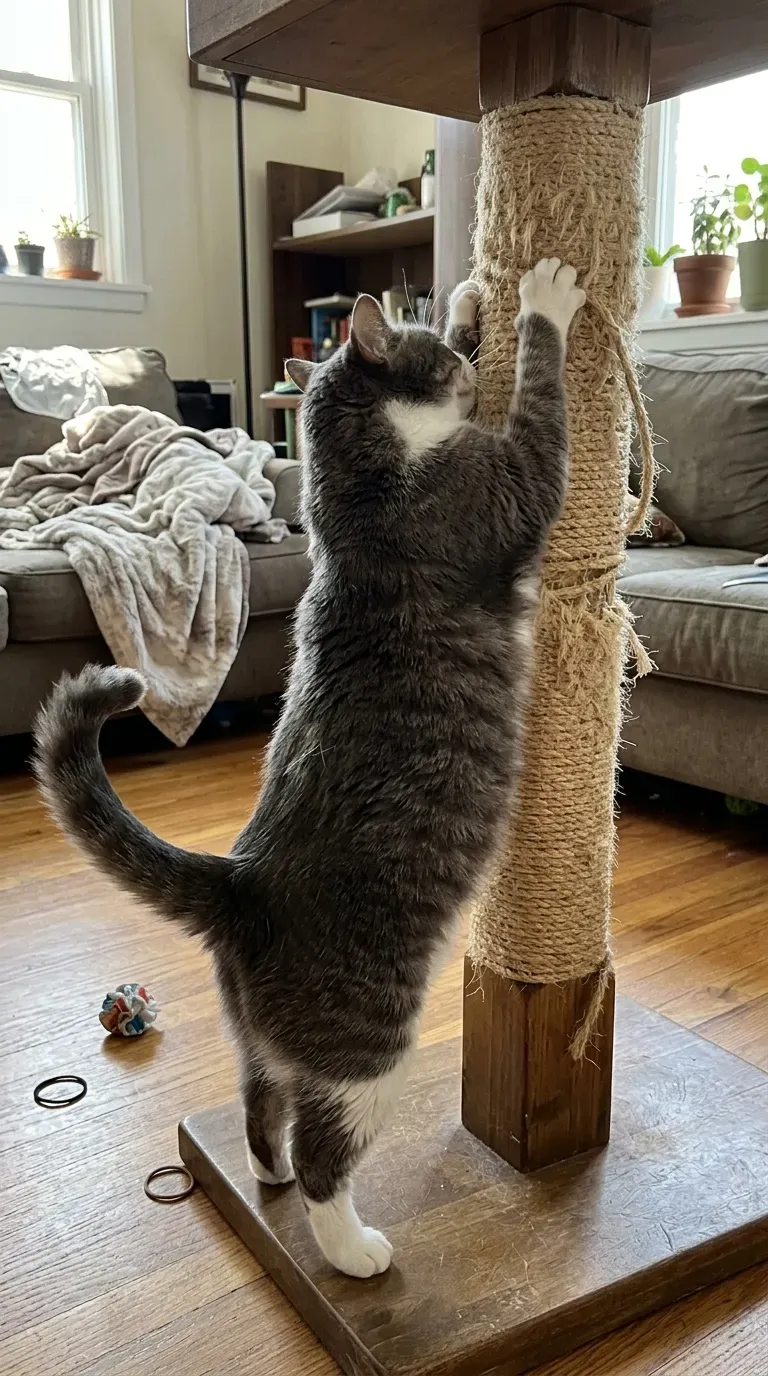
Large cats need vertical surfaces tall and thick enough to support a full-body stretch without pulling the column over. Choose a tower featuring 6-inch diameter posts wrapped tightly in natural woven sisal rope. The extra circumference gives big paws plenty of grip and prevents the post from flexing under heavy downward pull. Position this style near your cat's favorite sleeping spot, since most felines love a deep vertical scratch right after waking up from a long nap.
3XXL Corner Cat Tree With Dual Anchors
Corner designs tuck neatly against two intersecting walls, immediately blocking sideways tip-overs from two directions. An XXL corner tree maximizes floor footprint without dominating the middle of your living room, offering broad triangular platforms that easily fit long-bodied breeds. For extra peace of mind in active multi-cat households, use the included wall-anchoring straps to secure the upper frame directly into wall studs so high-speed chases never shift the base.
4Seventy-Two-Inch Heavy-Duty Condo Climber
Standing 6 feet tall, a heavy-duty condo climber satisfies a big cat's instinct to survey the room from high vantage points. The best 72-inch models balance their height with stepped tiers spaced no more than 16 inches apart, allowing heavy cats to climb up and down safely instead of making risky giant leaps. Check that the enclosed condo cubby has a wide entryway—at least 9 by 10 inches—so broad shoulders pass through comfortably.
5Oversized Top Lounger With Raised Bolster Rim
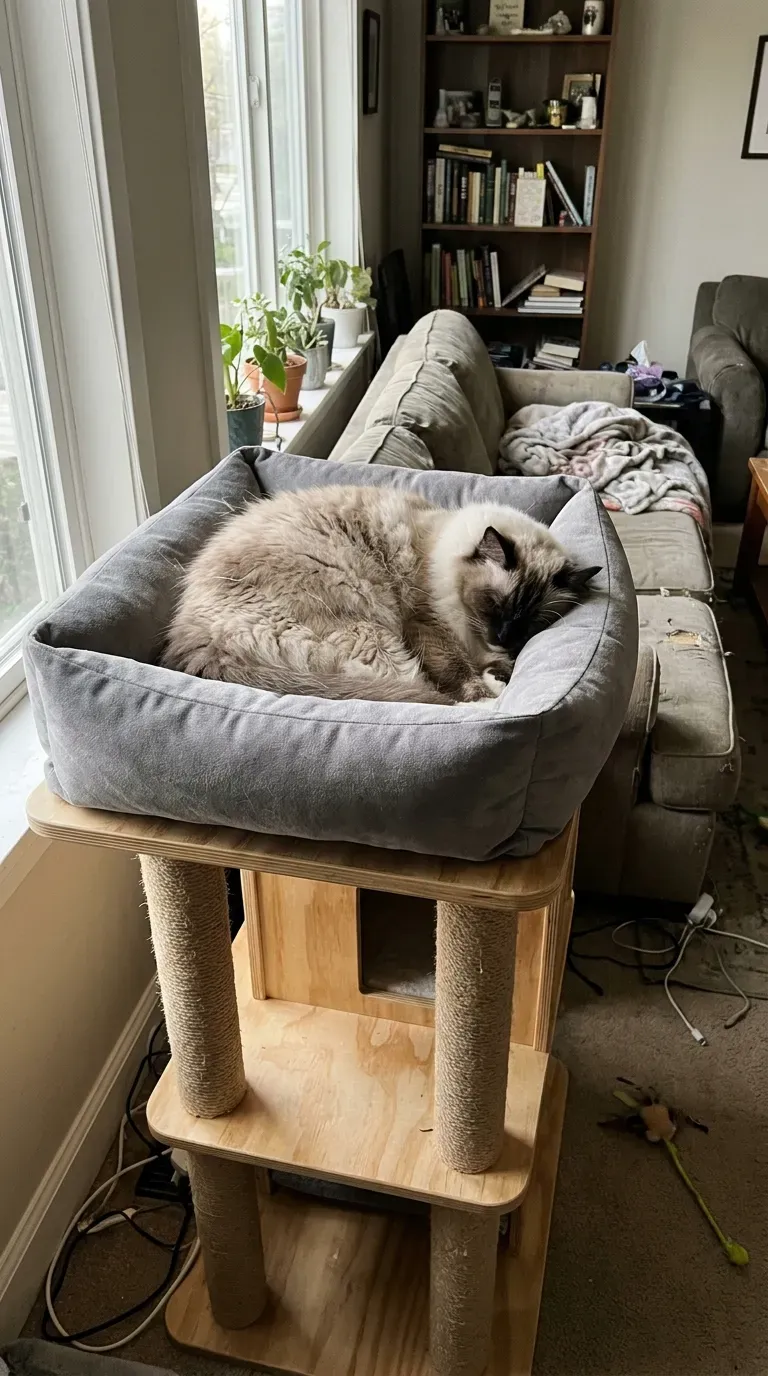
Many standard top perches measure barely 12 inches across, leaving large cats curled awkwardly or spilling over the side. An oversized top bed measuring 20 by 16 inches or larger gives big breeds full-body support. Thick, plush bolster walls around the perimeter act as a headrest and keep sleepy cats from rolling off when they stretch. Choose removable, machine-washable covers so you can clear away heavy shedding fur without scrubbing the entire tower.
6Deep Metal-Framed Hammock Lounge Tree
Fabric hammocks often sag or tear under heavy felines unless supported by a rigid internal steel ring. A cat tree equipped with a thick-gauge metal hammock frame cradles a 15- to 25-pound cat securely while contouring to their body. Look for double-stitched canvas or heavy faux-fur fabric bolted directly into two neighboring posts rather than hanging from a single point, which eliminates twisting and distributes weight evenly across the frame.
7Low-Profile Stair-Step Tree for Senior Big Cats
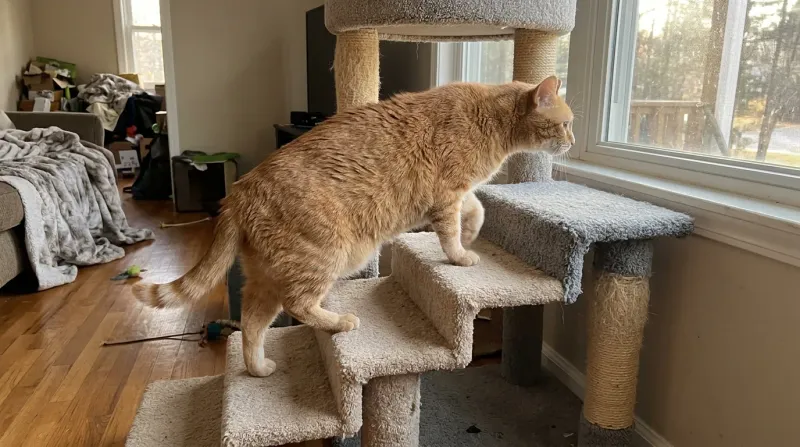
Older heavy breeds or cats recovering from injury still crave elevated window views, even when high jumps become uncomfortable. A low-profile stair-step tower rises to around 40 to 48 inches using wide, carpeted ramps or gentle 10-inch step intervals. This staircase layout protects aging joints from high-impact landings while keeping your cat off cold floors. Place it directly beneath a sunny window sill to create an accessible daily observation deck.
8Floor-to-Ceiling Tension Rod Cat Pillar
If you have limited floor space but high ceilings, a tension rod tower braces firmly between the floor and ceiling joists to prevent tipping. Wide, staggered wooden shelves spiral up a central heavy-duty column, letting muscular cats climb vertically like a real tree trunk. Tighten the top tension screw every few weeks during seasonal humidity changes, and verify that your ceiling is solid drywall over joists rather than fragile drop-ceiling tiles.
9Carpet-Clad American-Made Solid Plank Tree
Traditional heavy carpet-covered trees built with solid wood planks offer unmatched traction for large paws gripping during fast climbs. Unlike slick laminated wood surfaces where big cats can slide off during a jump, dense household-grade carpeting lets claws dig in securely. Vacuum the carpeted tiers weekly with a rubber brush attachment to remove trapped fur, and inspect staples periodically to ensure none work loose over time.
10Wide-Base Dual-Condo Multi-Cat Fortress
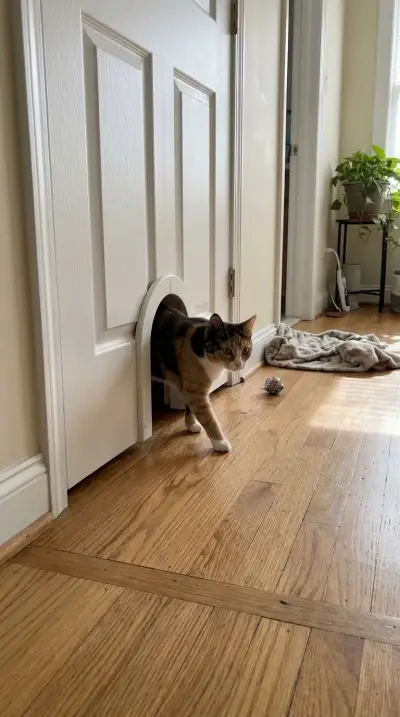
When two or more large cats share a home, single-post towers quickly become crowded or unstable during play wrestling. A dual-condo fortress uses two ground-level enclosed houses as twin anchor pillars supporting the upper levels. This wide double-base footprint spreads weight across a broad area and gives each cat a private retreat when they want space. Adding a quiet retreat room with one of these <a href="https://farmingzoom.com/blog/interior-cat-door-ideas-home-decor">interior cat door ideas</a> can further reduce territory tension.
11Modern Curved Plywood Tree With Washable Cushions
Bent-plywood cat trees combine sleek home aesthetics with serious structural strength, using thick molded hardwood layers that resist flexing under heavy loads. Each curved shelf holds a thick Velcro-attached cushion that provides joint-friendly padding without slipping when a heavy cat lands. Wipe the smooth wood surfaces down with a damp cloth, and avoid harsh chemical cleaners that could irritate sensitive paw pads.
How to Choose the Right Size and Stability Features
Before buying any tower, measure your cat from nose to the base of the tail while stretched out. A top bed or platform should match or exceed that length so your cat can curl up or sprawl without hanging over the edge. Look for support columns at least 5 to 6 inches thick, as skinny 3-inch cardboard tubes tend to snap or lean under repeated leaps.
Check the footprint of the bottom board as well. A wide, heavy base made of solid wood or thick particleboard keeps the center of gravity low. If you live with one of the best cat breeds for families that grows past 15 pounds, always verify the stated weight limit per tier rather than just the total tower capacity.
Safety Tips for Senior Cats and Multi-Cat Homes
Tall towers are thrilling for agile youngsters, but older large cats or those carrying extra weight face higher risks when jumping down from 6-foot heights. Repeated hard landings strain elbows, hips, and knees. Place lower steps or a sturdy ottoman beside tall towers to create an easier descent path.
Keep sharp objects, dangling elastic cords, and toxic houseplants like lilies well away from elevated perches where curious cats spend hours lounging. If you notice your cat hesitating to jump, limping, or struggling to climb levels they used to reach easily, schedule a visit with your veterinarian to check for arthritis or joint pain.
Choosing the right cat tree for large cats comes down to matching the tower's footprint, post thickness, and perch size to your pet's adult weight and length. Prioritize solid materials, wide bases, and safe step spacing over flashy dangling toys. Once assembled, tighten every bolt firmly and recheck connections monthly so your big cat stays safe for years.
Frequently asked questions
How wide should a cat tree perch be for a large cat?
Look for top perches and beds that measure at least 18 to 20 inches wide or long. This gives big breeds like Maine Coons and Ragdolls enough room to stretch out or curl up comfortably without hanging over the edge.
What post thickness is best for heavy cats?
Choose scratching posts that are at least 5 to 6 inches in diameter. Thicker posts resist bending and snapping when a heavy cat leans their full weight into a vertical stretch or leaps onto upper tiers.
How do I stop a tall cat tree from tipping over?
Place the tree on a flat, hard surface rather than thick carpet, choose a model with a wide weighted wood base, and use heavy-duty wall-anchoring straps screwed into wall studs for towers taller than 5 feet.
Are tall cat trees safe for older large cats?
Very tall trees with wide gaps between levels can strain senior joints when jumping down. For older large cats, pick a shorter 40- to 48-inch tree with gentle stair-step platforms, and consult a vet if your cat hesitates to climb.