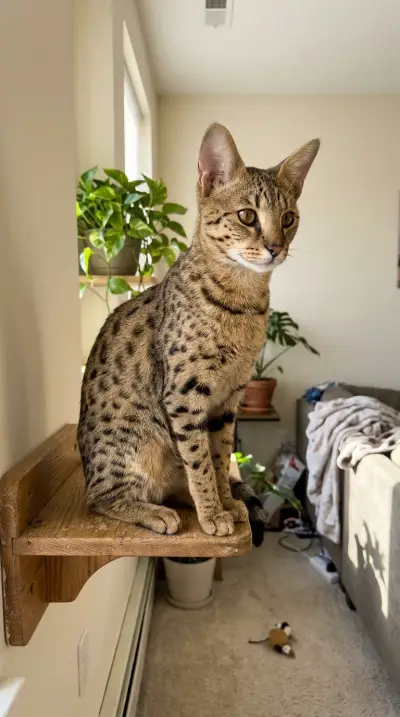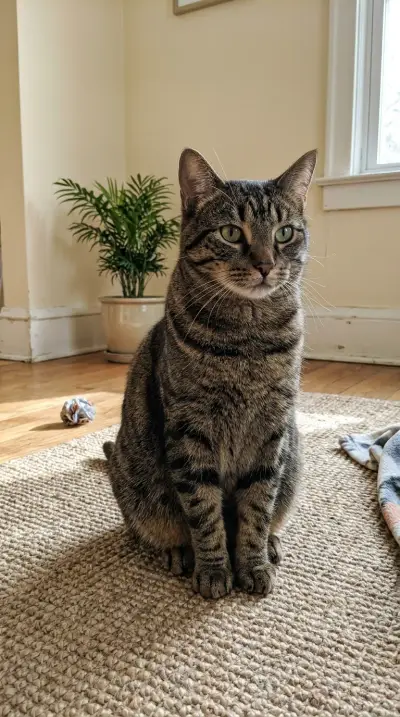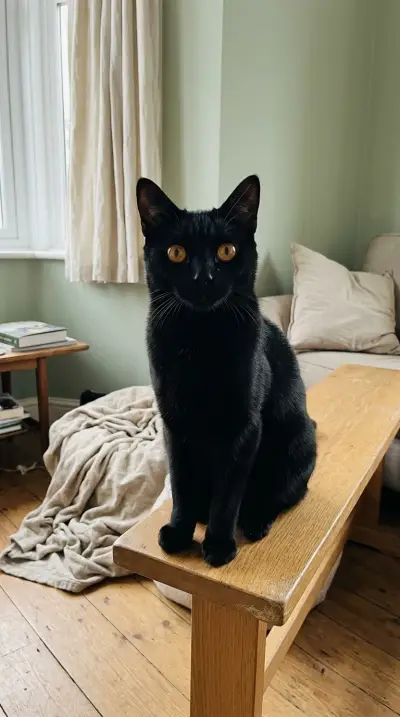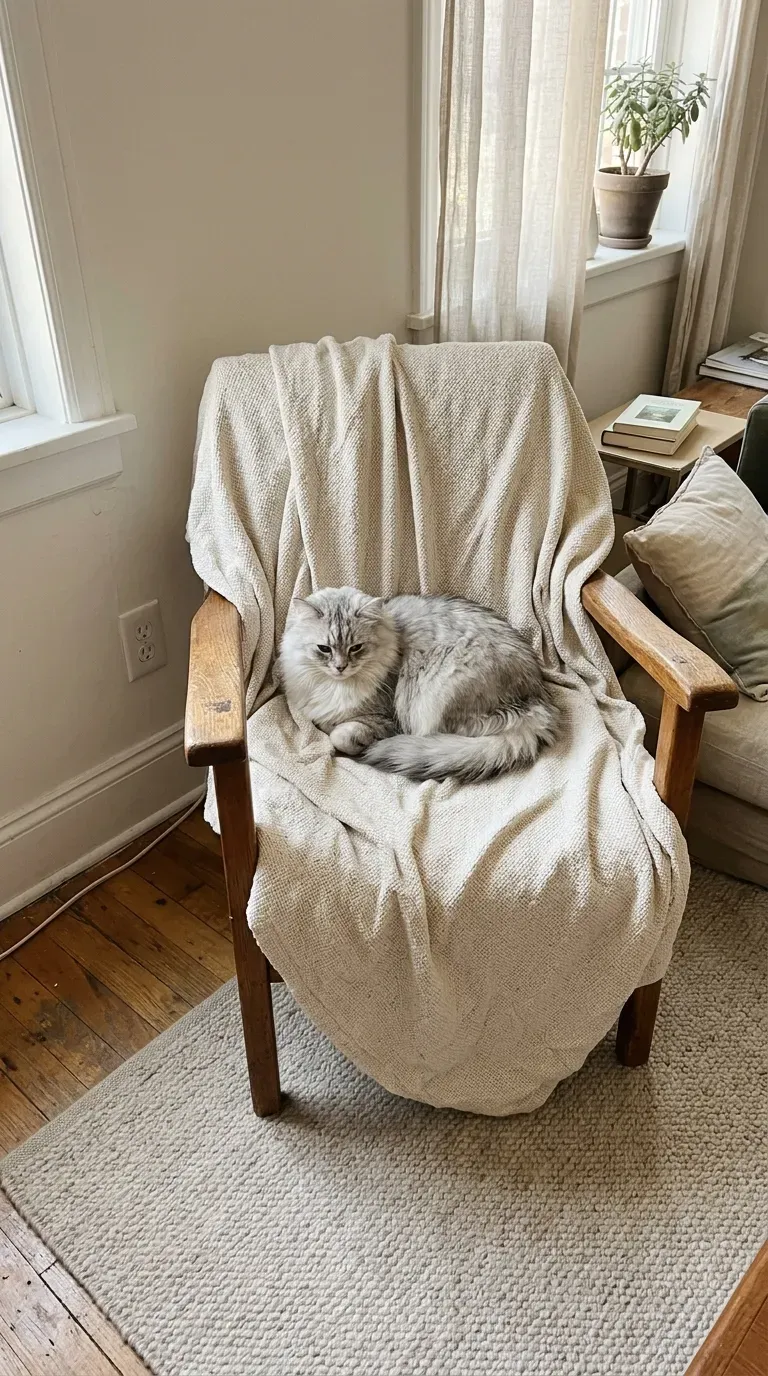
These 11 hypoallergenic cat breeds produce fewer allergy-triggering proteins or release less dander into your living space, giving sensitive households a realistic path to living with a feline.
Cat allergies rarely stem from fur itself; instead, immune reactions target Fel d 1, a microscopic protein found in cat saliva, skin oils, and dander. When a cat grooms, saliva dries on the coat and becomes airborne. Below, you will find the top low-allergen breeds paired with their shedding patterns, temperaments, and practical home care setups.
How to Set Up Your Home for a Low-Allergy Cat
Even the lowest-allergen cat breed still produces some Fel d 1 protein, so pairing the right breed with smart room adjustments keeps airborne dander low without turning your home into a clinic.
- Keep the bedroom pet-free: Giving your immune system eight allergen-free hours overnight makes daytime exposure far easier to tolerate.
- Swap heavy textiles for washable surfaces: Choose tightly woven cotton slipcovers, low-pile wool or synthetic rugs, and smooth leather or faux-leather seating instead of deep velvet or shag fabrics that trap dander.
- Place HEPA air purifiers strategically: Run a true HEPA purifier in the bedroom and main living area, keeping units at least 12 inches away from walls for proper airflow.
- Wash cat bedding weekly: Use fragrance-free detergent in hot water on removable fleece or cotton cat beds every seven days.
Common Mistakes Allergy Sufferers Make When Choosing a Cat
Relying on coat length alone is the biggest misstep. A hairless cat still spreads saliva proteins across every sofa cushion it touches, while a thick-coated Siberian often triggers fewer reactions because of naturally lower protein output.
Never commit to a kitten based on a brief five-minute visit. Spend at least 45 to 60 minutes in an enclosed room with adult cats of that breed, since kittens produce significantly less Fel d 1 than mature adults. Finally, remember that females and neutered males generally produce lower allergen levels than intact males.
Finding the right cat with allergies comes down to pairing a lower-allergen breed with simple weekly grooming and easy-to-wash home fabrics. Spend time with adult cats of your top two breeds before adopting, keep your bedroom dander-free, and run a HEPA purifier in your main living room for comfortable everyday living.
1Siberian
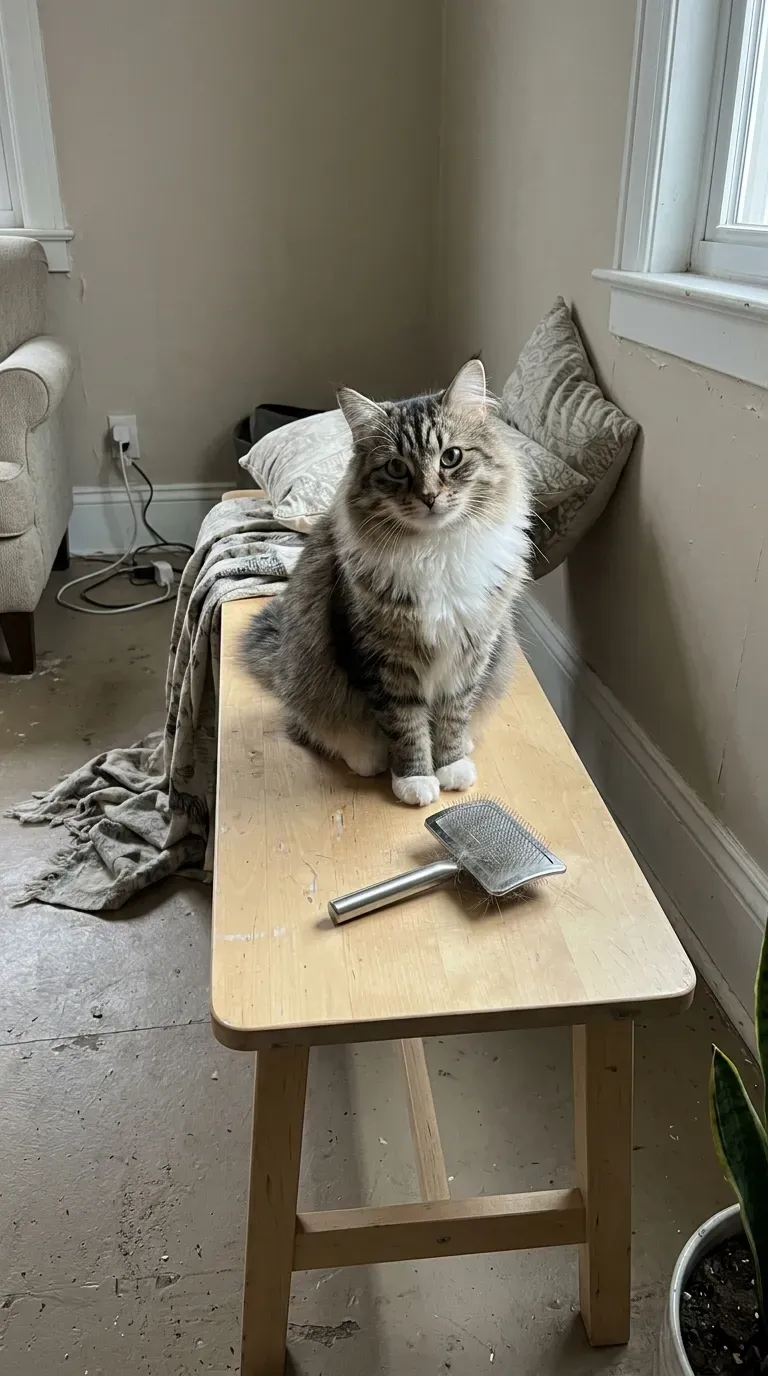
Despite sporting a dense triple coat, the Siberian consistently tops allergy-friendly lists because many individuals naturally produce much lower levels of Fel d 1 protein in their saliva. These sturdy, affectionate cats love following family members from room to room and adapt well to apartments or larger houses. Brush their plush coat two to three times a week with a stainless-steel slicker brush to catch loose undercoat before it settles on rugs. Because they carry a heavy coat, placing a washable cotton throw over their favorite sofa spot keeps cleanup simple.
2Balinese
Often called the long-haired Siamese, the Balinese carries a silky single coat without a dense undercoat, which means far less shedding and airborne dander. Like the Siberian, Balinese cats tend to produce lower amounts of Fel d 1 protein. They are vocal, social, and deeply bonded to their people, making them ideal for owners who want an interactive companion. A quick ten-minute comb-through twice a week prevents tangles and removes surface dander, and their sleek coat rarely mats around furniture.
3Devon Rex
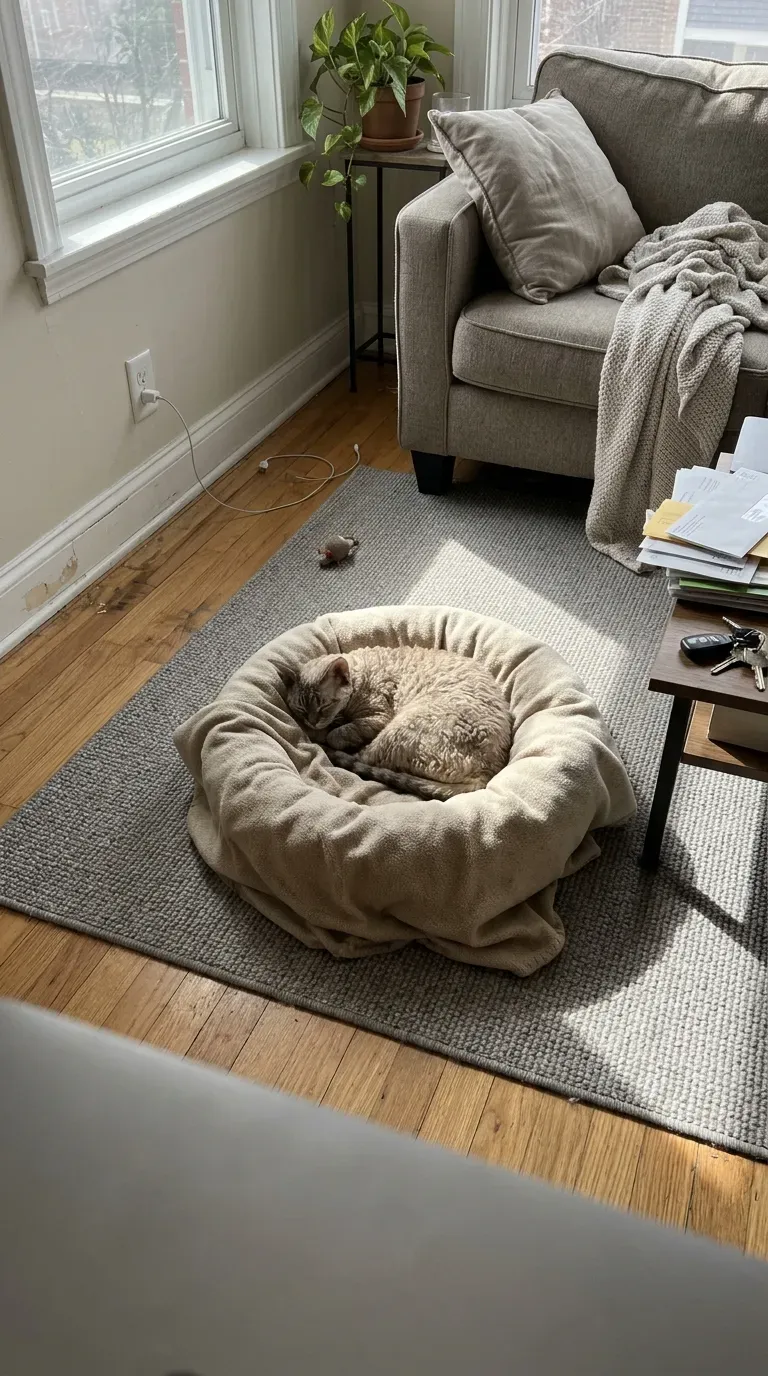
The Devon Rex has a short, wavy coat made mostly of soft down hair rather than long guard hairs, dramatically cutting down on loose fur drifting through your rooms. Playful, mischievous, and warm to the touch, they love perching on shoulders and burrowing under blankets. Skip stiff brushes that can break their fragile curls; instead, wipe their coat weekly with a damp microfiber cloth to lift skin oils and saliva residue. Keep a warm, washable fleece bed in sunny spots since their thin coat holds less body heat.
4Cornish Rex
Closely related in coat structure to the Devon Rex, the Cornish Rex wears tight, velvety marcel waves and lacks guard hairs entirely. Because minimal hair falls out, dander stays closer to the skin rather than floating onto curtains and bookshelves. Cornish Rex cats are energetic, athletic, and thrive in active households with tall cat trees. Wipe their coat gently with a damp chamois cloth once a week and check their large ears regularly for wax buildup to keep skin oils balanced.
5Russian Blue
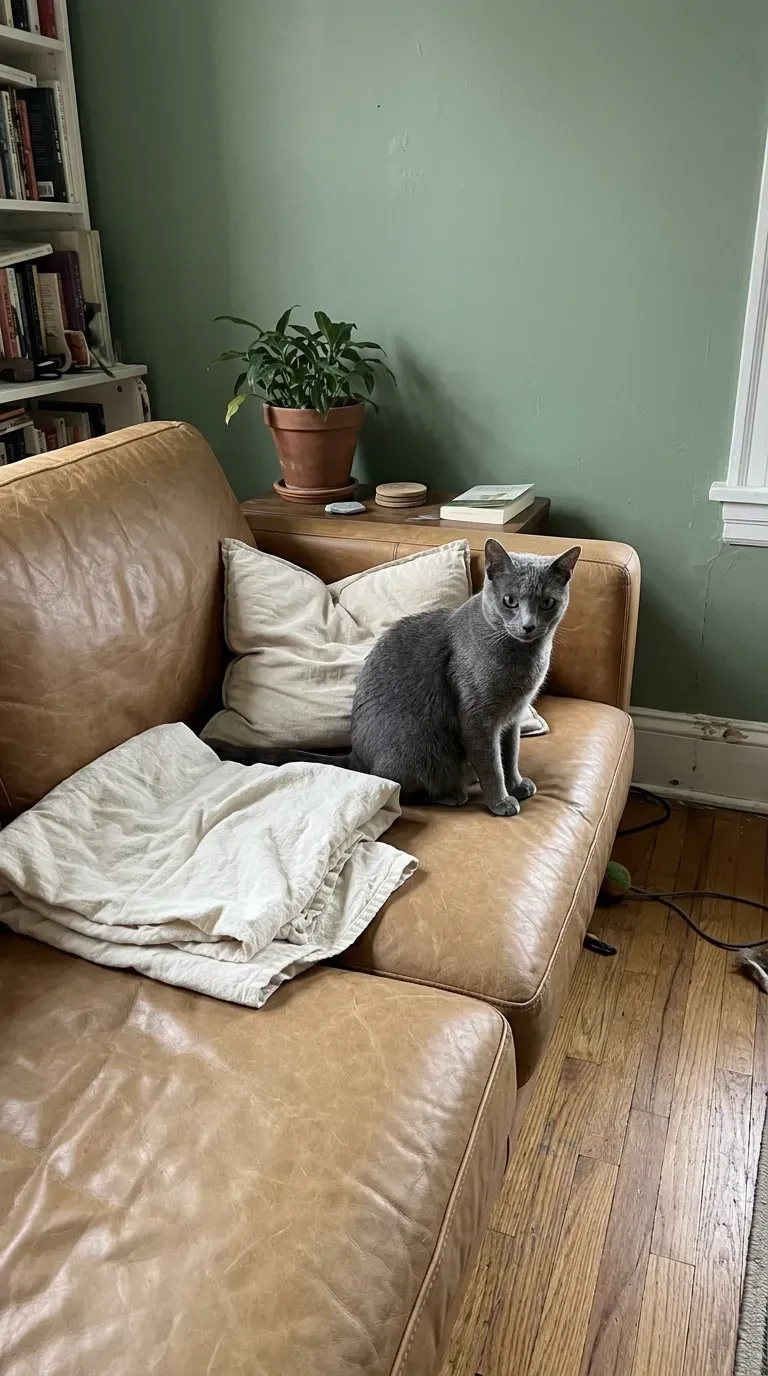
Known for its shimmering silver-blue double coat and quiet, gentle demeanor, the Russian Blue tends to produce lower levels of Fel d 1 while trapping much of its remaining dander close to the skin. They are calm, routine-loving cats that suit quiet apartments and predictable schedules. Weekly brushing with a fine-toothed metal comb removes dead hair neatly without scattering dust. Pair their tidy habits with a covered, low-dust litter box tucked into a well-ventilated utility corner.
6Bengal
The Bengal features a uniquely short, pelt-like coat that requires far less self-grooming than standard domestic cats, meaning less dried saliva ends up on their fur. Their dense, satin-smooth coat also sheds very lightly compared to average shorthairs. Bengals are high-energy, intelligent climbers that need vertical wall shelves and interactive wand play to stay happy. Rubbing their sleek coat down once a week with a soft grooming mitt lifts loose hairs and keeps dander off upholstery.
7Sphynx
Without fur to trap and scatter dander around your home, the hairless Sphynx eliminates shedding entirely, though they still produce Fel d 1 in their skin oils and saliva. Cuddly, extroverted, and dog-like in devotion, they seek constant warmth and human contact. Because there is no fur to absorb natural body oils, give your Sphynx a lukewarm bath with a gentle, fragrance-free cat shampoo every one to two weeks and line favorite chairs with washable cotton blankets.
8Oriental Shorthair
Sleek, fine-boned, and expressive, the Oriental Shorthair has an ultra-short, single-layer coat that lies flat against the body and sheds minimally. They are highly social, chatty cats that thrive on close companionship and mental stimulation. Grooming takes just a few minutes a week using a soft natural-bristle brush or damp grooming wipe to sweep away surface dander. Their short coat leaves very little trace on dark fabrics or low-pile living room rugs.
9Javanese
Closely related to the Balinese and Oriental lines, the Javanese has a medium-long, silky coat with no undercoat at all. Without that fluffy inner layer, shedding stays minimal and loose hair rarely floats into air vents. Javanese cats are clever, affectionate, and agile, enjoying puzzle feeders and window perches. Comb their single coat twice weekly with a wide-toothed stainless-steel comb to distribute natural skin oils and capture dander before it settles on bedding.
10Siamese
The classic Siamese combines a very short, fine coat with low shedding, making it easier to manage household dander through routine vacuuming and wiping. Famous for their striking blue eyes and conversational nature, Siamese cats bond closely with their owners and dislike being left alone for long stretches. A quick weekly pass with a rubber grooming brush removes dead hair and stimulates healthy skin, keeping allergen buildup low across small apartments.
11Ocicat
Bred to look like a wild spotted cat with a purely domestic temperament, the Ocicat has a short, tight, satin-textured coat that sheds very little. Outgoing, confident, and easygoing around guests, they adapt smoothly to busy family homes. Their sleek coat needs almost no heavy brushing—just a weekly wipe with a damp cloth or soft rubber curry brush to clear loose hairs and dried saliva proteins.
Frequently asked questions
What is the number one hypoallergenic cat breed?
The Siberian is widely considered the top hypoallergenic cat breed because many Siberians naturally produce much lower levels of the Fel d 1 protein in their saliva, despite having a thick triple coat.
Are any cats 100 percent hypoallergenic?
No cat is completely hypoallergenic. Every cat produces some Fel d 1 protein in its saliva, skin oils, and dander, though low-shedding and low-protein breeds trigger far milder reactions for most sensitive people.
What is the calmest, most cuddly hypoallergenic cat breed?
The Russian Blue and Siberian are among the calmest and most affectionate low-allergen breeds. Russian Blues enjoy quiet routines and gentle lap time, while Siberians are deeply loyal, relaxed family companions.
How much do hypoallergenic cat breeds usually cost?
Expect to pay between $1,200 and $3,500 for a kitten from a reputable breeder, depending on the breed and lineage. You can also check breed-specific rescues and local shelters for adoption fees around $100 to $300.