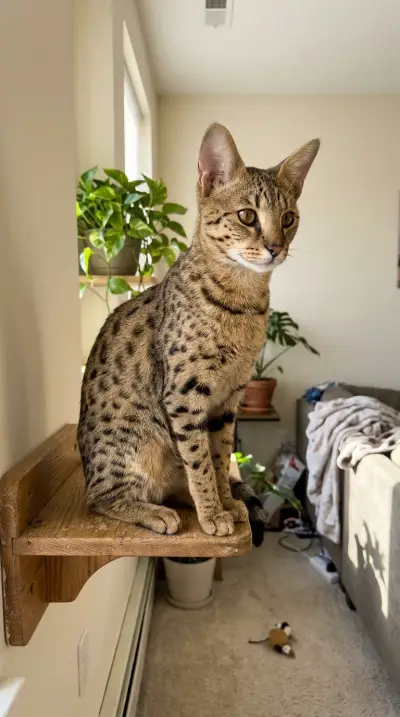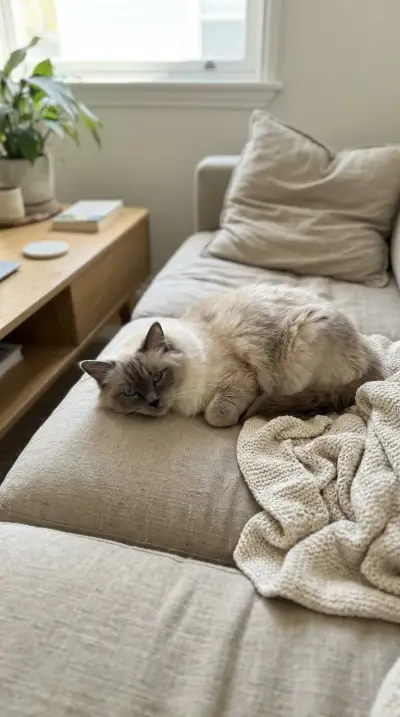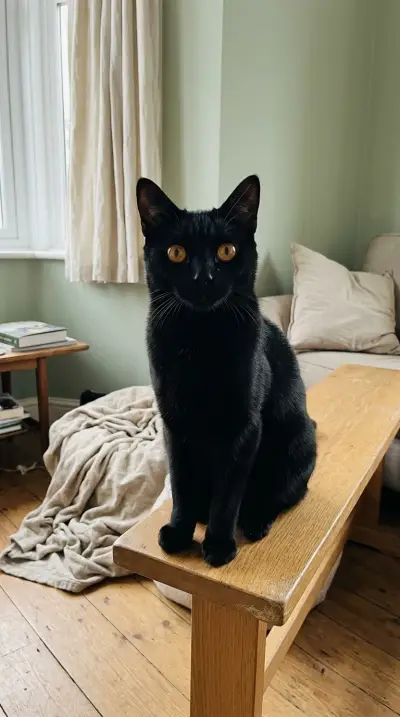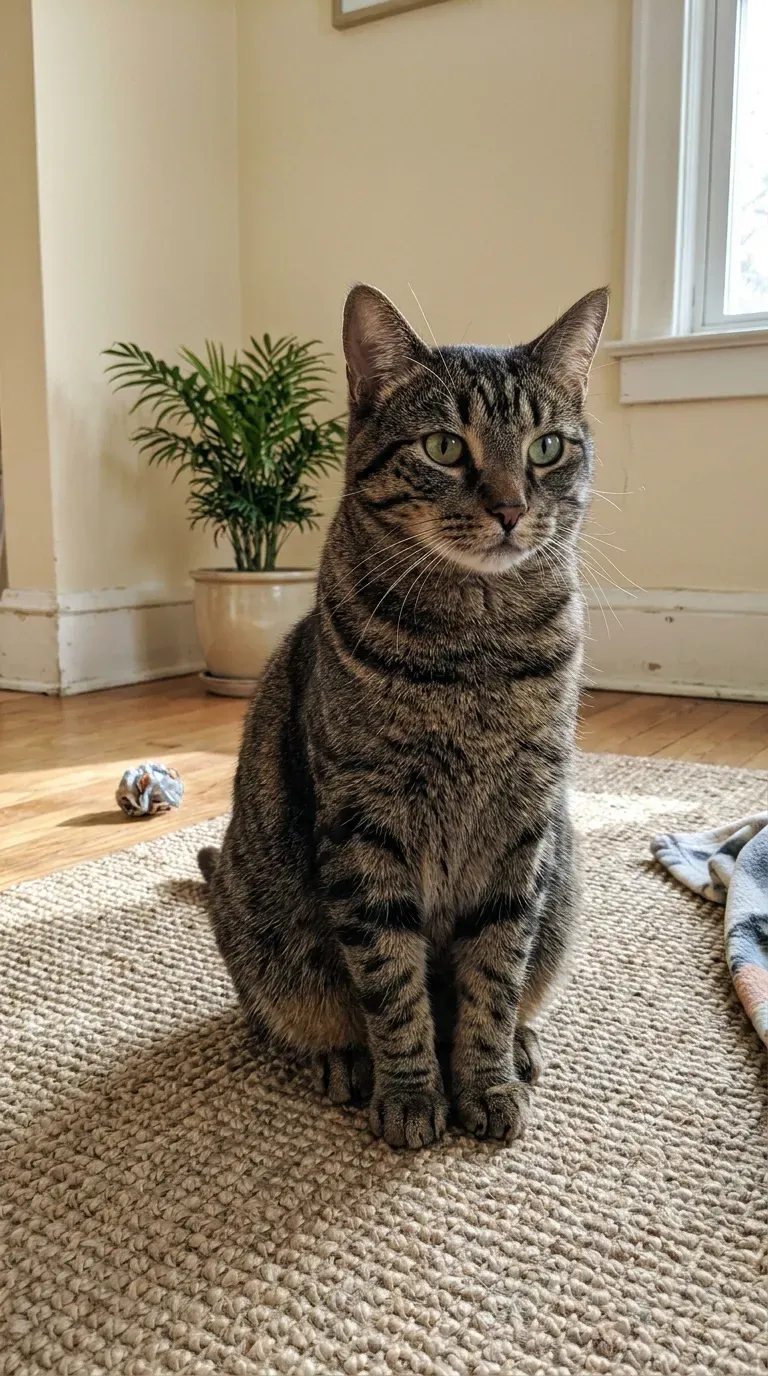
A Domestic Shorthair is not a formal pedigree breed, but a broad classification for non-purebred house cats with short coats and mixed or unknown ancestry. Making up the vast majority of pet cats in homes and shelters today, these felines are prized for their genetic diversity, hardy nature, and wide range of personalities.
Whether you just adopted a rescue kitten or are preparing your home for an adult cat, knowing what to expect makes daily care much smoother. You will learn how to tell a Domestic Shorthair apart from purebred lookalikes, identify common coat patterns, and set up simple feeding and grooming routines that prevent common indoor health issues.
What Is a Domestic Shorthair Cat?
Unlike pedigreed cats bred for strict physical standards, a Domestic Shorthair (often abbreviated as DSH) is a mixed-ancestry feline whose lineage has developed naturally over generations. Cat registries and veterinary clinics use this term to categorize short-haired cats without documented purebred papers, and major cat associations even offer a dedicated household pet class for them in competitions.
People frequently confuse Domestic Shorthairs with popular purebred cats for families like the American Shorthair or British Shorthair. While all three have short coats, purebreds have predictable body shapes and documented family trees. A Domestic Shorthair can have almost any facial structure, ear size, or build, though most grow into medium-sized, muscular adults weighing between 8 and 15 pounds depending on their frame and genetics.
How to Identify Coat Colors and Patterns
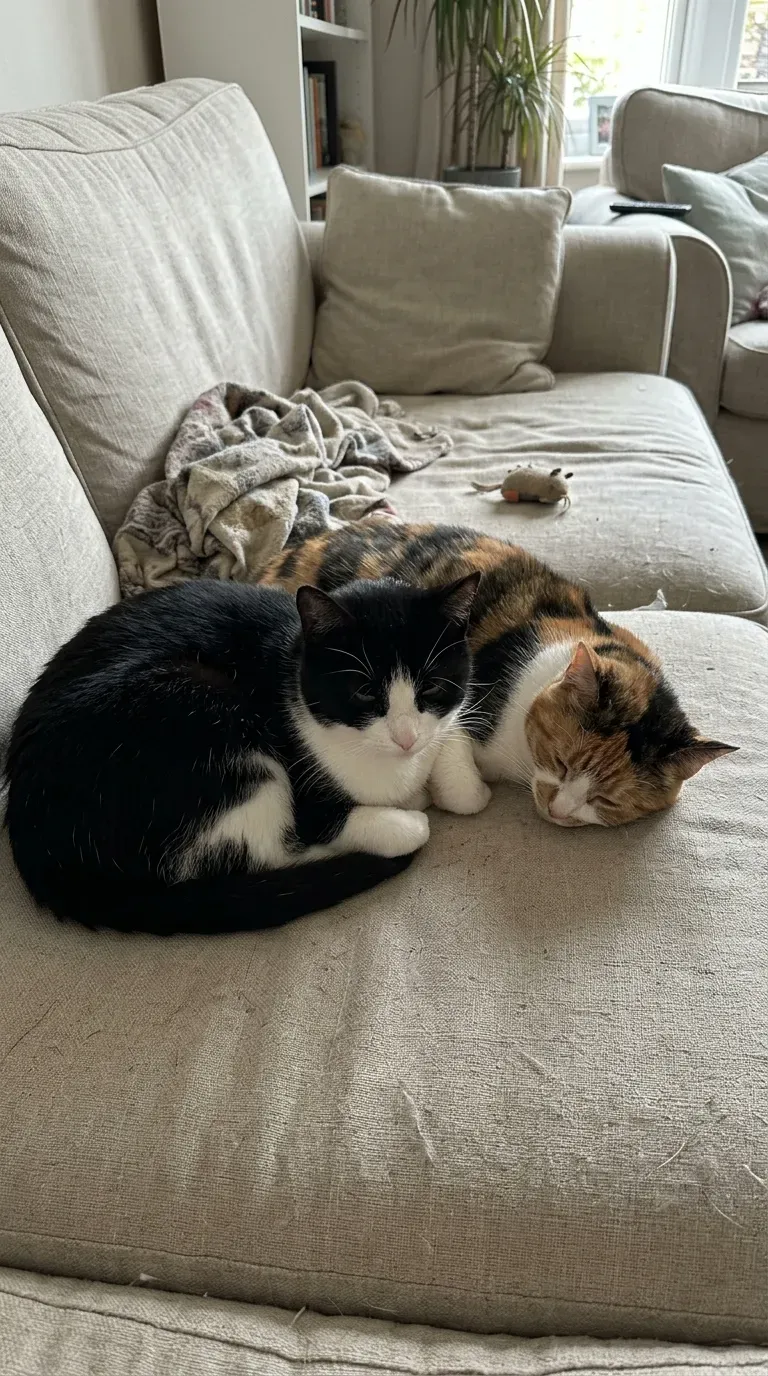
Because Domestic Shorthairs draw from a massive gene pool, they appear in nearly every feline color and marking combination imaginable. Identifying your cat's coat pattern is a fun way to describe them accurately on veterinary records and microchip registrations.
- Tabby: The most recognizable pattern, featuring an "M" shape on the forehead alongside stripes, swirls (classic), spots, or ticked bands across the body.
- Tuxedo and Bicolor: Solid coats—often black, gray, or orange—paired with crisp white patches on the chest, paws, belly, or face.
- Solid Coats: Uniform coloring from root to tip without stripes, including striking solid black coats, blue-gray, white, or cream.
- Calico and Tortoiseshell: Patchwork or mottled blends of black, orange, and cream (with white added in calicos), seen almost exclusively in female cats due to genetics.
Personality and Temperament: Are They Good Pets?
If you are wondering whether a Domestic Shorthair makes a good companion, the answer for most households is a resounding yes. Because they are not bred for extreme physical traits, their temperaments tend to be balanced, adaptable, and resilient. They fit comfortably into busy family homes, quiet apartments, and multi-pet households when introduced properly.
That said, individual personalities vary widely from cat to cat. Some Domestic Shorthairs are outgoing lap cats that follow you from room to room, while others prefer independent lounging on a sunny windowsill with brief bursts of evening play. Adopting an adult cat from a shelter gives you a major advantage, as staff and foster caregivers can already tell you whether a specific cat is vocal, playful, shy, or eager to cuddle.
Daily Grooming and Shedding Routines
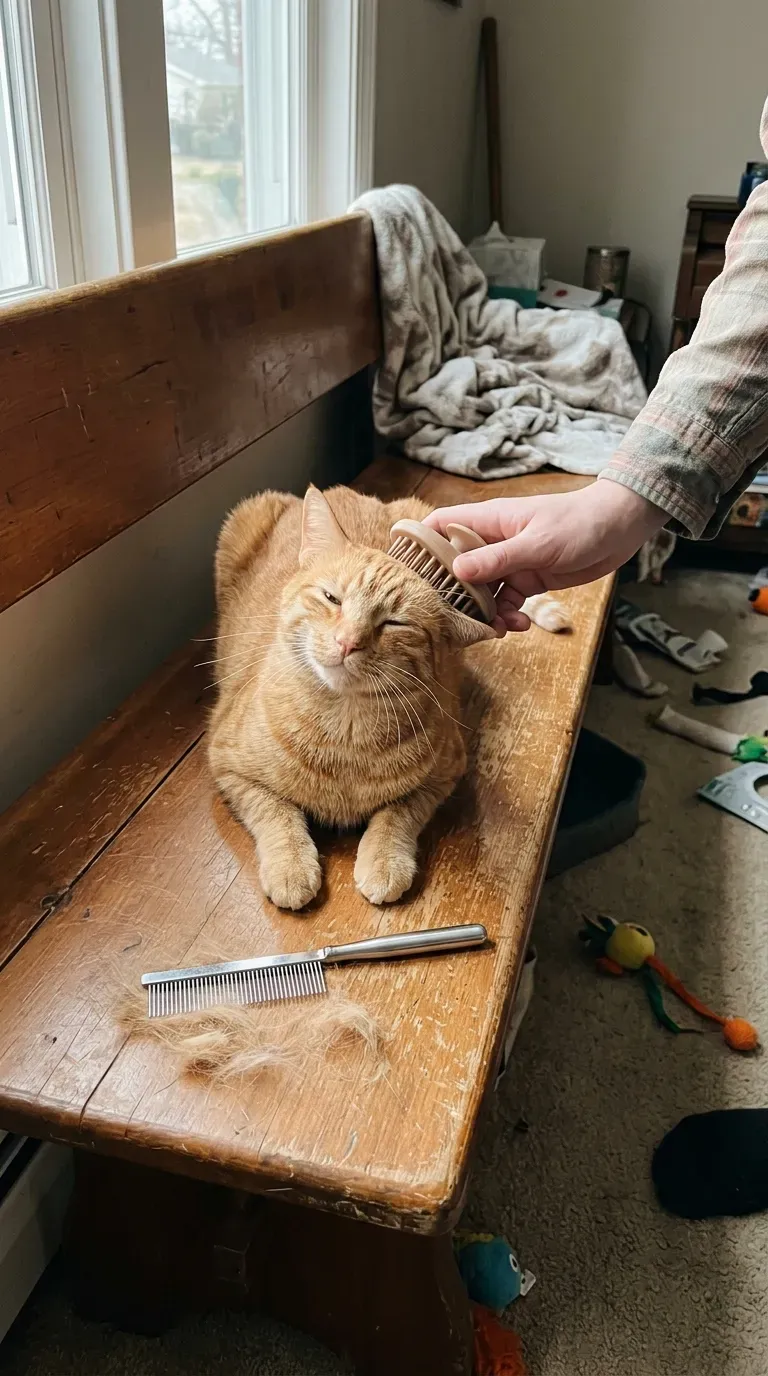
A Domestic Shorthair has a sleek, close-lying coat that requires far less upkeep than long-haired felines, making them ideal for first-time owners. Even so, they still shed year-round—especially during spring and fall seasonal shifts—and benefit from a simple weekly care routine.
- Brush once a week: Use a soft rubber curry brush or fine-toothed metal comb for five minutes to lift loose fur, distribute natural skin oils, and cut down on hairballs.
- Trim nails every two to three weeks: Clip just the clear, sharp tip of each claw using feline nail trimmers, avoiding the pink quick inside.
- Check ears and teeth: Wipe away minor outer ear wax with a vet-approved cleanser when needed, and brush teeth several times a week with enzymatic pet toothpaste to prevent dental disease.
Keep in mind that short fur does not make a cat allergen-free. Anyone sensitive to dander should spend time with the cat before adopting or explore cat breeds that are easier on allergies.
Feeding and Preventive Weight Management
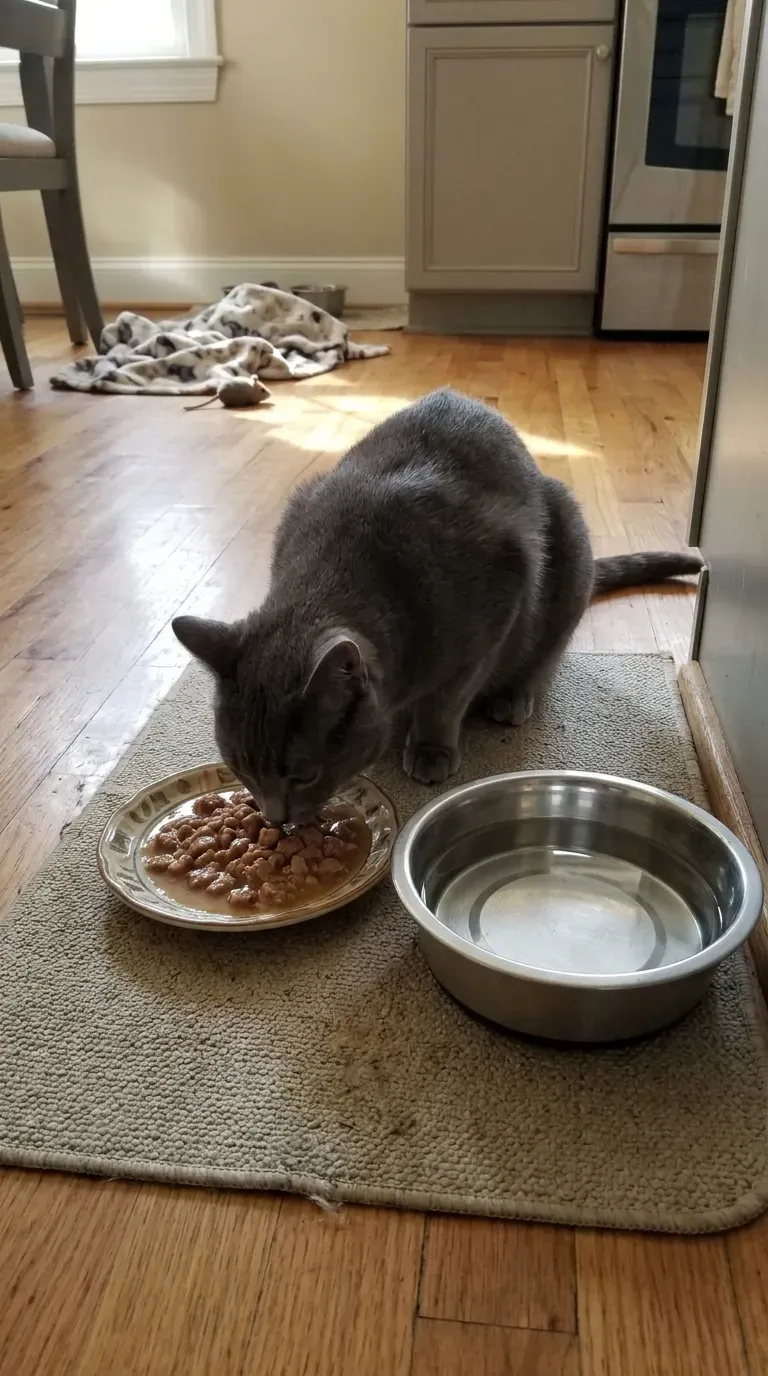
One of the biggest health risks for an indoor Domestic Shorthair is gradual weight gain. Many mixed-breed cats have hearty appetites and lower calorie needs once spayed or neutered, so free-feeding dry kibble all day often leads to obesity, joint strain, and diabetes.
Measure daily portions carefully using a kitchen scale or measuring cup based on your vet's target weight recommendation rather than the broad estimates on food bags. Incorporating wet canned food adds vital moisture to support urinary tract health, while puzzle feeders slow down fast eaters. Keep toxic human foods strictly out of reach—onions, garlic, chocolate, grapes, raisins, caffeine, and xylitol sweeteners are dangerous to cats. Always provide fresh water in wide bowls placed away from the litter box.
Exercise, Enrichment, and Home Safety
Mental stimulation keeps a Domestic Shorthair from developing boredom habits like scratching furniture or waking you at dawn. Aim for two 10- to 15-minute interactive play sessions each day using wand toys that mimic birds or mice, letting your cat stalk, pounce, and catch the lure before winding down with a small meal.
Set up vertical territory with a sturdy cat tree or window perch, and place sisal scratching posts near sleeping areas. Before bringing your cat home, cat-proof every room by removing toxic houseplants such as lilies, pothos, and sago palms. Secure dangling blind cords, store hair ties, yarn, and small plastic objects in closed drawers, and make sure window screens latch tightly.
Common Health Needs and When to See a Vet
Thanks to hybrid vigor, Domestic Shorthairs avoid many inherited disorders seen in narrow purebred lines, often living 15 to 20 years with attentive care. However, they still face routine feline health risks including dental tartar, urinary blockages, parasites, and age-related kidney or thyroid conditions.
Schedule a wellness exam with a veterinarian within the first week of adoption to review vaccines, microchipping, parasite prevention, and spay or neuter timing, followed by annual checkups (or twice-yearly visits for seniors over age 10). Seek prompt veterinary care if you notice sudden hiding, a drop in appetite lasting more than 24 hours, repeated vomiting, frequent straining in the litter box, or labored breathing.
Bringing a Domestic Shorthair into your home means welcoming a one-of-a-kind companion with no rigid breed mold to live up to. By measuring daily meals, scheduling short bursts of active play, and keeping up with routine veterinary checkups, you can help your cat stay lean, curious, and healthy for many years.
Frequently asked questions
What breed of cat is a Domestic Shorthair?
A Domestic Shorthair is not a specific purebred breed. It is a general classification used by veterinarians, shelters, and cat registries for short-haired house cats with mixed or unknown ancestry.
How do I tell if my cat is a Domestic Shorthair?
If your cat has a short coat, comes from a shelter or stray background, and lacks official pedigree registration papers from a recognized purebred registry, they are classified as a Domestic Shorthair regardless of their color or markings.
Are Domestic Shorthair cats rare?
No, Domestic Shorthairs are the most common type of pet cat in North America and much of the world. They represent the majority of cats available for adoption in animal shelters and rescue groups.
How long do Domestic Shorthair cats live?
Indoor Domestic Shorthair cats commonly live 15 to 20 years. Broad genetic diversity helps them avoid many inherited purebred illnesses, especially when paired with weight control, dental care, and annual vet exams.