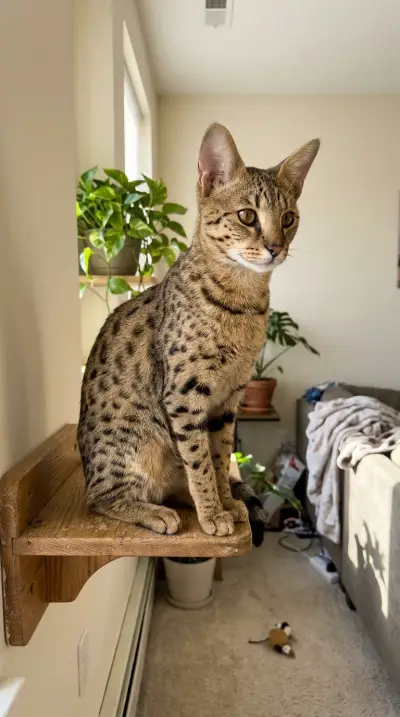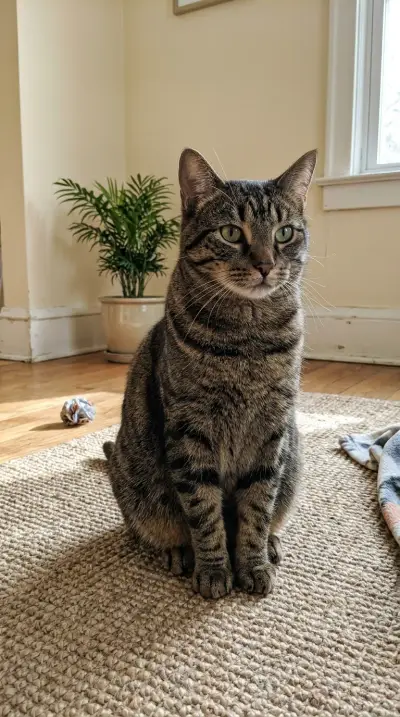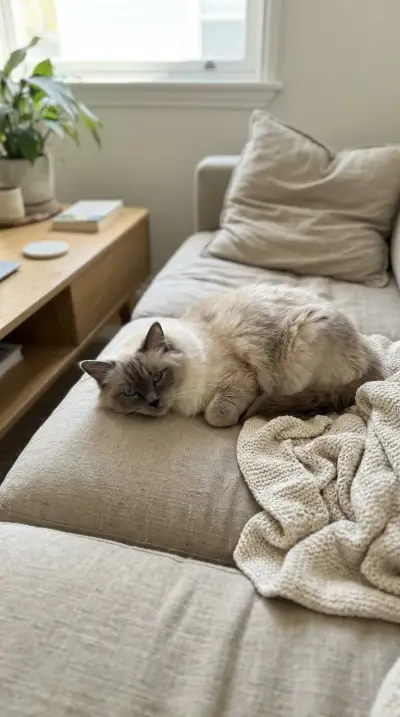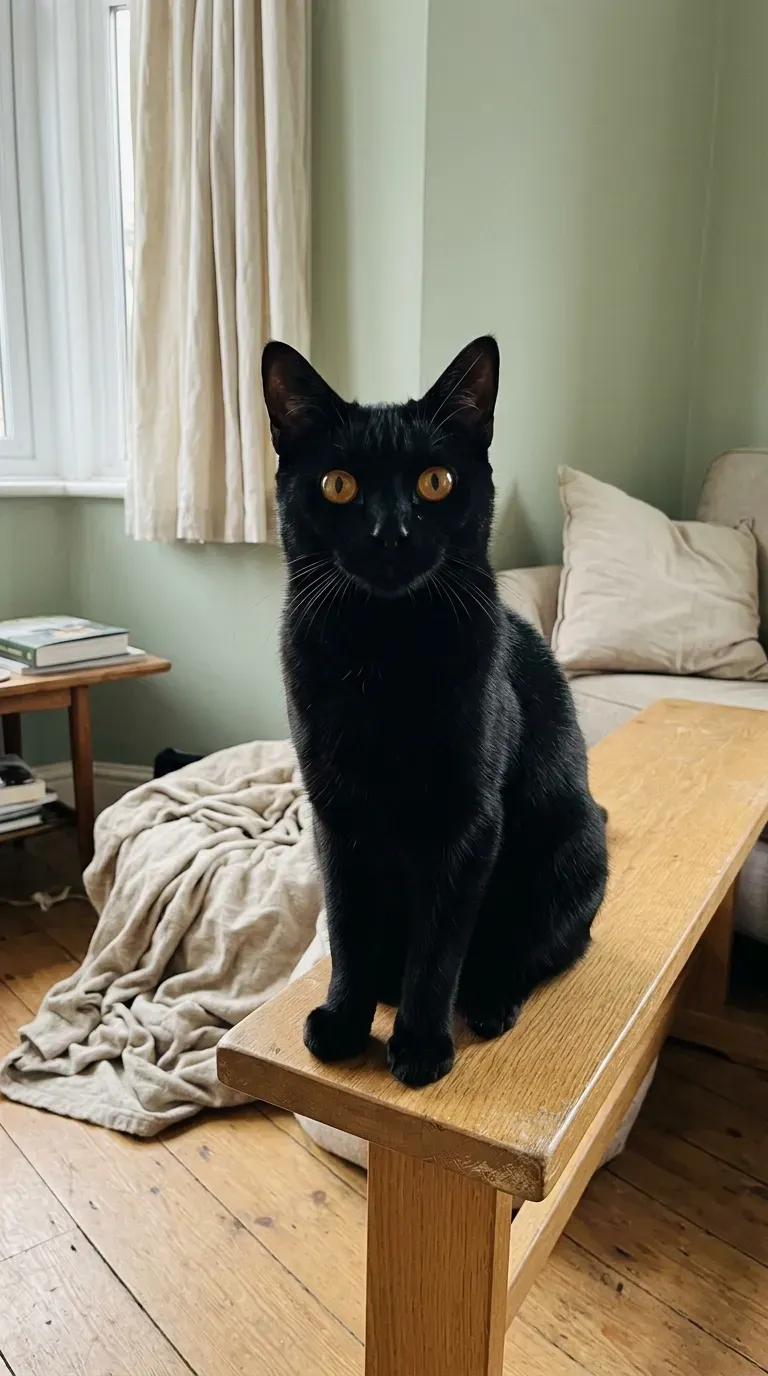
The Cat Fanciers' Association recognizes 22 pedigree breeds that can carry a solid black coat, yet only one breed—the Bombay—is exclusively black from nose to tail. Most black cats you meet belong to multi-color breeds where a dominant black pigment gene covers every hair shaft down to the root.
Choosing between a sleek, low-shedding lap cat and a heavy-coated, high-energy companion comes down to genetics and coat structure. Below, explore 15 distinct black cat breeds with practical details on grooming routines, apartment suitability, and personality traits so you can match the right cat to your household.
True Solid Black vs. Black Coat Variations
When shopping for supplies or reviewing adoption papers, it helps to separate true solid-black breeds from multi-color breeds. A true solid black cat carries uniform black pigment from the tip of each hair down to the skin, paired with black paw pads and a black nose leather. Bicolor or tuxedo cats, by contrast, carry a white spotting gene that creates white paws, chests, or facial markings.
- Exclusively black breed: Only the Bombay is bred strictly for a jet-black coat and copper eyes.
- Multi-color breeds with black coats: Breeds like the Maine Coon, Persian, and American Shorthair appear in dozens of colors, meaning a black kitten can come from parents with tabby or silver coats.
- Sun-bleaching effect: Even genetically solid black coats can turn a warm rust or chocolate shade if your cat lounges in direct window sunlight for hours each day.
If you are still narrowing down which temperament fits a busy household, check our guide to the best cat breeds for families and first-time owners before committing to a high-maintenance coat.
Grooming and Home Setup Tips for Black Cats
Dark fur shows up clearly on light-colored upholstery, while pale dander and loose undercoat hairs stand out against jet-black fur. Setting up a simple weekly grooming station keeps shedding manageable in both small apartments and multi-pet homes.
- Match the brush to the coat: Use a rubber curry brush once a week on short, sleek coats like the Bombay or Oriental Shorthair, and a wide-toothed stainless steel comb every other day on longhaired breeds like the Persian or Maine Coon.
- Protect against sun rusting: Place cat trees near north-facing windows or use sheer UV-filtering curtains to keep dark coats from fading to brown.
- Manage allergens early: While no cat is completely allergen-free, low-shedding breeds like the Cornish Rex and Devon Rex trap less dander in the air; explore more hypoallergenic cat breeds that are easier on allergies if anyone in your home is sensitive.
Whether you want the mirror-like shine of an exclusively black Bombay or the plush coat of a black Maine Coon or British Shorthair, matching coat maintenance to your weekly schedule ensures a happy home. Start by deciding how much brushing time you can realistically spare each week, then look for a breed whose energy level fits your space.
1Bombay
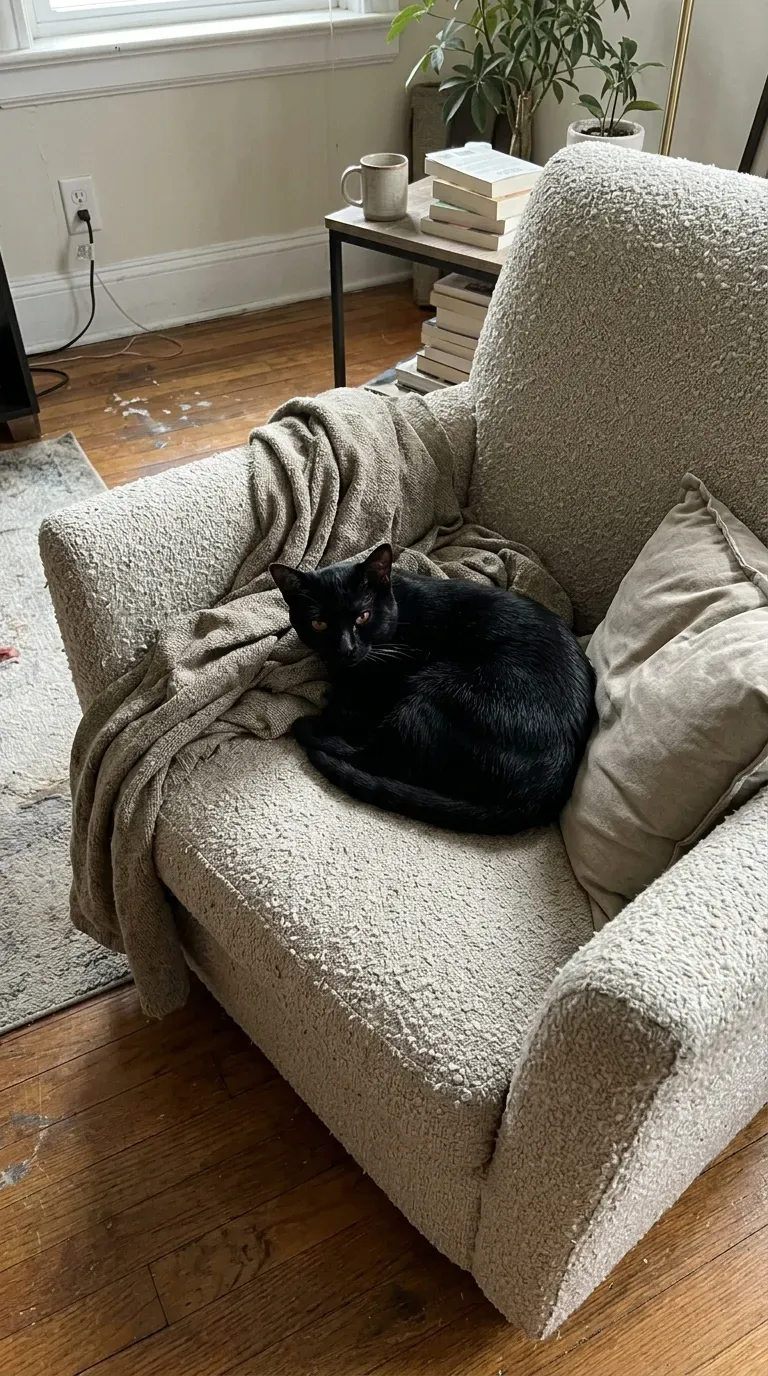
The Bombay is the only cat breed recognized by the Cat Fanciers' Association that is exclusively solid black, down to its nose leather and paw pads. Developed to resemble a miniature black panther, this medium-sized cat features a short, satin-like coat and striking copper or gold eyes. Bombays thrive on human company, follow family members from room to room, and adapt easily to small apartments. Wipe their coat once a week with a damp chamois cloth to keep the glossy finish free of loose hair.
2Maine Coon
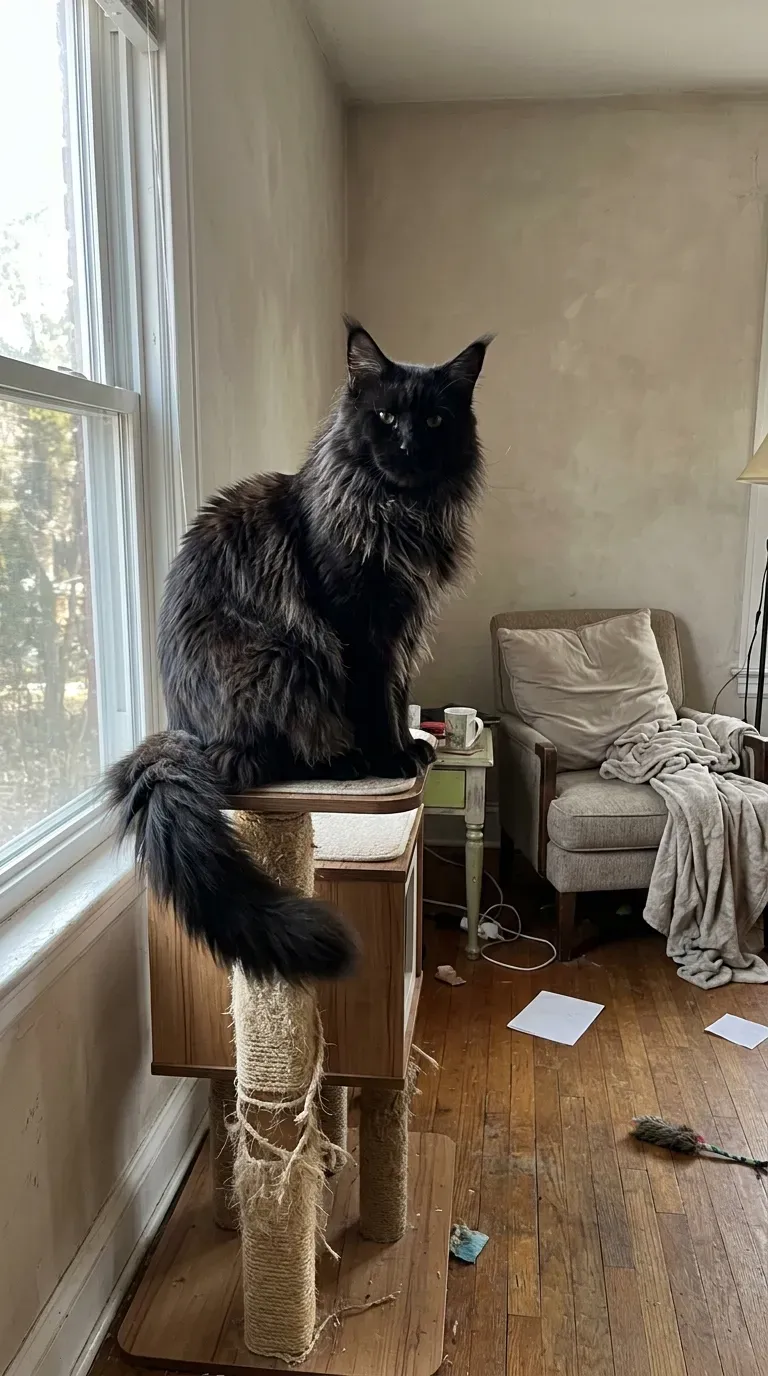
A solid black Maine Coon pairs a massive, muscular frame with a shaggy, water-resistant double coat and a dramatic plumed tail. Despite their imposing size, these gentle giants are famously sociable, dog-like companions that get along well with children and other pets. Their heavy ruff and britches require combing two to three times a week with a metal slicker brush to prevent mats behind the ears and under the legs. Give them a sturdy, extra-large floor-to-ceiling cat tree to support their weight.
3Persian
Solid black Persians stand out with their rounded faces, expressive copper eyes, and dense, floor-sweeping coats that feel like spun silk. They have a calm, quiet temperament and prefer lounging on a soft sofa cushion over climbing high bookshelves, making them ideal for peaceful apartments. Because their thick undercoat tangles easily, you must commit to 10 minutes of daily combing and gentle tear-stain wiping around their flat noses. Keep them strictly indoors to protect their long fur from debris.
4American Shorthair
Known for balanced proportions and a dense, hard-wearing coat, the solid black American Shorthair is an easygoing, low-maintenance housemate. Originally bred as working farm cats, they retain sharp hunting instincts and enjoy interactive wand toys, yet settle happily beside you in the evening. Brush them once a week with a rubber grooming mitt to lift dead undercoat hair, especially during spring and fall shedding seasons. Their adaptable, sturdy nature suits both first-time cat owners and busy families.
5British Shorthair
A solid black British Shorthair wears a remarkably plush, crisp coat so dense it feels like velvet upholstery, paired with round cheeks and vivid copper eyes. These chunkier, medium-to-large cats are affectionate without being clingy—they prefer sitting next to you on the couch rather than being carried around. Their thick plush fur does not mat easily, requiring just a weekly pass with a medium-tooth comb. They do well in rentals where quiet, independent behavior is a plus.
6Cornish Rex
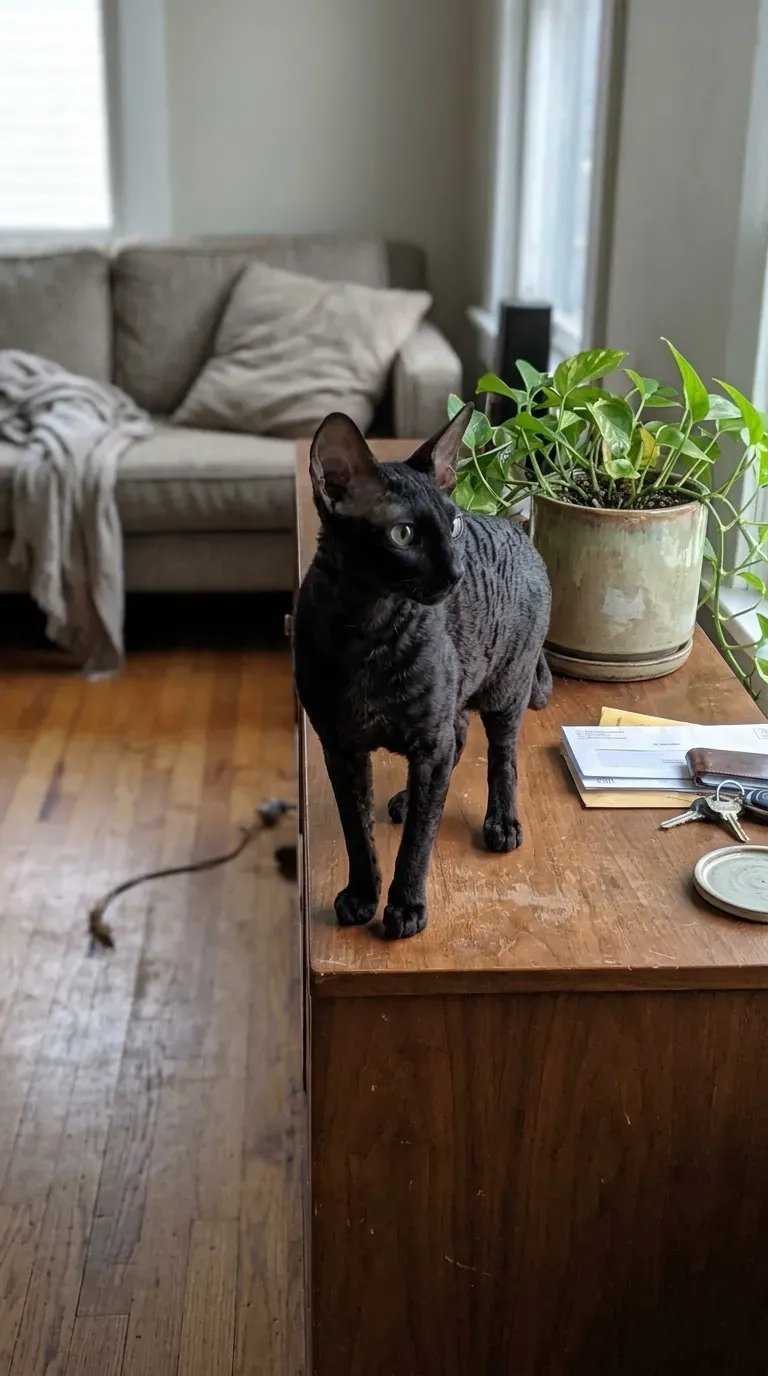
The Cornish Rex sports a tight, marcel-waved coat made entirely of soft down hair, giving a solid black individual the look and feel of crushed velvet. With oversized bat ears, an arched back, and slender legs, this athletic breed loves leaping onto high cabinets and playing fetch. Because they lack guard hairs, they shed very little, though their skin oils require a gentle wipe with a warm washcloth every couple of weeks. Provide a heated cat bed for chilly mornings.
7Devon Rex
Often called pixie cats for their wide-set ears, large eyes, and short, wavy black coat, Devon Rex cats are mischievous, social entertainers. They love perching on your shoulder while you work and burrowing under warm blankets at night. Their fragile, loosely curled fur breaks easily if brushed aggressively, so skip stiff wire brushes and use a soft microfiber cloth instead. Check their large ears weekly for wax buildup to keep them clean and comfortable.
8Oriental Shorthair
Sleek, tubular, and intensely vocal, a solid black Oriental Shorthair displays gleaming jet fur stretched over a lean, athletic body and green eyes. Closely related to the Siamese, this breed forms strong bonds with one or two favorite people and will hold loud, expressive conversations throughout the day. Their fine, single-layer coat sheds minimally and needs only a quick weekly brush with a soft natural-bristle brush. Keep puzzle feeders handy so they stay mentally stimulated while you are away.
9Scottish Fold
A solid black Scottish Fold combines a round, owl-like face and forward-folded ears with a dense, resilient coat in either short or medium length. Sweet-tempered and adaptable, these medium-sized cats adjust smoothly to new living spaces and enjoy gentle play sessions with family members. Brush them once or twice a week to remove loose undercoat, and inspect their folded ears regularly for cleanliness. Choose low-entry litter boxes and carpeted steps to keep jumping easy on their joints.
10American Curl
Recognized instantly by ears that curl gracefully backward, a solid black American Curl has a silky, flat-lying coat with very little undercoat. They keep a kitten-like curiosity well into adulthood, greeting guests at the door without being overly loud or demanding. Because they lack a heavy undercoat, grooming takes only five minutes a week with a fine-toothed comb, and shedding stays noticeably light on dark or light furniture. Handle their delicate ear cartilage gently during routine checks.
11Chantilly-Tiffany
The Chantilly-Tiffany features a semi-long, silky black coat without a thick woolly undercoat, framing a plumed tail and bright gold eyes. Known for soft chirps and trills rather than loud meows, this medium-sized breed attaches closely to its household and dislikes being left alone for long stretches. Comb their coat twice a week to keep the fine fur smooth and free of tangles around the neck ruff. They thrive in homes where someone works remotely or keeps a steady routine.
12Manx
Famous for being tailless or having only a short stub, a solid black Manx has a rounded rump, powerful hind legs, and a dense double coat. Playful and alert, they often act like canine watchdogs, following you around the house and alerting you to unfamiliar sounds at the door. Use a slicker brush twice a week to clear out their thick undercoat, particularly during seasonal coat blows. Sturdy scratching posts help them stretch their muscular back legs.
13Munchkin
With short, sturdy legs paired with a normal-sized torso, a solid black Munchkin moves like a nimble ferret and loves darting under sofas and coffee tables. Available in both sleek shorthair and plush longhair coats, these confident, outgoing cats get along easily with children and gentle dogs. Brush shorthaired Munchkins weekly and longhaired ones every three days to keep belly fur clean from floor dust. Place low-rise stools near beds so they can climb up comfortably.
14Norwegian Forest Cat
Built for harsh northern winters, a solid black Norwegian Forest Cat wears a thick, woolly undercoat topped by long, glossy water-repellent guard hairs. Independent yet affectionate on their own terms, these large, muscular cats love climbing high cat trees and watching birds from sunny windowsills. Run a wide-toothed metal comb through their coat twice a week, increasing to daily combing during their heavy spring shed. Give them tall, heavy-based scratching posts that will not tip over.
15Ragamuffin
Large, heavy-boned, and endlessly patient, a solid black Ragamuffin has a rabbit-soft medium-long coat that resists matting far better than most longhaired breeds. They go limp when picked up and happily tolerate gentle handling from respectful kids, making them standout family companions. Comb their plush coat twice a week with a stainless steel comb to prevent small knots behind the ears. Because they are quiet indoor loungers, portion out measured meals to keep them at a healthy weight.
Frequently asked questions
What breed of cat is pure black?
The Bombay is the only pedigree cat breed recognized as exclusively pure black. Bred to look like a miniature black panther, every Bombay has a jet-black coat, black nose leather, black paw pads, and copper or gold eyes.
What are the 22 breeds of black cats?
The Cat Fanciers' Association recognizes 22 breeds that can appear in solid black, including the Bombay, American Shorthair, British Shorthair, Persian, Maine Coon, Cornish Rex, Devon Rex, Oriental Shorthair, Scottish Fold, American Curl, Manx, and Norwegian Forest Cat.
Why does my black cat's fur look brown in the sun?
Strong ultraviolet sunlight breaks down the black pigment in a cat's fur, causing a temporary reddish-brown tint known as rusting. A diet low in the amino acid tyrosine can also cause dark coats to fade slightly.
How do you tell a solid black cat from a tuxedo cat?
A solid black cat has uniform black fur from root to tip with zero white patches, plus black paw pads and a black nose. A tuxedo or bicolor cat carries a white spotting gene that leaves white fur on the chest, paws, belly, or face.