The most expensive cat breeds can cost anywhere from $1,500 to over $100,000 upfront, driven by rare genetic mutations, small breeding pools, and exotic wildcat ancestry. Understanding these price tags requires looking at both the initial breeder fee and the lifelong care each breed demands.
Before bringing home a high-end pedigree or hybrid feline, you need to factor in specialized diets, frequent grooming, and breed-specific veterinary monitoring. Below, explore 15 of the priciest cat breeds in the world alongside the practical realities of keeping them happy and healthy.
Hidden Ongoing Costs Beyond the Purchase Price
A kitten's purchase price is only the starting line. Purebred and hybrid cats often carry higher recurring bills than a standard domestic shorthair cat, so budgeting ahead prevents financial surprises.
- Specialized Nutrition: Large hybrids like the Savannah and Bengal thrive on high-protein diets. Always consult your veterinarian before feeding raw meat to avoid bacterial risks and nutritional imbalances.
- Preventive Veterinary Screenings: Certain breeds require routine echocardiograms for hypertrophic cardiomyopathy (HCM) or orthopedic checks. Schedule an initial wellness exam within days of bringing your kitten home and keep pet insurance active early.
- Professional Grooming: Dense or hairless coats demand weekly maintenance, medicated shampoos, or professional trims every six to eight weeks to prevent matting and skin infections.
- Enrichment and Containment: High-energy breeds need heavy-duty cat trees, exercise wheels, and secure outdoor enclosures to prevent destructive boredom.
How to Buy a Rare Breed Safely and Responsibly
High demand attracts unethical sellers, especially when rare hybrids are advertised online. Protect yourself and your future pet by verifying every detail before sending a deposit.
Start by checking local and state laws, as F1 through F4 hybrid cats are restricted or banned in several municipalities. Reputable breeders willingly provide genetic health test results for both parents, allow you to inspect clean living quarters, and keep kittens with their mothers for at least 12 to 14 weeks. If high breeder fees and strict health regimens feel overwhelming, consider browsing cat breeds suited for families and first-time owners or adopting a purebred through a breed-specific rescue organization.
Bringing home one of the world's priciest cat breeds requires looking well past the initial breeder fee. Factor in annual cardiac or orthopedic vet checks, specialized diets, and regular grooming before committing. When you match a breed's genetic needs with a realistic care budget, you give your cat the safest, healthiest life possible.
1Ashera Cat
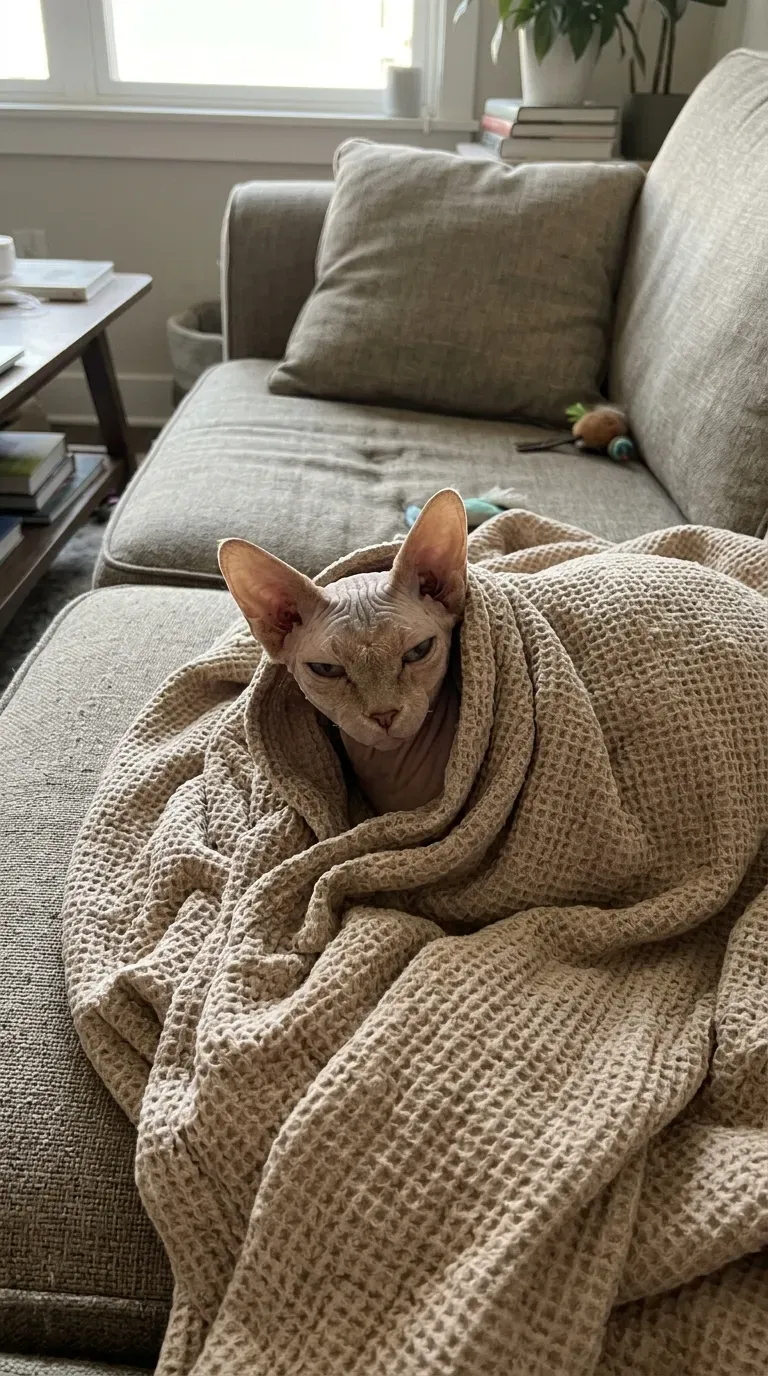
Historically advertised between $75,000 and $125,000, the Ashera is one of the rarest and most expensive hybrid felines ever marketed. Bred from African servals, Asian leopard cats, and domestic housecats, they grow exceptionally large and display bold spotted coats. Because genetic testing later showed many marketed Asheras were actually first-generation Savannahs, buyers should demand verified DNA documentation before purchasing. Expect substantial ongoing costs for high-protein diets, oversized climbing structures, and a veterinarian experienced with exotic hybrids.
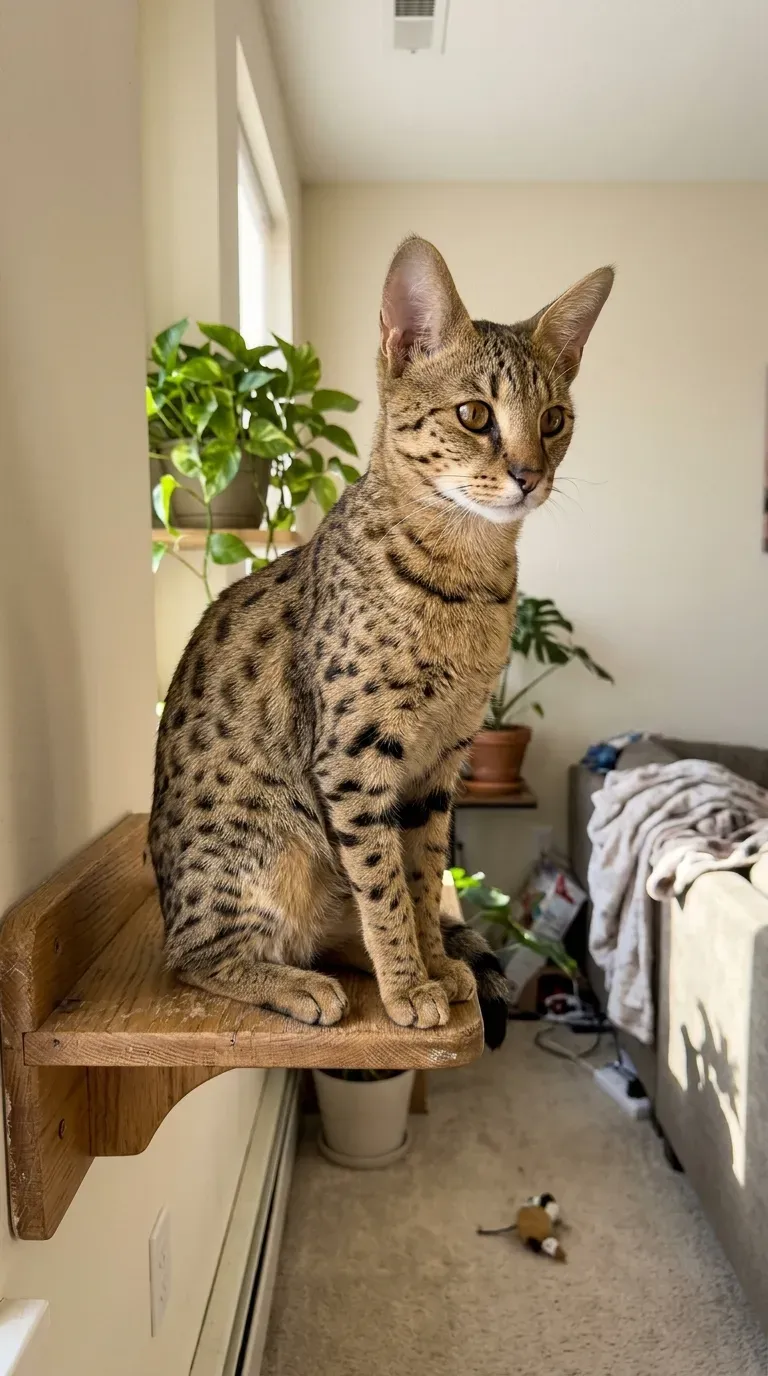
2Savannah Cat
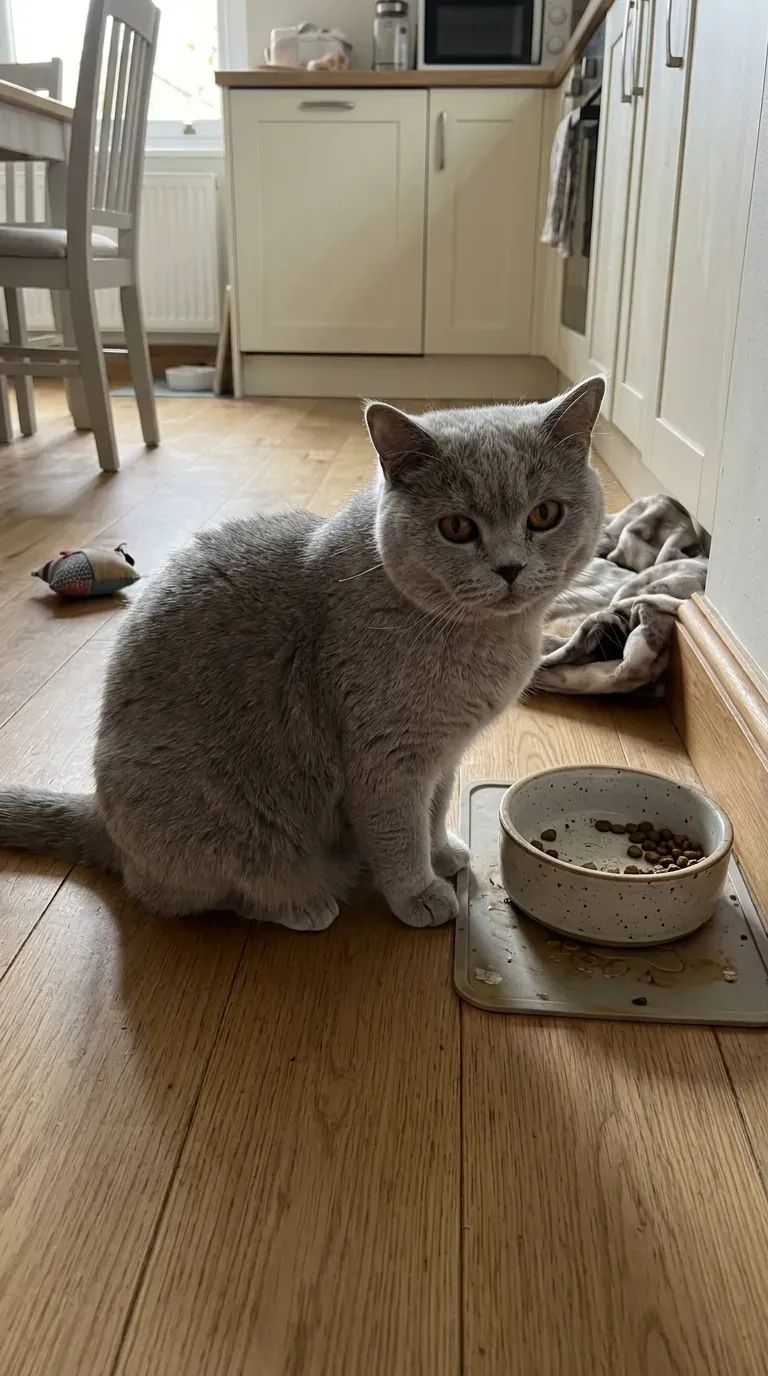
Widely ranked as the most expensive established cat breed, Savannahs typically cost between $1,500 and $20,000 or more depending on generation. First-generation (F1) kittens, which have an African serval parent, command the highest prices due to difficult breeding requirements. Energetic, dog-like, and tall, Savannahs need secure indoor-outdoor enclosures, interactive puzzle toys, and high-protein meals. Before buying, check local municipal laws, as several states and cities restrict early-generation hybrids, and confirm your vet can handle non-domestic ancestry.
3Bengal Cat
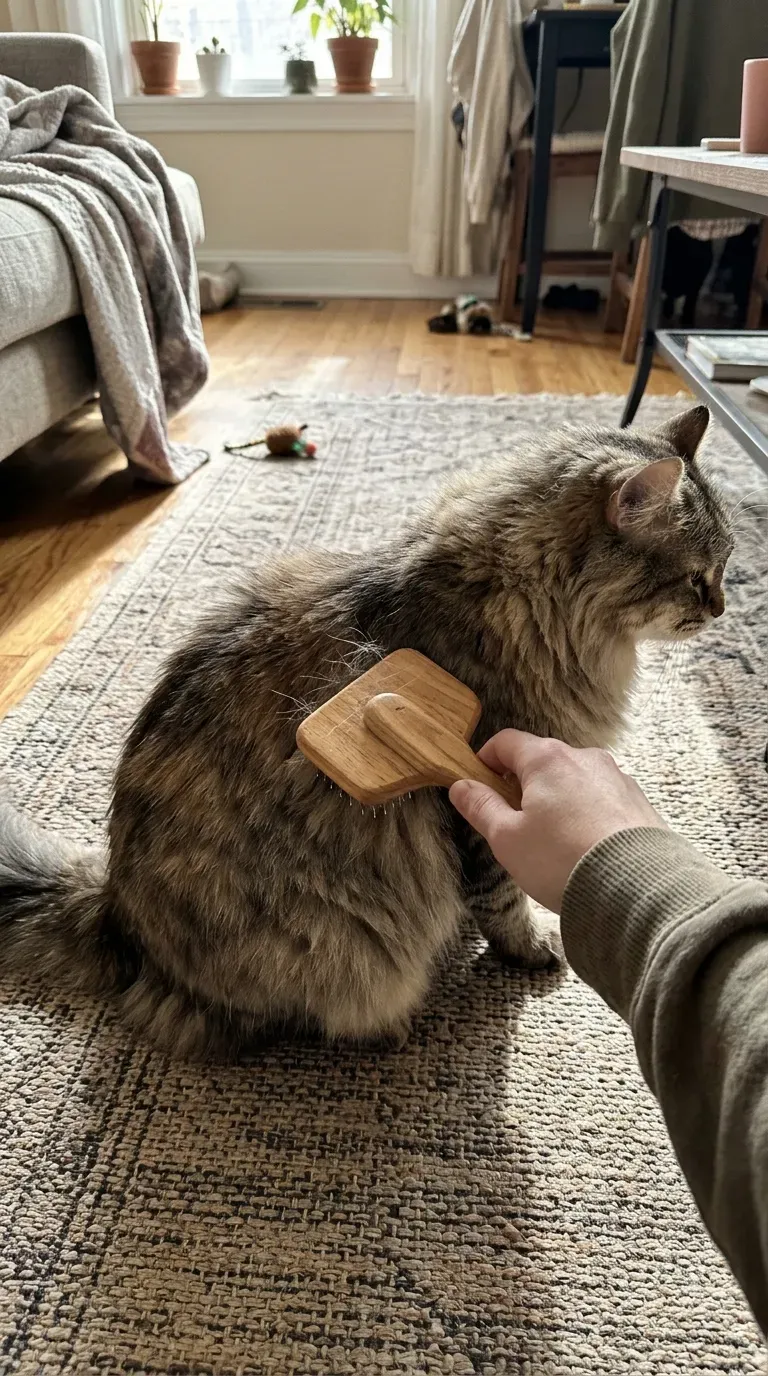
Developed by crossing domestic cats with the Asian leopard cat, Bengals generally cost between $1,500 and $5,000, with show-quality rosettes reaching even higher. Their glittering, wild-patterned coats require minimal brushing, yet their athletic bodies demand intense daily play and vertical territory. Owners should budget for routine veterinary heart screenings, as Bengals carry a predisposition to hypertrophic cardiomyopathy (HCM). Investing in a sturdy feline exercise wheel helps channel their boundless energy safely indoors.
4Khao Manee
Originating in ancient Thailand, the Khao Manee is prized for its pure white coat and striking jewel-toned eyes, often featuring heterochromia with one blue and one gold eye. Because bloodlines outside Thailand remain small, kittens usually sell for $7,000 to $11,000. While their short coat needs only weekly brushing, pure white cats with blue eyes face a higher risk of congenital deafness. Have a veterinarian perform a BAER hearing test early and keep these social cats strictly indoors.
5Caracat
A rare hybrid resulting from a cross between a wild caracal and a domestic Abyssinian, the Caracat can cost anywhere from $15,000 to over $20,000. Recognizable by their tufted ears and muscular build, these cats retain strong wild instincts and require experienced handlers. Ongoing expenses include custom-built, escape-proof enclosures, specialized raw or high-meat diets formulated with a veterinary nutritionist, and thorough checks on local exotic pet permits before bringing one home.
6Chausie
Bred from the wild jungle cat and domestic shorthairs, Chausies typically range from $5,000 to $10,000 for early-generation kittens. These tall, athletic felines bond closely with their families and dislike being left alone for long hours. Because some Chausies have sensitive digestive tracts that react poorly to grains and fillers, owners must budget for premium, high-protein wet foods and regular veterinary checkups to monitor gastrointestinal health.
7Peterbald
Hailing from Russia, the Peterbald is an elegant, hairless or peach-fuzzed breed that costs between $1,700 and $5,000. Without a full coat to absorb natural skin oils, Peterbalds require weekly warm baths, gentle ear cleaning, and nail trims to prevent buildup and skin irritation. They also have a fast metabolism to maintain body heat, meaning higher daily food portions, heated pet beds during winter, and strict sun protection near sunny windows.
8Sphynx
Famous for their wrinkled, hairless skin and extroverted personalities, Sphynx kittens generally cost $1,500 to $4,000 from reputable breeders. Although you save on hairbrushes, ongoing grooming costs stay high due to weekly bathing, eye wiping, and ear cleaning routines. Prospective owners should also budget for annual veterinary echocardiograms to screen for heart disease and keep sweaters or warm blankets handy in cooler climates.
9Lykoi
Known as the werewolf cat for its patchy, roan coat caused by a natural genetic mutation, the Lykoi typically sells for $1,500 to $3,500. Because the mutation is relatively new, ethical breeders maintain strict health-testing protocols, keeping supply low. Lykois shed seasonally and occasionally go nearly bald before regrowing their coat, so owners should monitor their skin for dryness and schedule regular vet visits to rule out dermatological issues.
10Persian Cat
One of the oldest luxury breeds, show-quality Persians cost between $1,500 and $5,000. Their long, flowing coats demand daily combing to prevent painful mats, plus professional grooming appointments every couple of months. Because of their flat facial structure, owners must wipe tear stains daily and budget for potential veterinary care involving dental crowding, breathing difficulties, and polycystic kidney disease (PKD) screenings.
11Scottish Fold
Cherished for their round faces and forward-folded ears, Scottish Folds typically cost $1,500 to $3,500. The same genetic mutation that folds their ears also affects cartilage throughout their body, placing them at risk for painful osteochondrodysplasia. Responsible buyers should only work with breeders who outcross Folds with Scottish Straights and budget for ongoing veterinary pain management, joint supplements, and regular orthopedic evaluations.
12Russian Blue
Admired for their plush, double-layered silver-blue coat and emerald eyes, pedigree Russian Blues cost between $1,500 and $3,000. They tend to be quiet, observant companions that thrive on predictable routines and are often featured among <a href="https://farmingzoom.com/blog/hypoallergenic-cat-breeds-easier-on-allergies">cat breeds that are easier on allergies</a>. Their dense coat sheds lightly and requires weekly brushing, while their tendency toward weight gain calls for measured, high-protein meals.
13British Shorthair
With teddy-bear cheeks and a dense, crisp coat, British Shorthairs usually cost $1,500 to $3,000, with rare golden-shaded varieties reaching higher figures. Calm and easygoing, they adapt well to apartment living but are prone to obesity if overfed. Owners should plan for portion-controlled diets, interactive wand play to encourage movement, and routine veterinary screenings for heart and kidney health.
14Siberian Cat
Russia's native forest cat combines a weather-resistant triple coat with a playful, dog-like temperament, typically costing $1,500 to $3,000. Siberians mature slowly over five years and grow into heavy, muscular cats that need oversized litter boxes and sturdy cat trees. Twice-weekly brushing prevents tangles, especially during spring and fall coat blows, while annual vet exams help monitor for hereditary heart conditions.
15Toyger
Bred specifically to resemble a miniature tiger with bold vertical stripes, the Toyger costs between $1,500 and $4,000. Unlike wild hybrids, Toygers have entirely domestic ancestry, giving them a relaxed, people-oriented personality without exotic legal restrictions. Their short, plush coat needs minimal grooming, leaving owners to focus their budget on quality nutrition, puzzle feeders, and routine preventive veterinary care.
Frequently asked questions
What cat is the most expensive in the world?
Among established breeds, early-generation Savannah cats are widely considered the most expensive, often costing $1,500 to $20,000 or more. Historically, rare Ashera hybrids were advertised between $75,000 and $125,000.
What cat is worth $13 million dollars?
That figure refers to Blackie, a stray cat inherited by British antiques dealer Ben Rea in 1988, who left him a £7 million (roughly $13 million) fortune—not a specific cat breed's purchase price.
Why are hybrid cats like Savannahs and Caracals so expensive?
Breeding wild felines with domestic cats involves low fertility rates, different gestation periods, and specialized housing. Raising early-generation kittens requires extensive expertise, driving up breeder costs.
Are expensive purebred cats healthier than mixed-breed cats?
Not necessarily. While reputable breeders screen for inherited diseases, narrow gene pools can increase risks for heart, kidney, or joint conditions, making routine veterinary checkups essential.