Effective kitten behavior training for beginners starts the very day you bring your new pet home, focusing on positive rewards rather than punishment. Kittens learn fast between 8 and 16 weeks of age, making early guidance the easiest way to prevent biting, furniture scratching, and litter box misses before they turn into stubborn adult habits.
You do not need hours of free time or prior cat experience to raise a polite companion. These 17 practical methods fit easily into a busy daily routine, helping you channel your kitten's natural energy into safe toys, sturdy scratchers, and reliable bathroom habits.
1Start Training on Day One
Begin guiding your kitten's habits the moment they step out of their carrier. While a kitten's primary socialization window runs from roughly 2 to 9 weeks of age (sometimes extending up to 14 weeks), kittens at 8 to 16 weeks are in their juvenile learning and habit-forming stage when their brains absorb new rules rapidly. Show them where the litter box, scratching post, and food bowls sit before letting them explore larger rooms. Early consistency prevents them from inventing their own bad habits, such as climbing curtains or chewing cords, during their first curious days at home.
2Reward Good Choices Within Three Seconds
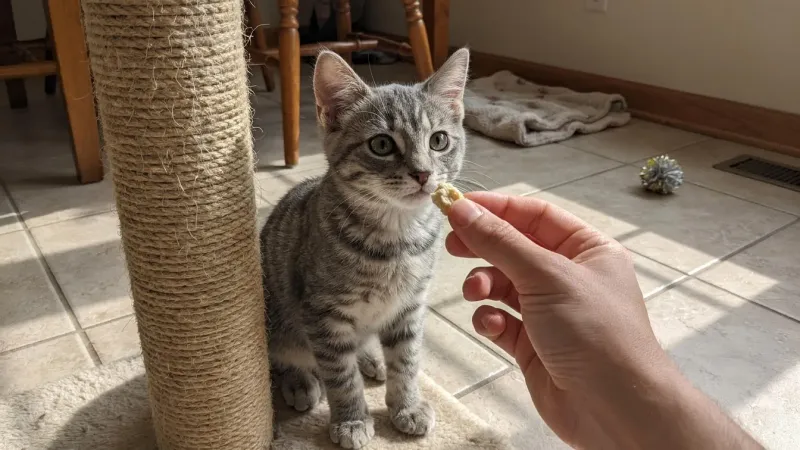
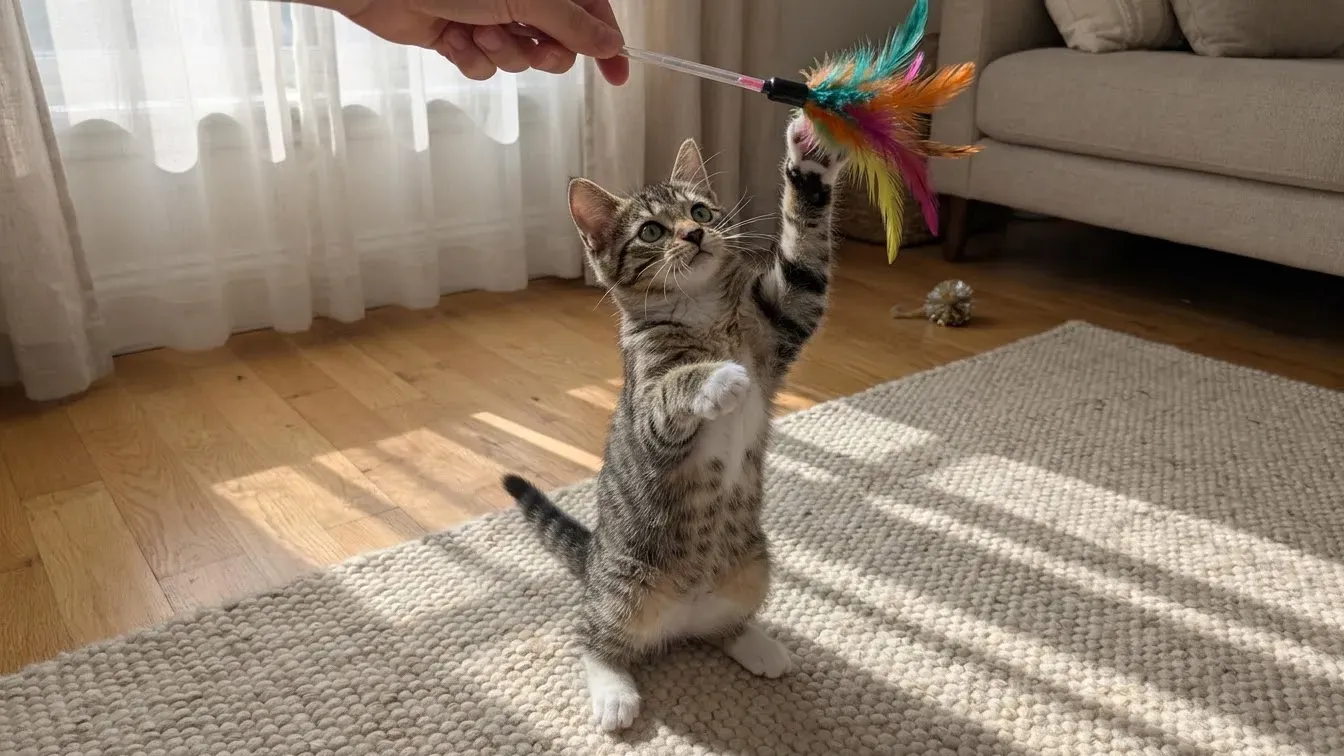
Positive reinforcement works best when the reward arrives immediately after the desired behavior. Keep small, kitten-safe freeze-dried meat treats or a favorite feather wand in your pocket during waking hours. The instant your kitten uses a scratching post or steps out of the litter box, offer a tiny treat, gentle praise, or brief play. Waiting even ten seconds confuses a young cat, because they associate the reward with whatever they did afterward.
3Never Use Hands or Feet as Toys
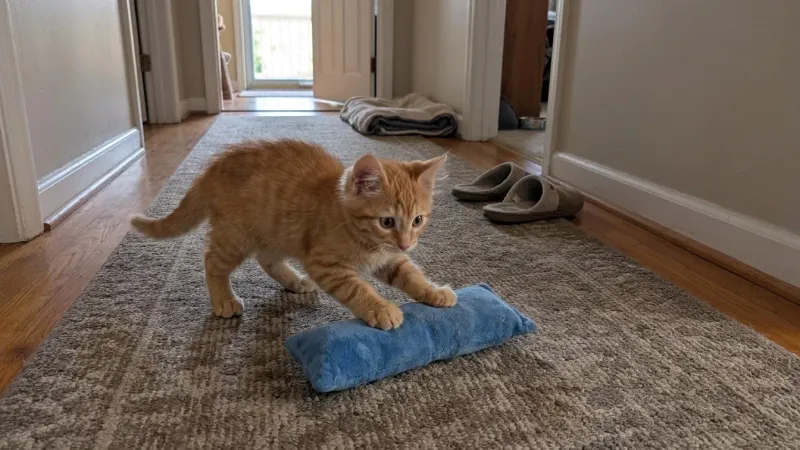
Wiggling your fingers under a blanket or letting a tiny kitten wrestle your bare hand teaches them that human skin is prey. While playful nibbles feel harmless at eight weeks, those same bites hurt badly once adult teeth arrive around six months. Always place a wand toy, plush kicker, or soft ball between your skin and your kitten's mouth. If teeth touch your skin, freeze completely so your hand becomes boring, then offer an appropriate toy.
4Keep Training Sessions Under Five Minutes

Kittens have tiny attention spans and tire quickly after bursts of intense activity. Schedule two or three short training sessions lasting three to five minutes each day rather than one long lesson. Practice simple cues like coming when called or stepping onto a mat right before mealtime when your kitten is hungry and focused. Ending on a successful treat keeps enthusiasm high and fits effortlessly into a busy morning or evening schedule.
5Set Up Low-Sided Litter Boxes Early
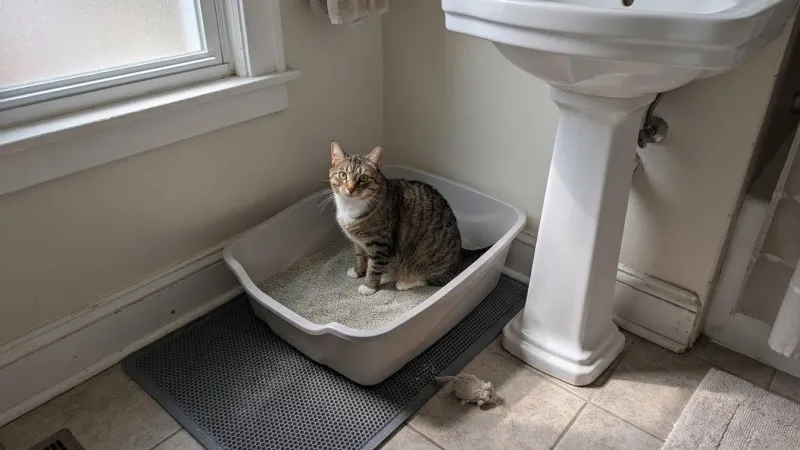
Choose an uncovered litter box with walls under three inches high so tiny legs can climb in effortlessly. Fill it with two inches of unscented, non-clumping litter for kittens under four months old, as young cats sometimes taste litter and clumping clay can cause digestive blockages. Place the box in a quiet, easy-to-reach corner away from noisy appliances and food bowls. Follow the one-plus-one rule by keeping one more box than your total number of cats.
6Place Your Kitten in the Box After Meals

Young digestive systems work on a predictable schedule, usually needing relief within 15 minutes of eating, drinking, or waking from a nap. Gently lift your kitten and set them inside the litter box right after meals and vigorous play sessions. Never force their paws to dig, which can create negative associations. Simply let them sniff the litter, and praise softly with a small treat once they finish using the box.
7Clean Accidents With Enzymatic Cleaners Only
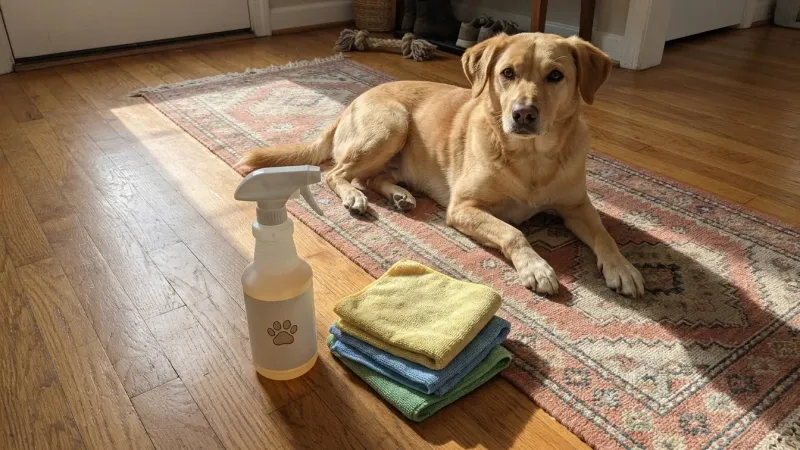
If a litter box miss happens, blot the spot dry and saturate it with an enzymatic pet cleaner designed to break down urine proteins. Avoid household cleaners containing ammonia or bleach, because ammonia smells similar to urine and attracts kittens back to the same rug or corner. Never scold a kitten or push their nose near an accident, as stress makes young cats hide behind furniture the next time they need to go.
8Match Scratchers to Your Kitten's Preferred Angle
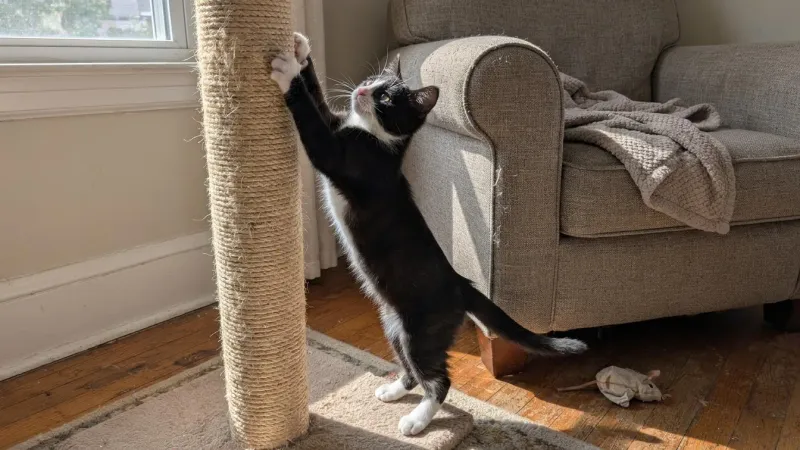
Scratching keeps claws healthy, stretches back muscles, and marks territory, so your goal is redirecting the urge rather than stopping it. Observe whether your kitten prefers stretching upward on sofa corners or scratching horizontally on carpets. Provide both a sturdy, tall sisal rope post that will not wobble and a flat corrugated cardboard scratcher. Placing these options directly next to targeted furniture gives your kitten an immediate, approved alternative.
9Kitten-Proof Dangerous Plants and Electrical Cords
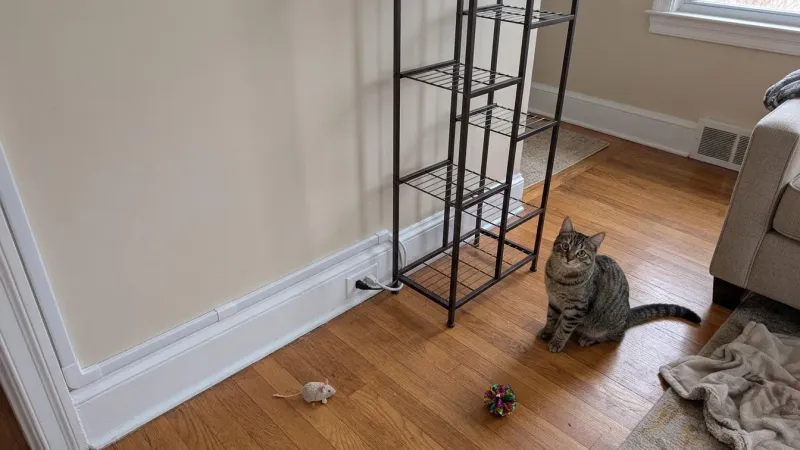
Curious kittens explore the world with their mouths and paws, making common household hazards a serious risk during unsupervised moments. Keep toxic houseplants like lilies, pothos, and sago palms completely out of reach or remove them from your home altogether. Tuck electrical cords inside protective tubing or cord covers, and secure dangling blind cords out of reach so your kitten cannot chew wires or become entangled.
10Burn Excess Energy With Structured Hunt-Eat-Sleep Play
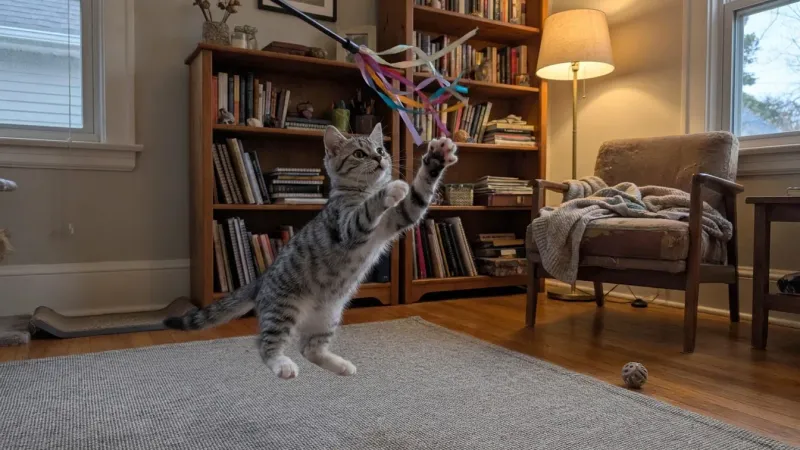
Kittens reach their naughtiest stage between three and six months old, when surging energy fuels ankle ambushes and midnight sprints. Mimic a natural hunting cycle every evening by waving a wand toy for 10 to 15 minutes until your kitten tires out, slows down, or lies on their side—if you ever see open-mouth panting, stop play so your kitten can take an immediate rest. Follow play immediately with their evening meal, which triggers natural grooming and deep sleep. This predictable rhythm prevents destructive boredom and keeps bedrooms peaceful overnight.
11Teach a Reliable Recall Cue Early
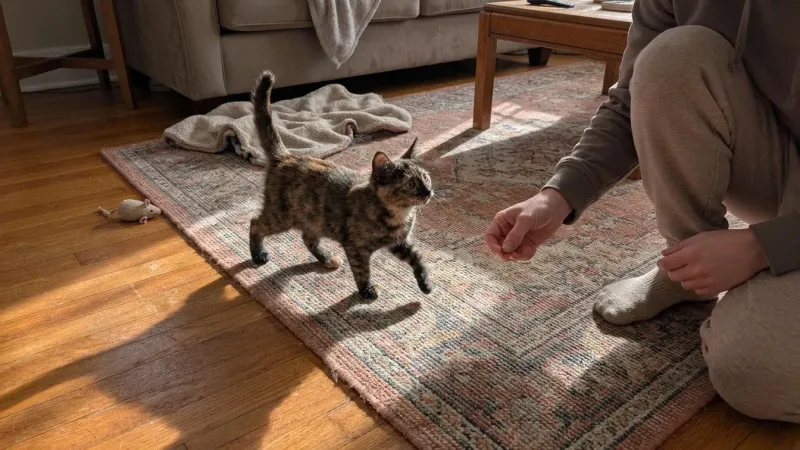
Training your kitten to come when called makes daily routines and unexpected emergencies much easier to manage. Choose a single cue such as their name followed by "come" or a distinct tongue click, and say it warmly just before setting down their food bowl or offering a high-value treat. Reward your kitten the second they reach your feet so they learn that running to you always pays off. Practice from across the room a few times a day before gradually adding distance.
12Practice Gentle Daily Handling in Different Positions
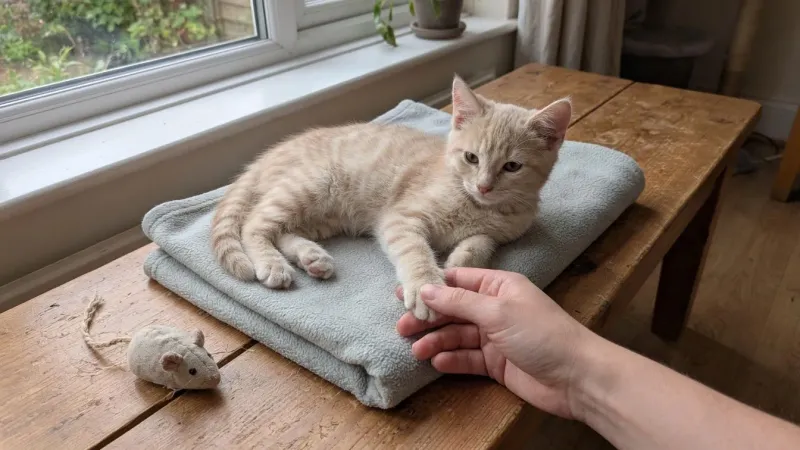
Prepare your kitten for stress-free vet exams and nail trims by practicing brief, gentle handling every day. While your kitten is sleepy or enjoying a treat, lightly touch their paws, look inside their ears, and lift their lip for two seconds at a time. Cradle them briefly on their side or back while offering a lickable treat. Keeping handling calm and rewarding ensures your cat stays relaxed when professionals examine them later.
13Leave the Cat Carrier Out as a Cozy Bed
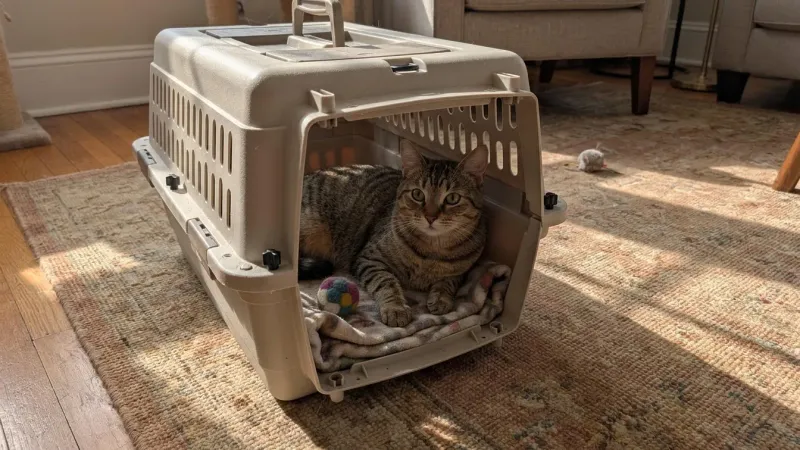
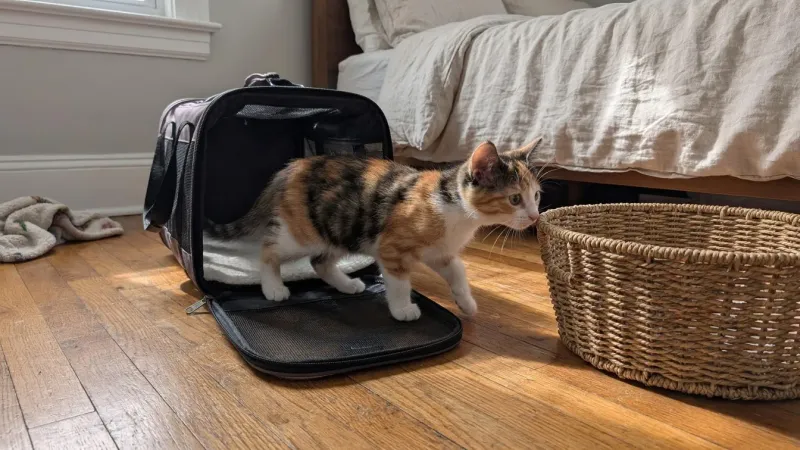
Bringing out a plastic carrier only for vet visits teaches cats to bolt whenever they see it. Keep the carrier open in your living room with a soft fleece blanket, a few treats, and a familiar toy inside. Feed occasional snacks near or inside the open door so your kitten views it as a safe den. Once they enter willingly, practice closing the door for ten seconds before rewarding them.
14Create a Safe Overnight Sleeping Zone
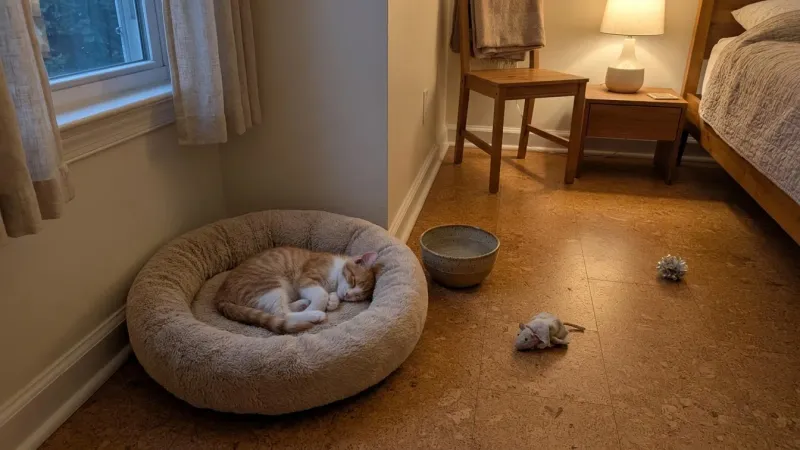
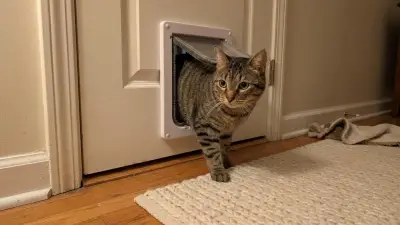
New kittens often cry or pounce on toes at night if given full run of the house too soon. Set up a cozy kitten-proofed spare room or bathroom for the first few weeks with a warm bed, water bowl, safe plush toys, and a litter box at the opposite end. If they sleep in your bedroom, install one of the best quiet interior cat doors so they can reach their litter box undisturbed.
15Rotate Interactive Toys to Prevent Boredom
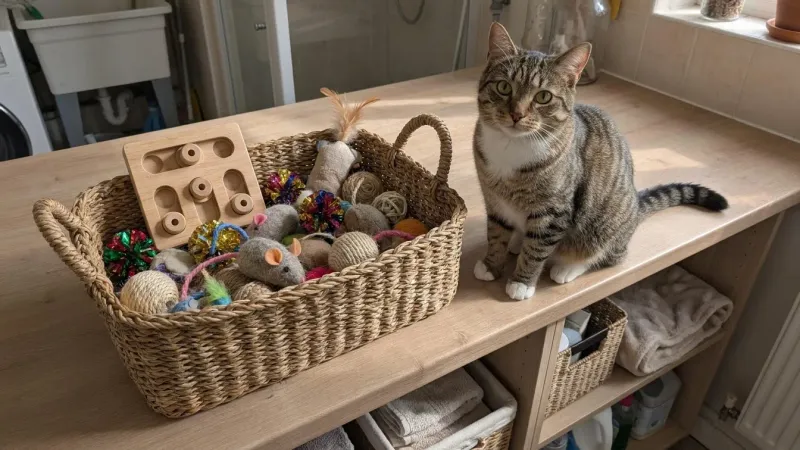
Leaving the exact same pile of toys on the floor every day quickly loses a curious kitten's interest. Divide toys into three small bins and swap them every three or four days so old favorites feel brand new. Include puzzle feeders, crinkle balls, and soft mice, while storing string, yarn, and ribbon toys in a locked drawer after supervised play. Swallowed strings cause dangerous intestinal blockages in curious young cats.
16Offer Vertical Climbing Spaces Early
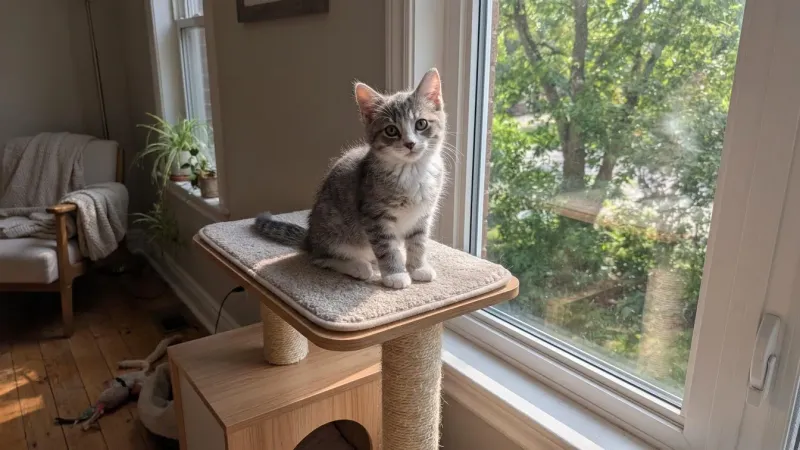
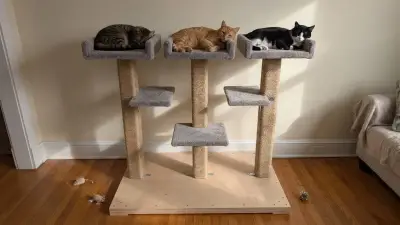
Cats feel secure when they can survey rooms from above, and kittens naturally seek high perches on bookshelves or kitchen counters. Give them legal vertical territory right away with modern cat trees under 100 dollars placed near a sunny window. Place small treats on the platforms, entice your kitten up with a wand toy, or use a pinch of silvervine to encourage climbing—most kittens do not react to catnip until they are three to six months old—while keeping fragile items off tables and counters as they learn where they belong.
17Socialize Gradually to New Sounds and Visitors
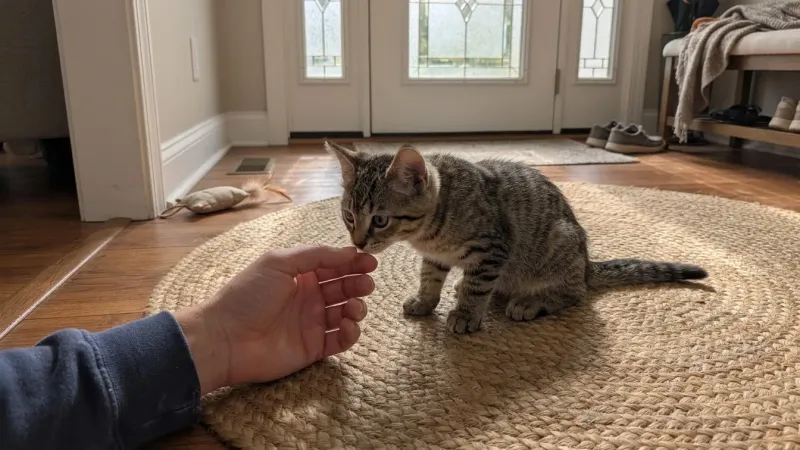
Introduce household noises like vacuums, blenders, and doorbells at a low volume from across the room while offering treats. Invite one or two calm friends over at a time, asking visitors to let your kitten approach first rather than grabbing them. Positive early exposure to gentle people, carriers, and everyday sounds builds lasting confidence and prevents fear-based hiding or swatting as your kitten matures.
Common Training Mistakes First-Time Owners Should Avoid
New owners often assume kittens understand discipline the same way dogs do, but yelling, squirt bottles, or physical corrections only teach a young cat to fear your hands. Fear-based reactions trigger defensive biting and cause kittens to hide when they need to use the litter box, making accidents worse.
Another frequent misstep is expecting instant results from a single long lesson or changing household rules from day to day. Keep every family member consistent, watch closely for cat body language before biting, and speak with your veterinarian if sudden house soiling or intense aggression appears despite steady routine changes.
Start with just two or three habits today—setting up an accessible litter box, swapping hands for wand toys, and rewarding every visit to the scratching post. Short, daily bursts of patience and positive reinforcement help your kitten feel secure while protecting your home and hands as they grow.
Sources: Cornell Feline Health Center · ASPCA · International Cat Care · VCA Animal Hospitals
Frequently asked questions
At what age are kittens the naughtiest?
Kittens are typically most mischievous between 3 and 6 months old. During this juvenile stage, they have adult-level energy and sharp baby teeth but lack impulse control, making daily interactive play and consistent redirection essential.
How do you train a misbehaving kitten?
Skip yelling or squirt bottles and use immediate redirection paired with positive reinforcement. Interrupt unwanted chewing or scratching calmly, guide your kitten to an approved toy or scratcher, and reward them with a treat within three seconds.
Where should a kitten sleep at night?
For the first few weeks, let your kitten sleep in a safe, kitten-proofed room containing a cozy bed, water, safe toys, and a litter box. This prevents midnight accidents and keeps them away from cords or small objects while unsupervised.
What should you not do with a new kitten?
Never use your bare hands or feet as toys, punish litter box accidents, leave string toys out unattended, or force cuddling when your kitten pulls away. Avoid toxic plants like lilies and strong ammonia cleaners that encourage repeat marking.

Nathan Brooks
Nathan Brooks runs Farmingzoom to help loving pet owners create safe, enriching homes for their animals. He cares deeply about responsible pet care and focuses on making everyday decisions simpler for fellow owners.…