The best cat breeds for families combine patient, social temperaments with realistic daily grooming and play routines. Rather than choosing a cat based on popularity charts or coat color alone, matching a breed's natural energy level to your household schedule prevents stress for both you and your pet.
Below are 15 friendly, adaptable breeds suited for busy homes, apartments, and first-time owners. Each profile breaks down how the cat interacts with children, how much brushing the coat actually requires, and how to set up your living space to keep them happy.
How to Match a Cat Breed to Your Home and Budget
Before bringing any cat home, evaluate three practical factors: coat maintenance, vertical space, and ongoing care costs. Long-haired breeds require 10 to 15 minutes of daily combing with a stainless-steel slicker brush to prevent painful mats, whereas short-haired cats need only a quick weekly pass with a rubber grooming mitt.
Renters and apartment dwellers should prioritize sturdy vertical furniture over floor space. A 60-inch sisal-wrapped cat tree placed near a sunny window gives active breeds an outlet without taking up more than 24 by 24 inches of floor area. Budget roughly $70 to $120 per month for high-protein wet and dry food, clumping litter, and routine preventive care, setting aside extra funds for annual dental cleanings and vaccinations.
If anyone in your household experiences mild sneezing or itchy eyes around pets, explore hypoallergenic cat breeds that are easier on allergies before making a final decision.
Common Mistakes First-Time Cat Owners Make
- Skipping vertical territory: Cats feel secure when observing family activity from above. Without tall perches or wall-mounted shelves, shy cats often hide under beds for weeks.
- Underestimating play requirements: Even laid-back breeds need two 15-minute interactive sessions daily using feather wands or soft foam balls to prevent nighttime restlessness and furniture scratching.
- Placing litter boxes in noisy laundry rooms: Loud appliances startle cautious cats and cause litter box avoidance. Use an open, unscented clumping box at least 22 inches long in a quiet corner.
- Overlooking routine nail trims: Trimming the clear tips of front claws every two weeks protects upholstery and prevents accidental scratches during play with kids.
The right family cat is one whose daily grooming and play needs match the time you realistically have after work or school. Narrow your shortlist to two or three breeds that fit your home's noise level and space, then spend 30 minutes interacting with adult cats at a local shelter or reputable breeder to see how they respond to gentle handling.
1Ragdoll
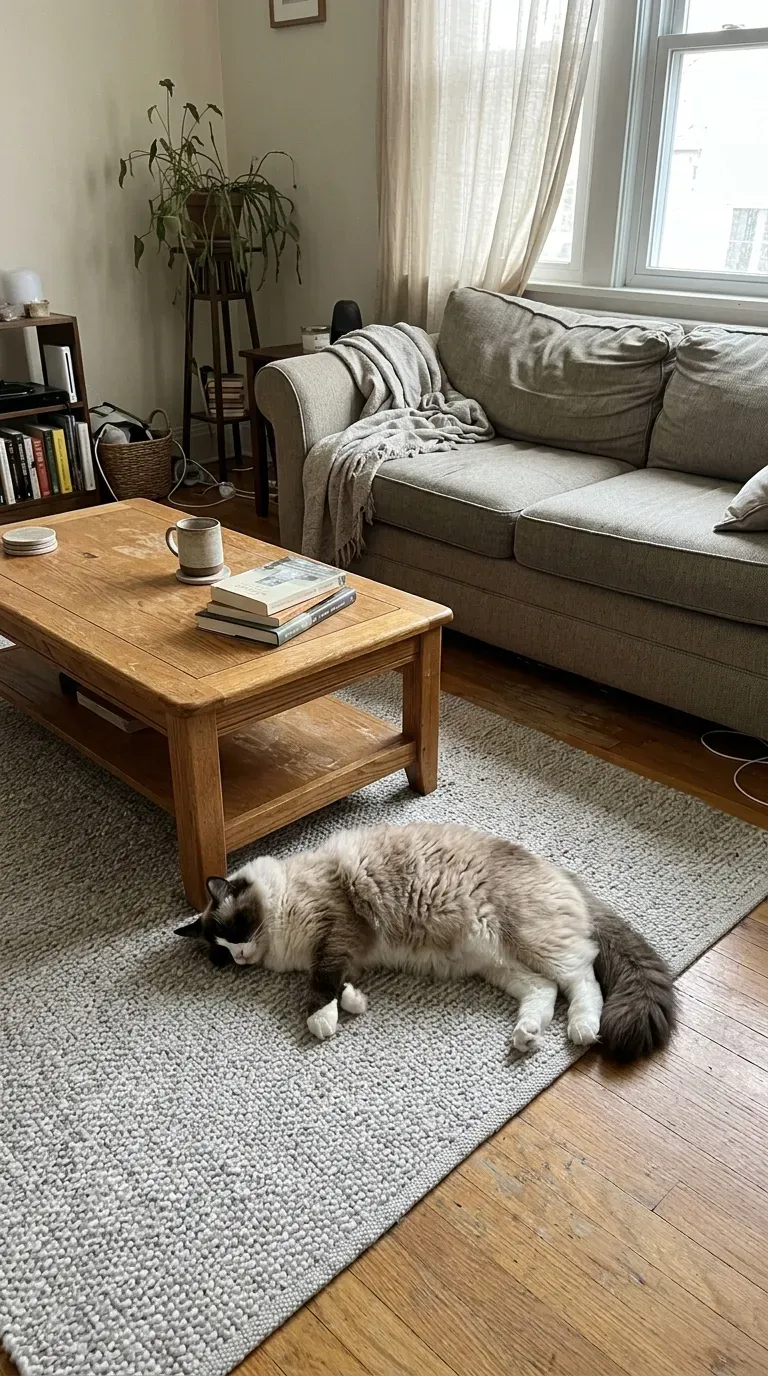
Ragdolls are large, blue-eyed cats famous for going limp when picked up, making them exceptionally tolerant of gentle handling by children. They carry a silky, medium-long coat that lacks a dense undercoat, so brushing twice a week with a wide-toothed metal comb keeps tangles away. Ragdolls prefer floor-level lounging over high jumping, which makes them ideal for quiet apartments. Plan for sturdy ceramic bowls and an extra-large 24-inch litter box to accommodate their 15-to-20-pound adult frame.
2Maine Coon
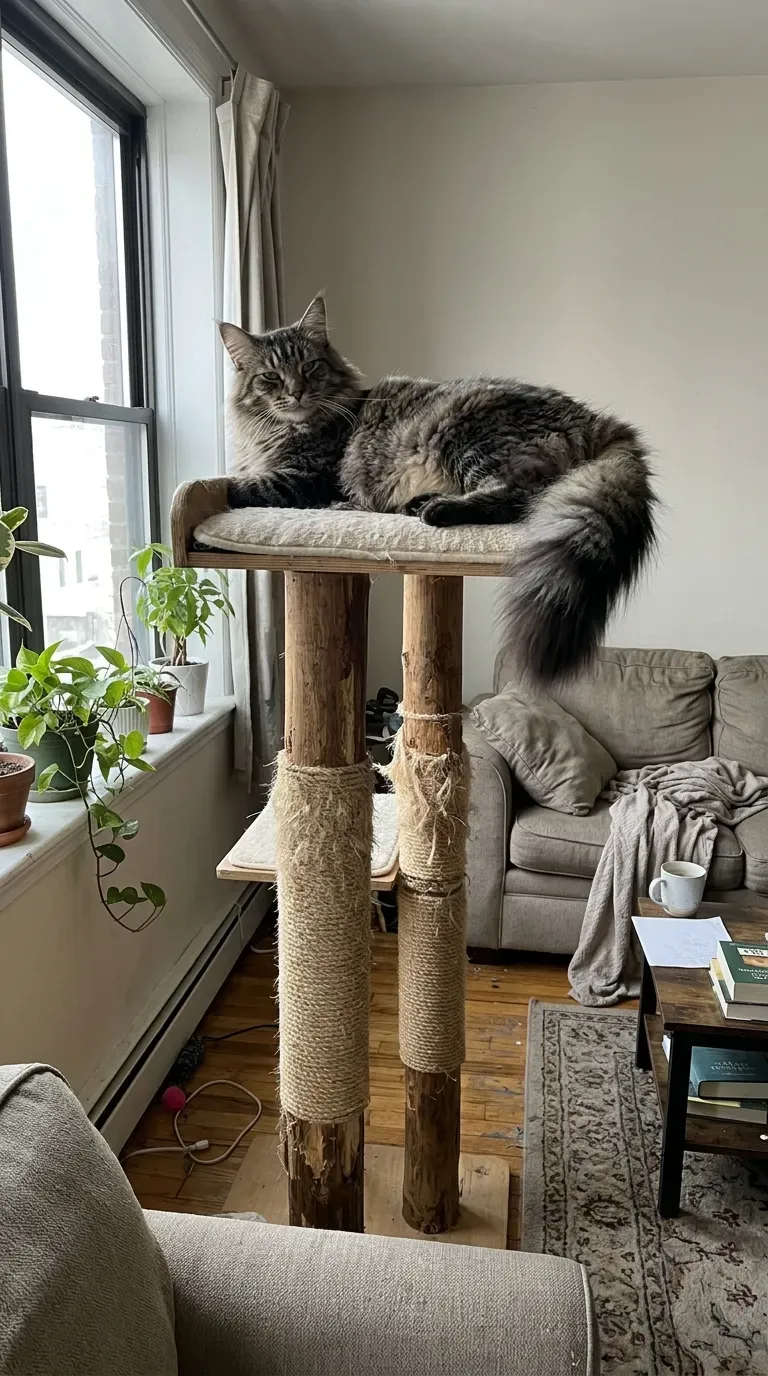
Often called the gentle giants of the cat world, Maine Coons are playful, dog-like companions that enjoy following family members from room to room. Their water-resistant shaggy coat needs thorough combing two to three times a week, especially behind the ears and under the legs. Because males frequently reach 18 to 22 pounds, invest in a heavy-base wooden cat tree rather than lightweight carpeted towers. They thrive in active households with older kids who enjoy teaching simple tricks.
3Exotic Shorthair
If you love the round face and calm nature of a Persian without the daily grooming commitment, the Exotic Shorthair delivers both. Their plush, dense coat stands slightly away from the body and needs only a once-a-week brush, though their flat faces require daily wiping around the eyes with a warm damp cloth. They have low-to-moderate energy levels, happily napping on a sofa cushion all afternoon while waiting for quiet evening cuddle sessions.
4American Shorthair
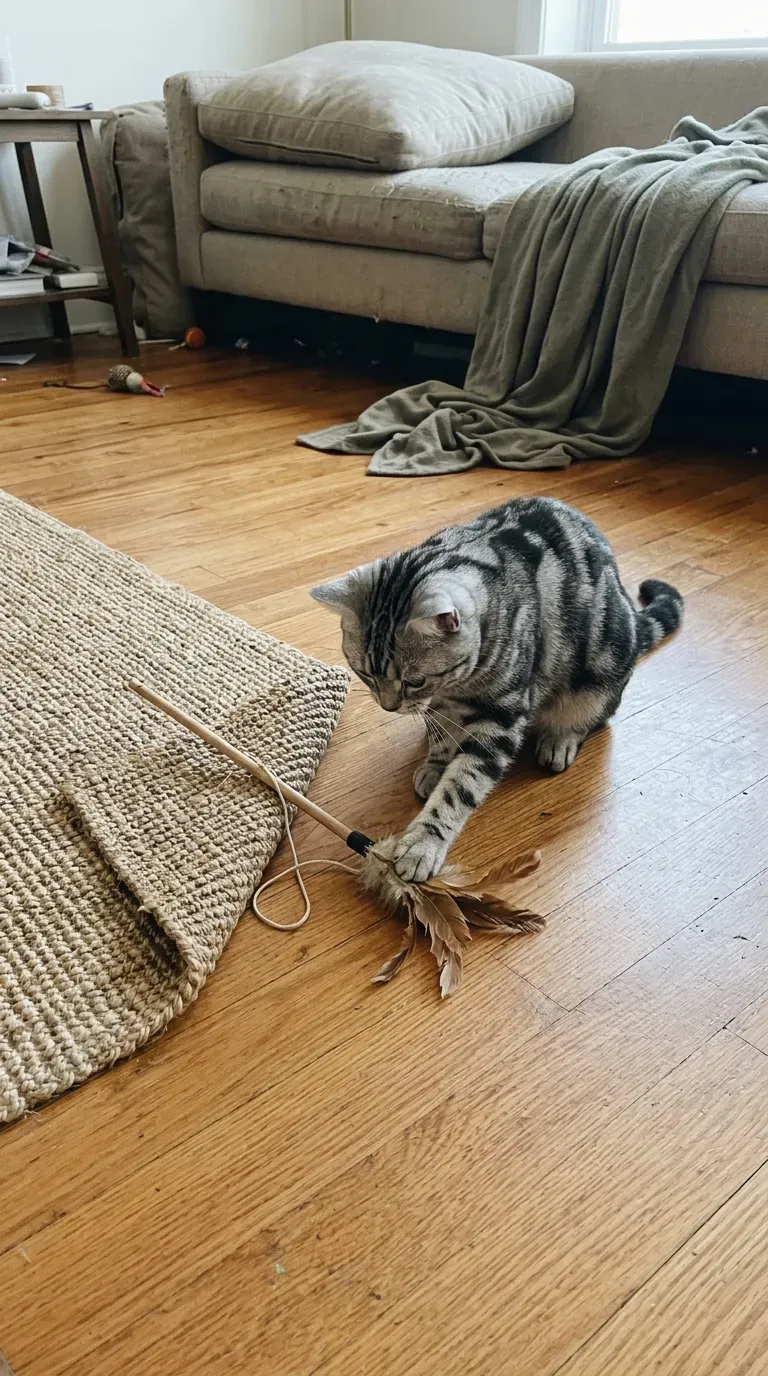
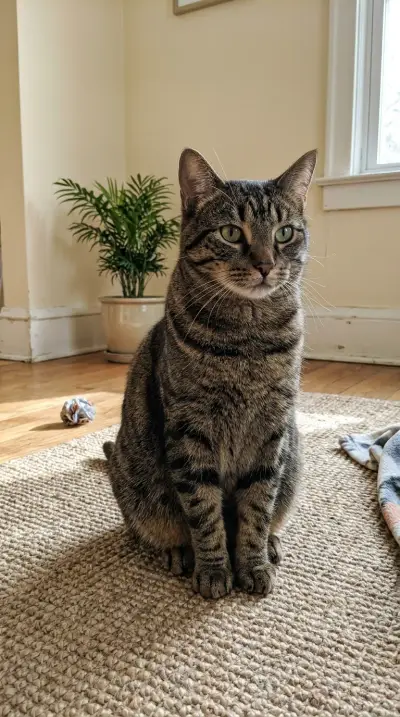
Built for resilience and easygoing companionship, the American Shorthair adapts smoothly to noisy households, dogs, and small rental apartments. Their short, thick coat sheds moderately in spring and fall, needing just a five-minute weekly brushing. They entertain themselves easily with puzzle feeders and crinkle balls, making them an affordable, low-maintenance choice for working families. Expect a sturdy, medium-sized cat that stays playful well into its senior years.
5British Shorthair
British Shorthairs are dignified, teddy-bear-cheeked cats that enjoy being near their people without demanding constant lap time. Their crisp, dense coat resists matting and requires minimal brushing outside seasonal shedding periods. Because they are prone to weight gain, measure dry food portions carefully and encourage daily movement with wand toys. Their calm, predictable temperament makes them especially reassuring for first-time cat owners and toddlers learning gentle boundaries.
6Ragamuffin
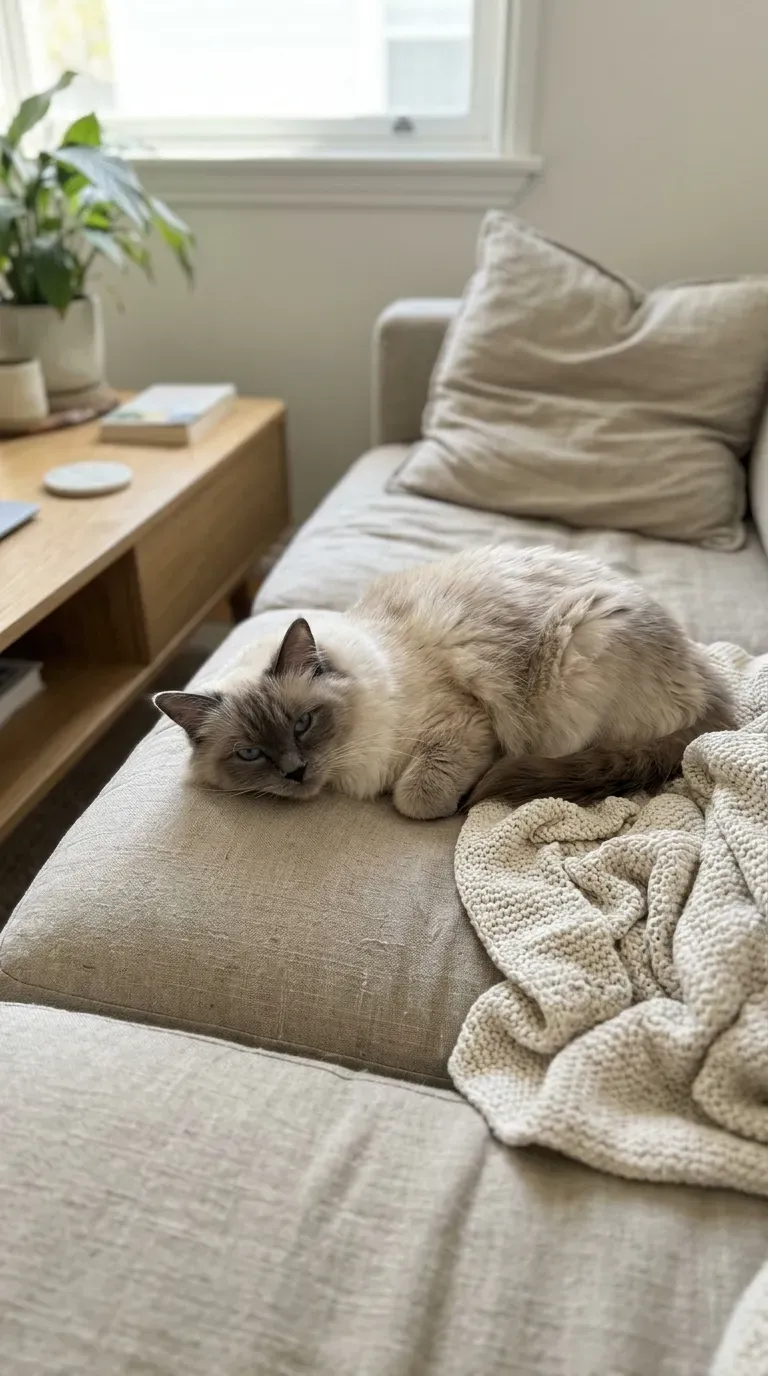
Closely related to the Ragdoll, the Ragamuffin features a plush, rabbit-like coat and an endlessly patient, affectionate personality. They greet guests at the door and tolerate lively household routines without hiding. Despite their thick fur, the texture rarely mats, requiring only two quick grooming sessions per week. Provide a cushioned window hammock supported by heavy-duty suction cups so this 12-to-20-pound cat can watch birds comfortably.
7Burmese
Burmese cats are compact, muscular, and deeply people-oriented, thriving on constant interaction and warm laps. Their satin-short coat requires almost zero grooming beyond an occasional rub with a soft chamois cloth. Because they dislike being left alone for long stretches, they work best in multi-person households or families where someone works from home. Keep a basket of lightweight foam balls handy, as many Burmese love playing fetch.
8Devon Rex
With oversized ears, large eyes, and a short, wavy coat, the Devon Rex looks like a woodland pixie and acts like a devoted comedian. They shed very little and need only gentle ear cleaning every couple of weeks, though their fine fur means they seek warmth under blankets or near sunny windows. High-energy and acrobatic, they love perching on shoulders and climbing tall bookshelves, making them entertaining companions for engaged families.
9Cornish Rex
The Cornish Rex sports soft, marcel-waved curls and an athletic, greyhound-like build built for speed and jumping. Their ultra-short coat leaves minimal fur on upholstery, though occasional baths help prevent natural skin oils from building up. They stay kitten-like throughout adulthood and need daily vertical climbing opportunities, such as wall-mounted carpeted steps, to burn off energy in smaller homes.
10Birman
Easily recognized by their white-gloved paws and deep sapphire eyes, Birmans offer a sweet, quiet balance between playful and relaxed. Their silky, single-layer coat lacks a heavy undercoat, meaning a quick weekly comb prevents knots without the heavy upkeep of other long-haired breeds. Birmans form strong bonds with children and adapt well to peaceful apartment living when given a cozy, enclosed cat bed.
11Scottish Fold
Known for their forward-folded ears and round owl-like eyes, Scottish Folds are soft-voiced, adaptable cats that settle quickly into new environments. Both short-haired and long-haired varieties exist, with shorthairs needing only weekly brushing. They prefer interactive floor games over high leaps, making them great fits for families in apartments. Always source from responsible breeders who screen for joint health, and provide low-entry orthopedic beds for long-term comfort.
12Abyssinian
Abyssinians are sleek, ticked-coat athletes that want to participate in every household activity, from unpacking groceries to homework time. Their short, low-shedding coat needs almost no grooming, freeing up time for the 20 to 30 minutes of active daily play they crave. Because they love heights, position a sturdy 72-inch cat tower near your main living area so they can supervise family life safely.
13Persian
Persians bring calm, quiet elegance to low-key homes that appreciate predictable daily routines. They rarely climb curtains or knock items off counters, preferring plush floor cushions and gentle affection. However, beginners must commit to 10 minutes of daily combing with a stainless-steel comb and daily tear-stain wiping to keep their flowing coat and flat face clean and healthy.
14Siamese
Vocal, intelligent, and deeply loyal, Siamese cats communicate with raspy meows and follow their favorite humans everywhere. Their sleek, short coat requires minimal brushing, making physical upkeep simple and budget-friendly. Because they crave mental stimulation, rotate puzzle toys weekly and consider adopting a pair if your household is empty during school and work hours.
15Sphynx
Hairless, warm to the touch, and endlessly extroverted, the Sphynx greets visitors like an enthusiastic puppy and loves burrowing under fleece throws. Without fur to absorb body oils, they require a gentle weekly sponge bath and regular ear cleaning instead of brushing. Keep washable cotton blankets on sofas to protect upholstery from skin oils, and dress them in breathable cotton shirts during chilly months.
Frequently asked questions
What is the best breed of cat to own for first-time owners?
American Shorthairs, Ragdolls, and Exotic Shorthairs are among the easiest breeds for first-time owners. They combine forgiving, affectionate temperaments with predictable energy levels and straightforward weekly grooming routines.
What are the friendliest cat breeds for families with children?
Ragdolls, Maine Coons, Ragamuffins, and Birmans are widely prized for their patience and tolerance around children. These breeds enjoy social interaction, rarely react aggressively to household noise, and appreciate gentle affection.
Which low-maintenance cat breeds shed the least?
Devon Rex, Cornish Rex, Burmese, and Siamese cats have short, fine coats that shed far less than dense double-coated breeds. A quick weekly rub with a grooming mitt keeps loose hair off furniture.
How much space does a family cat need in an apartment?
Most calm-to-moderate breeds thrive in apartments as small as 500 square feet when given vertical territory. Adding one 60-inch cat tree near a window and keeping litter boxes away from food bowls maximizes comfort.