You do not need to spend thousands on a pedigree kitten to bring home a floppy, affectionate lap cat. While purebred Ragdoll kittens routinely cost $1,000 to $2,500 or more, several shelter mixes and retired or rescue breeds share their mild-mannered temperament, quiet voice, and love for small indoor spaces at a fraction of the price.
For college students living in shared rentals, the ideal roommate is adaptable, relaxed around guests, and easy on a tight budget. The options below compare realistic shelter adoption and retired adult or breed-rescue price ranges alongside standard breeder kitten costs, size, and expected lifespans so you can find a gentle companion without draining your savings.
| Breed or Type | Typical Cost | Origin | Adult Size | Lifespan |
|---|---|---|---|---|
| Domestic Longhair | $50-$150 (adoption) | Worldwide | Medium to large | 12-18 years |
| Ragdoll Mix | $75-$200 (adoption) | Worldwide | Medium to large | 12-17 years |
| Ragamuffin | $500-$1,000 (rescue/retired; $1,200-$2,500+ kitten) | United States | Large | 12-16 years |
| Birman | $500-$1,000 (rescue/retired; $1,200-$2,500+ kitten) | Myanmar | Medium to large | 12-16 years |
| American Curl | $500-$1,000 (rescue/retired; $1,200-$2,500+ kitten) | United States | Medium | 12-16 years |
| Snowshoe | $500-$1,000 (rescue/retired; $1,200-$2,500+ kitten) | United States | Medium | 14-19 years |
| British Longhair | $500-$1,000 (rescue/retired; $1,200-$2,500+ kitten) | United Kingdom | Medium to large | 12-17 years |
| Domestic Shorthair | $50-$150 (adoption) | Worldwide | Medium | 12-18 years |
1Domestic Longhair
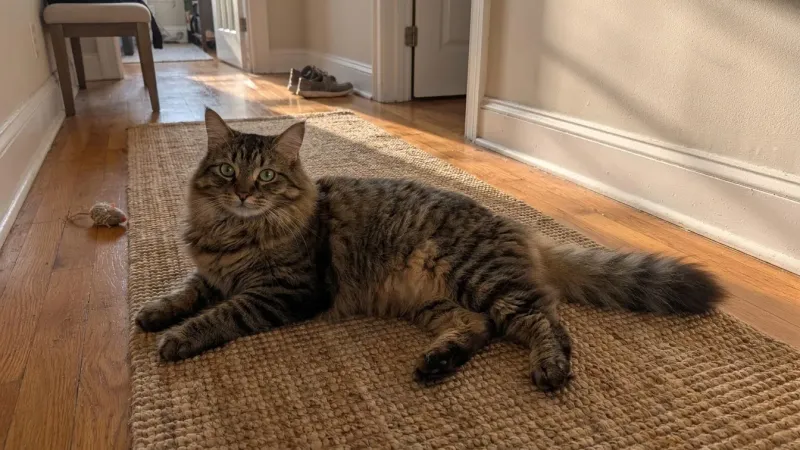
Typical Cost: $50-$150 (adoption) · Origin: Worldwide · Adult Size: Medium to large · Lifespan: 12-18 years Domestic Longhairs are mixed-breed cats that make up a huge portion of local shelter populations, often featuring plush coats and sweet, laid-back dispositions. Because they do not come from narrow pedigree bloodlines, adoption fees usually include spaying or neutering, initial vaccines, and microchipping. Spend twenty minutes in a shelter visiting room to find an adult Domestic Longhair that relaxes in your arms and enjoys quiet lap time while you study.
2Ragdoll Mix
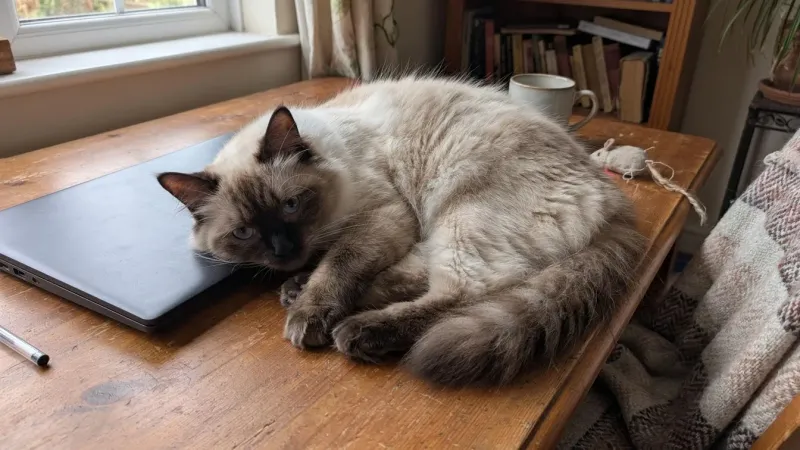
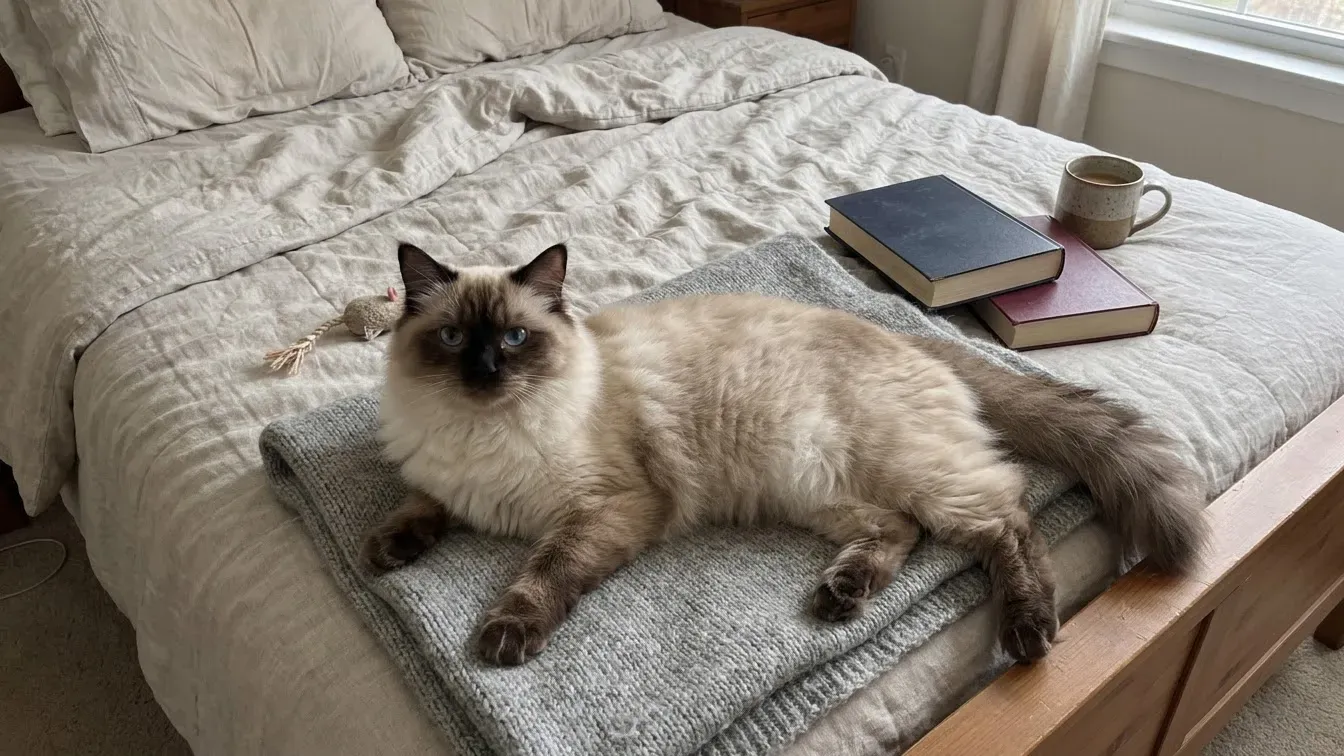
Typical Cost: $75-$200 (adoption) · Origin: Worldwide · Adult Size: Medium to large · Lifespan: 12-17 years Pointed longhaired mixes frequently turn up at municipal shelters and breed-specific rescues, offering the signature blue eyes and colorpoint markings of a purebred Ragdoll without the four-figure breeder fee. Many inherit the tendency to go relaxed when picked up and follow their favorite roommate from bedroom to kitchen. Comb their silky coat twice a week with a stainless-steel comb to prevent tangles and keep shedding off shared couches.
3Ragamuffin
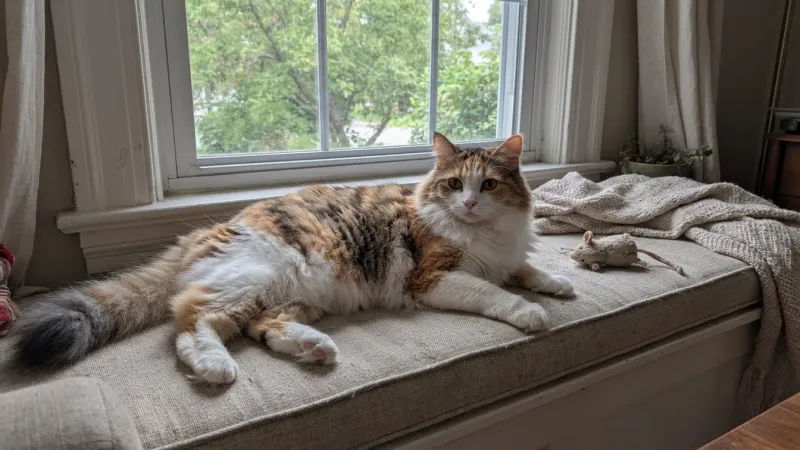
Typical Cost: $500-$1,000 (rescue/retired; $1,200-$2,500+ kitten) · Origin: United States · Adult Size: Large · Lifespan: 12-16 years Closely related to the Ragdoll, the Ragamuffin was developed to expand coat colors while preserving an ultra-docile, puppy-like temperament. They love being cradled like a baby, tolerate gentle handling well, and adapt smoothly to small indoor apartments. While kittens from reputable breeders typically start at $1,200 to $2,500+, adopting a retired breeding adult or a cat through a breed-specific rescue brings the cost down to $500-$1,000.
4Birman
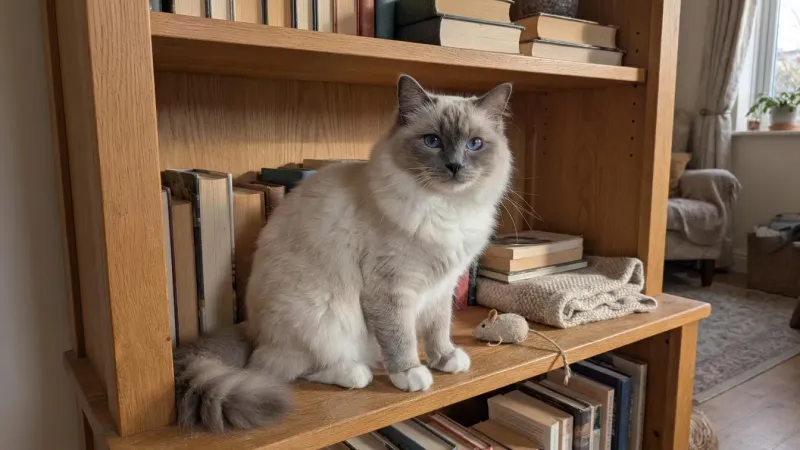
Typical Cost: $500-$1,000 (rescue/retired; $1,200-$2,500+ kitten) · Origin: Myanmar · Adult Size: Medium to large · Lifespan: 12-16 years Often mistaken for Ragdolls, Birmans sport sapphire-blue eyes, colorpoint coats, and crisp white mittens on all four paws. They are gentle, quiet, and deeply people-oriented without demanding constant high-energy play. Birmans have a medium-long silky coat with a less dense undercoat than Persians or Ragdolls, making it less prone to matting while still needing regular combing once or twice a week around the ruff and breeches.
5American Curl
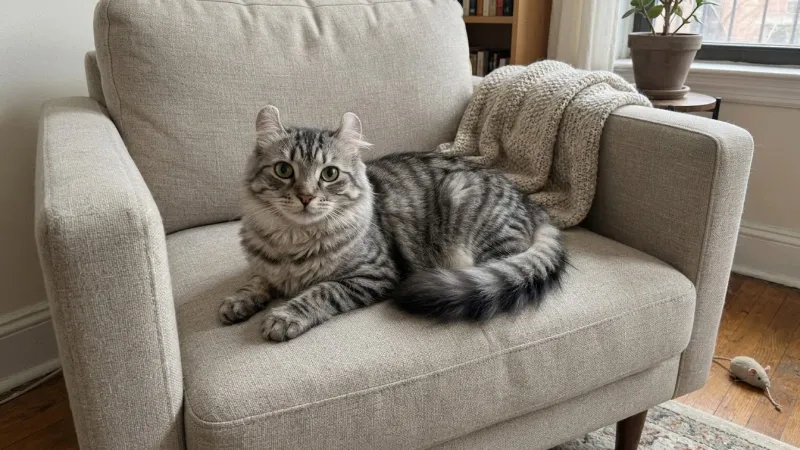
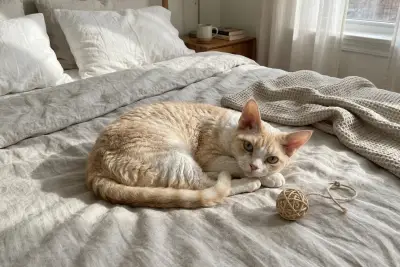
Typical Cost: $500-$1,000 (rescue/retired; $1,200-$2,500+ kitten) · Origin: United States · Adult Size: Medium · Lifespan: 12-16 years Recognizable by their backward-curling ears, American Curls are affectionate, adaptable companions that stay kitten-like in spirit well into adulthood. They adjust effortlessly to busy student households, greeting roommates quietly at the door and curling up beside laptops during study sessions. Both shorthaired and longhaired varieties exist, and adopting a shorthaired retired adult or breed rescue lowers both upfront price and weekly grooming effort.
6Snowshoe
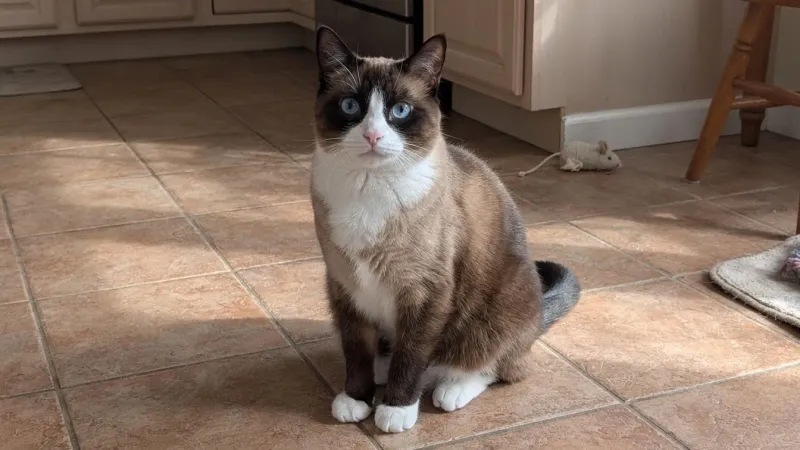
Typical Cost: $500-$1,000 (rescue/retired; $1,200-$2,500+ kitten) · Origin: United States · Adult Size: Medium · Lifespan: 14-19 years Created by crossing Siamese cats with bicolor American Shorthairs, the Snowshoe combines striking blue eyes and white-booted paws with an easygoing, social personality. Unlike vocal Siamese ancestors, Snowshoes usually have soft, melodic voices suited for apartments with thin walls. Their short, low-maintenance coat sheds minimally and eliminates the need for expensive detangling tools, while their long lifespan makes them lasting post-graduation companions.
7British Longhair
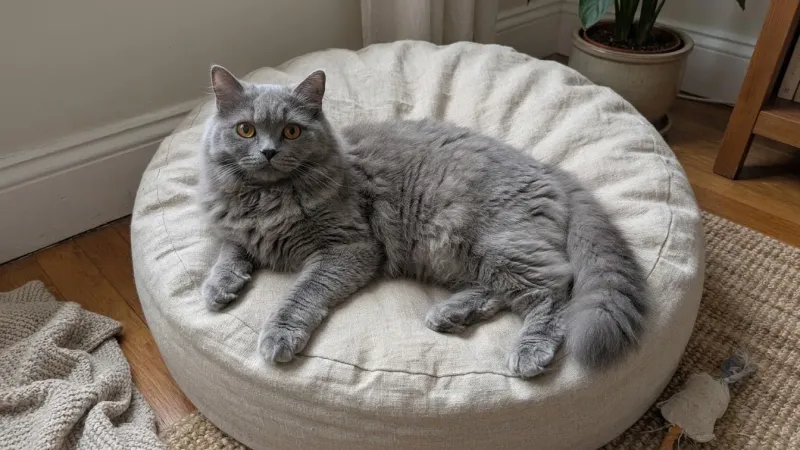
Typical Cost: $500-$1,000 (rescue/retired; $1,200-$2,500+ kitten) · Origin: United Kingdom · Adult Size: Medium to large · Lifespan: 12-17 years British Longhairs have round faces, plush teddy-bear coats, and a calm, dignified demeanor that thrives in quiet indoor spaces. They enjoy sitting near their owner on the bed or sofa without climbing curtains or demanding nonstop attention during exam week. While reputable breeder kittens run $1,200 to $2,500+, looking for retired adult queens or neuters through registered breed rescues brings adoption costs into the $500-$1,000 range.
8Domestic Shorthair
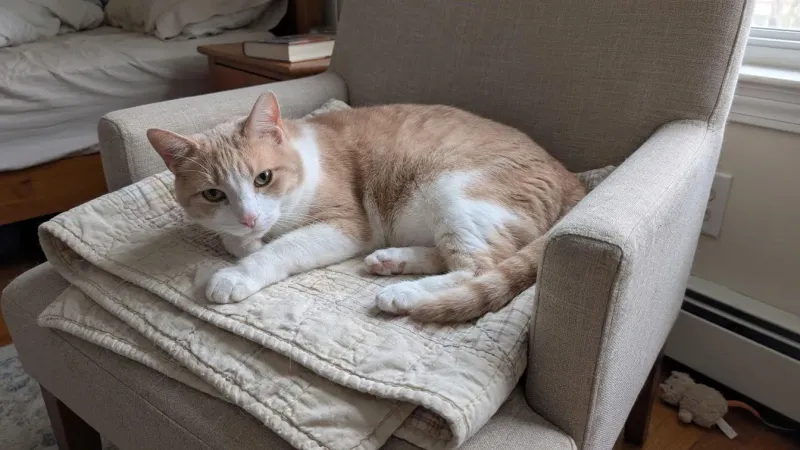
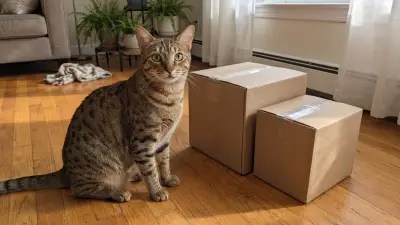
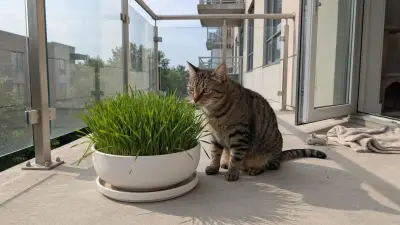
Typical Cost: $50-$150 (adoption) · Origin: Worldwide · Adult Size: Medium · Lifespan: 12-18 years Domestic Shorthairs are mixed-breed cats that offer broad genetic diversity, sturdy overall health, and virtually zero grooming expenses for busy students. Because they lack extreme flat-faced anatomy, they avoid costly chronic breathing and eye issues while still delivering affectionate, lap-loving personalities when you pick a mellow adult at the shelter. Adoption fees typically cover spay or neuter surgery, core vaccines, and a microchip, making them the most budget-friendly roommate option.
How to Keep Ongoing Cat Care Affordable in College
Saving money upfront means little if monthly expenses overwhelm your student budget. Purebred cats often carry higher risks for inherited conditions like hypertrophic cardiomyopathy or polycystic kidney disease, whereas mixed-breed cats benefit from broader genetic diversity. Check out our guide on healthy cat breeds with lower vet bills to see how genetics impact long-term clinic visits.
You can also trim apartment setup costs without sacrificing enrichment. Instead of buying expensive pet store towers, learn how to build a sturdy DIY cat tree on a budget using simple materials. Keep toxic houseplants like lilies, pothos, and sago palms out of shared rooms, and never feed cats onions, garlic, chocolate, or grapes. Schedule an annual wellness exam with a local veterinarian and contact a vet immediately if your cat stops eating, hides excessively, or shows changes in litter box habits.
Choosing the Right Temperament for a Shared Rental
Dorm-style apartments and shared houses come with rotating study groups, irregular class schedules, and thin walls. When visiting a shelter or rescue foster home, ask staff how a specific cat reacts to strangers and sudden noise rather than relying solely on coat patterns. Adult cats over one year old already have settled personalities, making it much easier to confirm they enjoy being held and stay calm in close quarters. If noise rules are strict in your lease, exploring quiet cat breeds for apartments with thin walls will help you avoid neighbor complaints during late-night study sessions.
Bringing home a calm, affectionate cat on a college budget starts with prioritizing temperament over pedigree papers. Visit local shelters to meet adult Domestic Longhairs, Domestic Shorthairs, and Ragdoll mixes in person, or contact reputable rescues about retired adults from docile breeds. Budget carefully for annual vet checkups, quality food, and pet deposits so your new roommate thrives through graduation and beyond.
Sources: Cornell Feline Health Center · ASPCA · International Cat Care · The Cat Fanciers' Association (CFA)
Frequently asked questions
Why are purebred Ragdoll cats so expensive?
Registered Ragdoll breeders invest heavily in genetic health screening for heart and kidney diseases, quality nutrition, vaccinations, and early socialization. High demand for their docile temperament also keeps kitten prices between $1,000 and $2,500 or higher.
Where can I find a Ragdoll lookalike on a student budget?
Check local municipal shelters, humane societies, and online adoption databases for Domestic Longhairs, Domestic Shorthairs, or pointed mixes with blue eyes. Adoption fees typically range from $50 to $200 and usually include spay or neuter surgery and initial vaccines.
Are Ragdoll-type cats good for small college apartments?
Yes, laid-back and moderately active breeds adapt well to small indoor apartments. Providing a sunny window perch, a scratching post, and two short interactive play sessions each day keeps them happy in compact spaces.
What monthly costs should a college student expect for a cat?
Plan on spending roughly $50 to $100 per month on balanced cat food, clumping litter, and flea prevention. You should also set aside a small monthly emergency fund for annual veterinary checkups and unexpected illnesses.

Nathan Brooks
Nathan Brooks runs Farmingzoom to help loving pet owners create safe, enriching homes for their animals. He cares deeply about responsible pet care and focuses on making everyday decisions simpler for fellow owners.…