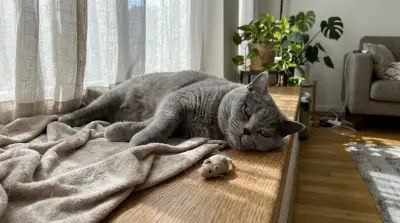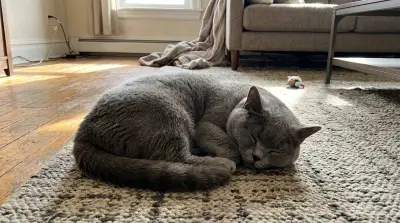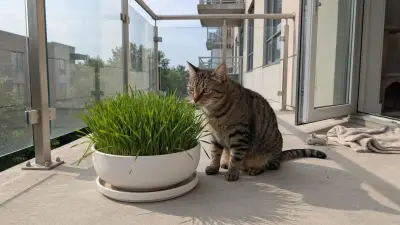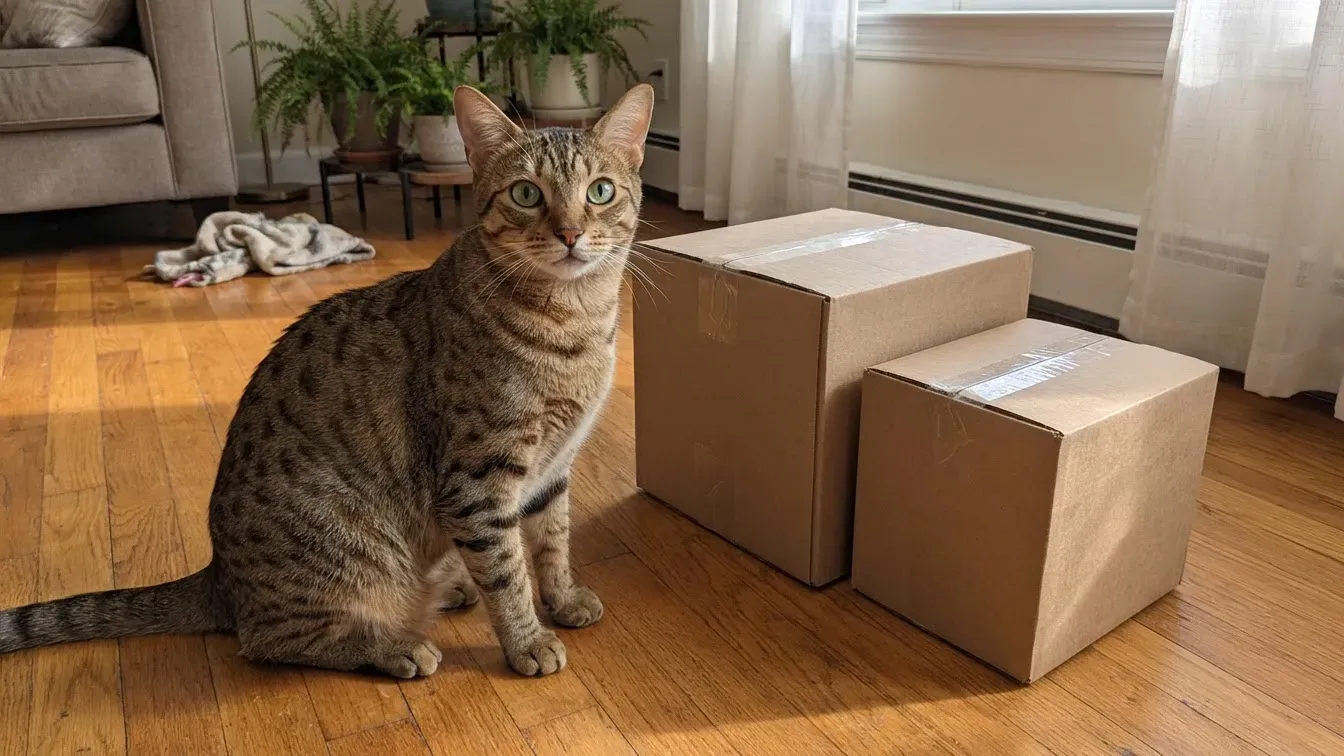
If you relocate every couple of years for work, owning a hybrid cat like an early-generation Savannah or Bengal creates serious legal headaches across state and city lines. Fortunately, 9 wild looking domestic cat breeds offer striking leopard spots, ticked coats, and lynx-like tufts with zero wildcat ancestry, meaning they are legal in every state and pass standard apartment pet screenings.
By choosing a fully domesticated breed recognized by major feline registries, you avoid exotic animal permits, landlord breed restrictions, and stressful border checks while still enjoying an athletic, exotic-looking companion.
| Breed | Origin | Adult Weight | Lifespan | Average Price |
|---|---|---|---|---|
| Ocicat | United States | 6-15 lbs | 12-18 years | $800-$1,500 |
| Egyptian Mau | Egypt | 6-14 lbs | 12-15 years | $1,200-$2,500 |
| Toyger | United States | 7-15 lbs | 12-15 years | $1,500-$3,000 |
| Abyssinian | Great Britain (debated; named after Abyssinia) | 6-10 lbs | 9-15 years | $1,000-$2,000 |
| Pixie-Bob | United States | 8-17 lbs | 13-16 years | $800-$2,000 |
| Australian Mist | Australia | 8-15 lbs | 15-18 years | $1,000-$1,800 |
| Sokoke | Kenya | 6-10 lbs | 12-15 years | $1,200-$2,200 |
| American Bobtail | United States | 7-16 lbs | 13-15 years | $800-$1,500 |
| California Spangled | United States | 8-15 lbs | 10-14 years | $1,000-$2,500 (historical; extremely rare) |
1Ocicat
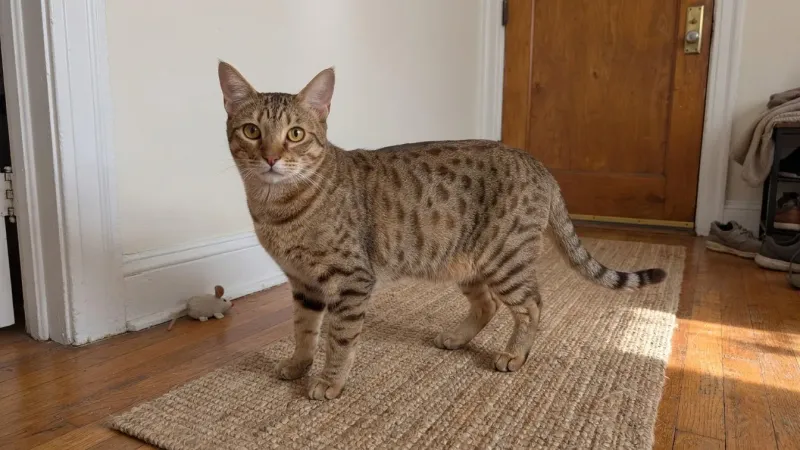
Price: $800-$1,500 · Origin: United States · Weight: 6-15 lbs · Lifespan: 12-18 years Despite wearing a bold spotted coat worthy of a wild ocelot, the Ocicat was created entirely from domestic Siamese, Abyssinian, and American Shorthair cats. Because there is zero wild ancestry in their family tree, you never have to worry about state hybrid bans or municipal exotic pet ordinances. Ocicats are outgoing, confident travelers that adapt quickly to new apartments, greet guests at the door, and enjoy learning leash walking or fetch.
2Egyptian Mau
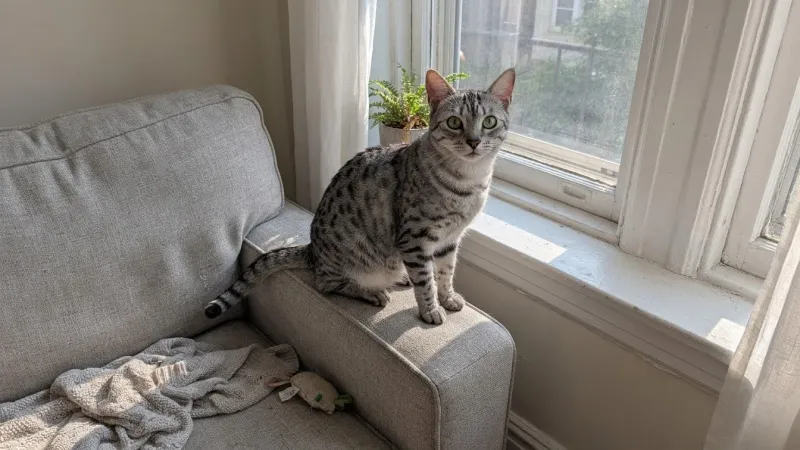
Price: $1,200-$2,500 · Origin: Egypt · Weight: 6-14 lbs · Lifespan: 12-15 years The Egyptian Mau is the only naturally spotted breed of domesticated cat, meaning its cheetah-like markings developed without any wildcat crossbreeding. A loose flap of skin extending from the flank to the back knee lets this athletic cat sprint and leap effortlessly across living room shelves. Maus bond deeply with their owners and appreciate predictable routines, making them loyal companions when your job takes you to a brand-new city.
3Toyger
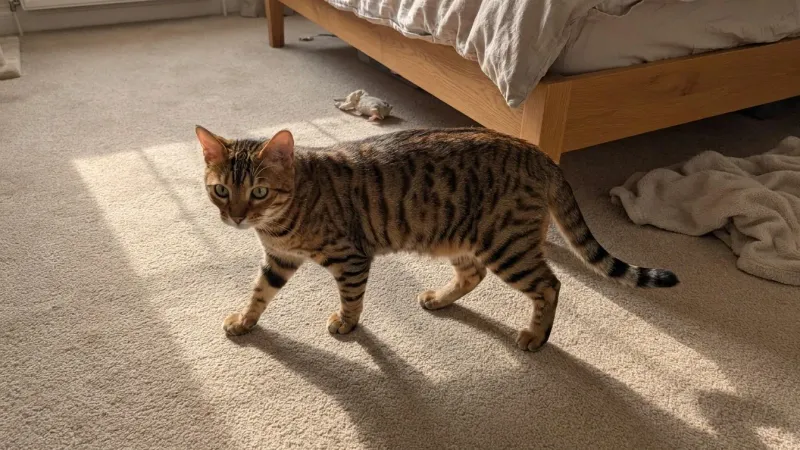
Price: $1,500-$3,000 · Origin: United States · Weight: 7-15 lbs · Lifespan: 12-15 years Bred specifically to look like a miniature tiger, the Toyger pairs bold vertical mackerel stripes and a muscular rolling gait with an easygoing domestic personality. Breeders achieved this wild look by selectively breeding striped domestic shorthairs rather than crossing with big cats. Toygers are calm, adaptable, and quiet compared to many high-energy exotic cat breeds with wild looks, helping you stay on good terms with downstairs neighbors.
4Abyssinian
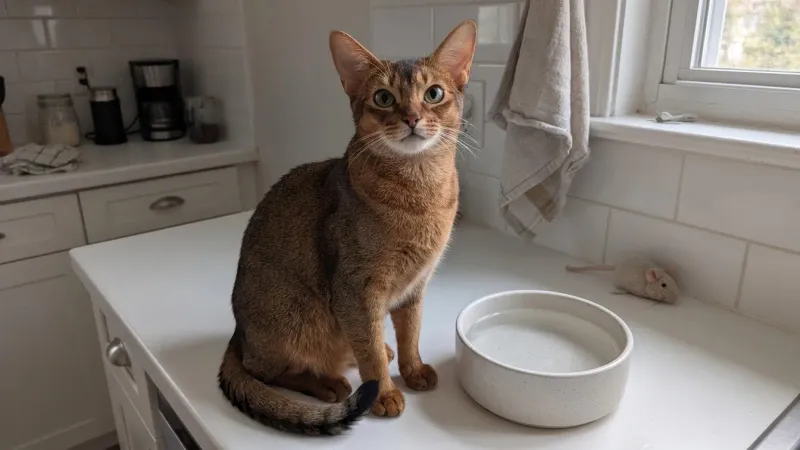
Price: $1,000-$2,000 · Origin: Great Britain (debated; named after Abyssinia) · Weight: 6-10 lbs · Lifespan: 9-15 years With large cupped ears, almond eyes, and a warm ticked coat that shimmers like a miniature cougar, the Abyssinian brings classic wild beauty to small spaces. While named after Abyssinia (modern-day Ethiopia), the breed's exact geographical origins are debated, and it was formally developed in Great Britain. This compact breed is one of the oldest known domestic cat types and carries no legal restrictions anywhere in the country. Abyssinians love high perches where they can supervise your unpacking, and their short, close-lying coat requires only a quick weekly brush.
5Pixie-Bob
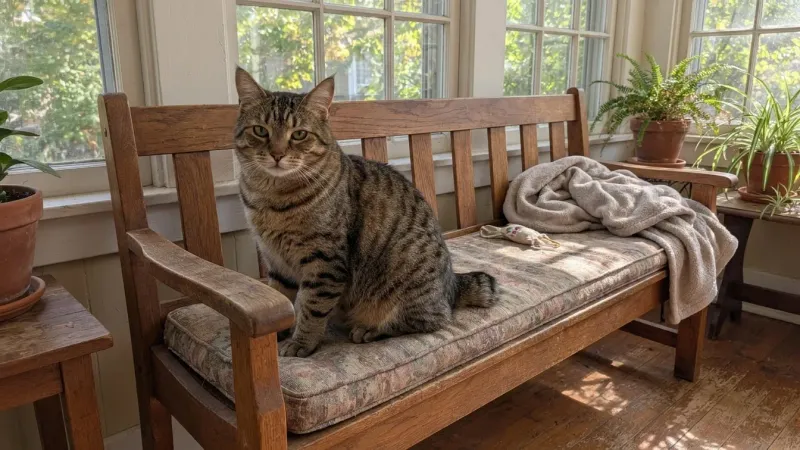
Price: $800-$2,000 · Origin: United States · Weight: 8-17 lbs · Lifespan: 13-16 years Modeled after the North American bobcat, the Pixie-Bob features a naturally short tail, tufted ears, heavy brow ridges, and a spotted brown tabby coat. Genetic testing and breed registry records from TICA classify the Pixie-Bob as a 100% domestic cat with no verified wild bobcat ancestry, giving you the rugged woodland look without triggering wildlife agency inspections during interstate moves. Pixie-Bobs have a dog-like devotion to their families, rarely complain during car rides, and tolerate changes in floor plans with calm curiosity.
6Australian Mist
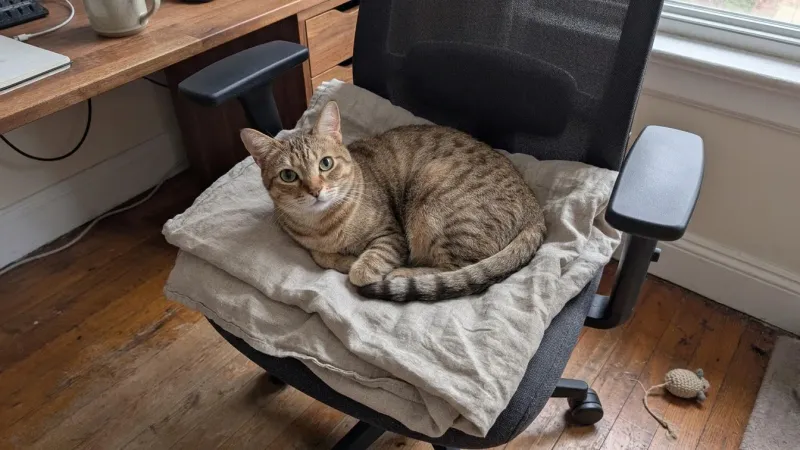
Price: $1,000-$1,800 · Origin: Australia · Weight: 8-15 lbs · Lifespan: 15-18 years Developed from Burmese, Abyssinian, and domestic tabby cats, the Australian Mist sports delicate spots and marbling softened by a misty ticked coat. Breeders intentionally selected for a gentle, indoor-only temperament suited to apartment living. Unlike high-strung wild hybrids that pace and scratch walls when stressed, Australian Mists remain relaxed lap companions who handle crate travel and new rental layouts smoothly.
7Sokoke
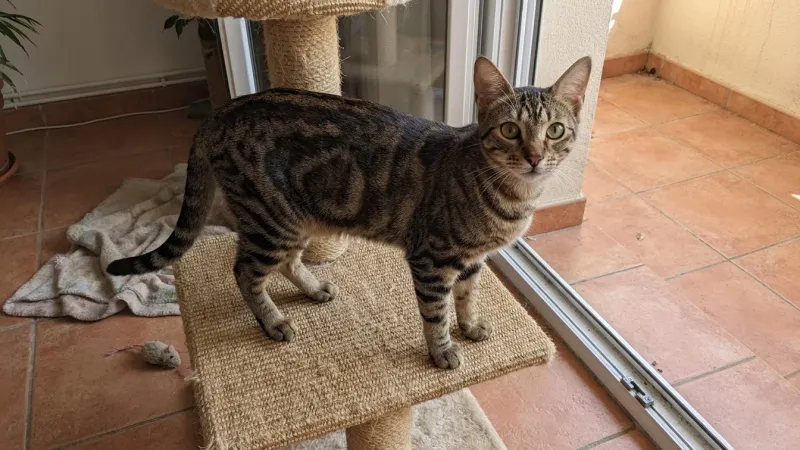
Price: $1,200-$2,200 · Origin: Kenya · Weight: 6-10 lbs · Lifespan: 12-15 years Originating from a natural population of domestic forest cats in coastal Kenya, the Sokoke displays a striking wood-grain tabby coat with ticked bands that resemble wild jungle camouflage. Their long hind legs create a distinctive tiptoe walk, yet they have zero wildcat DNA and face no legal barriers in any state. Sokokes are agile climbers that thrive indoors when given tall scratching posts and window perches.
8American Bobtail
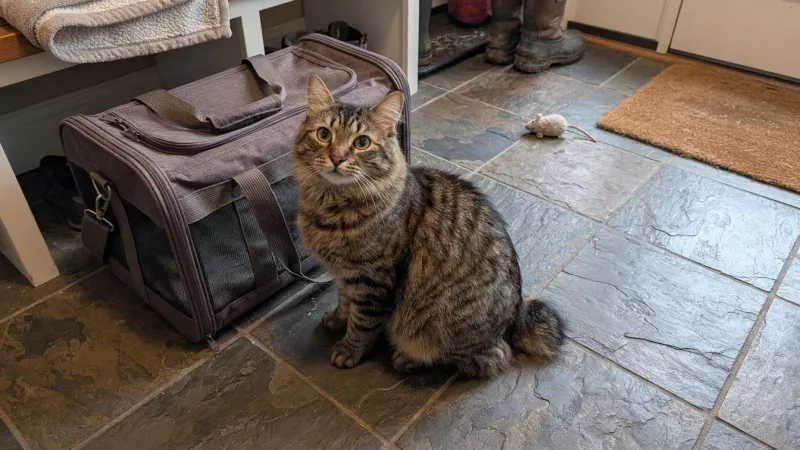
Price: $800-$1,500 · Origin: United States · Weight: 7-16 lbs · Lifespan: 13-15 years Sturdy, rectangular, and expressive, the American Bobtail mimics a wild lynx with its expressive bobbed tail, muscular stance, and wide-set hunter gaze. Because the breed arose from natural genetic mutations within domestic cats, it is completely exempt from hybrid ownership bans. American Bobtails are famous for their laid-back, travel-ready demeanor, often riding comfortably in carriers or harnesses during long cross-country relocations.
9California Spangled
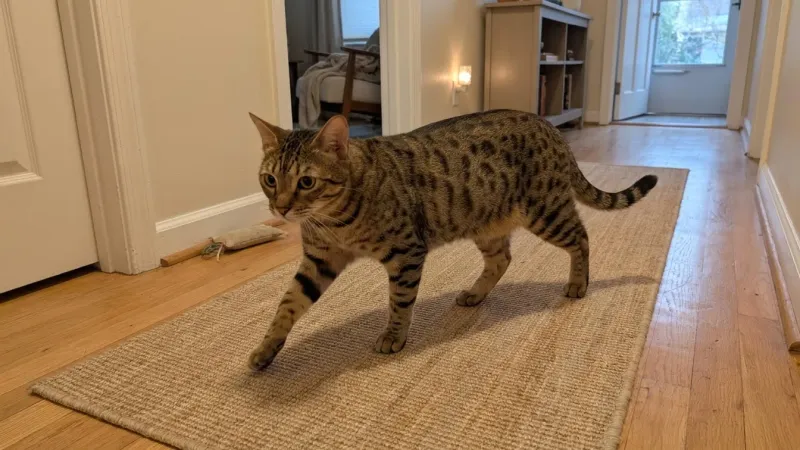
Price: $1,000-$2,500 (historical; extremely rare) · Origin: United States · Weight: 8-15 lbs · Lifespan: 10-14 years Created in the 1980s to raise awareness for endangered wild leopards, the California Spangled combines dark, well-defined jungle spots with a long, low-slung predatory stride. Every ancestor in its lineage is a domestic cat, ensuring smooth lease approvals and unrestricted interstate travel, though the breed is extremely rare with virtually no active breeders today, making it nearly impossible to find for purchase despite its listed historical price range. These cats are affectionate, people-focused, and quick to turn any new apartment hallway into an interactive play zone.
How to Pass Landlord Screenings With a Wild-Looking Cat
Property managers often confuse spotted domestic cats with restricted wild hybrids, which can delay your lease approval during a fast relocation. Always keep your breeder registration papers and veterinary records in a digital folder so you can prove your cat is 100 percent domestic Felis catus.
- Highlight registry certificates: Show documents from The International Cat Association (TICA), The Cat Fanciers' Association (CFA), or other international registries listing domestic parentage—note that CFA does not recognize all nine breeds, so papers for breeds like the Toyger, Pixie-Bob, Australian Mist, and Sokoke will come from TICA or other recognized registries.
- Emphasize indoor temperament: Reassure landlords that your cat stays strictly indoors and uses scratching posts rather than doors or trim.
- Set up vertical territory fast: Active spotted breeds adjust quicker to new rentals when you unpack small cat trees for apartments on moving day.
- Keep litter areas tidy: Compact rentals stay fresh and odor-free when you use cat trees with litter box enclosures.
Daily Enrichment and Care for High-Energy Exotic Breeds
Even without wild bloodlines, domestic breeds bred to resemble jungle cats retain strong hunting instincts and high athleticism. Without daily mental and physical outlets, bored cats may climb curtains or vocalize loudly through thin apartment walls.
Schedule two 15-minute interactive wand play sessions each day before meals, and offer food puzzle toys while you work. If you decorate your rental with greenery, check the ASPCA toxic plant list before buying houseplants, as common lilies, pothos, and sago palms are poisonous to cats. Schedule a wellness exam with a veterinarian within two weeks of moving to a new state to establish local care and update microchip contact details.
You do not need a restricted wild hybrid to bring leopard spots or lynx charm into a rental home. By choosing one of these 9 fully domestic breeds, you protect yourself from sudden state ownership bans and smooth out apartment approvals every time your career moves you to a new city. Gather your registry paperwork, set up vertical climbing spaces right away, and enjoy a wild-looking companion that fits effortlessly into renter life.
Sources: The Cat Fanciers' Association (CFA) · The International Cat Association (TICA) · ASPCA · International Cat Care
Frequently asked questions
Are Bengal and Savannah cats legal in every state?
No. Bengals and Savannahs are hybrid breeds created by crossing domestic cats with wild Asian Leopard Cats or African Servals. Hawaii bans all Bengals and Savannahs regardless of generation, while jurisdictions like New York City and Georgia restrict early-generation hybrids (F1–F4) but generally permit later-generation domestic-equivalent cats, making interstate moves complicated for renters.
How can I prove to a landlord that my spotted cat is not a wild hybrid?
Provide a copy of your cat's registration certificate from a recognized registry like CFA or TICA, along with veterinary records listing the breed as a domestic feline. Offering a brief pet resume with past landlord references also reassures property managers during screening.
What is the most wild-looking cat breed that is 100 percent domestic?
The Ocicat and the Toyger are widely considered the most wild-looking fully domestic breeds. Ocicats display bold ocelot-style spots on an athletic body, while Toygers feature striking tiger stripes, yet both were developed strictly from domestic cat breeds with zero wild ancestry.
Do wild-looking domestic cats need special diets?
No. Unlike true wildcats or early-generation hybrids that sometimes require specialized raw diets, fully domestic breeds thrive on standard, complete-and-balanced commercial cat food approved by the Association of American Feed Control Officials (AAFCO). Always ask your veterinarian for portion advice tailored to your cat's age and activity level.

Nathan Brooks
Nathan Brooks runs Farmingzoom to help loving pet owners create safe, enriching homes for their animals. He cares deeply about responsible pet care and focuses on making everyday decisions simpler for fellow owners.…