Finding a cat with rich brown fur comes down to rare chocolate or cinnamon coat genetics paired with either a dense, plush teddy-bear coat or a sleek, glossy finish. Because solid brown fur is recessive to black, these warm-toned companions stand out effortlessly from common tabbies while keeping standard indoor care simple.
Each breed below brings warm cocoa or sable coloring alongside an adaptable temperament that fits comfortably into everyday apartment or house routines without demanding wild-cat enrichment or complicated diets.
| Breed | Origin | Size | Grooming | Lifespan |
|---|---|---|---|---|
| British Shorthair | United Kingdom | Medium to large | Weekly brushing | 12-20 years |
| Scottish Fold | United Kingdom | Medium | Weekly brushing | 11-15 years |
| Selkirk Rex | United States | Medium to large | 2-3 times weekly | 10-15 years |
| Exotic Shorthair | United States | Medium | 2-3 times weekly | 12-15 years |
| European Burmese | Myanmar / UK | Medium | Weekly brushing | 12-16 years |
| Ragamuffin | United States | Large | 2-3 times weekly | 12-16 years |
| Siberian | Russia | Medium to large | 2-3 times weekly | 11-18 years |
| Havana Brown | United Kingdom | Medium | Weekly brushing | 10-15 years |
| York Chocolate | United States | Medium to large | 2-3 times weekly | 13-15 years |
1British Shorthair (Cinnamon and Chocolate)
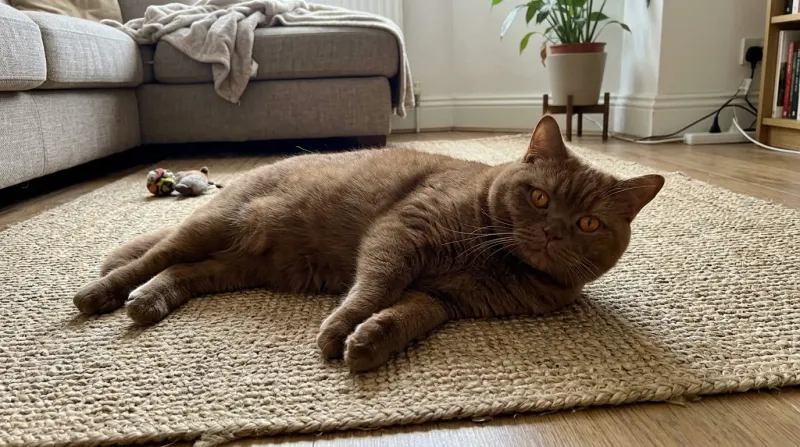
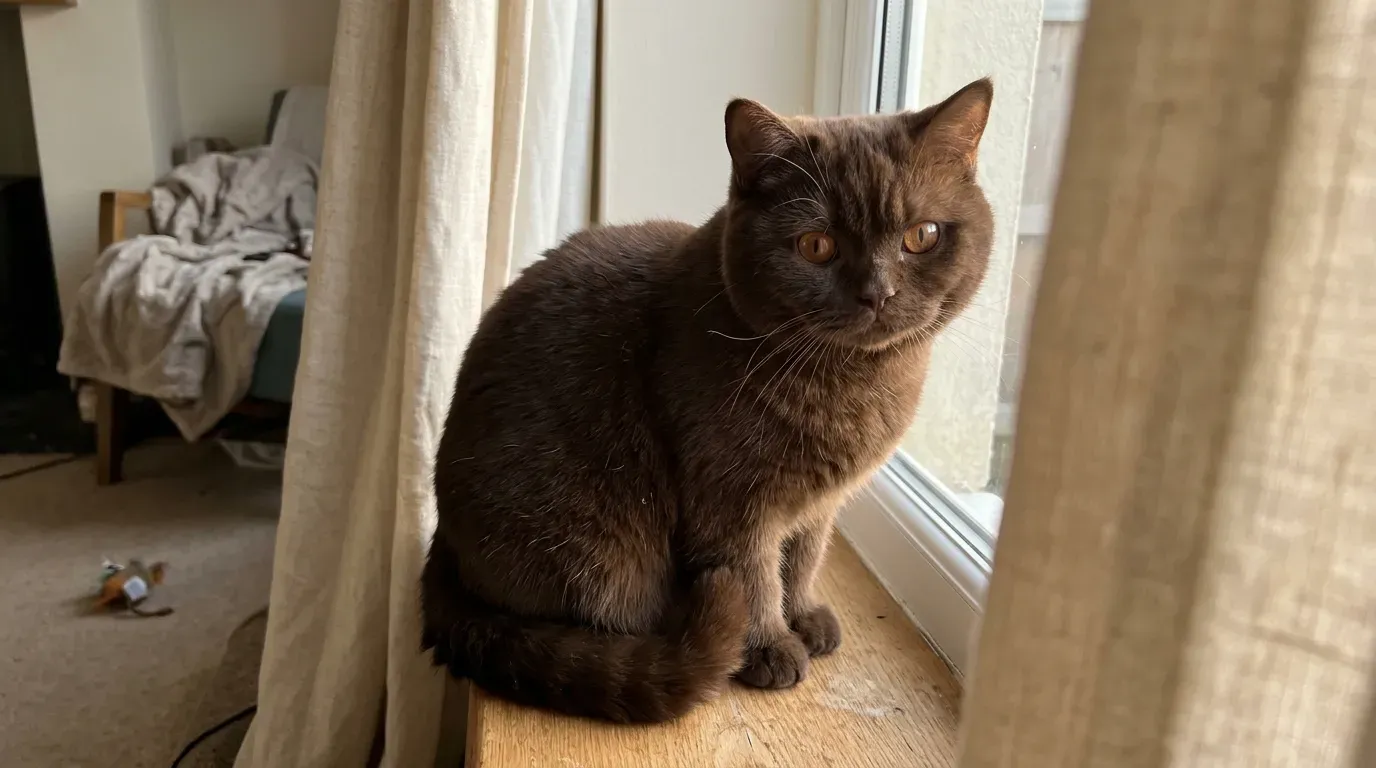
Origin: United Kingdom · Size: Medium to large (9-17 lbs) · Grooming: Weekly brushing · Lifespan: 12-20 years The British Shorthair is the classic teddy bear cat, prized for its chubby cheeks, round copper eyes, thick tail, and ultra-dense plush coat. While blue is most famous, recognized chocolate and warm cinnamon coats give this breed an unmistakable grizzly cub look. They are calm, independent, and affectionate without being clingy. Brush their crisp double coat once a week with a rubber grooming mitt or slicker brush to lift dead undercoat and keep the fur standing upright.
2Scottish Fold (Solid Chocolate)
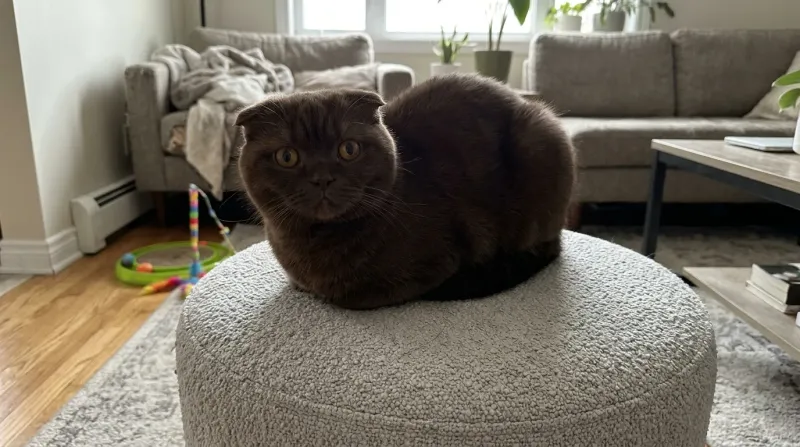
Origin: United Kingdom · Size: Medium (6-13 lbs) · Grooming: Weekly brushing · Lifespan: 11-15 years With small folded ears, wide round eyes, and a compact, rounded body, a chocolate-coated Scottish Fold closely resembles a miniature bear cub. Both shorthair and plush longhair varieties occur in rich brown shades. They adapt effortlessly to quiet apartments and enjoy gentle interactive play. Check their folded ears weekly for wax buildup using a vet-approved cleanser, and ask your vet to monitor joint mobility during routine annual checkups. Note that the genetic mutation responsible for folded ears causes osteochondrodysplasia—a painful, progressive degenerative joint and cartilage condition affecting all Scottish Folds to varying degrees—so prospective owners should avoid breeders who mate two Scottish Folds together, as this produces severe skeletal deformities.
3Selkirk Rex (Chocolate Plush)
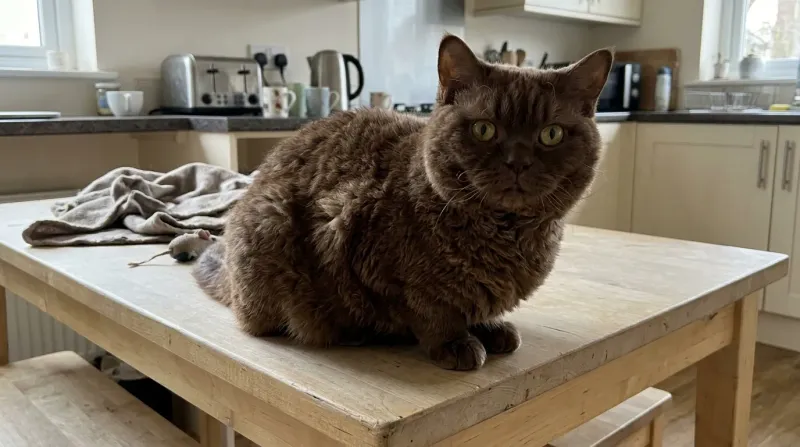
Origin: United States · Size: Medium to large (6-16 lbs) · Grooming: 2-3 times weekly · Lifespan: 10-15 years Often called the sheep-cat, the Selkirk Rex features naturally curly, woolly fur and a heavy-boned, rounded head that looks just like a well-loved stuffed bear in warm chocolate or cinnamon shades. Their laid-back, patient temperament makes them wonderful household companions. Comb their curls gently two to three times a week with a wide-tooth metal comb so you detangle knots without frizzing out their signature plush waves.
4Exotic Shorthair (Brown and Chocolate)
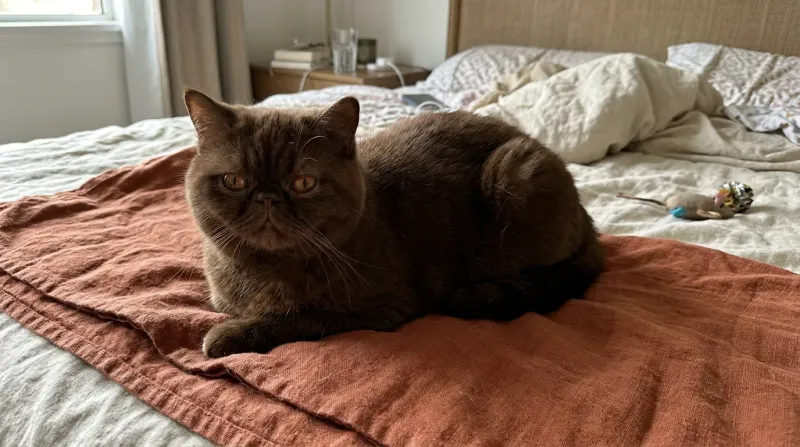
Origin: United States · Size: Medium (7-14 lbs) · Grooming: 2-3 times weekly · Lifespan: 12-15 years Bred to offer the round face and cobby build of a Persian without long tangled fur, the Exotic Shorthair wears a thick, velvety coat that stands out from the body like bear fur. Solid chocolate and warm brown tabbies look especially cuddly. Gently wipe the corners of their large round eyes daily with a damp cotton pad to prevent tear staining, and feed them from shallow bowls suited to their flat facial structure.
5European Burmese (Brown)
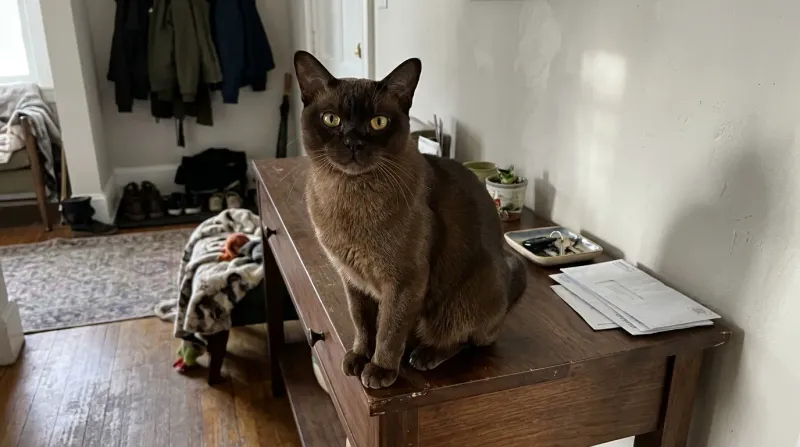
Origin: Myanmar / United Kingdom · Size: Medium (8-12 lbs) · Grooming: Weekly brushing · Lifespan: 12-16 years Unlike the sleeker American Burmese, the European Burmese has a slightly rounder head, fuller cheeks, and a muscular, compact body covered in rich, warm sable-brown satin fur. They are deeply people-oriented cats that follow owners from room to room and love curling up under blankets. Their short, close-lying coat requires minimal upkeep—just a weekly pass with a soft bristle brush and regular nail trims keep them looking glossy.
6Ragamuffin (Mink and Solid Brown)
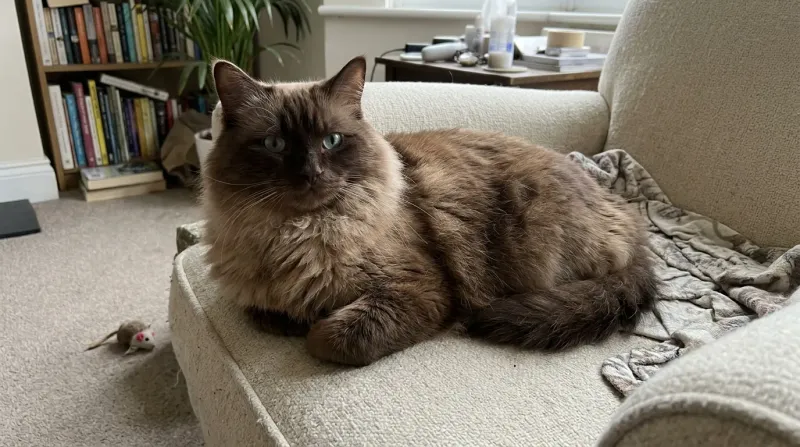
Origin: United States · Size: Large (10-20 lbs) · Grooming: 2-3 times weekly · Lifespan: 12-16 years Large, heavy-boned, and covered in a rabbit-soft medium-long coat, the Ragamuffin comes in rich chocolate and warm mink-brown shades that give them the look of a giant, gentle bear. Despite their impressive size, they are docile indoor loungers that greet family members at the door. Brush their silky coat two to three times a week, paying extra attention behind the ears and under the front legs where friction causes tangles.
7Siberian (Warm Brown and Golden)
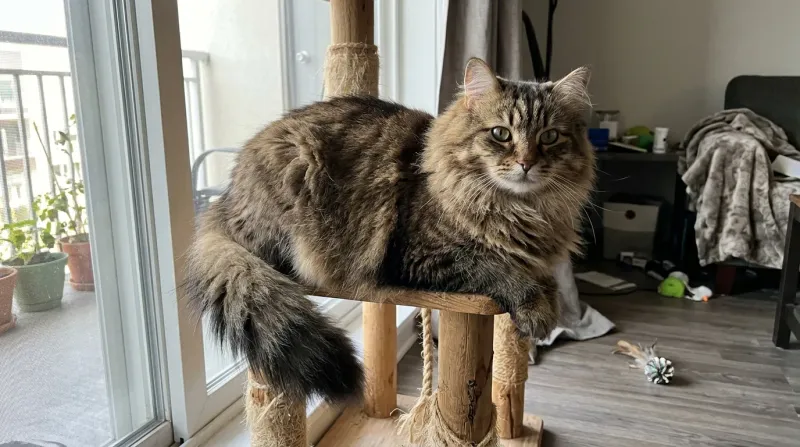
Origin: Russia · Size: Medium to large (8-17 lbs) · Grooming: 2-3 times weekly · Lifespan: 11-18 years Built for snowy forests, the Siberian wears a thick triple coat, a full neck ruff, and tufted ears that create a rugged brown bear silhouette. They are agile, playful climbers who enjoy high perches—pairing them with sturdy modern cat trees gives them a safe indoor outlet. Their dense coat resists matting better than many longhaired breeds, needing thorough brushing twice a week and daily during spring molts.
8Havana Brown
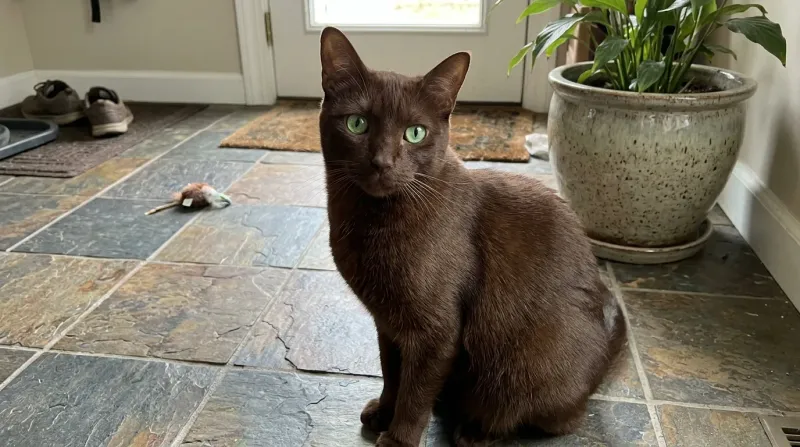
Origin: United Kingdom · Size: Medium (6-10 lbs) · Grooming: Weekly brushing · Lifespan: 10-15 years One of the few breeds bred exclusively in solid mahogany brown down to the whiskers and paw pads, the Havana Brown pairs warm coat color with expressive emerald-green eyes and a rounded muzzle. They are curious, moderately active cats that enjoy interactive wand toys and gentle paw-tapping games. Because their coat is short and smooth, weekly brushing and annual dental checks are usually all they need to stay thriving indoors.
9York Chocolate
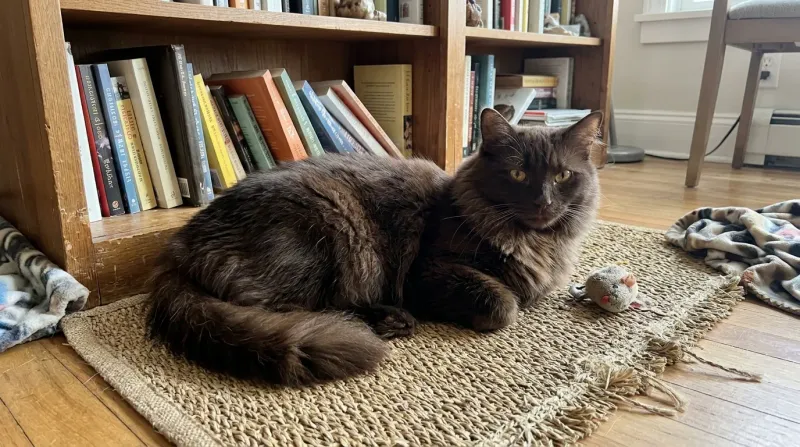
Origin: United States · Size: Medium to large (10-16 lbs) · Grooming: 2-3 times weekly · Lifespan: 13-15 years Developed from domestic farm cats in New York, the York Chocolate boasts a plush, semi-long coat in deep chocolate brown, a full ruff around the neck, and a plumed tail. Their sturdy build and warm cocoa coloring give them a classic woodland bear appearance. They are affectionate, energetic companions that enjoy puzzle toys and window bird-watching, while their single-layered silky coat stays neat with twice-weekly combing. However, readers hoping to adopt one should know that the York Chocolate is extremely rare, unrecognized by major cat registries such as CFA and TICA, and no longer actively bred.
Daily Indoor Care for Plush Brown Cats
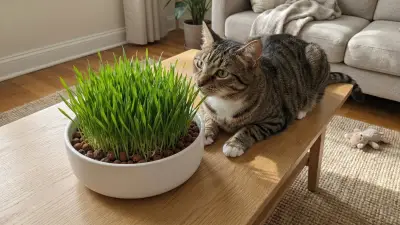
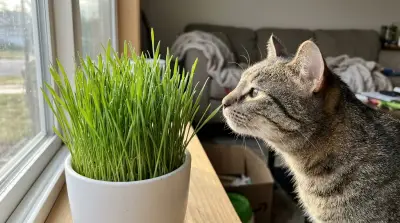
Dense, bear-like coats trap loose undercoat hair close to the skin, so consistent grooming prevents mats and reduces hairballs. Use a stainless-steel slicker brush or wide-tooth comb once or twice a week, increasing to every other day during spring and fall shedding seasons. Offering vet-approved fiber or fresh cat grass for hairballs also helps move swallowed fur smoothly through the digestive tract.
Keep indoor environments safe by checking houseplants before bringing them home, as common varieties like lilies, pothos, and sago palms are toxic to cats. Feed measured portions of complete commercial cat food rather than table scraps, avoiding toxic foods such as onions, garlic, chocolate, grapes, and raisins. Schedule annual wellness exams with your veterinarian, and book an earlier visit if you notice excessive scratching, sudden weight gain, or breathing changes in flat-faced breeds.
How to Choose the Right Brown Companion
Match the breed's coat density and energy level to your daily schedule before adopting. If you want minimal grooming, shorthaired plush or sleek breeds like the British Shorthair, European Burmese, or Havana Brown need just a quick weekly brush, whereas longhaired breeds like the Ragamuffin and Siberian require thorough combing to keep their coats tangle-free. For smaller homes, compare body weights and activity levels—our guide to small cat breeds for studio apartments highlights compact companions if space is tight.
Always request health screening records from reputable breeders or rescues. Round-faced breeds like Exotic Shorthairs should be checked for clear airways and healthy eyes, while Scottish Folds require responsible breeding documentation to minimize joint stiffness. Regardless of breed, a sturdy scratching post, puzzle feeders, and a quiet resting perch will keep your warm-toned companion happy indoors.
Whether you prefer the chubby-cheeked calm of a chocolate British Shorthair or the glossy satin coat of a European Burmese, brown cat breeds combine rare warm coloring with straightforward indoor care. Stick to weekly coat brushing, safe indoor enrichment, and annual vet checkups to keep your warm-toned companion healthy and comfortable for years.
Frequently asked questions
Why are solid brown cat breeds so rare?
Solid brown fur is controlled by recessive alleles at the brown (B) gene locus—specifically chocolate (b) and cinnamon (b')—that alter standard black eumelanin pigment into brown rather than diluting it. Because both parents must carry a recessive brown allele for kittens to inherit a solid brown coat, true brown cats appear far less often than black, orange, or tabby cats.
Which cat breed looks the most like a teddy bear?
The British Shorthair and Selkirk Rex most closely resemble teddy bears thanks to their round heads, full cheeks, stocky bodies, and dense, plush coats. Choosing a solid chocolate or cinnamon coat enhances that classic stuffed-bear appearance.
Do plush brown cat breeds shed a lot?
Yes, breeds with thick double or triple coats like the British Shorthair and Siberian shed moderately year-round and heavily in spring and fall. Brushing two to three times a week removes loose undercoat before it settles on furniture or causes hairballs.
Are brown cat breeds good for first-time cat owners?
Most of these breeds are calm, adaptable, and well-suited to first-time owners as long as you commit to regular brushing. Breeds like the British Shorthair, Ragamuffin, and European Burmese thrive on routine indoor care without demanding extreme exercise.

Nathan Brooks
Nathan Brooks runs Farmingzoom to help loving pet owners create safe, enriching homes for their animals. He cares deeply about responsible pet care and focuses on making everyday decisions simpler for fellow owners.…