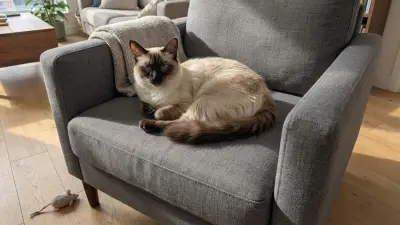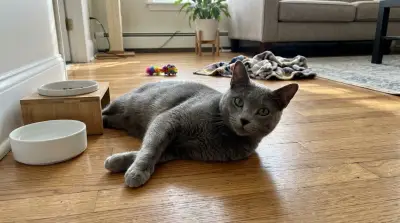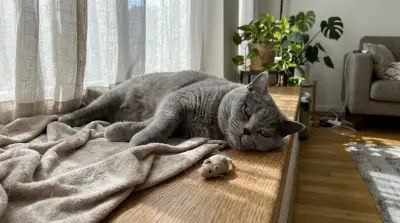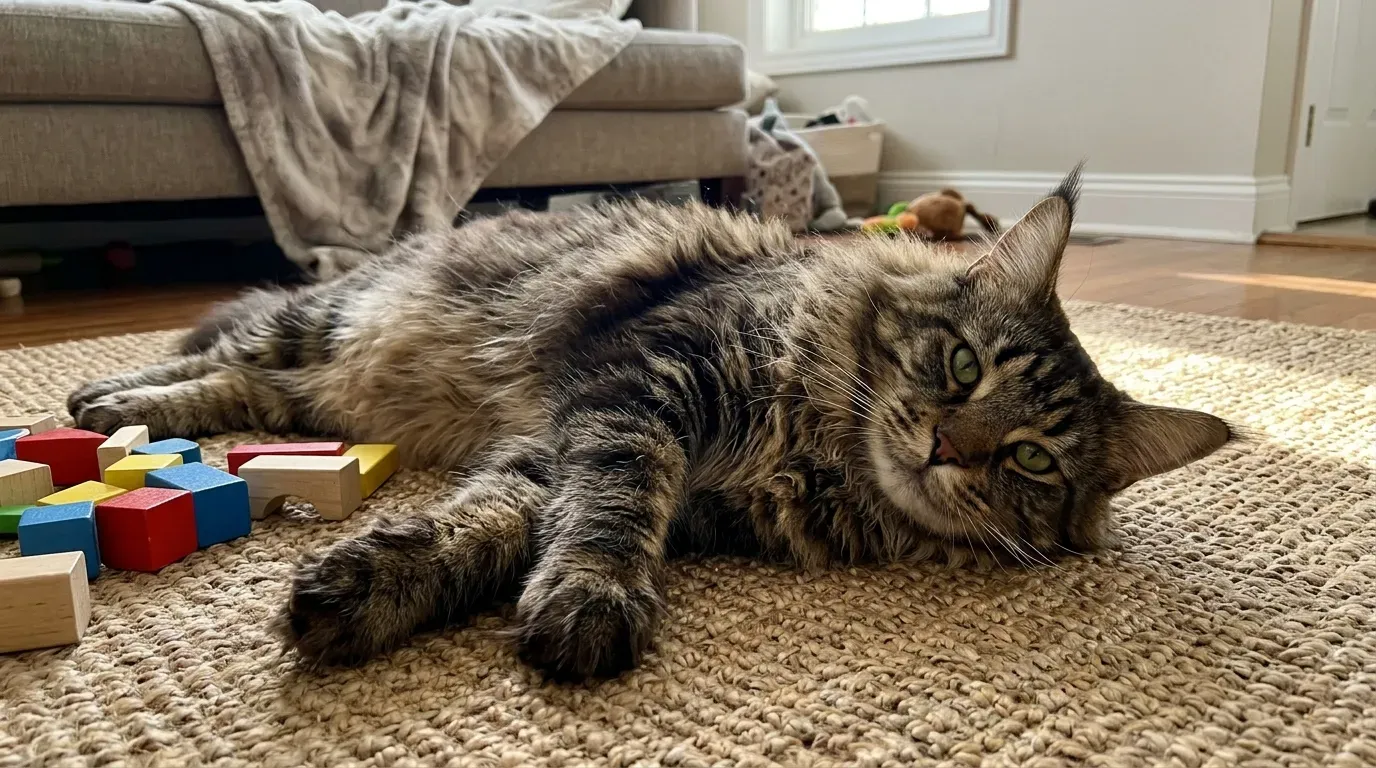
The best medium-to-large cat breeds good with kids combine sturdy, muscular builds with remarkably steady nerves, allowing them to thrive in noisy households with energetic toddlers. While delicate toy breeds often feel overwhelmed by sudden movements and loud play, big, laid-back cats usually take family chaos in stride and enjoy being part of the action.
Choosing a larger cat also protects your pet, since a solid frame is less vulnerable to clumsy hugs. Even with the gentlest breed, adult supervision and a pre-adoption vet check remain essential for a safe match. Below is a quick comparison of 11 medium-to-large, kid-friendly breeds before we explore each one in detail.
| Breed | Adult Weight | Coat Length | Lifespan |
|---|---|---|---|
| Maine Coon | 10-25 lbs | Long | 12-15 years |
| Ragdoll | 10-20 lbs | Semi-long | 12-17 years |
| Ragamuffin | 10-20 lbs | Medium-long | 12-16 years |
| Norwegian Forest Cat | 12-20 lbs | Long | 14-16 years |
| Siberian | 10-20 lbs | Long | 11-18 years |
| British Shorthair | 9-18 lbs | Short | 12-20 years |
| American Bobtail | 7-16 lbs | Short or long | 13-15 years |
| Selkirk Rex | 9-16 lbs | Short or long | 14-15 years |
| Chartreux | 6-16 lbs | Short | 12-15 years |
| Birman | 10-15 lbs | Medium-long | 12-16 years |
| Pixie-Bob | 8-17 lbs | Short or long | 13-15 years |
1Maine Coon
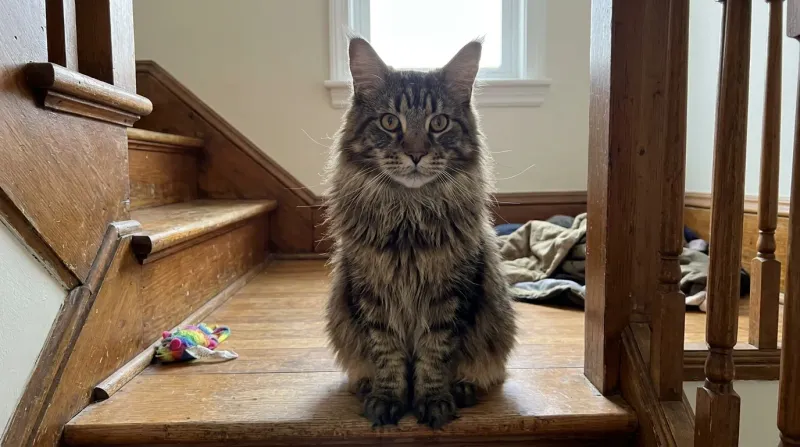
Adult Weight: 10-25 lbs · Coat Length: Long · Lifespan: 12-15 years Known as the gentle giants of the cat world, Maine Coons pair a rugged, heavy-boned body with a cheerful, dog-like personality. They rarely rattle at dropped toys or loud laughter and love following children from room to room. Their heavy, shaggy, silky coat needs combing at least two to three times a week (and more often during seasonal sheds) to prevent mats behind the ears and legs, and their sociable nature means they happily join quiet floor play without getting underfoot.
2Ragdoll
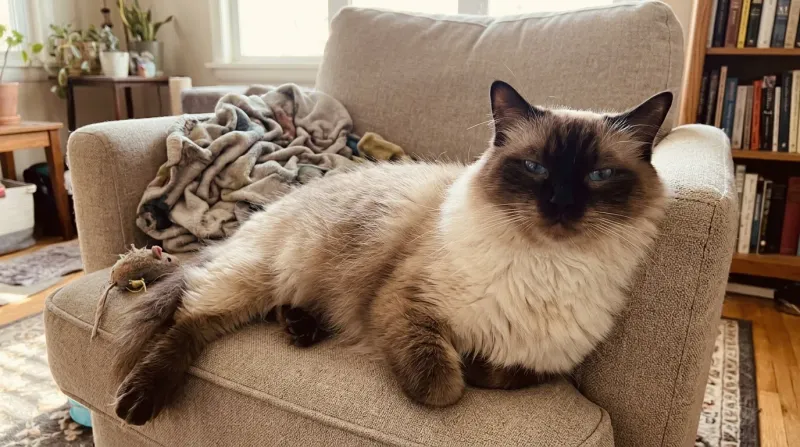
Adult Weight: 10-20 lbs · Coat Length: Semi-long · Lifespan: 12-17 years Ragdolls earned their name from their tendency to relax completely when held, making them famously patient with gentle young kids. They have broad chests, soft plush coats, and a calm, low-to-the-ground temperament that keeps them grounded rather than frantically dashing away from noise. Because they are so trusting, always teach children to support their hindquarters properly when lifting them.
3Ragamuffin
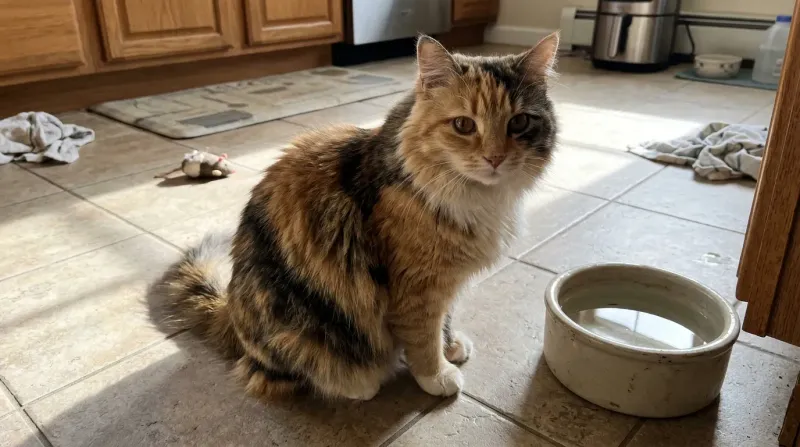
Adult Weight: 10-20 lbs · Coat Length: Medium-long · Lifespan: 12-16 years Closely related to the Ragdoll, the Ragamuffin boasts a thick, rabbit-soft coat and an extra-sturdy, rectangular body built to handle active family life. These sweet-tempered cats crave human company and often greet kids at the door after school. Their plush fur resists matting better than many longhaired breeds, requiring only a quick weekly comb to stay clean and comfortable.
4Norwegian Forest Cat
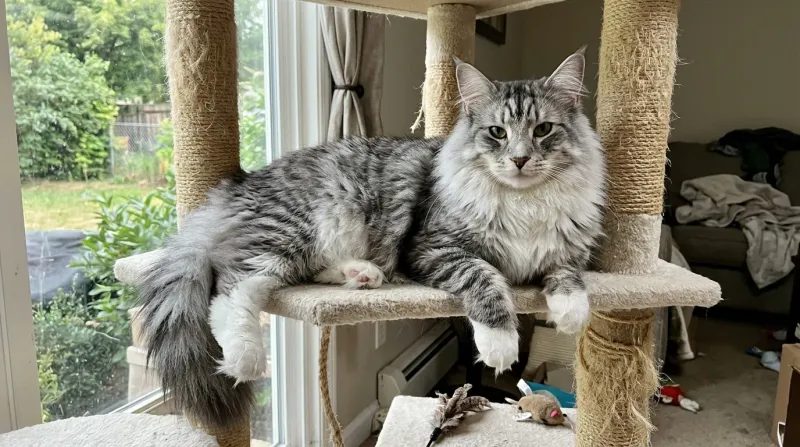
Adult Weight: 12-20 lbs · Coat Length: Long · Lifespan: 14-16 years Built for harsh Scandinavian winters, the Norwegian Forest Cat has a powerful, muscular frame and a calm, self-assured disposition. Loud household commotion rarely fazes them, and they tend to bond warmly with the whole family rather than clinging to just one adult. Give them tall, sturdy climbing posts so they can survey noisy playrooms from a cozy perch above the floor.
5Siberian
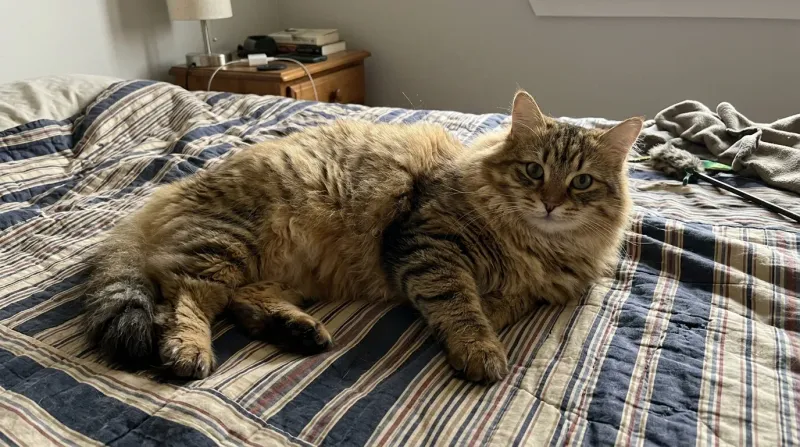
Adult Weight: 10-20 lbs · Coat Length: Long · Lifespan: 11-18 years Siberians are barrel-chested, agile powerhouses with big personalities and high tolerance for lively homes. They love interactive games like fetch and happily tolerate respectful attention from toddlers. Their dense triple coat sheds seasonally, so regular brushing keeps loose hair off furniture. You can also explore other big cat breeds that make affectionate household pets if you love this sturdy, sociable type.
6British Shorthair
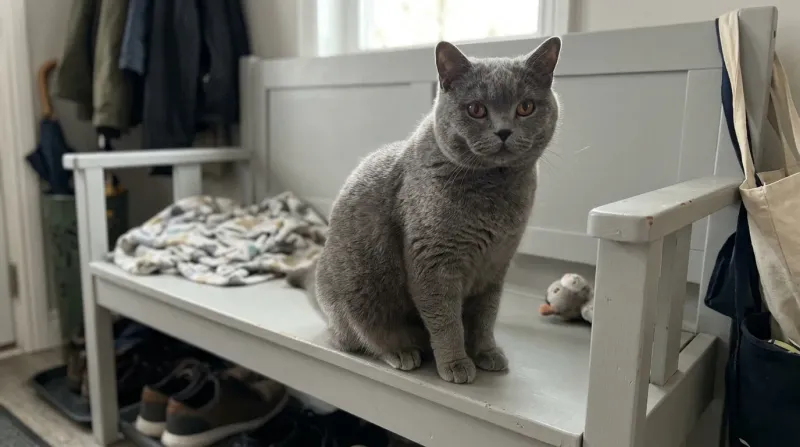
Adult Weight: 9-18 lbs · Coat Length: Short · Lifespan: 12-20 years With a dense, teddy-bear coat and stocky, round build, the British Shorthair is as durable as it is dignified. These easygoing cats prefer sitting beside kids on the couch rather than being carried around constantly, which reduces the risk of accidental drops. Their crisp short fur needs minimal grooming, and their steady, unhurried demeanor brings a calming presence to energetic homes.
7American Bobtail
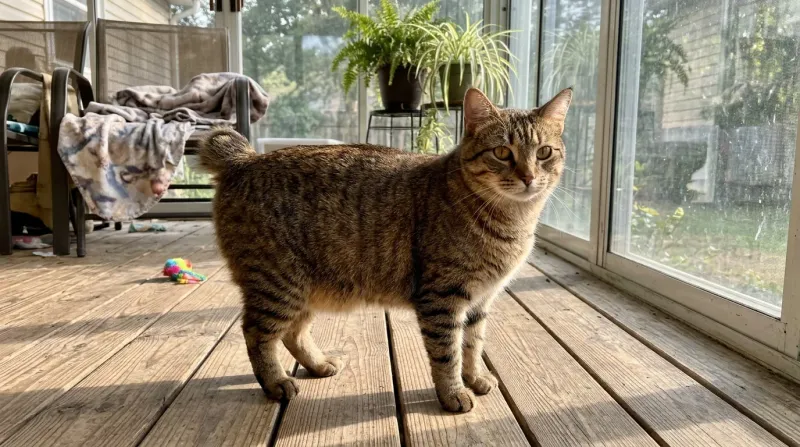
Adult Weight: 7-16 lbs · Coat Length: Short or long · Lifespan: 13-15 years Recognizable by its expressive, naturally short tail and athletic, broad-chested build, the American Bobtail adapts effortlessly to bustling family routines. Breeders prize this breed for its devoted, interactive temperament and high tolerance for children and family dogs alike. They enjoy learning simple tricks and walking on a harness, giving older kids a fun, safe way to bond with their pet.
8Selkirk Rex
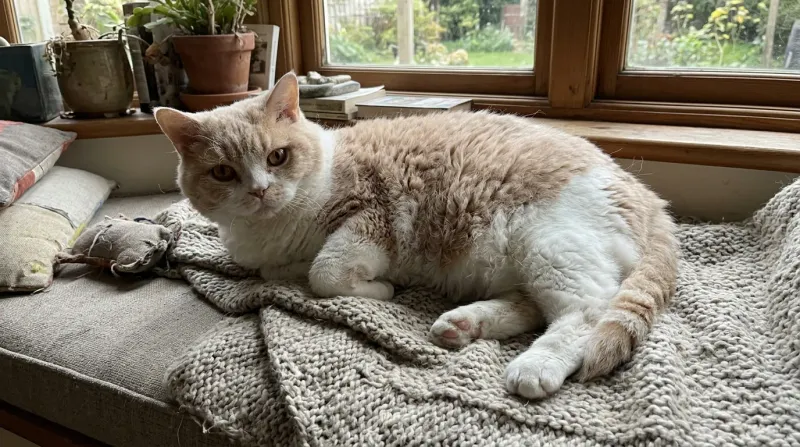
Adult Weight: 9-16 lbs · Coat Length: Short or long · Lifespan: 14-15 years Often called the cat in sheep's clothing, the Selkirk Rex pairs a heavy, solid-boned body with soft, loose curls and a wonderfully laid-back attitude. They are patient, cuddly, and unbothered by everyday household noise, happily lounging near kids while they color or build blocks. Gentle combing a couple of times a week keeps their plush curls neat without frizzing.
9Chartreux
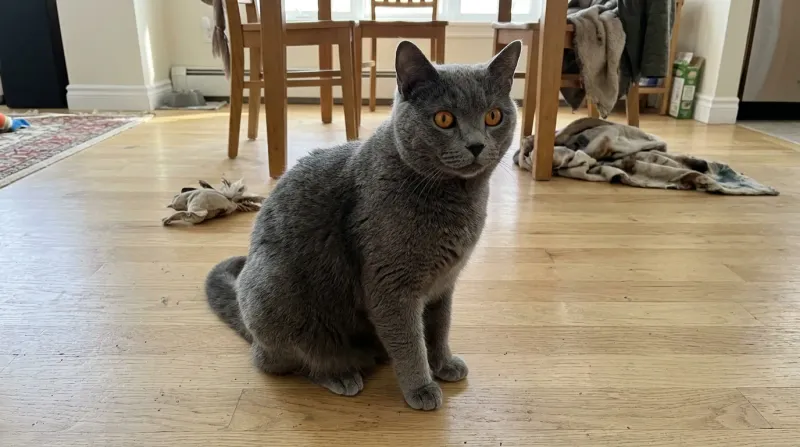
Adult Weight: 6-16 lbs · Coat Length: Short · Lifespan: 12-15 years The muscular, blue-gray Chartreux is a quiet observer with a remarkably gentle, non-aggressive temperament. Rather than lashing out when startled by a loud noise, a Chartreux simply steps back to a quiet spot until the excitement passes. Their thick, woolly double coat requires very little upkeep, and their playful, adaptable nature suits families seeking a peaceful yet sturdy companion.
10Birman
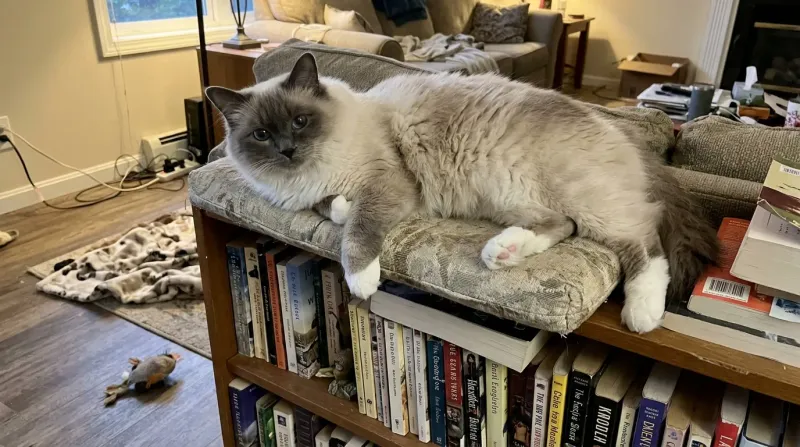
Adult Weight: 10-15 lbs · Coat Length: Medium-long · Lifespan: 12-16 years Known for their silky colorpoint coats, sapphire-blue eyes, and signature white paws, Birmans are deeply affectionate and eager to participate in family life. They have a medium-heavy, elongated build and a gentle, tolerant streak that makes them reliable companions for well-mannered young children. Because they have a silky coat with a light, non-matting undercoat, they require only weekly combing.
11Pixie-Bob
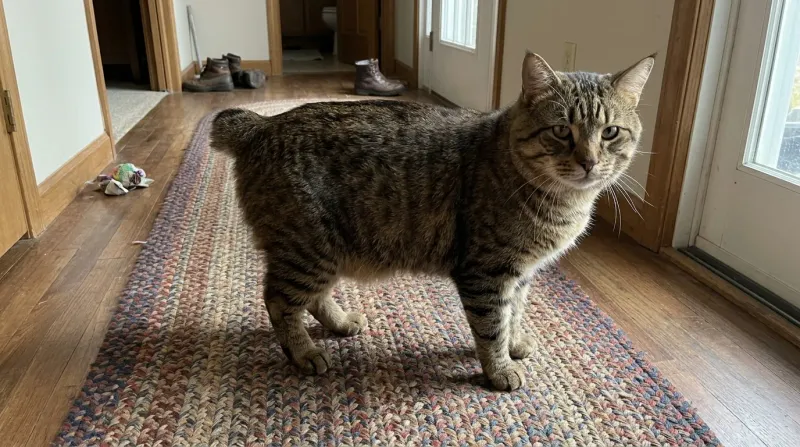
Adult Weight: 8-17 lbs · Coat Length: Short or long · Lifespan: 13-15 years Despite its wild bobcat-inspired spots and tufted ears, the Pixie-Bob is a thoroughly domestic, devoted family companion with a heavy, muscular frame. They are famously tolerant of young children, enjoy interactive play with wand toys, and communicate with soft chirps and trills. For more options suited to busy households, browse these best cat breeds for families and first-time owners.
Helping a Large Cat Settle Into a Noisy Family Home
Even the most easygoing big cat needs time to adjust to a lively household. Many shelters and veterinarians recommend following the 3-3-3 guideline during adoption: give your cat three days to decompress in a quiet, kid-free basecamp room, three weeks to learn your family's daily routine, and three months to feel completely at home. Keep young children from chasing or cornering the cat during those first weeks.
Provide vertical escape routes so your cat can watch toddler playtime from a safe height. Investing in one of the best cat trees for large cats ensures heavy platforms will not wobble or tip when a 18-pound feline leaps onto the top perch. Always supervise interactions, teach children to pet gently with open hands, and schedule a veterinary wellness exam soon after bringing your new companion home.
Keeping Big Family Cats Safe Around Household Hazards
A busy family home contains everyday items that pose serious risks to curious cats. Keep chocolate, grapes, raisins, onions, garlic, xylitol, and caffeinated drinks out of reach, and never let children share snacks with pets. Remove toxic houseplants such as lilies, sago palms, and tulips, as even a small nibble or pollen dust from lilies can cause fatal kidney failure.
Small toys, hair ties, string, and yarn from kids' craft bins can cause dangerous intestinal blockages if swallowed. Because large breeds carry heavier frames, monitor their weight with your veterinarian and keep them active with wand toys rather than bare hands. Schedule an immediate vet visit if your cat hides suddenly, stops eating, limps, or shows any change in litter box habits.
A sturdy, patient medium-to-large cat can become a beloved childhood companion when paired with thoughtful supervision and clear household rules. Teach young children to respect quiet nap times, avoid pulling tails or fur, and always support a big cat's heavy body when holding it. Before adopting, consult a local veterinarian or reputable shelter to match an individual cat's temperament with your family's daily energy level.
Sources: The Cat Fanciers' Association (CFA) · The International Cat Association (TICA) · ASPCA · International Cat Care
Frequently asked questions
What is the best medium-to-large cat breed for toddlers?
Ragdolls, Maine Coons, and Ragamuffins are top choices for homes with toddlers because of their heavy, sturdy builds and exceptionally patient temperaments. Individual personality still matters most, so meet the cat beforehand and always supervise interactions between young children and pets.
What is the 3-3-3 rule when adopting a family cat?
The 3-3-3 rule outlines a typical rescue cat's adjustment timeline: 3 days to decompress from shelter stress in a quiet room, 3 weeks to learn your family's feeding and play routine, and 3 months to feel fully secure and show their true personality.
Are large cat breeds healthier than small breeds?
Large cat breeds are not automatically healthier, and extra weight can strain joints if a cat becomes overweight. Some big breeds like Maine Coons and Ragdolls have known hereditary heart risks, so ask breeders for health screenings and schedule regular veterinary checkups.
How do you teach young kids to handle a big cat safely?
Show children how to let the cat approach first, pet gently along the back with flat hands, and avoid hugging tightly or pulling ears and tails. Because large cats can weigh up to 25 pounds, young kids should sit on the floor rather than carry them.

Nathan Brooks
Nathan Brooks runs Farmingzoom to help loving pet owners create safe, enriching homes for their animals. He cares deeply about responsible pet care and focuses on making everyday decisions simpler for fellow owners.…