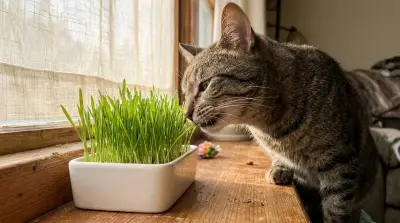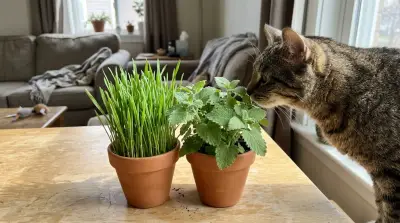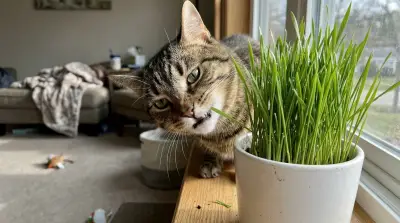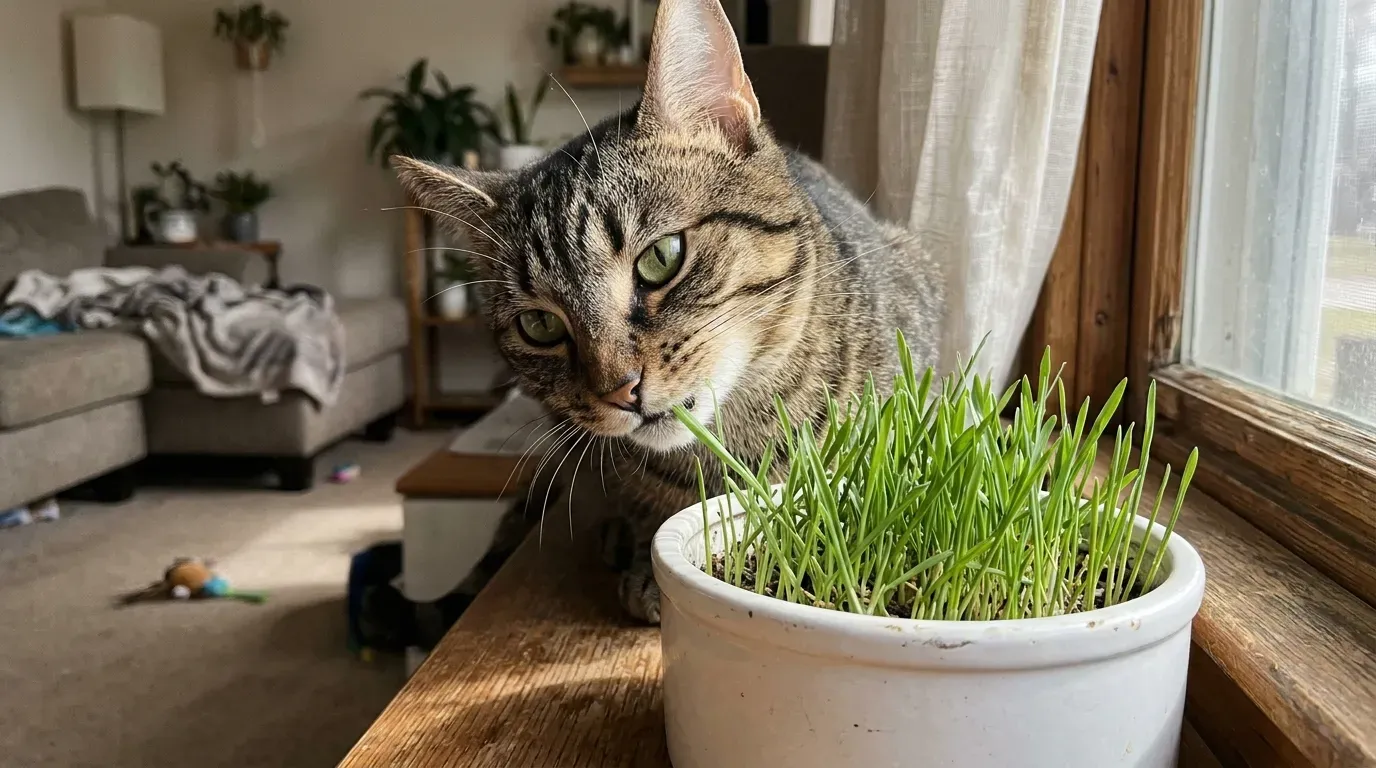
Cat grass affects your cat primarily by adding gentle, insoluble plant fiber to their digestive tract, which helps move swallowed fur and food smoothly through the stomach and intestines. For most healthy indoor felines, nibbling on fresh oat, wheat, barley, or rye shoots is a safe and enriching habit.
However, because cats are obligate carnivores without the enzymes needed to break down plant matter, eating too much grass at once often triggers mild stomach irritation and vomiting. Understanding the difference between normal digestive clearance, harmless grass-induced regurgitation, and warning signs of illness helps you offer this green treat responsibly at home.
What Is Cat Grass and Why Do Cats Eat It?
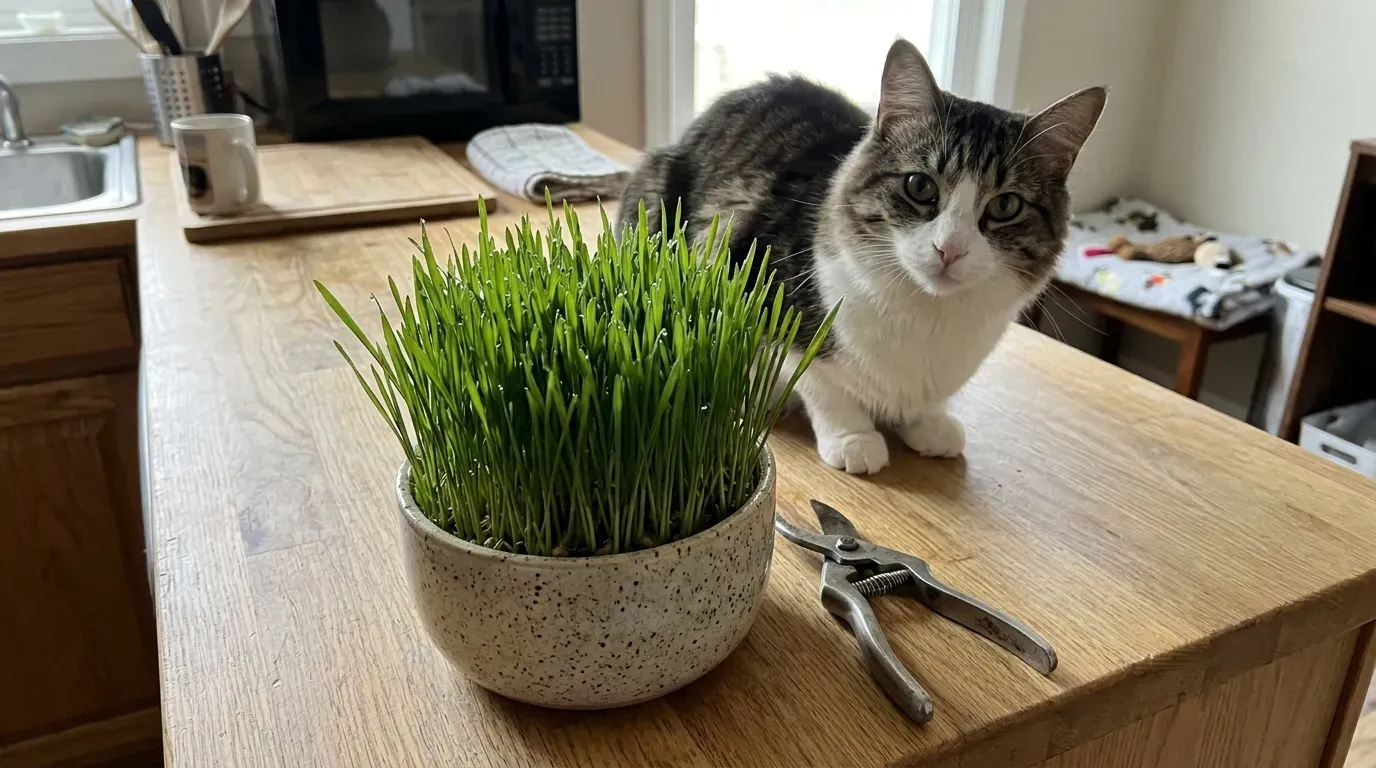
Cat grass is not a single botanical species, nor is it the same as outdoor lawn turf. Instead, it is a specific blend of young cereal grains—most commonly wheat, barley, oats, and rye—grown indoors from untreated seeds. Unlike outdoor lawn grass, which may harbor lawn fertilizers, herbicides, pesticides, or parasite eggs from neighborhood wildlife, indoor cat grass provides a clean, pesticide-free grazing patch.
Even though cats thrive on a meat-based diet, many instinctively seek out tender green shoots. Behaviorists and veterinarians note several reasons behind this habit:
- Sensory enrichment: Indoor cats lack outdoor foraging opportunities, and the crisp texture and fresh scent of young blades satisfy natural chewing instincts.
- Diversion from houseplants: Providing a dedicated pot of safe greens keeps curious cats away from toxic indoor foliage such as lilies, pothos, and philodendrons.
- Digestive relief: Cats naturally graze on roughage when their stomach feels slightly unsettled or heavy with groomed fur.
If your cat is a vigorous chewer who knocks over lightweight nursery pots, exploring cat grass planter ideas that prevent tipping can keep your floors clean while giving your pet steady access.
Positive Cat Grass Effects on Digestion and Nutrition
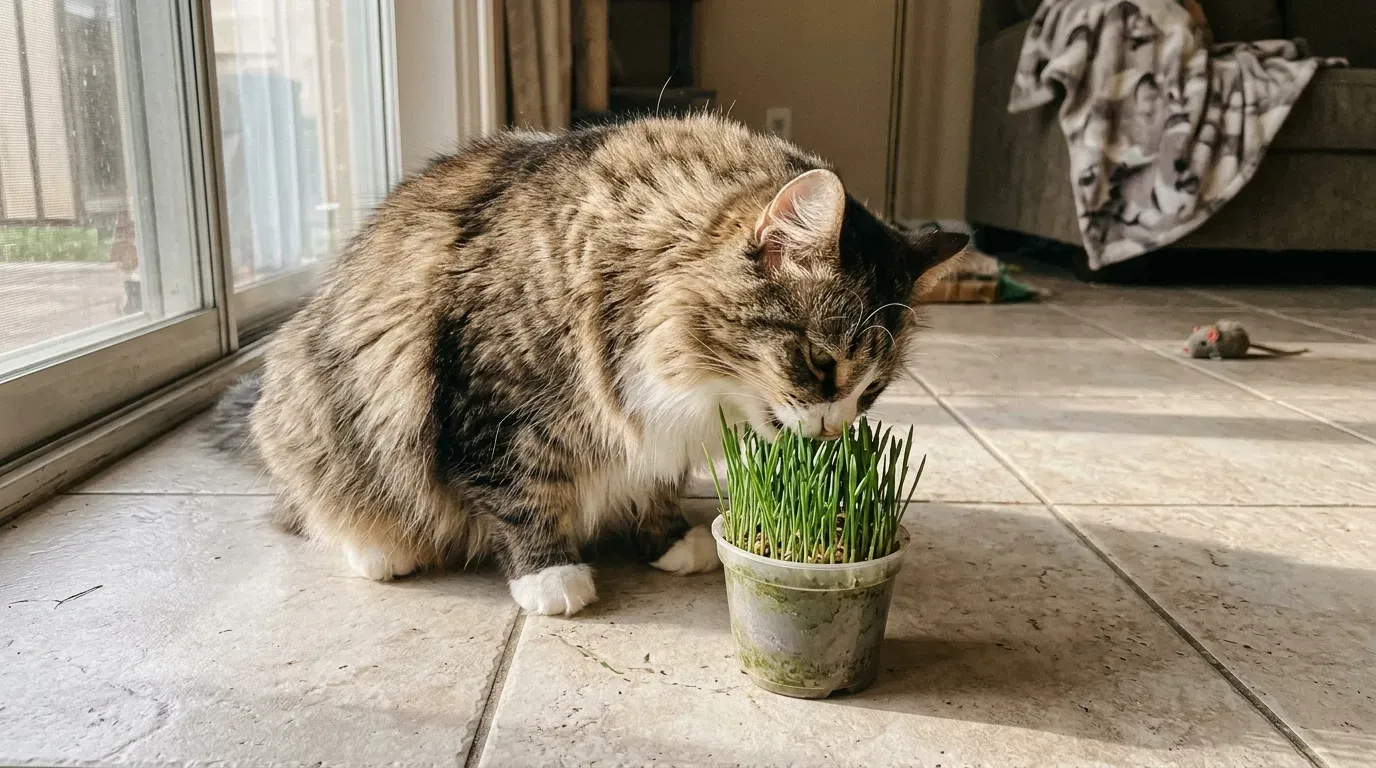
When eaten in small amounts, young cereal grasses act like a natural broom inside your cat's gastrointestinal tract. Because cats cannot fully digest cellulose, the coarse plant fibers pass through the stomach and intestines largely intact, adding helpful bulk to stool and encouraging regular bowel movements.
This mechanical action is especially valuable for reducing hairballs. As cats groom themselves, loose fur collects in the stomach. Insoluble fiber from fresh shoots adds physical bulk and stimulates gut motility to help sweep swallowed hair downward through the digestive tract so it exits in the litter box rather than coming back up on your rug. You can read more about how cat grass helps with hairballs when managing heavy shedders.
Beyond fiber, fresh sprouts contain trace amounts of chlorophyll, provitamin A, vitamins E and K, B vitamins, antioxidants, and minerals. While these nutrients do not replace a complete, balanced commercial cat food, they offer mild soothing and hydrating support to the intestinal lining. For more ways these greens support daily wellness, check out these cat grass benefits for indoor felines.
Why Cat Grass Sometimes Causes Vomiting
Many owners worry the first time their cat munches on fresh greens and brings them back up ten minutes later. In most cases, a single episode of grass-induced vomiting is a normal physiological reaction rather than a sign of poisoning.
Cats lack the specialized stomach bacteria and digestive enzymes required to break down large quantities of raw plant material. When a cat swallows long blades quickly without chewing them thoroughly, the fibrous strands tickle the stomach lining and trigger the vomiting reflex. Veterinarians often view this mild regurgitation as a self-soothing mechanism that helps a cat clear indigestible material—such as tightly packed fur, feather bits, or excess stomach bile—from the upper digestive tract.
The key distinction lies in frequency and appearance. Bringing up a small, clear or slightly foamy puddle containing undigested grass blades once after overindulging, followed immediately by normal energy and appetite, is typically harmless. Repeated vomiting, dry heaving without producing anything, or throwing up meals hours after eating points to a separate medical issue.
Side Effects and Risks of Eating Too Much Cat Grass
Even safe plants cause trouble when consumed in excess or maintained poorly. Knowing the potential downsides helps you prevent avoidable stomach upset and physical injuries.
| Potential Issue | What Happens | How to Prevent It |
|---|---|---|
| Overeating and Gastritis | Swallowing large handfuls irritates the stomach lining, leading to repeated vomiting or soft stool. | Limit grazing sessions to a few minutes rather than leaving the pot out all day. |
| Nasal or Throat Irritation | Long, sharp grass blades can occasionally lodge behind the soft palate, causing sneezing or gagging. | Trim tall grass blades down to 3 or 4 inches with clean scissors. |
| Mold and Soil Bacteria | Overwatered pots develop white or gray fuzz at the soil line, which upsets a cat's stomach if ingested. | Discard the planter immediately if you spot mold or smell sour soil. |
| Kitten Gagging and Throat Irritation | Very young kittens may swallow long, unchewed blades whole, leading to gagging, throat irritation, or digestive upset. | Wait until kittens are at least 8 to 10 weeks old and snip blades into short tips. |
How Much Cat Grass Is Safe? Practical Portion Limits
Veterinarians generally treat cat grass as an occasional treat rather than a dietary staple, meaning it should make up less than 10 percent of your cat's daily intake. Because every cat has a different stomach sensitivity, the safest approach is controlled, supervised grazing.
Follow these practical guidelines based on your cat's age, coat, and habits:
- Start small: Allow a new grazer just 2 to 3 minutes with the planter, or snip roughly a tablespoon of fresh green tips onto their regular food bowl to see how their stomach responds over 24 hours.
- Match frequency to coat type: Long-haired breeds like Persians, Maine Coons, and Ragdolls often benefit from small nibbles 3 to 4 times a week during peak shedding seasons, while short-haired cats usually need only a couple of brief sessions per week.
- Adjust for kittens and seniors: Kittens under 6 months have delicate digestive tracts and should only sample tiny, finely snipped blades. Senior cats with chronic kidney disease, inflammatory bowel disease, or dental pain should get veterinary approval before starting regular grass treats.
- Remove after grazing: If your cat is an enthusiastic binger who eats until they throw up, store the planter on a high shelf or closed room between short daily sessions.
When to Call the Vet and Safe Alternatives
Never treat cat grass as a home remedy for an existing illness, and never use online care guides as a substitute for veterinary diagnosis. Contact your veterinarian promptly if your cat shows any of these warning signs after eating grass:
- Vomiting more than twice in 24 hours, or vomiting accompanied by lethargy, hiding, or loss of appetite
- Blood in the vomit or stool, or black, tarry feces
- Persistent sneezing, reverse sneezing, pawing at the mouth, or difficulty swallowing, which can mean a blade is stuck in the nasal passage
- Straining in the litter box without producing stool, which signals a possible intestinal blockage rather than simple constipation
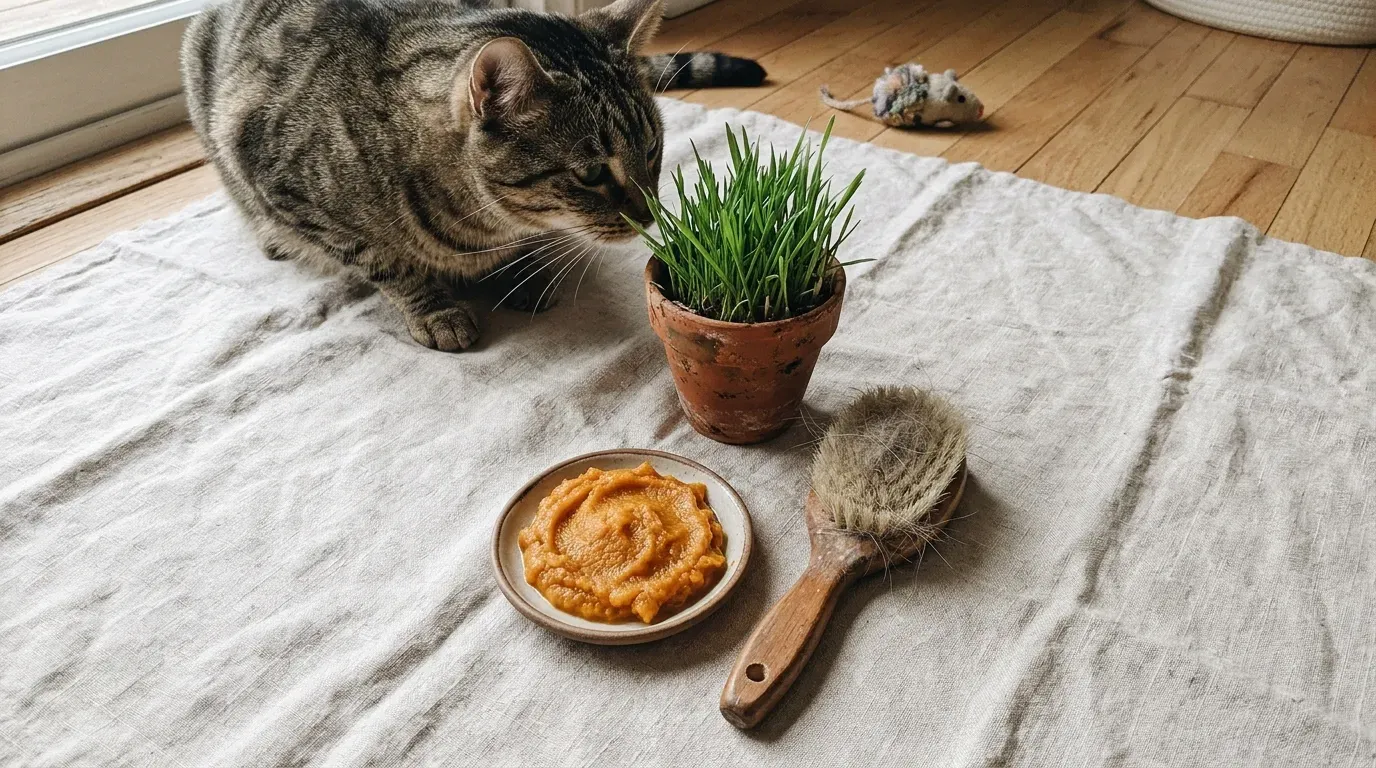
If cat grass consistently upsets your pet's stomach, or if your cat simply ignores it, skip the planter and ask your vet about safer alternatives. Effective options include vet-formulated hairball gel pastes, hairball-control dry or wet diets with balanced insoluble fiber, a half-teaspoon of plain canned pumpkin (never spiced pie filling), and daily brushing to remove loose fur before your cat swallows it. Also remember to keep toxic houseplants completely out of your home—lethal plants such as true lilies and sago palm can cause severe organ failure from even a small bite, while other common plants like aloe vera and tulips cause gastrointestinal toxicity.
Offered in small, supervised portions, fresh cat grass is a simple and safe way to enrich your indoor cat's routine while supporting healthy digestion and smoother hairball passage. Keep the blades trimmed to a few inches, replace pots before soil mold develops, and always consult your veterinarian if vomiting becomes frequent or your cat shows signs of discomfort.
Frequently asked questions
Can my cat get sick from eating cat grass?
Eating a small amount of clean, mold-free cat grass rarely makes a healthy cat sick, though swallowing too much at once often causes mild, one-time vomiting because cats cannot digest large amounts of plant fiber. Seek veterinary care if vomiting repeats, if the grass has soil mold, or if your cat seems lethargic.
Do veterinarians recommend cat grass?
Most veterinarians view pesticide-free cat grass as a safe, enriching treat for healthy adult indoor cats. It provides mental stimulation, mild digestive fiber, and a safe decoy that discourages cats from chewing toxic houseplants, though vets advise limiting portions for cats that overeat and vomit easily.
Is cat grass actually safe for cats?
Yes, true cat grass grown from wheat, barley, oat, or rye seeds is non-toxic and safe for cats. Risks usually come from overindulgence, long blades irritating the throat or nasal passages, or mold growing in damp potting soil, all of which are easy to prevent with trimming and portion control.
What can I give my cat instead of cat grass?
If cat grass causes frequent vomiting or your cat dislikes it, try daily coat brushing, vet-approved hairball lubricant pastes, high-fiber hairball diets, or a small spoonful of plain, unsweetened canned pumpkin. Check with your veterinarian first to choose the best option for your cat's digestive needs.

Nathan Brooks
Nathan Brooks runs Farmingzoom to help loving pet owners create safe, enriching homes for their animals. He cares deeply about responsible pet care and focuses on making everyday decisions simpler for fellow owners.…