Time needed
2 h
What you need
- 1x3 select pine or poplar boards (two 8-foot lengths)
- 1x12 select pine or poplar board or 3/4-inch exterior-grade plywood panel (for the lower cat-door section)
- 1/8-inch clear cast acrylic sheet (plexiglass)
- 1/2-inch wood cap moulding or quarter-round trim
- Rigid-frame pet flap sized for your cat
- 100% silicone exterior caulk (clear)
- Waterproof wood glue
- 2-inch exterior wood screws or pocket-hole screws
- 3/4-inch finish nails
- Closed-cell foam weatherstripping tape
- Exterior primer and exterior acrylic enamel paint
- Patio door security bar or secondary track pin lock
Tools
- Tape measure and pencil
- Framing square
- Circular saw or miter saw
- Jigsaw with wood-cutting and fine-toothed plastic-cutting blades
- Power drill with 3/8-inch and 1/16-inch bits
- Router with 3/8-inch rabbeting bit (or table saw)
- Caulking gun
- Hammer or nail set
- 120-grit and 220-grit sandpaper
- Paintbrush
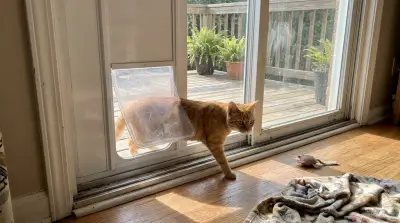
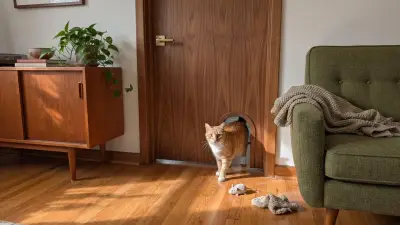
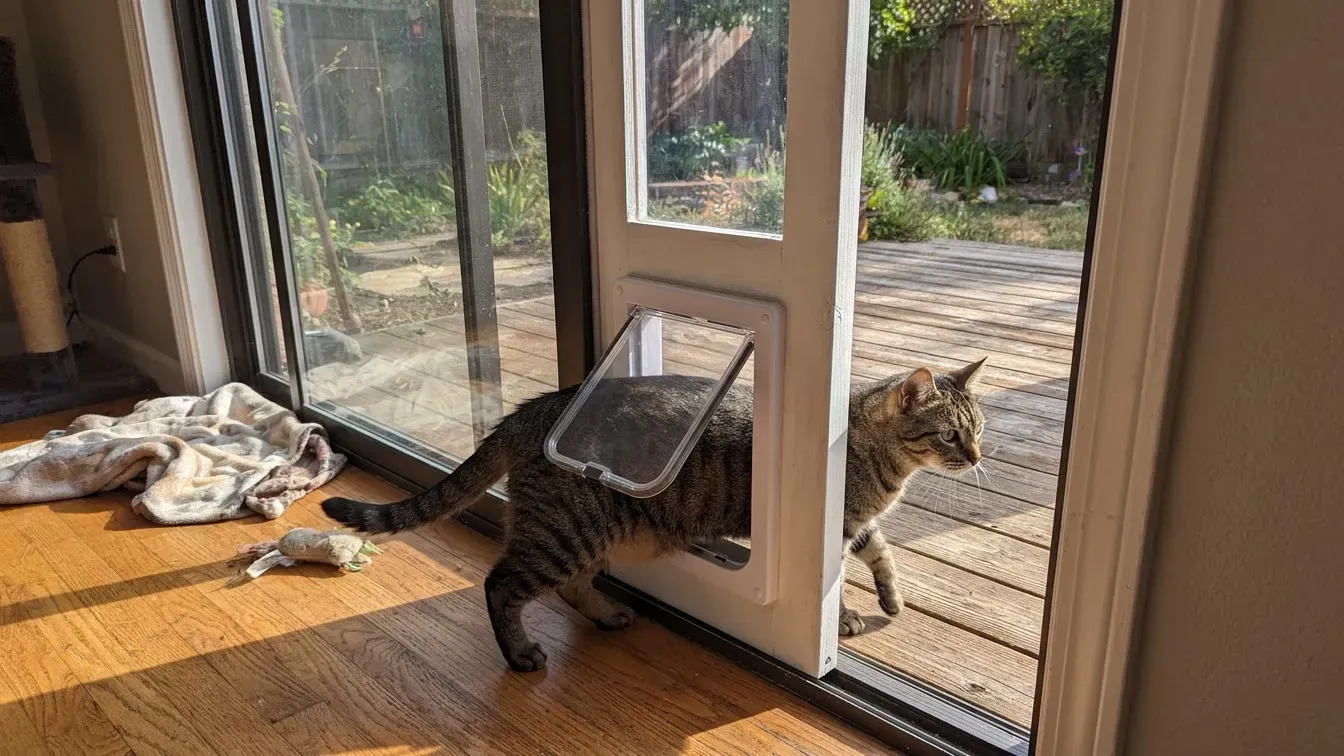
You can give your cat independent access to a screened porch or fenced yard by building a removable wooden track insert that sits inside your sliding glass patio door frame. Because cutting tempered patio glass is dangerous and expensive, a custom-fitted vertical panel is the safest, cleanest way to add a pet flap without permanent damage.
Unlike short window inserts, a full-height patio panel requires proper vertical bracing so it will not bow, alongside reliable security hardware to lock the glass door tightly against the frame. With basic lumber, acrylic glazing, and weatherstripping, you can assemble a sturdy, insulated insert in about two hours.
- 1
Measure the Sliding Track Height and Width
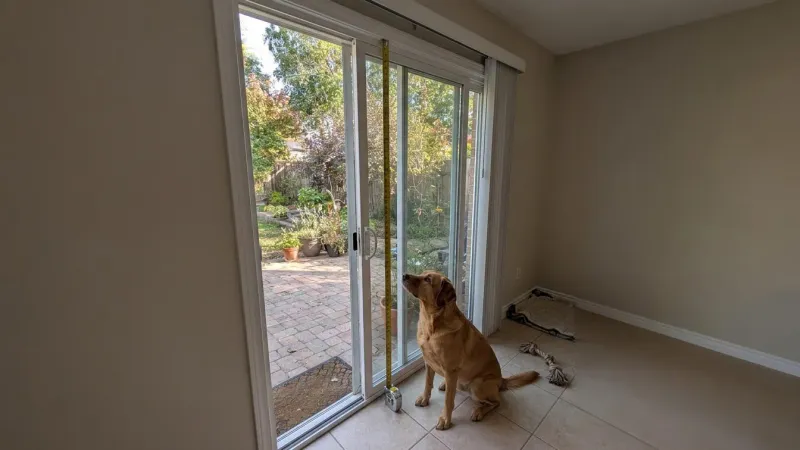
Open your sliding glass patio door and measure both the deepest recess of the top head track and the height of the bottom threshold lip where the glass door glides. Subtract 1/4 to 3/8 inch from the full recess-to-rail distance so the rigid 3/4-inch frame has enough vertical clearance to lift into the top track and clear the raised bottom lip without binding. Measure the width of the track channel—usually 3/4 inch to 1 inch—and decide on your panel width, typically 10 to 12 inches wide to comfortably house a standard cat flap with at least 2 inches of solid wood border on each side.
- 2
Cut the Vertical Side Stiles, Cross Rails, and Lower Panel
Using a circular saw or miter saw, cut two vertical stiles from 1x3 select pine or poplar boards to your exact measured height. Next, cut three horizontal cross rails from the same 1x3 stock to span between the vertical stiles: one for the very bottom, one directly above the cat door height, and one for the top header. Cut a solid wood board or exterior-grade plywood panel (matching the 3/4-inch thickness of the 1x3 rails) to fit tightly between the vertical stiles and the bottom and middle cross rails. Using separate stiles and rails around an upper glass or acrylic pane prevents a tall 80-inch board from bowing over time and keeps natural daylight flowing into your room.
- 3
Rabbet the Upper Frame for Clear Acrylic
Set a router with a 3/8-inch rabbeting bit—or use a table saw—to cut a 3/8-inch wide by 3/8-inch deep recess along the inside back edges of the upper section between the middle and top cross rails. Measure this recessed opening and cut a sheet of 1/8-inch shatter-resistant clear cast acrylic (plexiglass) using a fine-toothed plastic-cutting blade on a jigsaw or circular saw—or order it pre-cut to size—leaving a 1/16-inch expansion gap on all sides rather than trying to score and snap brittle cast acrylic. Choose cast acrylic rather than real window glass for floor-level patio inserts so accidental bumps from pets or kids will never shatter the pane.
- 4
Assemble the Frame and Cut the Flap Opening
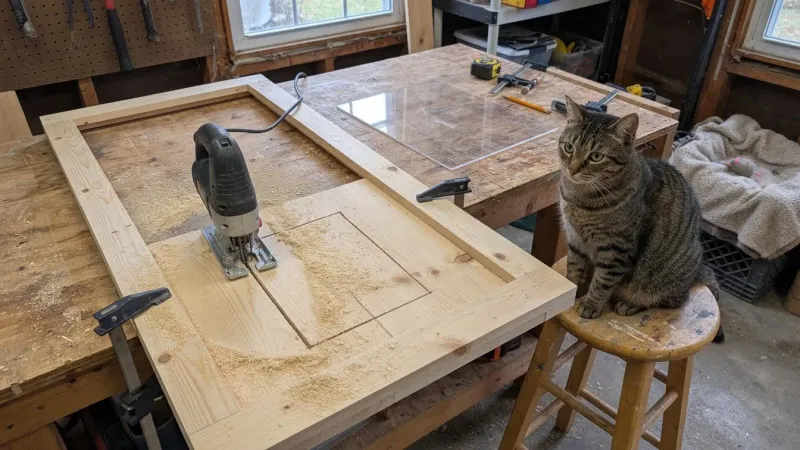
Assemble and glue the solid lower wood panel into the lower frame section while joining the vertical stiles and horizontal cross rails using waterproof wood glue and 2-inch pocket-hole screws or countersunk exterior wood screws, checking with a framing square that every corner sits at 90 degrees. Once the lower panel is secured, hold the cat door's paper template against the solid lower wood panel, ensuring at least 2 inches of wood remain on the left, right, and bottom edges. Drill a 3/8-inch starter hole inside each corner of the marked outline, then cut out the rectangular opening smoothly with a jigsaw.
- 5
Seal and Paint the Wood Frame
Sand all rough edges and corners with 120-grit followed by 220-grit sandpaper so your cat cannot pick up splinters when brushing past the frame. Wipe away sawdust and apply one coat of exterior-grade primer followed by one to two thin coats of exterior acrylic enamel—matching your patio door trim—to every surface, including the top and bottom end grain, then check the painted panel's total thickness against the narrowest track channel so it slides in without binding. Sealing the end grain stops moisture from your patio threshold from wicking up into the wood and swelling the panel inside the narrow aluminum track.
- 6
Install the Acrylic Pane and Cat Flap
Run a thin, continuous bead of clear 100% silicone caulk inside the upper frame rabbet and press the acrylic sheet gently into place. Secure the back of the acrylic with 1/2-inch quarter-round or cap moulding cut at 45-degree mitered corners, fastening the trim with small finish nails pre-drilled to prevent splitting. Next, slide the interior and exterior halves of your pet flap into the lower cutout, run a bead of exterior silicone around the outer flange to block rain, and tighten the mounting screws evenly.
- 7
Fit the Insert and Add Weatherstripping
Apply adhesive-backed closed-cell foam weatherstripping along the vertical edge of the insert that meets the stationary jamb, as well as the opposite vertical edge where the sliding glass door closes against it. Slide the top of the completed panel up into the upper patio door track, swing the bottom over the lower threshold rail, and set it firmly down into the channel. Close the sliding glass door until it compresses the foam weatherstripping snugly, checking that no daylight or drafts leak through the vertical seam.
- 8
Secure the Sliding Door With a Pin Lock
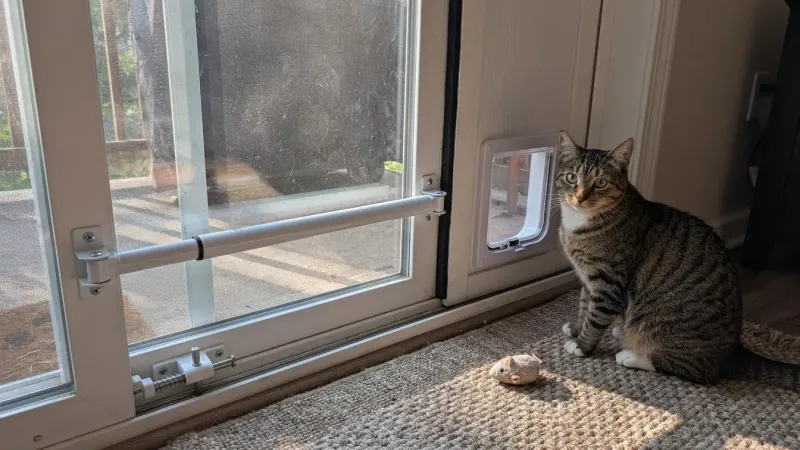
Because your sliding glass door's built-in handle latch will no longer reach the wall jamb, install a secondary security device before letting your cat use the flap. Cut a sturdy wooden dowel or metal security bar to fit tightly in the bottom track between the closed sliding glass panel and the opposite frame, and add a drill-in patio door foot bolt or charley bar at mid-height so the glass cannot be lifted off its track or pushed open from outside. If you want more renter-safe options, explore these cat door ideas without cutting your door.
Handling Exterior Patio Screen Doors
If your patio doorway includes a sliding mesh screen door on the exterior track, leaving it closed will trap your cat between the glass and the screen. Simply sliding the screen door partially open creates a wide gap for mosquitoes and flies to enter your home.
The cleanest fix is mounting a lightweight, screen-specific cat flap directly into the bottom corner of your existing patio screen door, aligned with your wooden insert. Alternatively, you can install a magnetic bug-screen curtain over the exterior opening so your cat can push through freely while keeping insects out.
Sizing the Flap for Kittens, Seniors, and Large Cats
Before cutting your opening, check our guide on cat door dimensions to match the flap height to your pet's build. Mount the bottom edge of the flap roughly 3 inches above the floor for healthy adult cats so they step over the track smoothly without catching their paws.
For senior cats with arthritis, short-legged breeds like Munchkins, or growing kittens, lower the bottom cutout as close to the base frame as possible, leaving at least 1.5 inches of solid wood below the flap for structural strength. Large breeds such as Maine Coons need an extra-wide opening—at least 7.5 inches wide by 8 inches tall—so their whiskers and shoulders clear the frame comfortably.
Preventing Drafts and Common Build Mistakes
Tall vertical boards often warp when exposed to humid outdoor air on one side and conditioned indoor air on the other. Always apply exterior-grade primer and paint or waterproof polyurethane to all six faces and edges of your wooden frame before bringing it inside.
For extra cold-weather protection, pair a dual-flap magnetic pet door with thick foam weatherstripping along the vertical meeting stile where the sliding glass door presses against your insert. If you prefer a ready-made aluminum unit instead of woodworking, compare top-rated inserts in our roundup of the best cat doors for sliding glass doors.
Once your insert is locked in place, introduce your cat gently by propping the flap open for a day or two and rewarding them with treats on the patio side until they push through confidently. Always keep cats supervised or inside a secure catio or fenced yard, and check the weatherstripping and track lock each season to maintain a tight seal.
Sources: International Cat Care
Frequently asked questions
How do you lock a sliding glass door with a cat door insert?
Since the built-in handle latch no longer meets the wall jamb, place a cut-to-length wooden dowel or metal security bar in the bottom track behind the sliding glass panel. Pair the track bar with a top-mounted pin lock or mid-height charley bar so the glass cannot be forced open or lifted out.
Can you cut a cat door directly into a sliding glass patio door?
No, you should never try to cut a sliding patio door yourself. Patio doors use tempered safety glass, which shatters instantly into thousands of small pellets the moment a drill bit or glass cutter penetrates the surface, creating a serious injury hazard and ruining the entire door panel.
How wide should a DIY sliding glass door cat insert be?
Build your vertical insert between 10 and 12 inches wide. This gives you enough horizontal width to fit a standard 6-to-7.5-inch cat flap while leaving at least 2 inches of solid wood frame on each side so the panel stays rigid and holds screws securely.
What is the best material for the upper window of a DIY patio cat insert?
Use 1/8-inch clear cast acrylic (plexiglass) rather than standard window glass. Acrylic lets natural sunlight through your patio doorway, weighs half as much as glass, cuts cleanly with a fine-toothed plastic-cutting blade (or can be ordered pre-cut), and will not shatter if bumped by pets, kids, or patio furniture.

Nathan Brooks
Nathan Brooks runs Farmingzoom to help loving pet owners create safe, enriching homes for their animals. He cares deeply about responsible pet care and focuses on making everyday decisions simpler for fellow owners.…