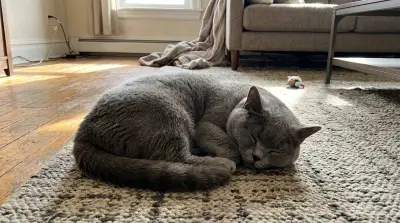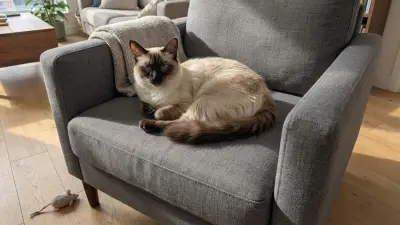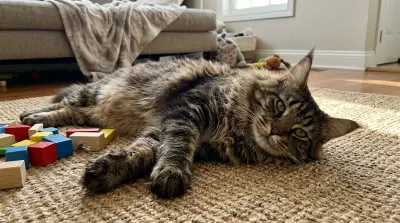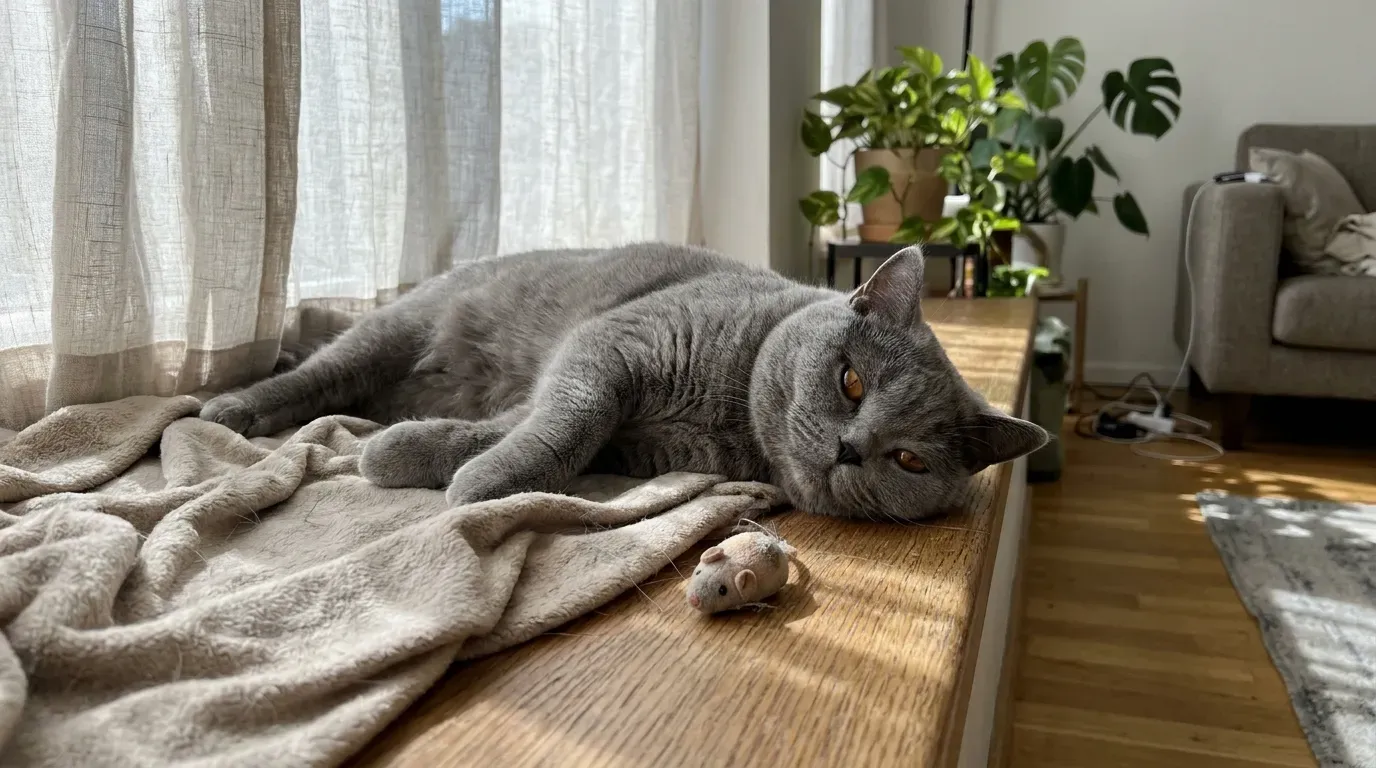
Healthy adult cats from independent breeds comfortably handle eight to ten hours alone during a standard nine-hour office commute, provided they have fresh water, clean litter, and daytime window views. Unlike high-demand breeds that pace by the door or vocalize when left solo, self-sufficient cats spend most of the afternoon sleeping and recharging until your evening routine begins.
If you live alone without roommates, choosing a laid-back temperament prevents guilt and spares your furniture from boredom-driven scratching. Compare the origin, size, coat care, and lifespan of 16 calm, self-reliant breeds suited for full-time workers below.
| Breed | Origin | Size | Grooming | Lifespan |
|---|---|---|---|---|
| British Shorthair | United Kingdom | Medium to large | Weekly brushing | 12–20 years |
| Russian Blue | Russia | Medium | Weekly brushing | 15–20 years |
| Chartreux | France | Medium to large | Weekly brushing | 12–15 years |
| American Shorthair | United States | Medium to large | Weekly brushing | 15–20 years |
| Scottish Fold | United Kingdom | Medium | Weekly brushing | 11–15 years |
| Norwegian Forest Cat | Norway | Large | Twice-weekly brushing | 14–16 years |
| Maine Coon | United States | Large | Twice-weekly brushing | 12–15 years |
| Persian | Iran | Medium to large | Daily brushing | 12–17 years |
| Exotic Shorthair | United States | Medium to large | Several times weekly or daily brushing | 12–15 years |
| Nebelung | United States | Medium | Twice-weekly brushing | 15–18 years |
| British Longhair | United Kingdom | Medium to large | Twice-weekly brushing | 12–17 years |
| Manx | Isle of Man | Medium | Weekly brushing | 14–16 years |
| Selkirk Rex | United States | Medium to large | Twice-weekly brushing | 14–15 years |
| Ragamuffin | United States | Large | Twice-weekly brushing | 12–16 years |
| Burmilla | United Kingdom | Medium | Weekly brushing | 10–15 years |
| Ragdoll | United States | Large | Twice-weekly brushing | 12–17 years |
1British Shorthair
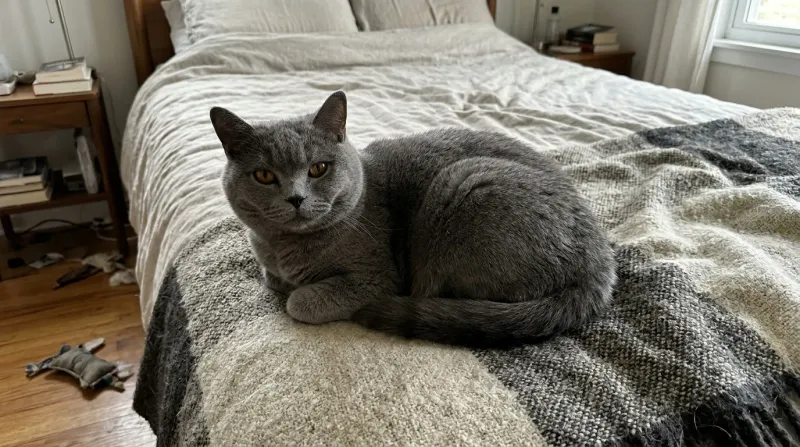
Origin: United Kingdom · Size: Medium to large · Grooming: Weekly brushing · Lifespan: 12–20 years British Shorthairs are famously dignified, easygoing companions that rarely demand constant attention. Instead of climbing into your lap the moment you sit down, they prefer settling on a nearby cushion while you unwind after work. Their dense plush coat sheds moderately and needs just one weekly brushing session. Because they are prone to weight gain during quiet daytime naps, measure meals carefully with a timed feeder and encourage a brisk ten-minute wand-toy play session each evening.
2Russian Blue
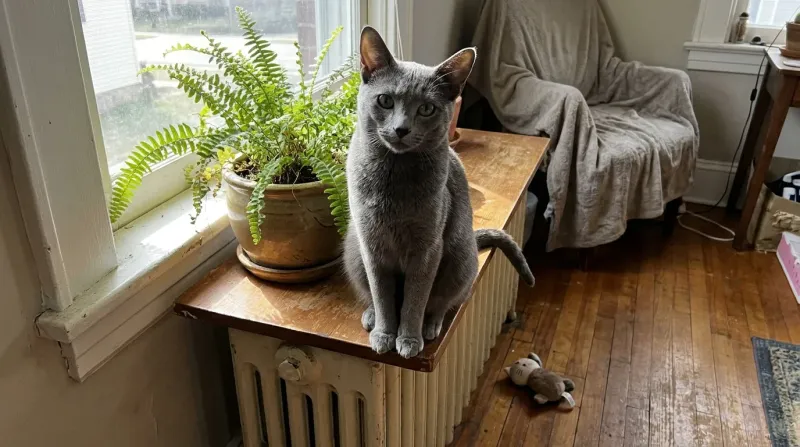
Origin: Russia · Size: Medium · Grooming: Weekly brushing · Lifespan: 15–20 years Russian Blues thrive on predictable daily schedules, making a steady Monday-through-Friday work routine feel safe and comforting to them. They are quiet, observant cats that entertain themselves on sunny windowsills while you are at the office, then greet you warmly at the door without clinging. Their shimmering silver-blue double coat stays clean with minimal effort, and they rank among quiet cat breeds for apartments with close neighbors.
3Chartreux
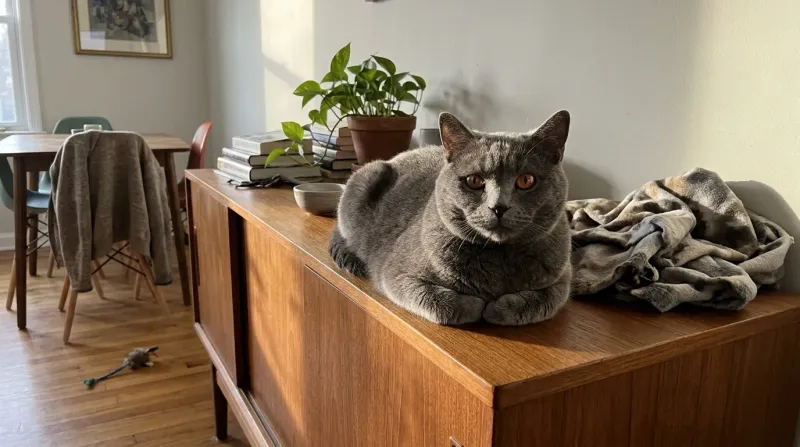
Origin: France · Size: Medium to large · Grooming: Weekly brushing · Lifespan: 12–15 years Often called smiling blue cats for their rounded cheeks and copper eyes, Chartreux cats are calm observers rather than needy lap-seekers. They nap soundly through long afternoons and rarely vocalize when left alone in an apartment. A sturdy scratching post and a puzzle feeder filled with dry kibble keep their sharp minds busy while you commute. Weekly combing removes loose undercoat hair, and their sturdy, muscular build handles quiet solo living with ease.
4American Shorthair
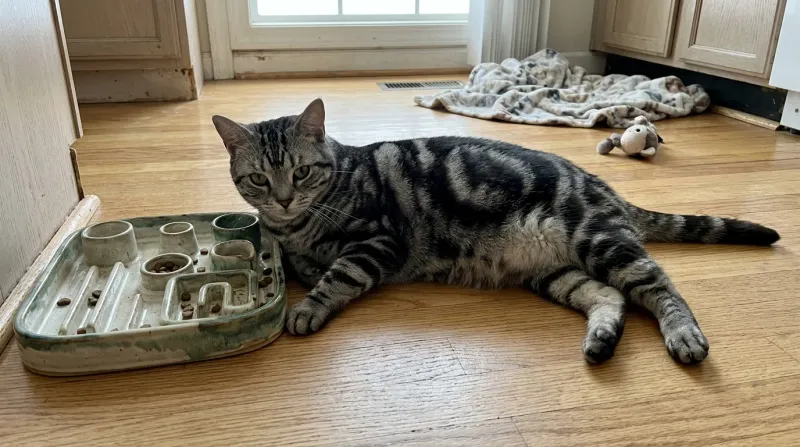
Origin: United States · Size: Medium to large · Grooming: Weekly brushing · Lifespan: 15–20 years Bred originally as working ship and barn cats, American Shorthairs retain a confident, self-reliant streak that suits single professionals. They enjoy your company during dinner and evening television, yet feel completely content batting a felt mouse across the hallway while you are away. Their short, thick coat comes in dozens of patterns and requires little upkeep. Keep interactive track toys out during the day so they can burn off brief bursts of hunting energy safely.
5Scottish Fold
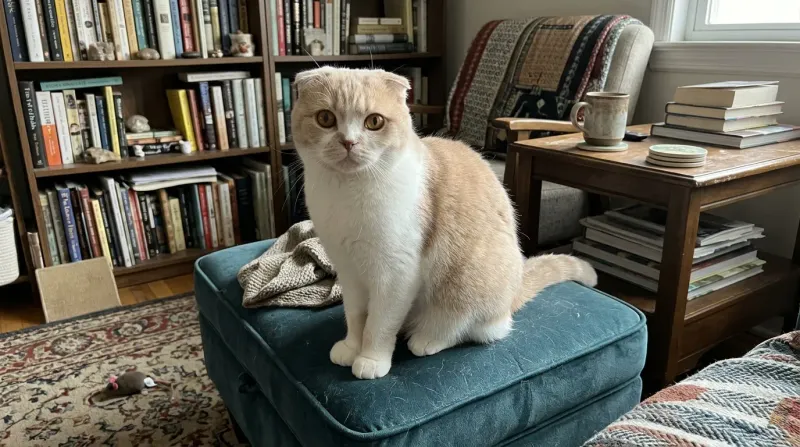
Origin: United Kingdom · Size: Medium · Grooming: Weekly brushing · Lifespan: 11–15 years Known for their owl-like folded ears and round faces, Scottish Folds have gentle, low-key temperaments that adapt smoothly to quiet homes. However, prospective owners should know that the genetic mutation causing folded ears inevitably causes osteochondrodysplasia, a painful, progressive degenerative joint disease affecting cartilage and bone throughout the body—a severe welfare issue that has led to breeding bans in multiple countries. If you adopt one, work closely with a veterinarian on ongoing pain management and provide low, padded steps to minimize jumping strain.
6Norwegian Forest Cat
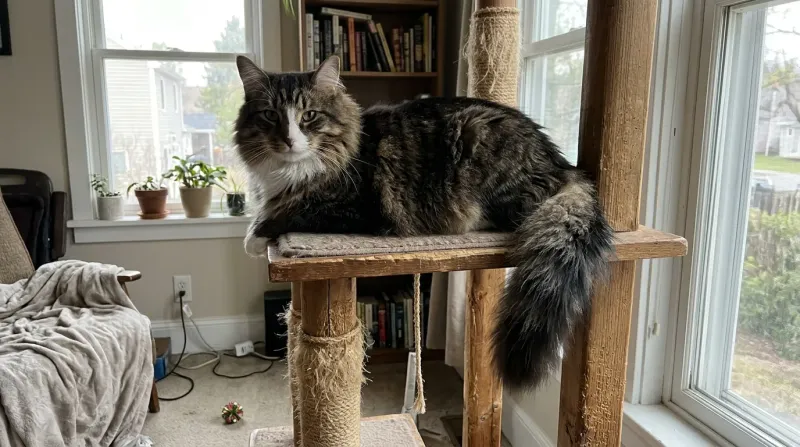
Origin: Norway · Size: Large · Grooming: Twice-weekly brushing · Lifespan: 14–16 years Despite their rugged woodland appearance, Norwegian Forest Cats are calm, self-assured roommates that do not panic when left alone during work hours. They love surveying rooms from high perches, so installing sturdy cat trees for large cats satisfies their climbing instincts safely while you are out. Their thick water-resistant double coat tangles far less than most longhaired breeds and stays smooth with brushing twice a week.
7Maine Coon
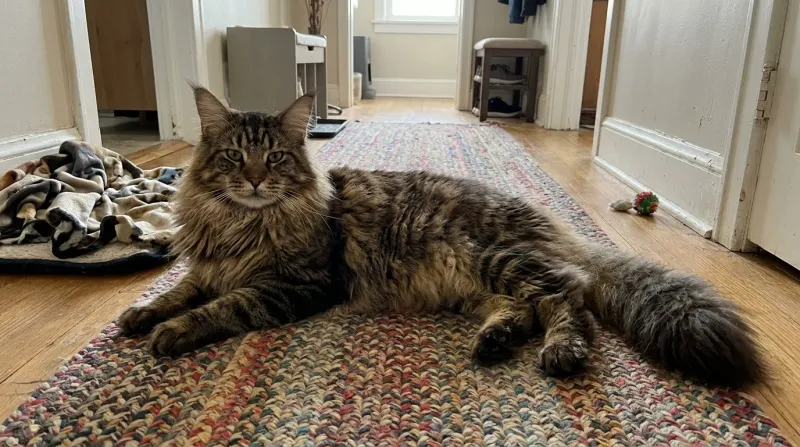
Origin: United States · Size: Large · Grooming: Twice-weekly brushing · Lifespan: 12–15 years Maine Coons are calm and adaptable, though they are highly social, dog-like companions that crave human interaction rather than being truly aloof solo cats. They can adjust to full-time work schedules in single-worker homes if given substantial evening playtime and attention, or when paired with a compatible feline companion. Provide extra-large litter boxes and heavy ceramic water bowls to suit their broad frames, and comb their shaggy coats twice weekly to prevent mats behind the ears and legs.
8Persian
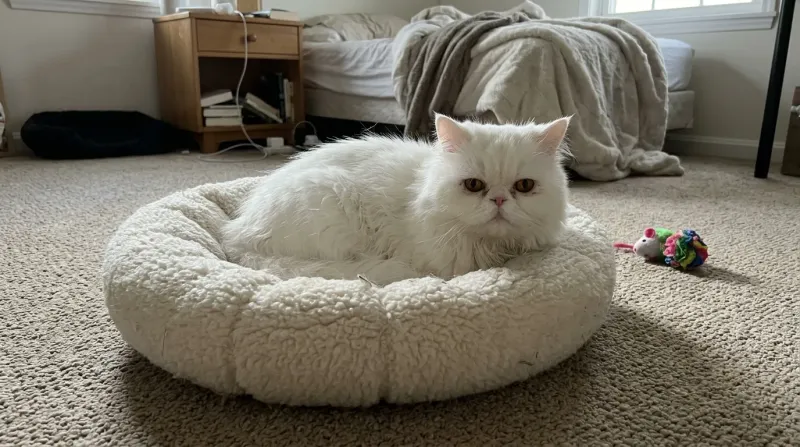
Origin: Iran · Size: Medium to large · Grooming: Daily brushing · Lifespan: 12–17 years Persians are the ultimate low-energy loungers, happiest curled up on a plush bed for most of the day while you are at the office. They rarely climb curtains or get into mischief when left unattended, making them peaceful companions for single workers. Their long, flowing coat requires five to ten minutes of gentle daily combing and periodic eye-corner wiping, which doubles as a relaxing evening bonding ritual once you get home.
9Exotic Shorthair
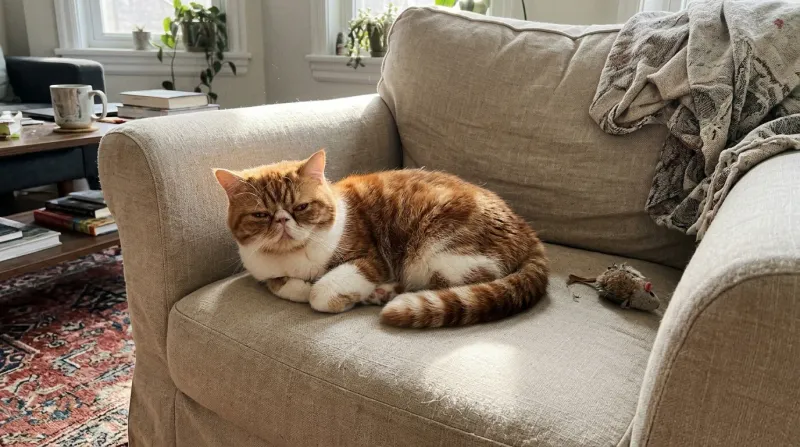
Origin: United States · Size: Medium to large · Grooming: Several times weekly or daily brushing · Lifespan: 12–15 years Often nicknamed the lazy person's Persian, the Exotic Shorthair shares the Persian's sweet, tranquil personality and loves quiet afternoons sleeping in sunbeams, greeting you with soft purrs when your keys turn in the lock. Despite the shorter coat, their dense, plush double fur sheds heavily and mats easily without brushing several times a week or daily, alongside regular facial fold and eye-corner cleaning. Because of their extreme brachycephalic facial structure, monitor them for breathing difficulties and dental issues, and serve meals in shallow dishes.
10Nebelung
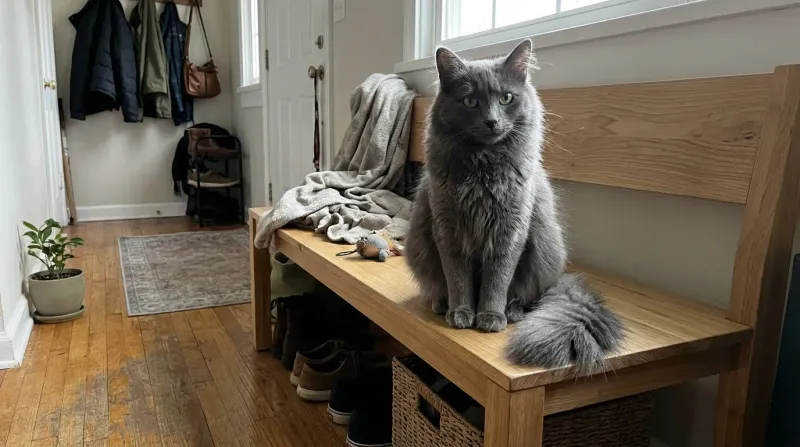
Origin: United States · Size: Medium · Grooming: Twice-weekly brushing · Lifespan: 15–18 years As a longhaired relative of the Russian Blue, the Nebelung pairs silky blue-gray fur with a shy, dignified nature that values peace and quiet. They bond deeply with one primary caregiver and feel right at home in a single-person household without noisy roommates. Nebelungs entertain themselves calmly during the day and prefer gentle evening petting over rowdy play. Comb their medium-long coat twice a week to keep their plumed tail tangle-free.
11British Longhair
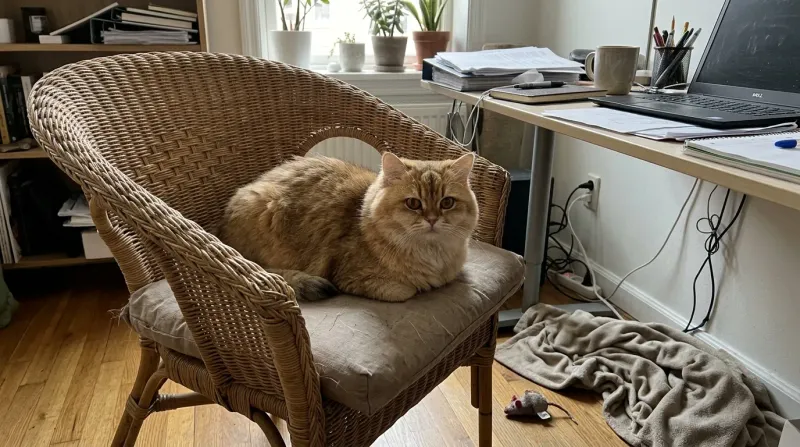
Origin: United Kingdom · Size: Medium to large · Grooming: Twice-weekly brushing · Lifespan: 12–17 years British Longhairs combine the calm, self-sufficient temperament of the British Shorthair with a plush, semi-long coat, making them ideal for tranquil apartments. They prefer steady routines and handle quiet daytime hours without becoming stressed or lonely while you are at the office. A gentle brushing twice a week keeps their dense coat free of tangles and loose undercoat, and a cozy window perch satisfies their low-key curiosity during the workday.
12Manx
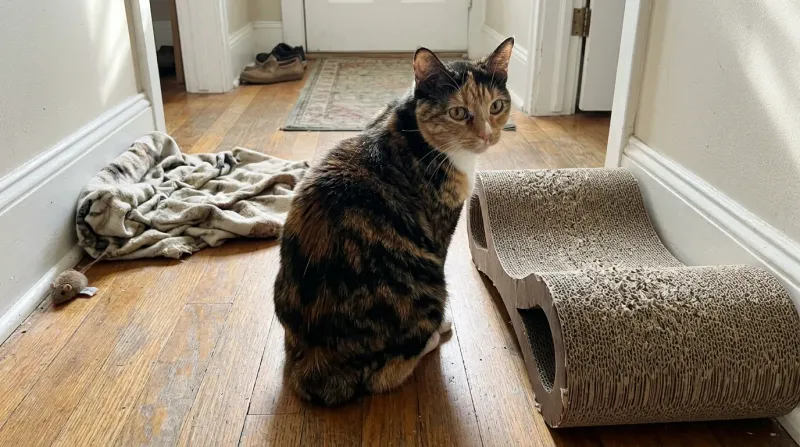
Origin: Isle of Man · Size: Medium · Grooming: Weekly brushing · Lifespan: 14–16 years Famous for their naturally tailless silhouette and rounded hindquarters, Manx cats are balanced, adaptable pets that handle solo daytime hours without fuss. They are intelligent enough to amuse themselves with treat-dispensing balls while you commute, yet affectionate enough to curl up beside you at night. Choose a kitten or adult from a reputable breeder or rescue that screens for spinal health, and maintain a healthy weight to protect their lower backs.
13Selkirk Rex
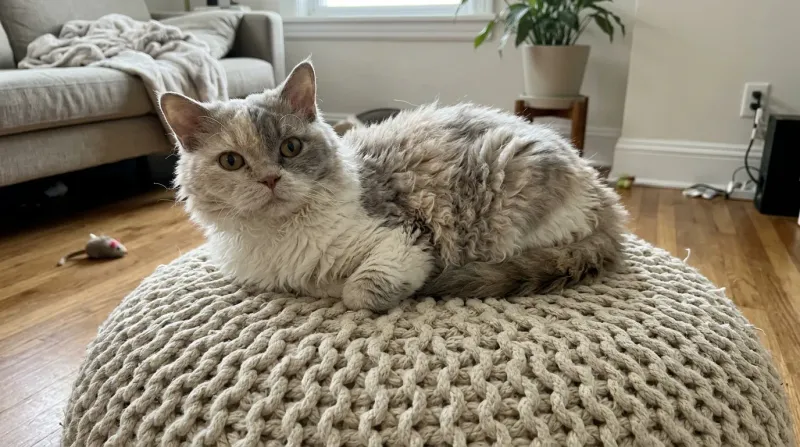
Origin: United States · Size: Medium to large · Grooming: Twice-weekly brushing · Lifespan: 14–15 years With plush, loosely curled fur that resembles sheep's wool, the Selkirk Rex brings a patient, laid-back attitude to busy households. They tolerate solitude well and rarely display destructive anxiety when left alone for nine hours. Use a wide-tooth comb gently twice a week so you remove shed hair without frizzing their natural curls, and leave soft crinkle toys around the living room for afternoon entertainment.
14Ragamuffin
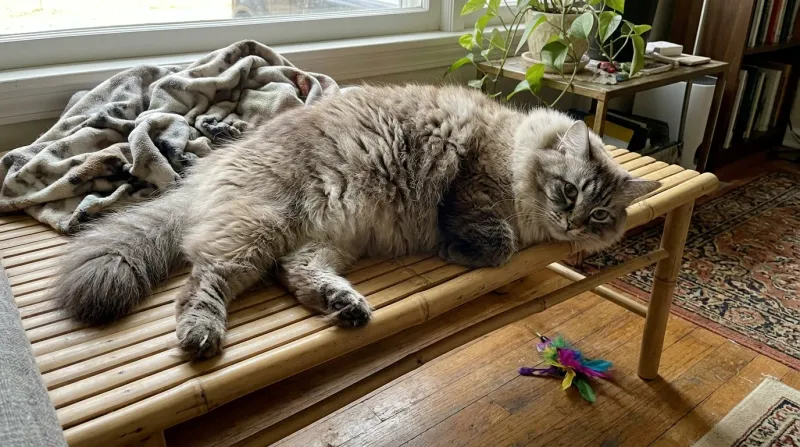
Origin: United States · Size: Large · Grooming: Twice-weekly brushing · Lifespan: 12–16 years Ragamuffins are gentle, placid cats that go limp with relaxation when picked up, yet they do not pester you for constant interaction. During a long workday, they content themselves with napping on the sofa and watching out the window. Their rabbit-soft coat resists matting better than many longhaired breeds, needing only two quick brushings per week. Keep portion sizes measured, as their calm lifestyle makes indoor weight gain easy.
15Burmilla
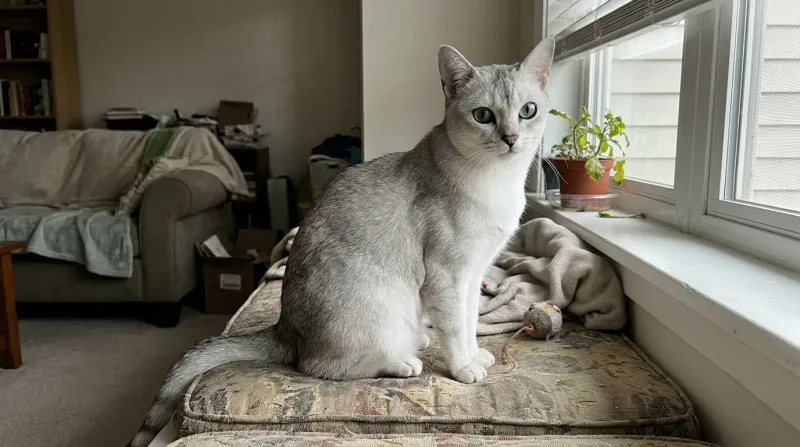
Origin: United Kingdom · Size: Medium · Grooming: Weekly brushing · Lifespan: 10–15 years Born from a cross between a Chinchilla Persian and a Burmese, the Burmilla balances playful curiosity with an easygoing, non-clinging nature. They enjoy brief solo toy sessions during the day followed by long afternoon naps, avoiding the intense vocal demands of purebred Burmese cats. Their silver-shaded coat feels silky and stays neat with one weekly brushing, making them effortless companions for busy single schedules.
16Ragdoll
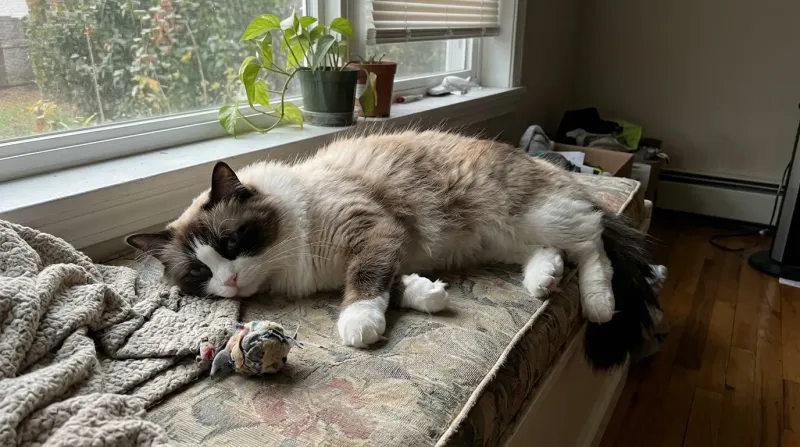
Origin: United States · Size: Large · Grooming: Twice-weekly brushing · Lifespan: 12–17 years Ragdolls are famously docile, low-energy companions that settle happily into quiet apartments without climbing curtains or knocking items off shelves while you work. Though affectionate when you are home, their placid temperament allows them to sleep peacefully through long afternoon stretches. Comb their silky, medium-long coat twice a week to prevent tangles, and keep a sturdy floor-level scratching post nearby for gentle daytime stretching.
How to Prepare Your Home for a Nine-Hour Workday
Even the most self-sufficient cat needs an engaging environment when you commute five days a week. Set up vertical climbing spots and window perches so your cat can watch birds and street activity during daylight hours. If your living space is compact, choosing from small cat trees for apartments gives your cat elevated territory without crowding your floor plan.
Follow the 3-3-3 adjustment rule when bringing a new cat home: allow three days to decompress in a quiet room, three weeks to learn your feeding and commuting routine, and three months to feel fully secure. Keep toxic houseplants such as lilies, sago palms, and pothos out of reach, and tuck away hair ties, yarn, and electrical cords before locking the front door. Place two litter boxes in separate, quiet corners so your cat always has a clean option before you return.
When to Schedule a Vet Visit
Independent cats often hide discomfort until an illness progresses, making subtle shifts in their solo routine important clues. Book a veterinary exam promptly if you return from work to find untouched food for more than 24 hours, litter box avoidance, sudden hiding, or excessive vocalizing that was never part of your cat's personality. Routine annual wellness visits—or twice-yearly checkups for senior cats over seven—help catch dental disease, urinary blockages, and joint stiffness early.
Living alone with a nine-to-five commute works smoothly when you match your schedule with a calm, self-assured cat breed. Set up a sunny window perch, leave out a puzzle feeder before locking the door, and save fifteen focused minutes each evening for play and brushing so your cat thrives every day of the week.
Frequently asked questions
Can I leave a cat alone for 9 hours while I work?
Healthy adult cats from independent breeds can safely stay alone for nine to ten hours during the workday. Leave out fresh water, a clean litter box, and engaging window perches, and schedule interactive play when you return home. Kittens under six months need midday check-ins and should not be left alone all day.
What is the most independent cat breed for single people?
The British Shorthair and Russian Blue are widely considered the most independent breeds for single workers. Both breeds have calm, low-demand temperaments, enjoy predictable daily routines, and sleep comfortably through long workdays without developing separation anxiety.
What is the 3-3-3 rule for newly adopted cats?
The 3-3-3 rule outlines a typical cat's adjustment timeline in a new home: three days to decompress from travel stress, three weeks to learn your feeding and work schedule, and three months to feel completely secure and show their true personality.
Should I get one or two cats if I work full time?
An adult cat from a self-sufficient breed thrives happily as an only pet if you provide window views, scratching posts, and evening playtime. If you prefer adopting a high-energy kitten, adopting a bonded pair gives them a built-in playmate while you are at the office.

Nathan Brooks
Nathan Brooks runs Farmingzoom to help loving pet owners create safe, enriching homes for their animals. He cares deeply about responsible pet care and focuses on making everyday decisions simpler for fellow owners.…