Japanese cat breeds span ancient native lines with naturally shortened tails and popular modern companions cherished in Japanese homes today. Whether you are drawn to traditional cats depicted in historical art or compact apartment pets, understanding each cat's background helps you provide the right indoor setup and routine.
Below are ten native Japanese cats, island varieties, and top household breeds found across Japan, along with practical grooming, space, and health considerations for each.
| Breed or Variety | Origin | Coat Length | Grooming Need |
|---|---|---|---|
| Japanese Bobtail Shorthair | Japan (Native) | Short | Weekly brushing |
| Japanese Bobtail Longhair | Japan (Native) | Medium-Long | 2-3 times weekly |
| Kurilian Bobtail | Kuril Islands / Northern Japan | Short or Semi-Long | Weekly brushing |
| Japanese Domestic Shorthair (Nihon Neko) | Japan (Native Landrace) | Short | Weekly brushing |
| Russian Blue | Popular in Japan | Short | Weekly brushing |
| Ragdoll | Popular in Japan | Semi-Long | 2-3 times weekly |
| Munchkin | Popular in Japan | Short or Long | Weekly to twice weekly |
| American Shorthair | Popular in Japan | Short | Weekly brushing |
| Scottish Fold | Popular in Japan | Short or Long | Weekly plus ear checks |
| Minuet (Napoleon) | Popular in Japan | Short or Long | 2-3 times weekly |
1Japanese Bobtail Shorthair
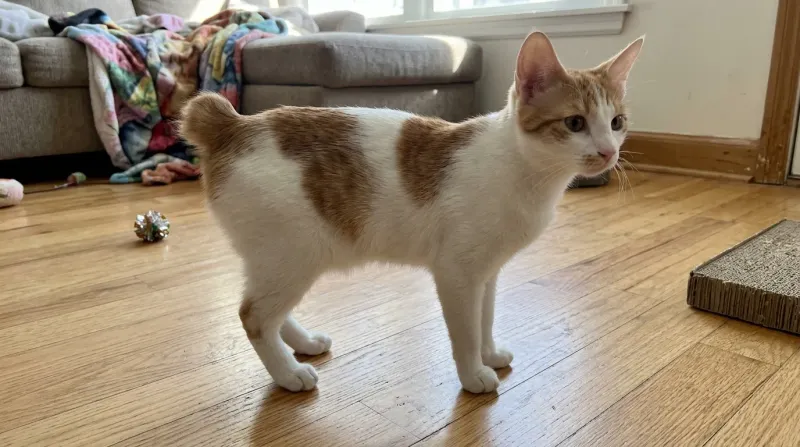
Origin: Japan (Native) · Coat: Short, silky · Grooming: Weekly brushing · Size: Medium Developed naturally in Japan over centuries and featured in traditional art, the Japanese Bobtail Shorthair is famous for its pom-pom tail caused by a harmless dominant gene mutation (in the HES7 gene) with variable expression. Each tail has a unique bone structure and never exceeds a few inches. These vocal, social cats love interactive fetch games and adjust well to families. Brush their single-layer coat once a week to remove loose hair, and provide tall vertical climbing trees to satisfy their athletic jumping habits.
2Japanese Bobtail Longhair
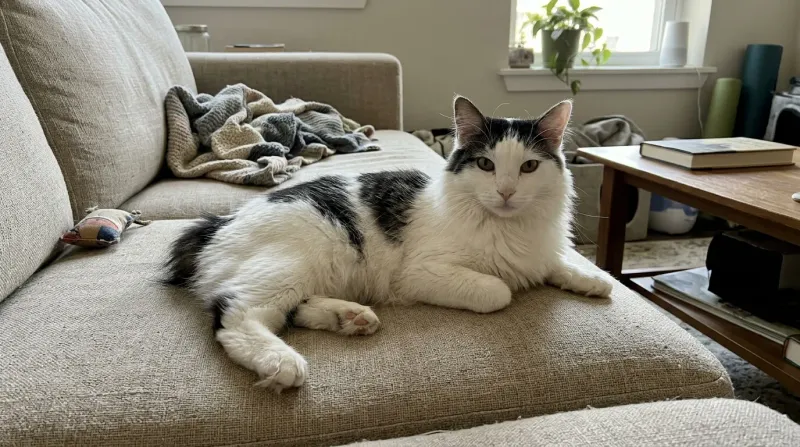
Origin: Japan (Native) · Coat: Medium-long, flowing · Grooming: 2-3 times weekly · Size: Medium Sharing the same ancient lineage and signature bunny-like tail as its shorthaired counterpart, the Japanese Bobtail Longhair carries a soft, medium-long coat with noticeable ruff fur and breeches. Despite the extra length, the coat lacks a dense undercoat and resists heavy matting. Comb the fur two to three times weekly with a stainless-steel comb, paying close attention behind the ears and along the hind legs, and schedule regular veterinary dental checks.
3Kurilian Bobtail
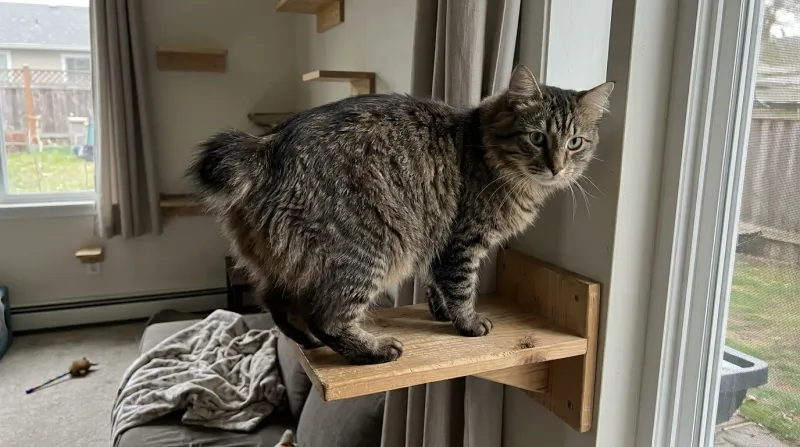
Origin: Kuril Islands and Northern Japan · Coat: Short or semi-long · Grooming: Weekly brushing · Size: Medium-Large Originating in the Kuril archipelago stretching north from Hokkaido, the Kurilian Bobtail is a rugged, muscular cat with a short kinked tail and slightly longer hind legs. Unlike more delicate indoor cats, this natural island breed enjoys water play and excels at climbing. Give them sturdy floor-to-ceiling cat trees, brush their water-resistant coat weekly, and consult a veterinarian if you notice any stiffness in their hips or lower spine.
4Japanese Domestic Shorthair (Nihon Neko)
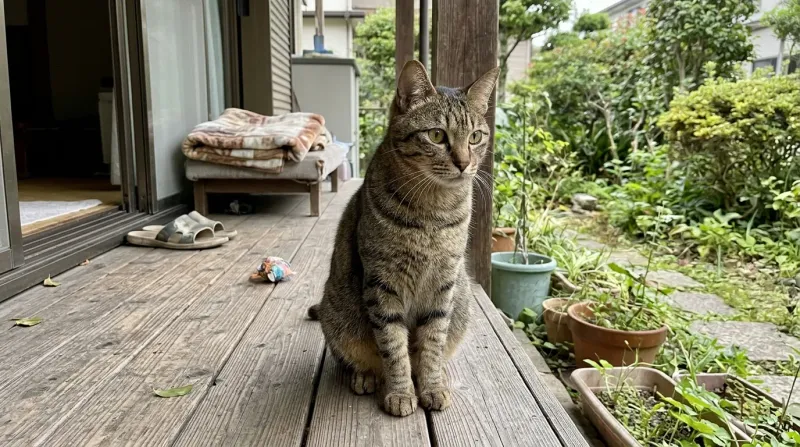
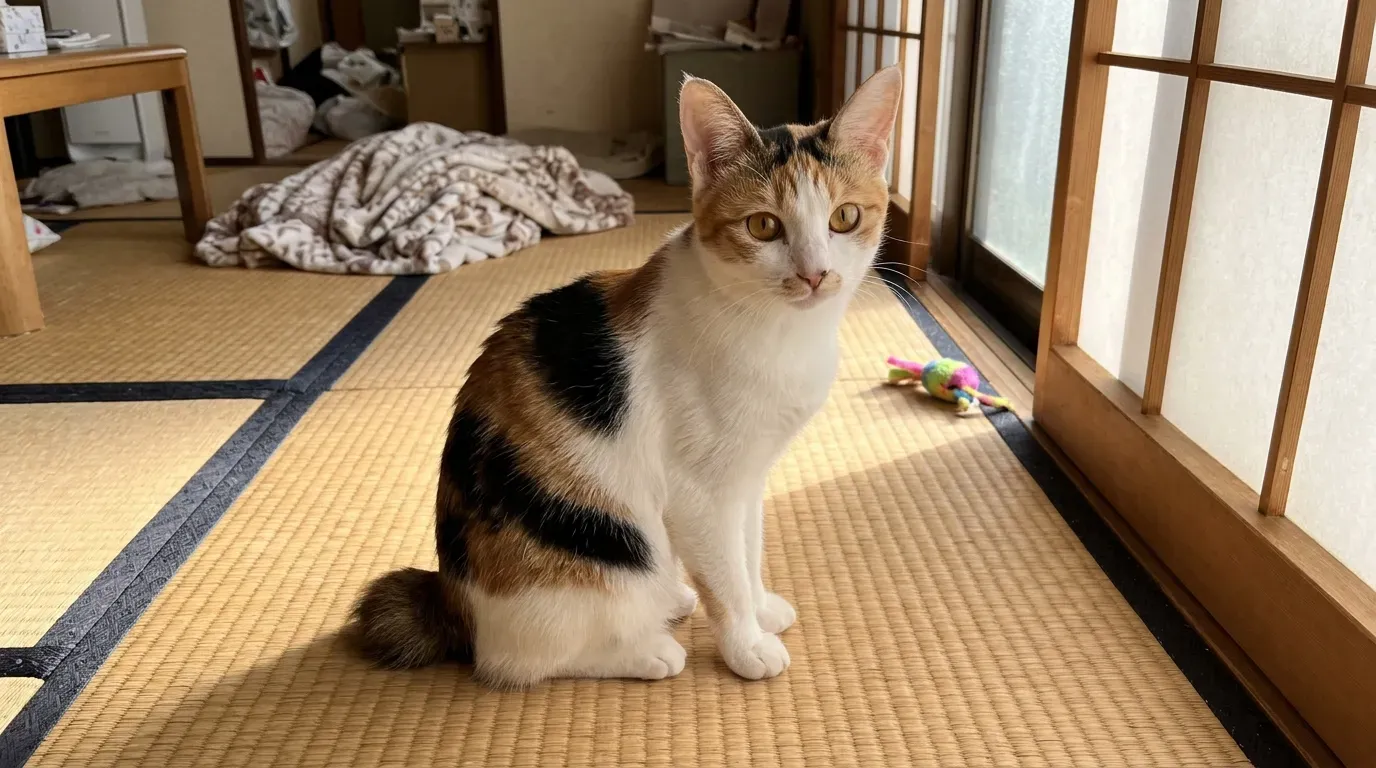
Origin: Japan (Native Landrace) · Coat: Short, dense · Grooming: Weekly brushing · Size: Medium Often called Nihon Neko, the Japanese Domestic Shorthair is the classic mixed-ancestry household cat found across Japan rather than a strict pedigree breed. Similar to a domestic shorthair cat, these adaptable felines vary in build, often carry natural bobbed or kinked tails, and appear in traditional patterns such as Mi-Ke (tricolor calico of white, black, and orange-red) and solid black. Weekly brushing keeps shedding manageable, and routine annual vet exams help monitor weight and kidney health as they age.
5Russian Blue
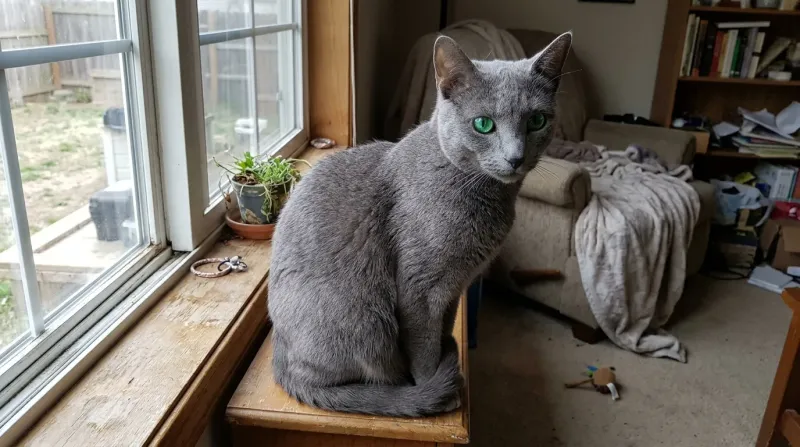
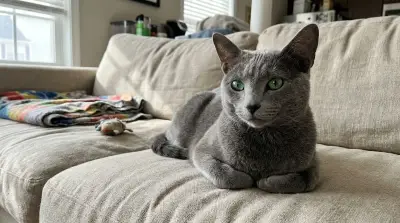
Origin: Popular in Japan · Coat: Short, plush double coat · Grooming: Weekly brushing · Size: Medium Favored in Japanese city apartments for its quiet voice and graceful demeanor, the Russian Blue stands out with a shimmering silver-tipped blue coat and vivid emerald-green eyes. Gentle and reserved with strangers yet deeply loyal to its household, this low-shedding breed thrives on predictable daily routines and cozy window perches. Brush its dense double coat once a week to lift loose undercoat, and monitor portion sizes to prevent indoor weight gain.
6Ragdoll
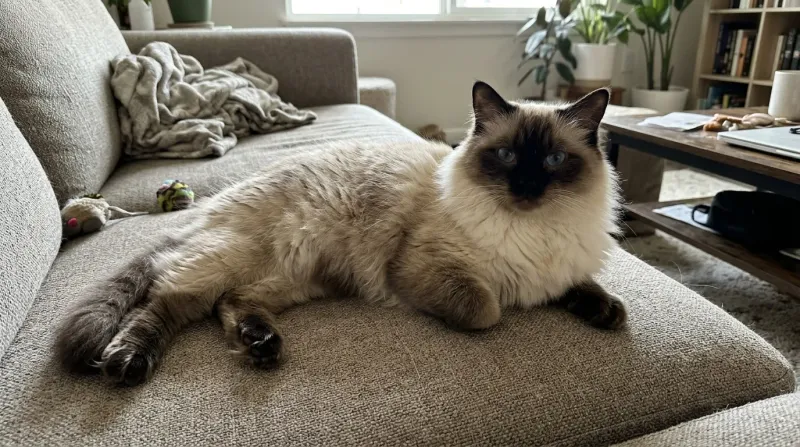
Origin: Popular in Japan · Coat: Semi-long, silky · Grooming: 2-3 times weekly · Size: Large Beloved across Japan for its striking blue eyes, colorpoint markings, and relaxed temperament, the Ragdoll is an affectionate indoor companion that greets owners at the door. Despite its semi-long fur, the coat lacks a heavy undercoat and tangles less easily than many longhaired breeds. Comb the fur two to three times weekly to prevent knots around the ruff and hind legs, and ask your veterinarian about routine cardiac screenings for hypertrophic cardiomyopathy.
7Munchkin
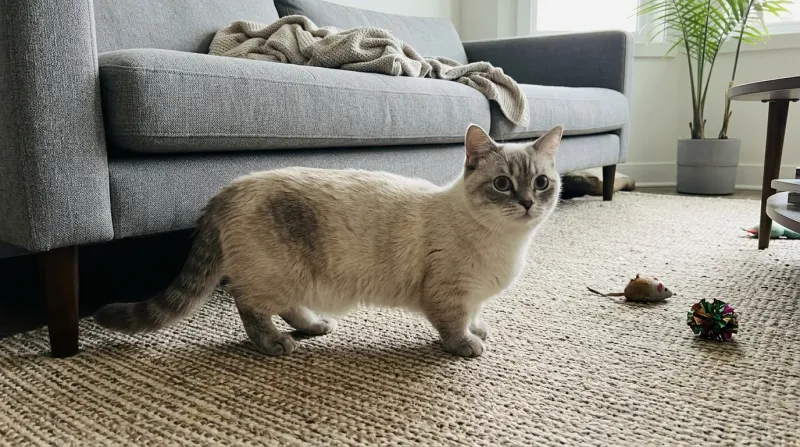
Origin: Popular in Japan · Coat: Short or long · Grooming: Weekly to twice weekly · Size: Small-Medium While originally developed abroad, the Munchkin ranks among the most popular cat breeds in Japanese households due to its compact size and playful personality. Their naturally short legs result from a dominant pseudoachondroplasia mutation that carries a homozygous lethal gene risk when two short-legged cats are bred together, alongside elevated risks of spinal curvature (lordosis) and a sunken chest (pectus excavatum). Place padded pet steps next to beds and couches to protect their joints from high-impact jumps, and ask your veterinarian to monitor their spinal and chest conformation at checkups.
8American Shorthair
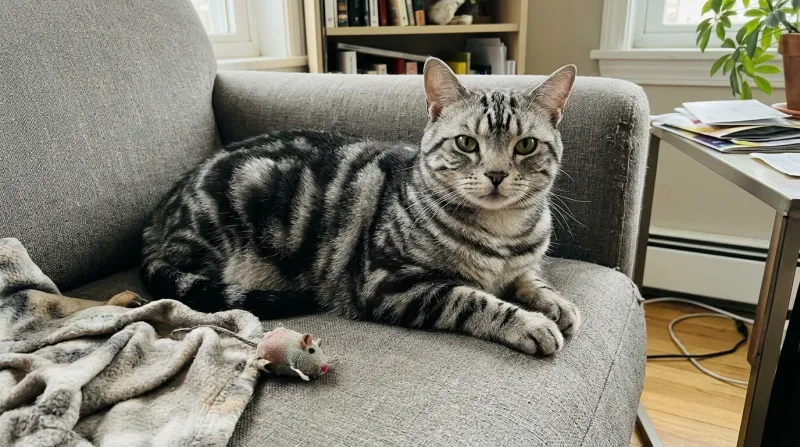
Origin: Popular in Japan · Coat: Short, thick · Grooming: Weekly brushing · Size: Medium-Large Consistently topping popularity charts in Japan, the American Shorthair is prized for its calm, adaptable nature and classic silver tabby markings. Their easygoing temperament makes them strong candidates if you are comparing best cat breeds for families living in smaller apartments. Because they can gain weight easily indoors, measure daily portions carefully and schedule daily wand-toy sessions to keep them lean.
9Scottish Fold
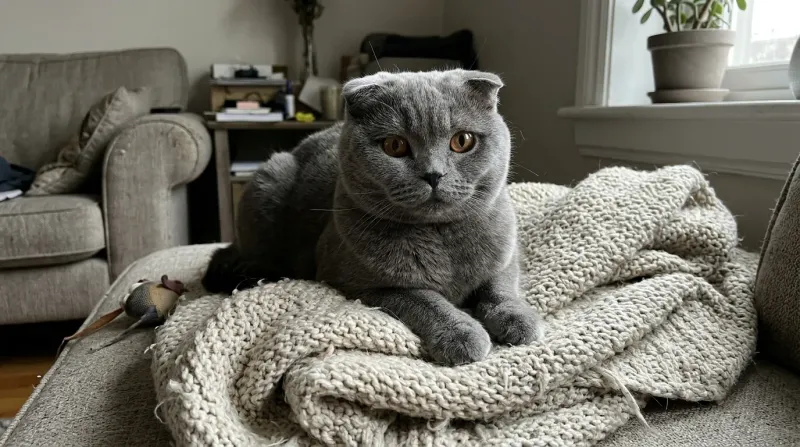
Origin: Popular in Japan · Coat: Short or long · Grooming: Weekly plus ear checks · Size: Medium Widely adored in Japan for its round face, large eyes, and forward-folded ears, the Scottish Fold is a quiet, affectionate lap cat. All folded-ear cats carry the dominant Fd cartilage mutation and develop varying degrees of lifelong, progressive osteochondrodysplasia, while breeding two folded-ear cats causes severe crippling deformities. Check their folded ears weekly for wax buildup without inserting cotton swabs, and work closely with a veterinarian on pain management, joint-friendly nutrition, and mobility monitoring.
10Minuet (Napoleon)
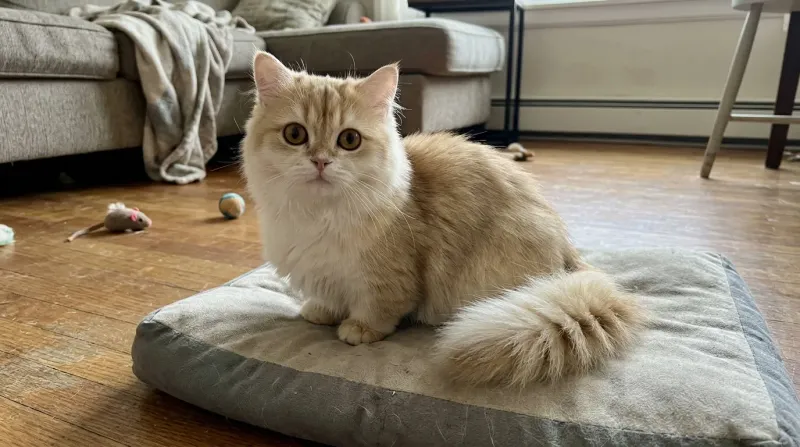
Origin: Popular in Japan · Coat: Short or long · Grooming: 2-3 times weekly · Size: Small A hybrid cross between the Munchkin and Persian-type cats, the Minuet has gained a strong following in Japan for its plush coat, round muzzle, and short legs. Like other fluffy cat breeds, longhaired Minuets need combing several times a week to prevent knots around the chest and tail, plus daily gentle wiping around the eyes to clear tear staining.
Choosing the Right Cat for Your Home and Routine
When comparing native Japanese breeds with modern favorites kept in Japan, match the cat's activity level and physical structure to your living space. Active, muscular climbers like the Japanese Bobtail and Kurilian Bobtail thrive with tall vertical perches, puzzle feeders, and interactive play sessions, whereas short-legged breeds like the Munchkin and Minuet require low-profile steps or ramps to reach sofas safely without straining their joints.
Before bringing any cat home, cat-proof your space by removing toxic houseplants such as lilies, sago palms, and pothos, and keep human foods like onions, garlic, chocolate, and grapes out of reach. Schedule a wellness exam with your veterinarian shortly after adoption to establish a vaccination schedule, dental routine, and breed-specific health screenings.
Whether you choose an authentic native Japanese Bobtail or one of the compact companions favored in Japanese homes, matching coat care and indoor enrichment to your cat's physical build sets the stage for a healthy life. Always partner with a trusted veterinarian for preventive care, dental cleanings, and breed-specific joint or skin checks as your cat grows.
Frequently asked questions
Which cat breeds actually originate from Japan?
The Japanese Bobtail (in both shorthair and longhair varieties) is the primary internationally recognized pedigree breed originating from Japan. The Kurilian Bobtail also originates in the Kuril Islands stretching north of Hokkaido, alongside native Japanese mixed-ancestry domestic cats known as Nihon Neko.
What is the most common cat breed in Japan?
Mixed-ancestry Japanese Domestic Shorthairs are the most numerous cats overall in Japan. Among pedigreed cats in Japanese households, the American Shorthair, Munchkin, Scottish Fold, and Russian Blue consistently rank among the most popular choices.
Do all Japanese cats have short bobbed tails?
No, not every cat in Japan has a short tail. While the dominant bobtail gene mutation is common among native Japanese cats and required for pedigreed Japanese Bobtails, many native Nihon Neko and imported breeds kept in Japan have full-length tails.
Are Japanese Bobtails good apartment cats?
Yes, Japanese Bobtails adapt well to apartment living as long as they receive plenty of mental and physical stimulation. They are energetic, social, and vocal, so providing tall cat trees, window perches, and daily interactive play helps prevent boredom.