Gray cat breeds—often called "blue" or "Maltese" cats by breeders—range from plush, quiet lap companions to athletic, chatty climbers. While breeds like the Russian Blue, Chartreux, Korat, and Nebelung always wear solid silver-gray coats, many other popular breeds appear in striking slate, pewter, or smoky shades.
Below is a side-by-side comparison of 15 gray cat breeds covering coat length, shedding levels, adult weight, and core temperament so you can match the right feline to your home lifestyle.
| Breed | Coat | Shedding | Weight | Temperament |
|---|---|---|---|---|
| Russian Blue | Short, dense | Low to moderate | 7–12 lbs | Gentle, reserved |
| Chartreux | Short, woolly | Moderate | 7–16 lbs | Quiet, adaptable |
| Korat | Short, single | Low | 6–10 lbs | Affectionate, alert |
| Nebelung | Medium-long | Moderate | 7–15 lbs | Shy, devoted |
| British Shorthair | Short, plush | Moderate to high | 9–18 lbs | Calm, easygoing |
| Persian (Blue) | Long, flowing | High | 7–12 lbs | Sweet, serene |
| Scottish Fold | Short or long | Moderate | 6–13 lbs | Social, gentle |
| Maine Coon | Long, shaggy | High | 10–25 lbs | Friendly, playful |
| American Shorthair | Short, thick | Moderate | 8–15 lbs | Balanced, sturdy |
| Cornish Rex | Short, wavy | Low | 6–10 lbs | Active, clownish |
| Devon Rex | Short, curly | Low | 5–10 lbs | Mischievous, social |
| Egyptian Mau | Short, silky | Low to moderate | 6–14 lbs | Loyal, energetic |
| Oriental Shorthair | Short, fine | Low | 5–10 lbs | Vocal, extroverted |
| Manx | Short or long | Moderate | 8–12 lbs | Playful, dog-like |
| Norwegian Forest Cat | Long, double | High | 12–22 lbs | Independent, gentle |
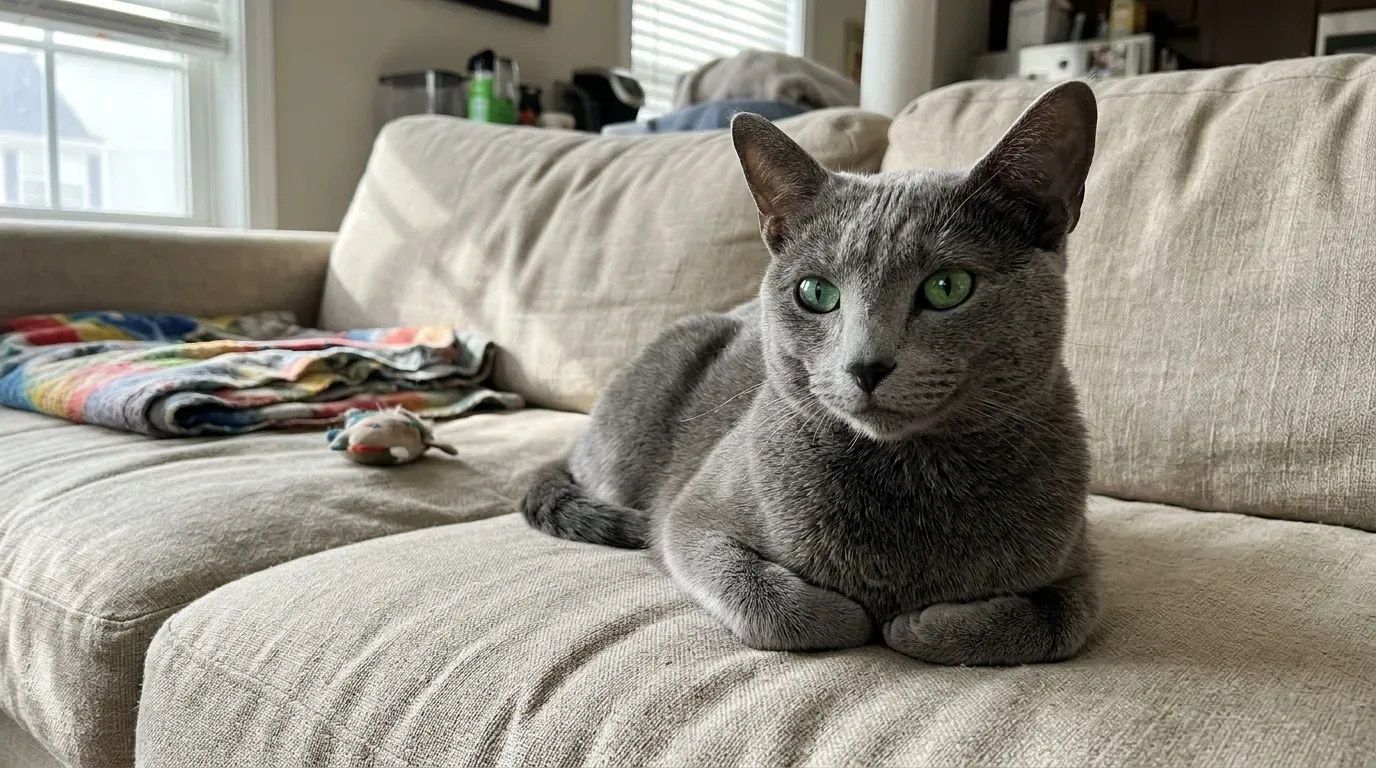
1Russian Blue
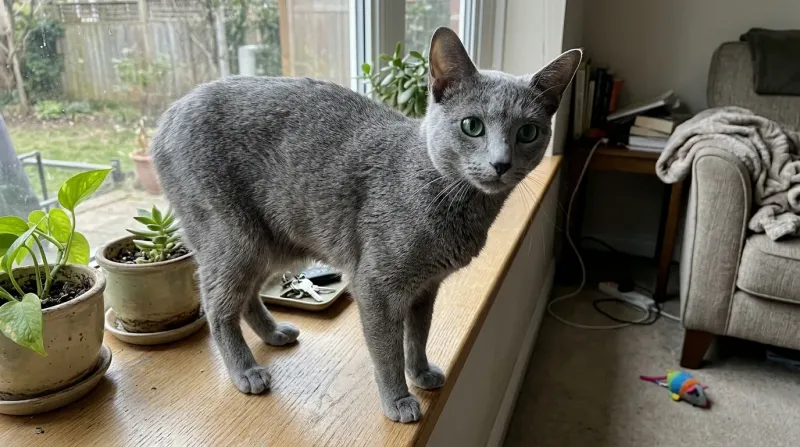
Coat: Short, double · Shedding: Low to moderate · Weight: 7–12 lbs · Lifespan: 15–20 years Known for a shimmering silver-tipped blue coat and vivid emerald-green eyes, the Russian Blue is polite, observant, and deeply loyal to family members. They often greet guests from a safe distance before warming up. Their dense double coat sheds lightly most of the year and benefits from weekly brushing with a soft slicker brush to remove loose undercoat.
2Chartreux
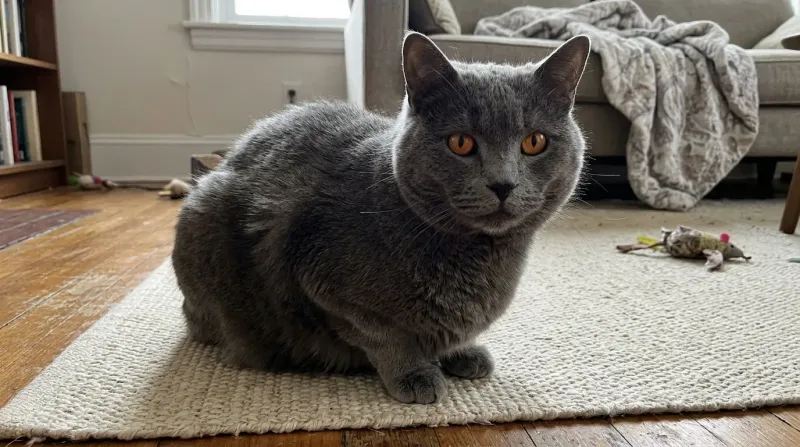
Coat: Short, woolly · Shedding: Moderate · Weight: 7–16 lbs · Lifespan: 12–15 years Originating in France, the muscular Chartreux pairs a thick, water-resistant slate-gray coat with warm copper or gold eyes and a sweet, smiling expression. They rarely meow, preferring soft chirps and quiet companionship. Brush their woolly coat gently once or twice a week, avoiding harsh metal tools that can break the undercoat, especially during spring and fall shedding.
3Korat
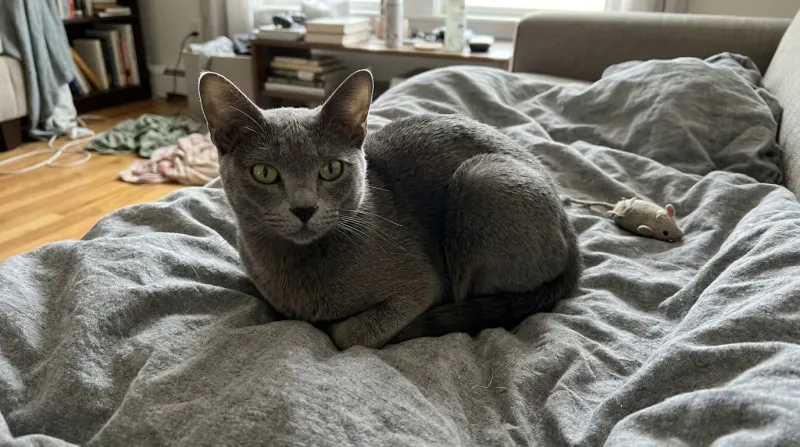
Coat: Short, single · Shedding: Low · Weight: 6–10 lbs · Lifespan: 15–20 years This ancient Thai breed has a heart-shaped face, luminous peridot-green eyes, and a silver-blue coat that lacks an undercoat. Because they have a single coat layer, Korats shed very little and need only a quick weekly rubdown with a grooming mitt. They form tight bonds with their owners, enjoy interactive puzzle toys, and dislike being left alone for long stretches.
4Nebelung
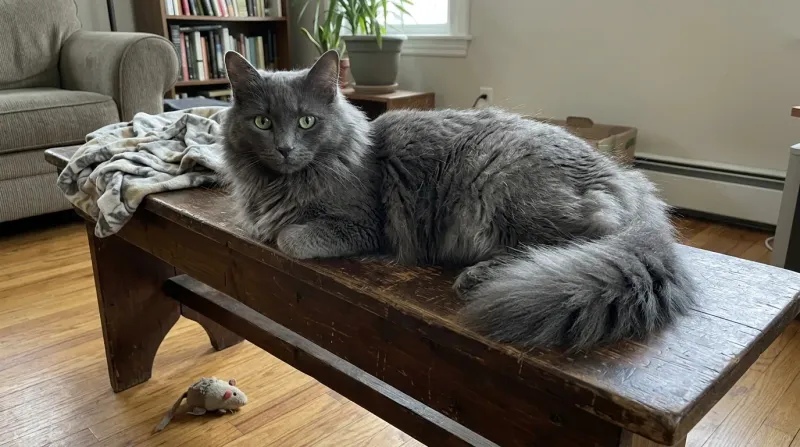
Coat: Medium-long, silky · Shedding: Moderate · Weight: 7–15 lbs · Lifespan: 15–18 years Often described as a long-haired Russian Blue, the Nebelung features a flowing blue-gray coat, a plumed tail, and striking green eyes. They are gentle, routine-loving cats that thrive in calm homes without sudden loud noises. Comb their silky fur two to three times a week to prevent tangles behind the ears and under the legs.
5British Shorthair
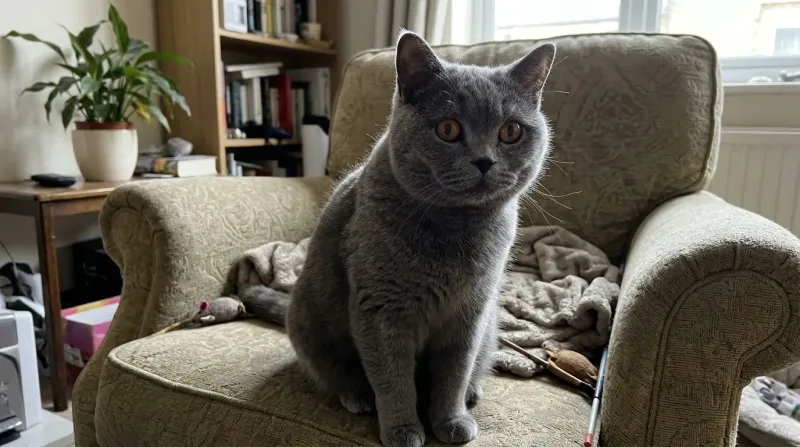
Coat: Short, plush · Shedding: Moderate to high · Weight: 9–18 lbs · Lifespan: 12–20 years The classic British Blue is famous for its round cheeks, dense teddy-bear coat, and bright copper eyes. Easygoing and dignified, this breed prefers sitting beside you on the couch rather than being carried around. Their thick coat sheds noticeably during seasonal changes, so twice-weekly brushing keeps loose hair off furniture and reduces hairballs.
6Blue Persian
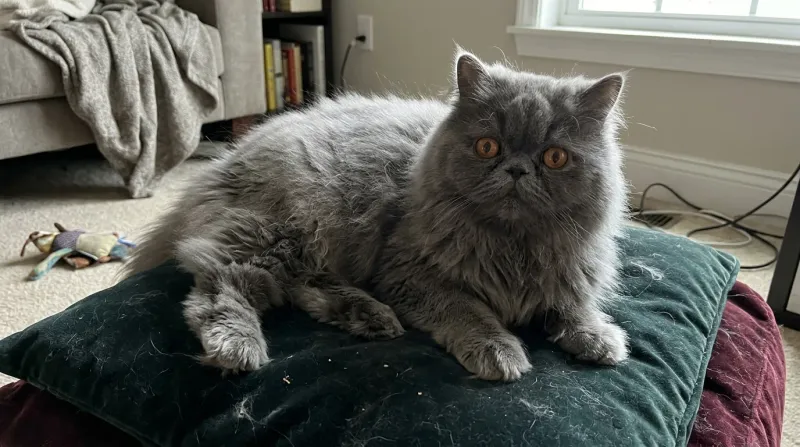
Coat: Long, flowing · Shedding: High · Weight: 7–12 lbs · Lifespan: 12–17 years Persians in solid blue display a dramatic, cotton-soft coat and large copper eyes set in a sweet, flat face. They are quiet, affectionate lounge lovers that suit peaceful apartments. Plan on daily combing to prevent severe mats, alongside gentle daily wiping around the eyes to clear tear staining, plus routine vet checks for breathing and dental health.
7Scottish Fold
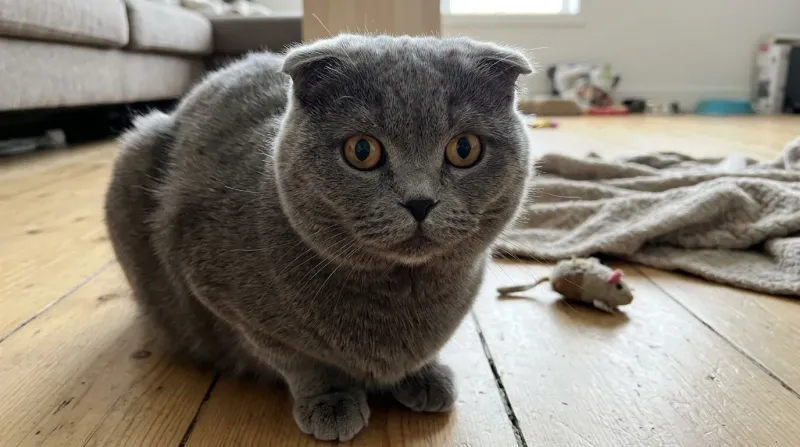
Coat: Short or long · Shedding: Moderate · Weight: 6–13 lbs · Lifespan: 11–14 years Available in solid blue and blue tabby patterns, the Scottish Fold is recognizable by its forward-folded ears and round, owl-like eyes. They are social, gentle cats that enjoy following family members from room to room. Because the fold gene affects cartilage, work with a veterinarian to monitor joint comfort and keep their weight healthy.
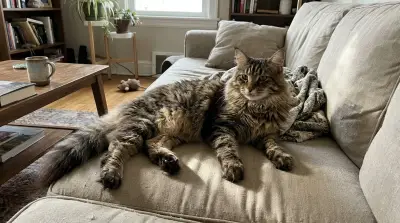
8Maine Coon
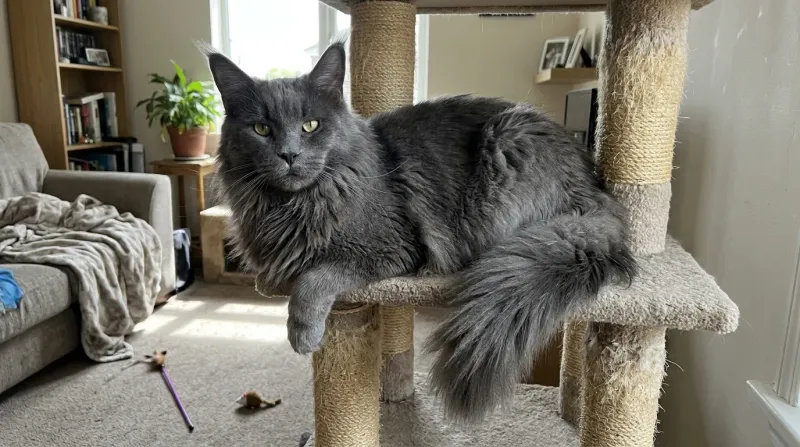
Coat: Long, shaggy · Shedding: High · Weight: 10–25 lbs · Lifespan: 12–15 years Blue and blue-tabby Maine Coons combine tufted ears, a bushy tail, and a rugged water-resistant coat with a famously friendly, dog-like temperament. They love interactive play and sturdy climbing platforms—if you adopt one, invest in cat trees built for large cats. Comb their shaggy coat three times weekly to prevent knots.
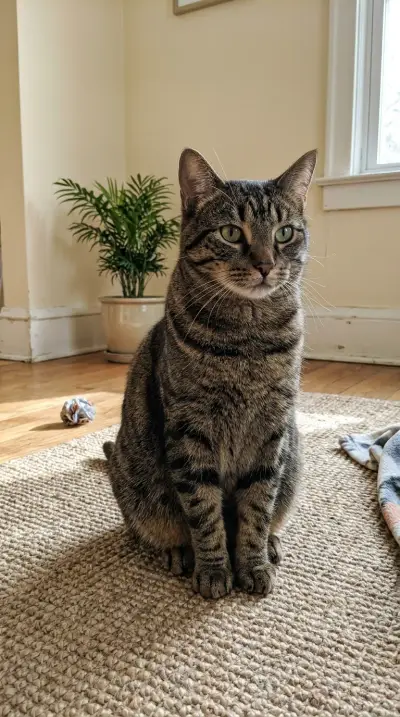
9American Shorthair
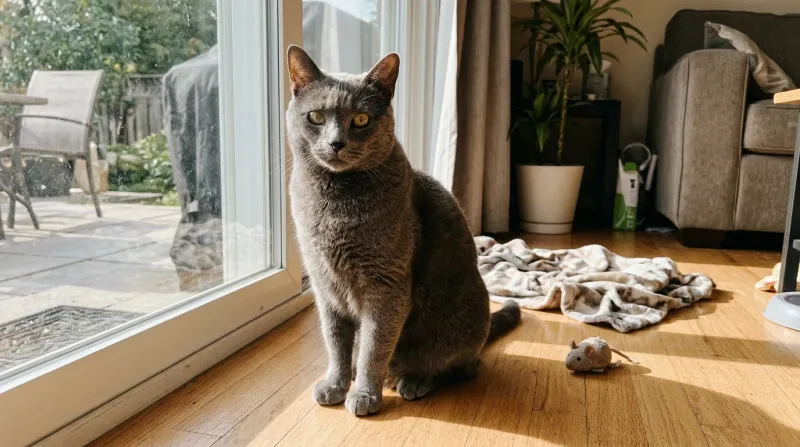
Coat: Short, thick · Shedding: Moderate · Weight: 8–15 lbs · Lifespan: 15–20 years American Shorthairs frequently appear in solid blue and classic silver-blue tabby patterns. Built with athletic, medium-large frames, they balance playful bursts of energy with relaxed afternoon naps. They adapt easily to families with children and respectful dogs, and their sturdy, dense coat needs just one thorough brushing session per week.
10Cornish Rex
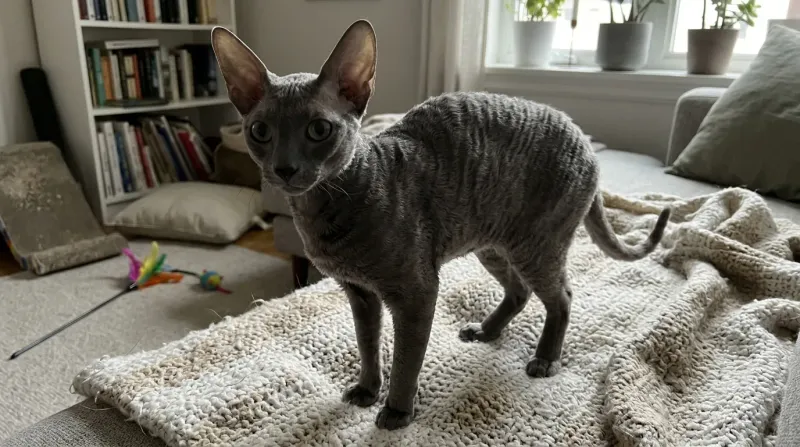
Coat: Short, wavy · Shedding: Low · Weight: 6–10 lbs · Lifespan: 12–16 years Covered in tight, velvety marcel waves rather than guard hairs, a blue Cornish Rex feels like warm suede and sheds minimally. They have large bat-like ears, arched backs, and acrobatic energy that lasts well into their senior years. Wipe their skin gently with a damp cloth as needed and keep them indoors where they stay warm.
11Devon Rex
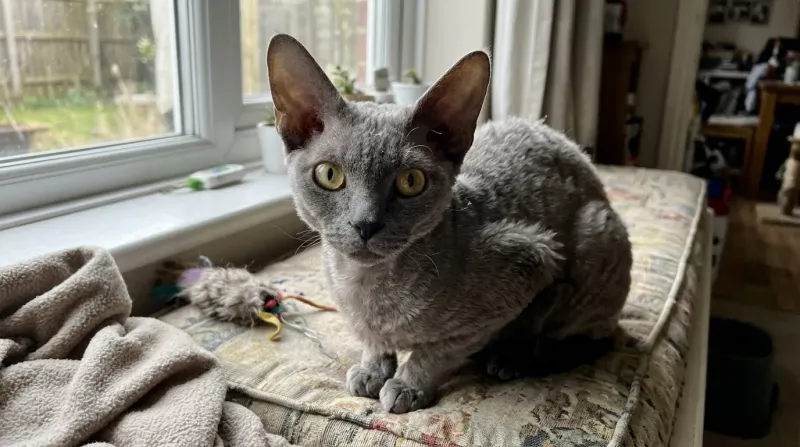
Coat: Short, curly · Shedding: Low · Weight: 5–10 lbs · Lifespan: 9–15 years With oversized low-set ears, mischievous pixie faces, and soft, wavy blue-gray fur, Devon Rex cats are social clowns who love perching on shoulders. Their fragile coat sheds very little and is often highlighted among cat breeds that are easier on allergies, though no cat is completely allergen-free. Avoid harsh brushes that can snap their delicate curls.
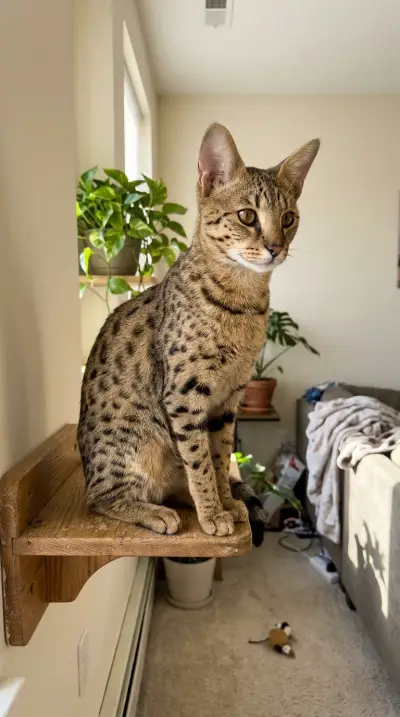
12Egyptian Mau
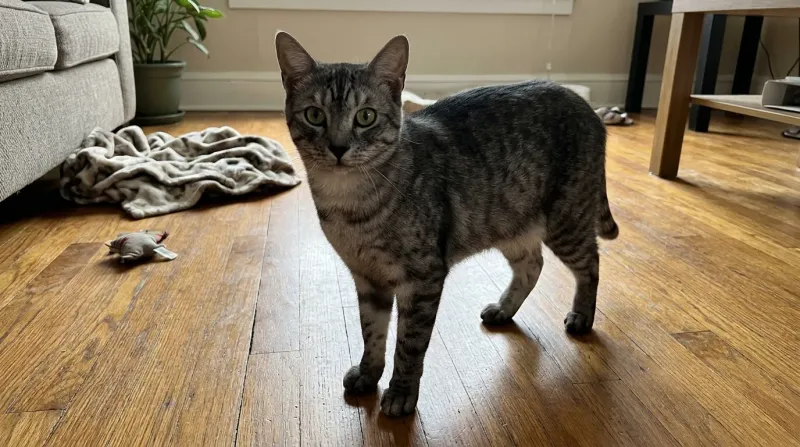
Coat: Short, silky · Shedding: Low to moderate · Weight: 6–14 lbs · Lifespan: 12–15 years The smoke-colored Egyptian Mau pairs a shimmering charcoal-gray coat and silver undercoat with gooseberry-green eyes and naturally spotted markings. Known as the fastest domestic cat breed, they love high perches and interactive wand play. They bond closely with their household, can be shy with strangers, and need minimal weekly grooming.
13Oriental Shorthair
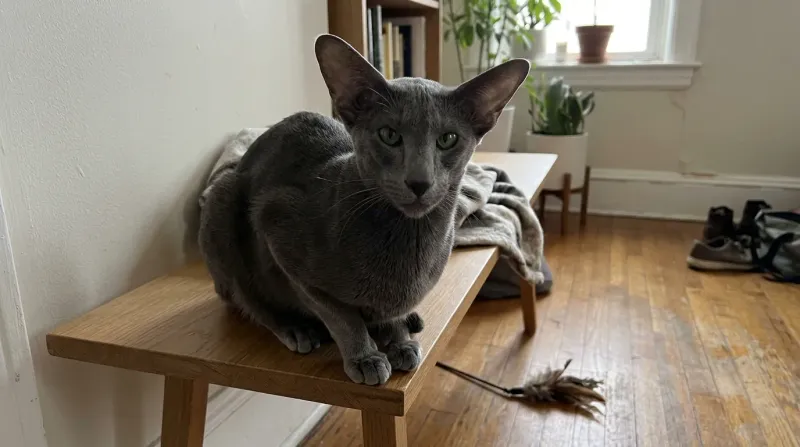
Coat: Short, fine · Shedding: Low · Weight: 5–10 lbs · Lifespan: 12–15 years Sleek, tubular, and large-eared, the solid blue Oriental Shorthair wears a glossy, tight-fitting gray coat with striking green eyes. Related to the Siamese, they are expressive, conversational, and eager to participate in every household activity. They shed very little and need mental enrichment, puzzle feeders, and daily social interaction to prevent boredom.
14Manx
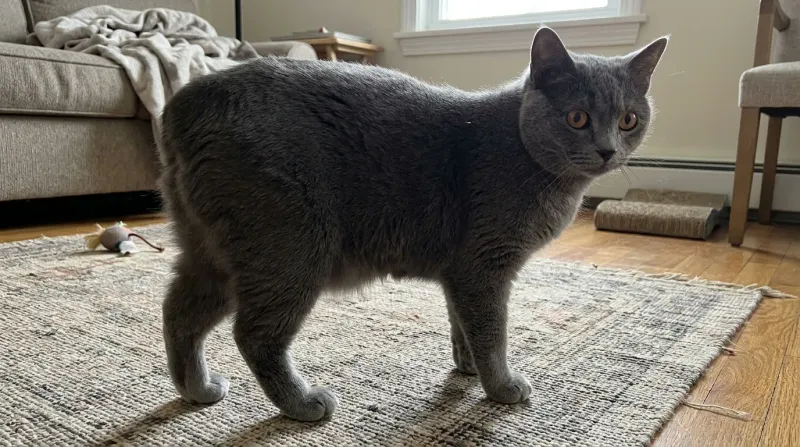
Coat: Short or long · Shedding: Moderate · Weight: 8–12 lbs · Lifespan: 14–16 years Famous for having little to no tail, the blue Manx has a rounded rump, powerful hind legs, and a dense double coat. They are playful, agile jumpers that often enjoy fetching small toys and greeting family members at the door. Brush their plush coat twice a week and ask your vet about spine health when adopting.
15Norwegian Forest Cat
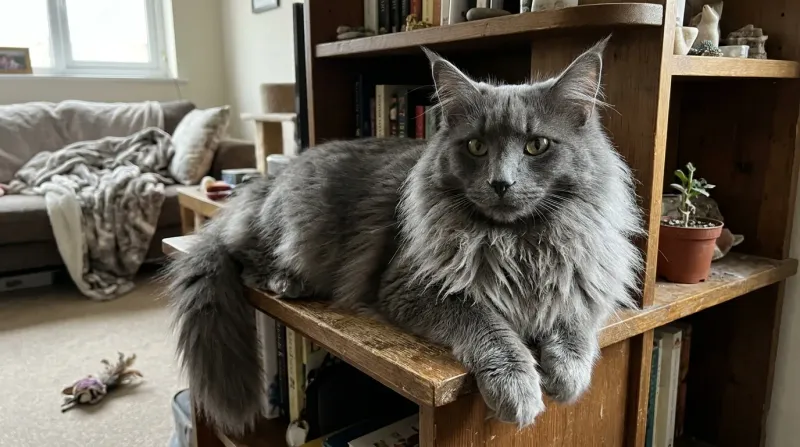
Coat: Long, double · Shedding: High · Weight: 12–22 lbs · Lifespan: 14–16 years Built for cold climates, the blue or blue-tabby Norwegian Forest Cat sports a thick woolly undercoat beneath a glossy, water-repellent topcoat. Despite their rugged, wild look, they are patient, gentle giants who enjoy climbing high shelves. Comb their dense fur twice a week normally and daily during heavy spring shedding.
How to Choose the Right Gray Cat for Your Home
Start by matching a cat's grooming and energy needs to your daily routine. Short, single-coated breeds like the Korat and Cornish Rex require only weekly brushing, whereas heavy double-coated cats like the Blue Persian and Maine Coon need daily combing to prevent painful mats. If you live in a busy household with children, sturdy, adaptable companions featured in our guide to the best cat breeds for families and first-time owners—such as the British Shorthair or American Shorthair—usually handle noise better than shy breeds like the Nebelung.
Keep home safety in mind before bringing any cat home. Keep toxic houseplants like lilies, sago palms, and philodendrons out of reach, and never feed cats onions, garlic, chocolate, grapes, or raisins. Schedule a wellness checkup with a veterinarian within your first week of adoption to establish a baseline for vaccines, parasite prevention, and nutrition.
Why Breeders Call Gray Cats Blue
In feline genetics, a solid gray coat is officially called "blue." It happens when a cat inherits two copies of the recessive dilution gene, which turns black pigment into a soft slate or silver-gray hue. If you love dramatic dark coats, you can compare how dominant pigment works in our overview of black cat breeds with striking coats. Because the dilution gene is recessive, solid gray cats are less common in mixed-breed shelters than black or tabby cats, though rescue groups regularly have gray domestic shorthairs looking for homes.
Whether you prefer the velvety, low-shedding coat of a Korat or the plush, laid-back charm of a British Shorthair, gray cat breeds offer a match for nearly every home. Before adopting, visit local shelters or ethical breeders to meet cats in person, observe their energy levels, and plan a vet checkup to start your life together on healthy footing.
Frequently asked questions
What are gray-colored cats called?
Cat breeders and registries officially call solid gray cats blue. A dilute black gene softens black pigment into shades ranging from pale silver-gray to deep slate. Gray cats are also occasionally called Maltese cats in older folklore.
Which cat breeds are always gray?
Four recognized cat breeds appear exclusively in solid blue-gray coats: the Russian Blue, Chartreux, Korat, and Nebelung. Other popular breeds, such as the British Shorthair, Maine Coon, and Persian, can be gray but also come in many other colors.
How rare is a fully gray cat?
Solid gray cats are moderately uncommon compared to black or tabby cats because the dilution gene that creates a gray coat is recessive. Both parents must carry the gene for a kitten to inherit a solid blue-gray coat.
Are gray cat breeds good for people with allergies?
No cat breed is completely hypoallergenic, because allergies are triggered by proteins in cat saliva and dander rather than fur color. However, low-shedding gray breeds like the Cornish Rex, Devon Rex, and Russian Blue may spread less dander around your home.