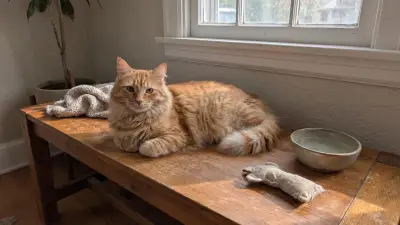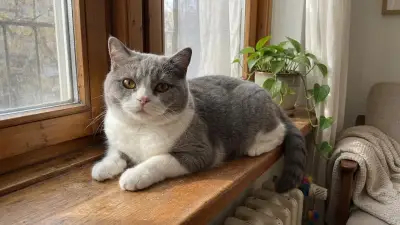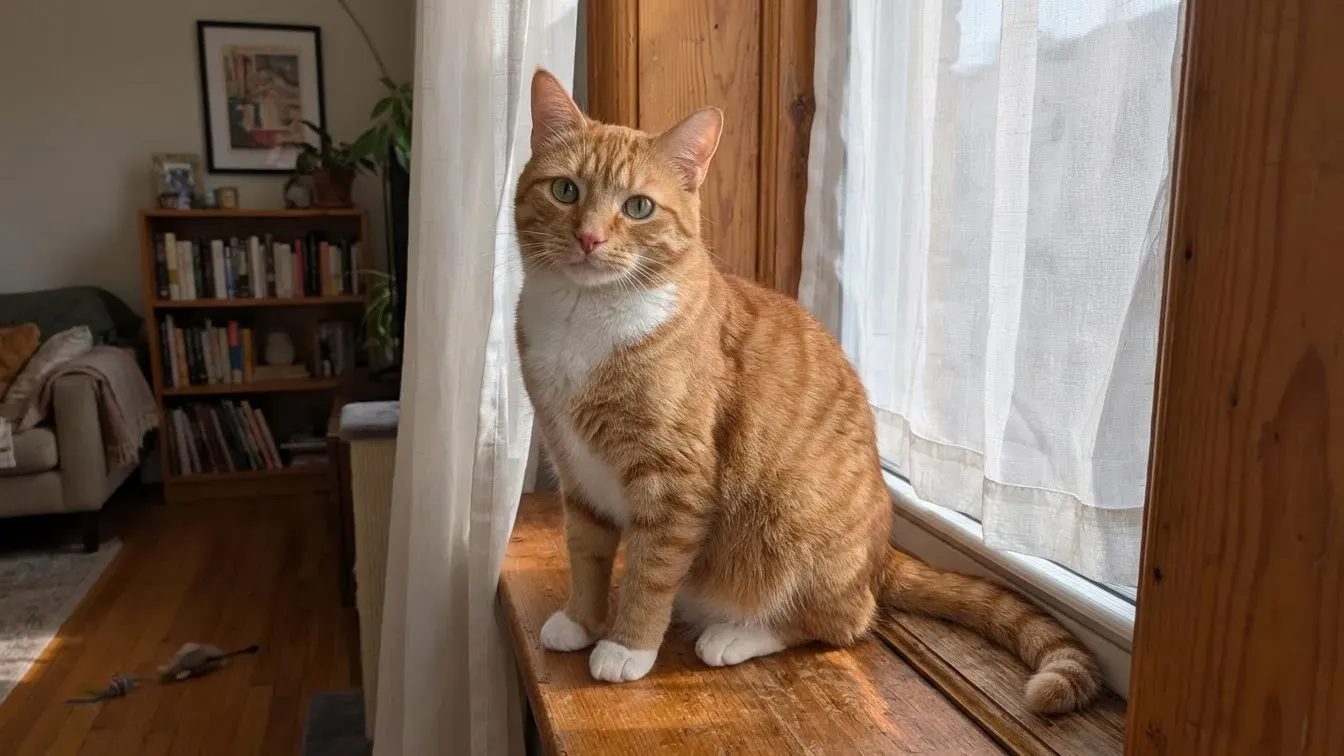
Orange and white cat breeds are not a single registry category; instead, this bicolor coat occurs whenever the red pigment gene pairs with the white spotting gene across dozens of recognized breeds and mixed-breed cats. For first-time adopters in apartments, choosing a cat known for steady nerves, moderate noise levels, and predictable grooming makes indoor life smooth.
Whether you want a lap-loving shorthair or a gentle longhaired companion, the list below covers 14 pedigreed breeds plus the non-pedigreed Domestic Shorthair that regularly produce red-and-white tabby, van, or tuxedo-style markings while adapting comfortably to smaller floor plans.
| Breed | Coat Length | Size | Grooming | Lifespan |
|---|---|---|---|---|
| Domestic Shorthair | Short | Medium | Weekly brushing | 12-18 years |
| American Shorthair | Short | Medium to large | Weekly brushing | 15-20 years |
| British Shorthair | Short | Medium to large | Weekly brushing | 12-20 years |
| Maine Coon | Long | Large | 2-3 times weekly | 12-15 years |
| Ragdoll | Semi-long | Large | 2-3 times weekly | 12-17 years |
| Birman | Semi-long | Medium to large | Weekly brushing | 12-16 years |
| Turkish Angora | Semi-long | Small to medium | Weekly brushing | 12-18 years |
| Exotic Shorthair | Short | Medium | 2-3 times weekly | 12-15 years |
| Selkirk Rex | Short or long | Medium to large | 2-3 times weekly | 10-15 years |
| Cornish Rex | Short | Small to medium | Gentle weekly wipe | 11-15 years |
| Devon Rex | Short | Small to medium | Gentle weekly wipe | 9-15 years |
| Siberian | Long | Medium to large | 2-3 times weekly | 11-18 years |
| Norwegian Forest Cat | Long | Large | 2-3 times weekly | 12-16 years |
| American Bobtail | Short or long | Medium to large | Weekly brushing | 13-15 years |
| Ragamuffin | Long | Large | 2-3 times weekly | 12-16 years |
1Domestic Shorthair
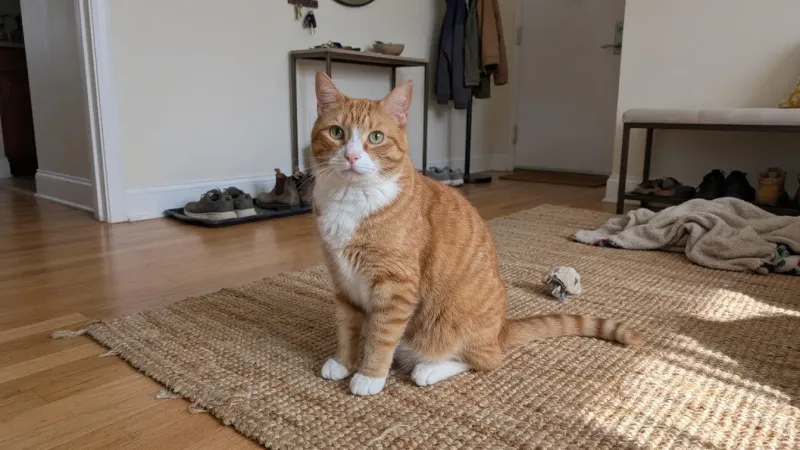
Coat Length: Short · Size: Medium · Grooming: Weekly brushing · Lifespan: 12-18 years Most orange and white cats in shelters are Domestic Shorthairs, meaning they have mixed ancestry rather than a pedigree. Because of their wide genetic pool, they often enjoy robust general health and adapt effortlessly to apartment routines. Weekly brushing removes loose hair, and short interactive wand sessions satisfy their playful streak without needing sprawling rooms.
2American Shorthair
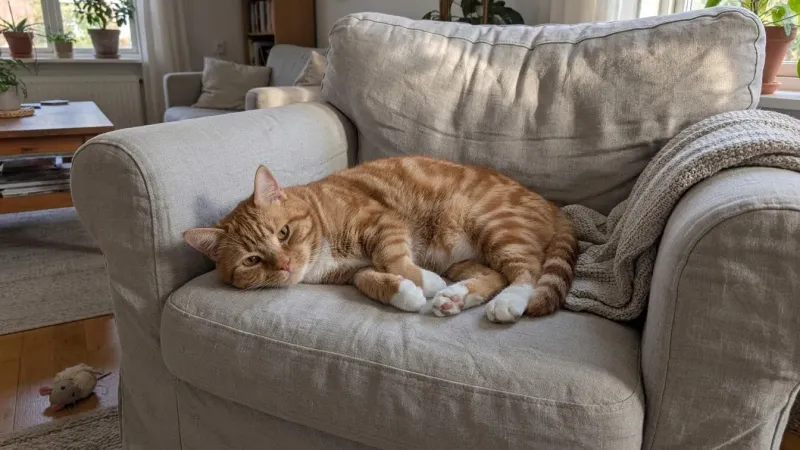
Coat Length: Short · Size: Medium to large · Grooming: Weekly brushing · Lifespan: 15-20 years American Shorthairs frequently display classic red tabby and white patterns with sturdy, muscular builds. They are easygoing, quiet roommates that enjoy lounging near windows after brief bursts of play. Beginners appreciate their dense, low-maintenance coat and independent streak, which makes them comfortable while you work during the day.
3British Shorthair
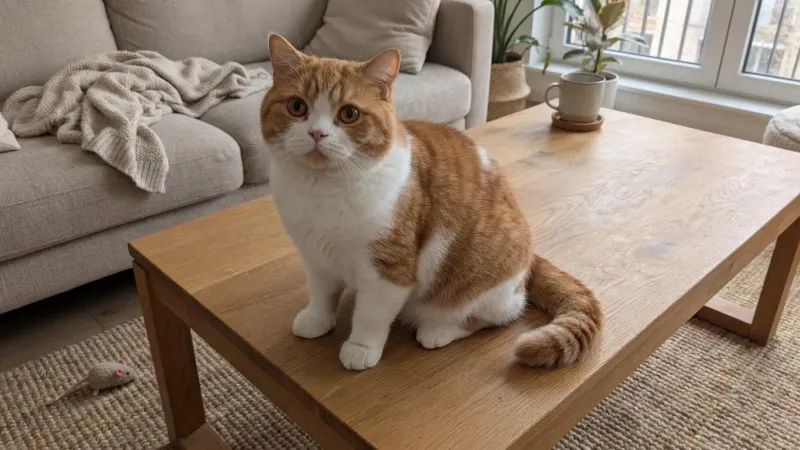
Coat Length: Short · Size: Medium to large · Grooming: Weekly brushing · Lifespan: 12-20 years Known for round cheeks, copper eyes, and plush red-and-white bicolor coats, British Shorthairs are composed and unhurried. They rarely climb curtains or demand constant holding, preferring to sit beside you on the couch. A rubber curry brush once a week keeps their dense undercoat tidy, and portion-controlled meals help prevent weight gain.
4Maine Coon
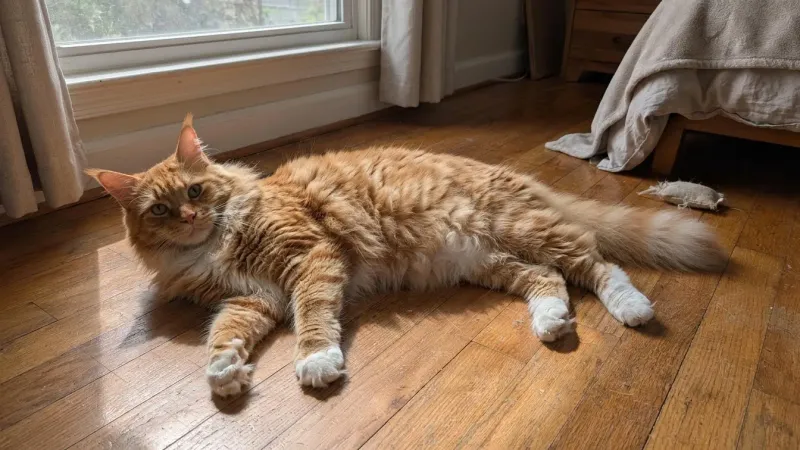
Coat Length: Long · Size: Large · Grooming: 2-3 times weekly · Lifespan: 12-15 years Despite their giant size and tufted ears, Maine Coons are famously gentle and quiet-voiced, communicating in soft chirps rather than loud meows. Many sport red mackerel tabby coats with white paws and bibs. Provide an extra-large litter box and sturdy scratching post, and comb their silky coat two to three times a week to prevent tangles.
5Ragdoll
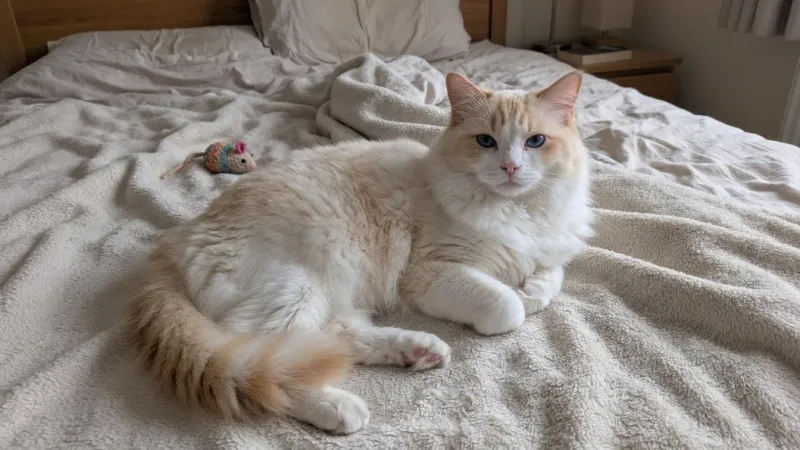
Coat Length: Semi-long · Size: Large · Grooming: 2-3 times weekly · Lifespan: 12-17 years Bicolor Ragdolls are colorpoint cats—such as flame bicolor with a pale cream body, reddish-orange points, and white markings—rather than non-pointed red-and-white cats, paired with striking blue eyes. Bred strictly as indoor companions, they follow owners from room to room and relax completely when held. Their plush coat lacks a dense undercoat, so it mats far less than other longhaired breeds and needs only twice-weekly combing.
6Birman
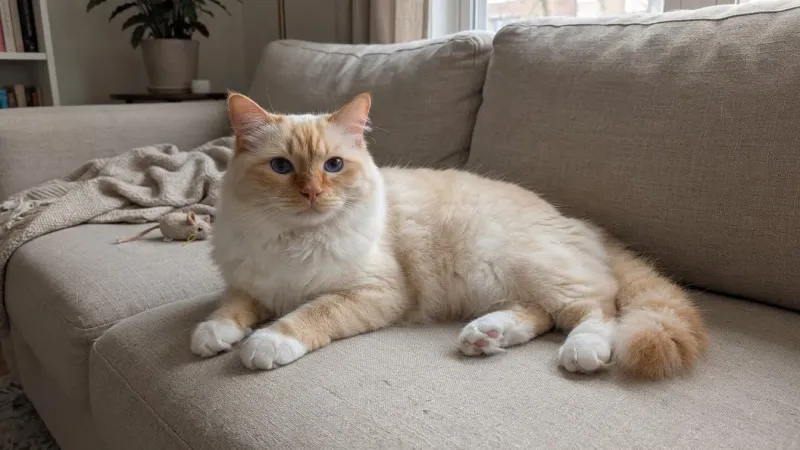
Coat Length: Semi-long · Size: Medium to large · Grooming: Weekly brushing · Lifespan: 12-16 years Known for their silky flame-point coats, white gloved paws, and deep sapphire eyes, Birmans are gentle, placid companions well suited to quiet apartment living. They enjoy affectionate lap time without being overly demanding or hyperactive. Because their single-layer coat lacks a heavy undercoat, weekly brushing keeps it smooth and tangle-free.
7Turkish Angora
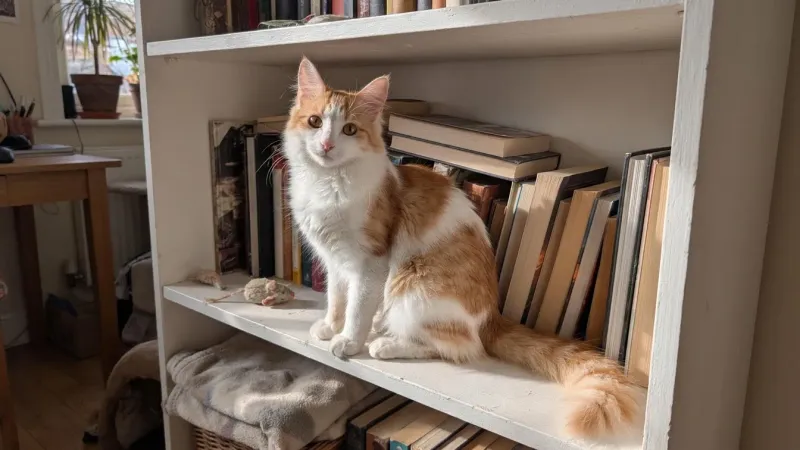
Coat Length: Semi-long · Size: Small to medium · Grooming: Weekly brushing · Lifespan: 12-18 years Graceful and fine-boned, Turkish Angoras appear in glowing red-and-white coats with plumed tails. They bond closely with their person, greet guests warmly, and thrive on interactive play in smaller homes. Their single-layer coat stays smooth with one weekly combing, making them an approachable longhaired choice for beginners.
8Exotic Shorthair
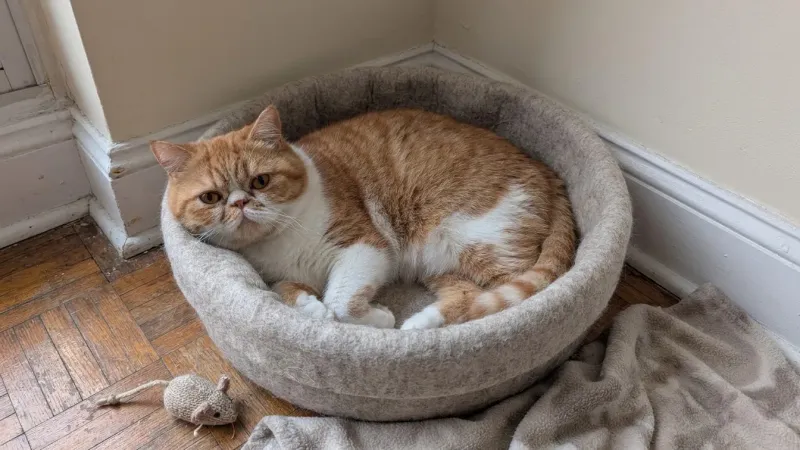
Coat Length: Short · Size: Medium · Grooming: 2-3 times weekly · Lifespan: 12-15 years Often called the lazy person's Persian, the Exotic Shorthair pairs a sweet, flat-faced expression with a plush red-and-white coat that does not mat easily. They are quiet, affectionate lap cats well suited to apartments with thin walls. Wipe the corners of their eyes daily with a damp cloth to keep tear stains clean.
9Selkirk Rex
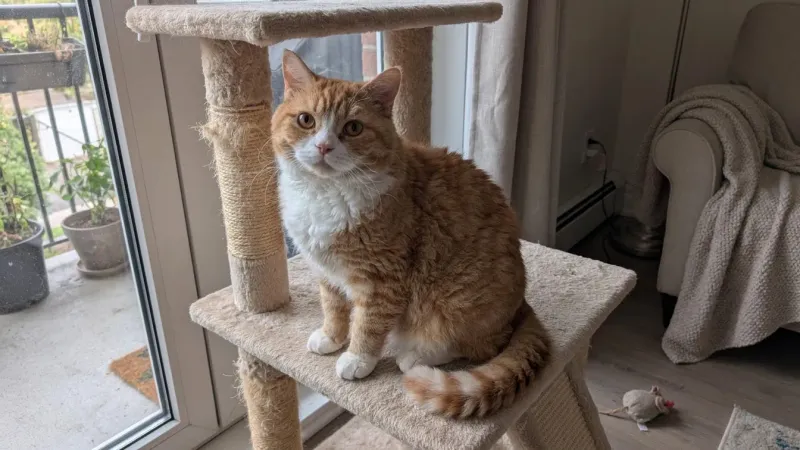
Coat Length: Short or long · Size: Medium to large · Grooming: 2-3 times weekly · Lifespan: 10-15 years Recognizable by their plush, loosely curled coats and round, expressive eyes, Selkirk Rex cats regularly appear in orange tabby and white patterns. They are patient, laid-back companions that adapt smoothly to calm apartments without demanding constant exercise. Comb their curly coat two to three times a week with a wide-toothed comb to prevent tangles without frizzing the curls.
10Cornish Rex
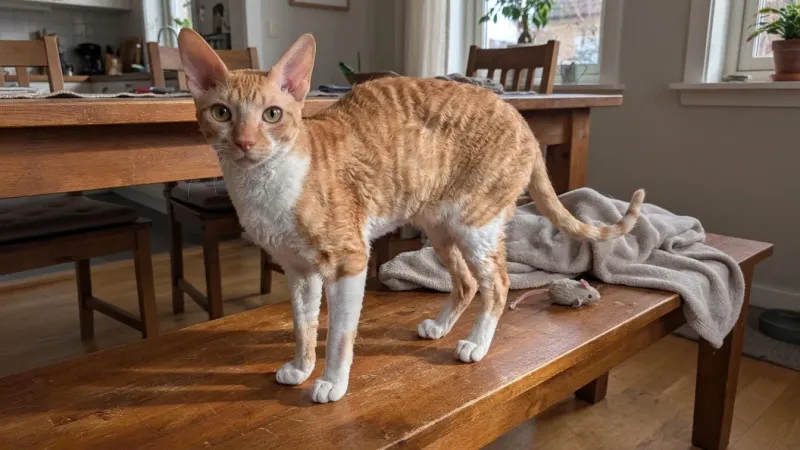
Coat Length: Short · Size: Small to medium · Grooming: Gentle weekly wipe · Lifespan: 11-15 years With large bat-like ears, arched backs, and soft marcel-waved fur, orange and white Cornish Rex cats stay kittenish well into adulthood. They love warm laps and high perches, making them lively apartment companions. Their fine coat is fragile, so skip harsh wire slicker brushes in favor of a soft cloth wipe.
11Devon Rex
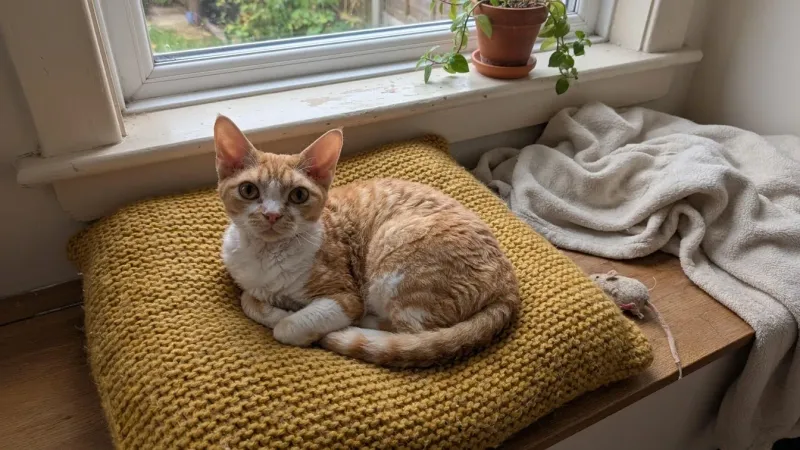
Coat Length: Short · Size: Small to medium · Grooming: Gentle weekly wipe · Lifespan: 9-15 years Pixie-faced Devon Rex cats often wear cream-and-orange or ginger-and-white wavy coats. Highly social and people-oriented, they perch on shoulders and curl under blankets at night. Like other curly cat breeds for apartments, their short coat requires minimal brushing, though their large ears need gentle weekly wax checks.
12Siberian
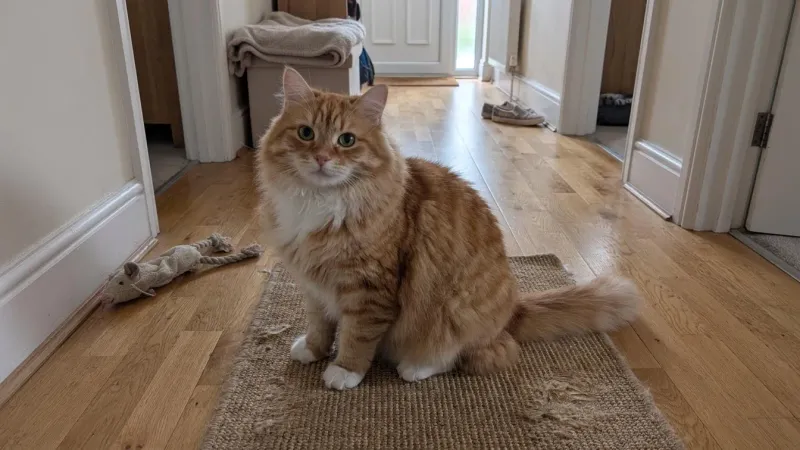
Coat Length: Long · Size: Medium to large · Grooming: 2-3 times weekly · Lifespan: 11-18 years Siberians boast thick triple coats in rich red tabby and white combinations that resist matting better than expected. Despite their rugged forest heritage, they are affectionate, dog-like companions that follow owners around the apartment and enjoy supervised harness walks. Brush them twice weekly, increasing to daily during spring and autumn sheds.
13Norwegian Forest Cat
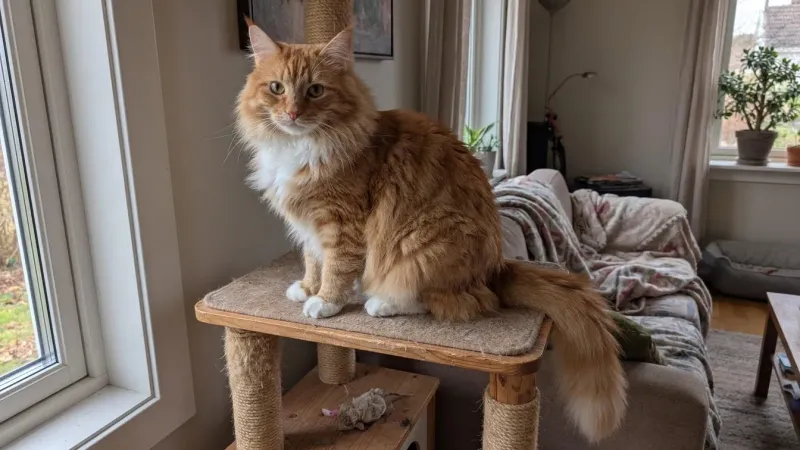
Coat Length: Long · Size: Large · Grooming: 2-3 times weekly · Lifespan: 12-16 years Built with sturdy bones, tufted paws, and water-resistant red-and-white double coats, Norwegian Forest Cats are calm, observant roommates. They prefer sitting nearby rather than demanding constant cuddling, which suits busy first-time owners. A tall, heavy cat tree satisfies their natural climbing urge while keeping their nails off your sofa.
14American Bobtail
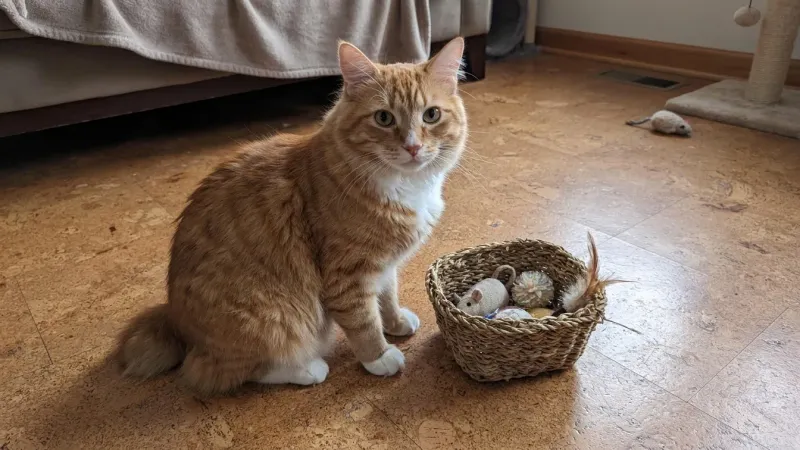
Coat Length: Short or long · Size: Medium to large · Grooming: Weekly brushing · Lifespan: 13-15 years Sporty and expressive, American Bobtails have naturally short, expressive tails and frequently come in red tabby and white coats. They adapt smoothly to new surroundings, enjoy learning to fetch soft toys, and remain quiet neighbors. Weekly combing keeps both their shorthair and medium-long varieties healthy and tangle-free.
15Ragamuffin
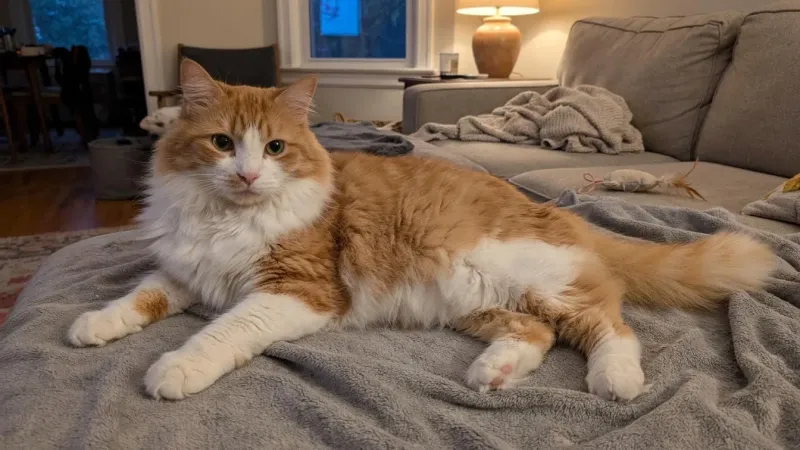
Coat Length: Long · Size: Large · Grooming: 2-3 times weekly · Lifespan: 12-16 years Ragamuffins are plush, sweet-tempered cats that come in almost every color, including bright red-and-white bicolor patterns. They get along peacefully with visitors and adapt well to exclusively indoor living. If you are comparing calm orange cat breeds for first-time owners, their silky, mat-resistant coat and patient nature stand out.
Setting Up a Safe Apartment for Your Bicolor Cat
Even the calmest indoor breed needs vertical territory and mental stimulation to stay happy in a compact apartment. Install sturdy window perches or a tall scratching post so your cat can watch birds safely without clawing furniture, and check out our picks for modern cat trees under 100 dollars to maximize vertical floor space.
Keep everyday apartment hazards out of reach. Lilies, sago palms, and pothos are toxic to cats, as are onions, garlic, chocolate, grapes, and xylitol. Store hair ties, dental floss, and ribbon in closed drawers so curious paws cannot swallow them.
Routine Care and When to Call a Veterinarian
First-time owners should establish a consistent daily feeding schedule with measured wet and dry portions to prevent indoor weight gain. Brush teeth regularly with feline enzymatic toothpaste, trim nail tips every two to three weeks, and keep at least one litter box per cat plus one extra in quiet corners.
Schedule an annual wellness exam with your veterinarian for vaccinations and dental checks. Contact a vet promptly if you notice straining in the litter box, sudden hiding, repeated vomiting, or a drop in appetite lasting more than 24 hours.
Whether you adopt a mixed-breed Domestic Shorthair from a local shelter or choose a pedigreed bicolor cat, orange and white felines bring warmth and steady companionship to apartment life. Focus on matching grooming demands and energy levels to your daily schedule, enrich your indoor space with vertical perches, and build a relationship with a trusted local veterinarian from day one.
Sources: The Cat Fanciers' Association (CFA) · The International Cat Association (TICA) · Cornell Feline Health Center · ASPCA
Frequently asked questions
Is a white and orange cat rare?
Orange and white cats are common rather than rare. Because the red pigment gene and the white spotting gene occur widely across domestic cats and many recognized breeds, bicolor ginger cats appear frequently in shelters and homes.
Are most orange and white cats male?
About 75 to 80 percent of orange cats are male because the orange coat gene sits on the X chromosome. Males only need one copy of the gene to be orange, whereas females must inherit it from both parents.
What is the most common breed of orange and white cat?
The Domestic Shorthair is by far the most common orange and white cat. Among pedigreed breeds, American Shorthairs, British Shorthairs, and Maine Coons frequently display red tabby and white bicolor coats.
Do orange and white cats need special grooming?
Grooming depends on coat length rather than color. Short-haired orange and white cats need weekly brushing, while longhaired varieties require combing two to three times a week to prevent mats and hairballs.

Nathan Brooks
Nathan Brooks runs Farmingzoom to help loving pet owners create safe, enriching homes for their animals. He cares deeply about responsible pet care and focuses on making everyday decisions simpler for fellow owners.…