You can easily enjoy the warm beauty of a ginger coat without dealing with wild midnight zoomies by choosing a breed known for a steady, low-key temperament. While internet memes paint all orange tabbies as chaotic pranksters, coat color alone does not dictate feline personality; genetics, breed background, and early socialization shape how a cat behaves in your living room.
For first-time owners in peaceful households, picking a predictable breed removes the guesswork from pet care. Below are 11 purebred cats that carry the red or cream gene and thrive in calm environments, complete with size, grooming, and lifespan details to help you pick the right match.
| Breed | Origin | Size | Grooming | Lifespan |
|---|---|---|---|---|
| Persian | Iran | Medium (7-12 lbs) | Daily brushing | 12-17 years |
| Exotic Shorthair | United States | Medium (7-12 lbs) | Weekly brushing | 12-15 years |
| British Shorthair | United Kingdom | Medium-Large (9-17 lbs) | Weekly brushing | 12-17 years |
| Ragdoll | United States | Large (10-20 lbs) | 2-3 times weekly | 12-17 years |
| Scottish Fold | Scotland | Medium (6-13 lbs) | Weekly brushing | 11-15 years |
| Selkirk Rex | United States | Medium-Large (6-16 lbs) | 2-3 times weekly | 10-15 years |
| Maine Coon | United States | Large (10-25 lbs) | 2-3 times weekly | 12-15 years |
| American Shorthair | United States | Medium (8-15 lbs) | Weekly brushing | 15-20 years |
| Birman | Myanmar | Medium-Large (6-12 lbs) | Twice weekly | 12-16 years |
| Norwegian Forest Cat | Norway | Large (12-16 lbs) | Weekly brushing | 14-16 years |
| Ragamuffin | United States | Large (10-20 lbs) | 2-3 times weekly | 12-16 years |
1Persian
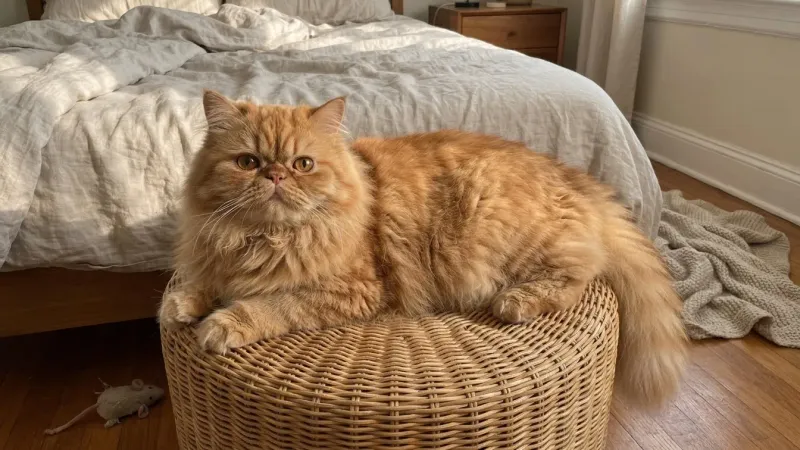
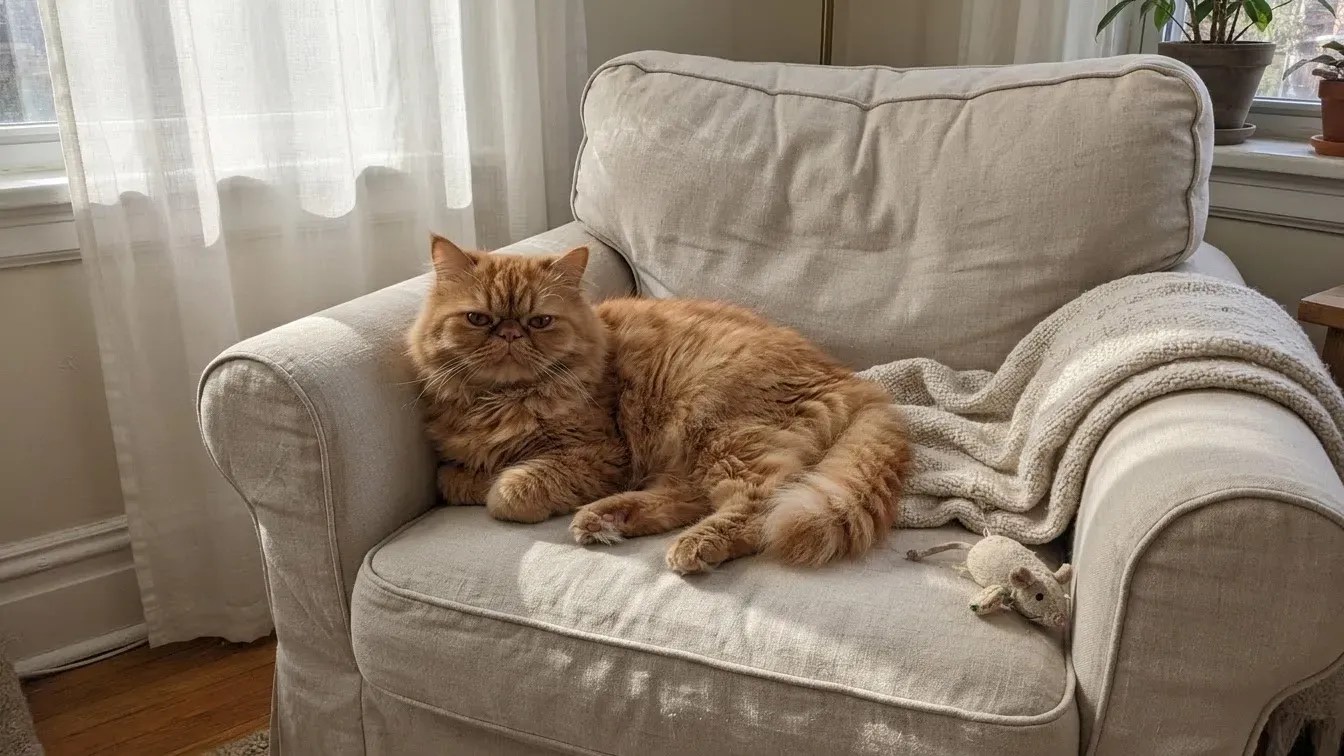
Origin: Iran · Size: Medium (7-12 lbs) · Grooming: Daily brushing · Lifespan: 12-17 years Persians are the gold standard for peaceful indoor living, preferring sunlit cushions over climbing curtains. Red and cream Persians sport luxurious, floor-length coats and sweet, expressive faces. They rarely meow loudly and communicate mostly through gentle eye contact. Because their dense fur mats easily and flat faces require daily eye wiping, beginners must commit to a calm, 10-minute daily grooming routine, which most Persians happily treat as soothing lap time. First-time owners should also screen breeders for polycystic kidney disease (PKD) and avoid extreme flat-faced lines prone to chronic respiratory issues (BOAS), tear-duct overflow, and dental problems.
2Exotic Shorthair
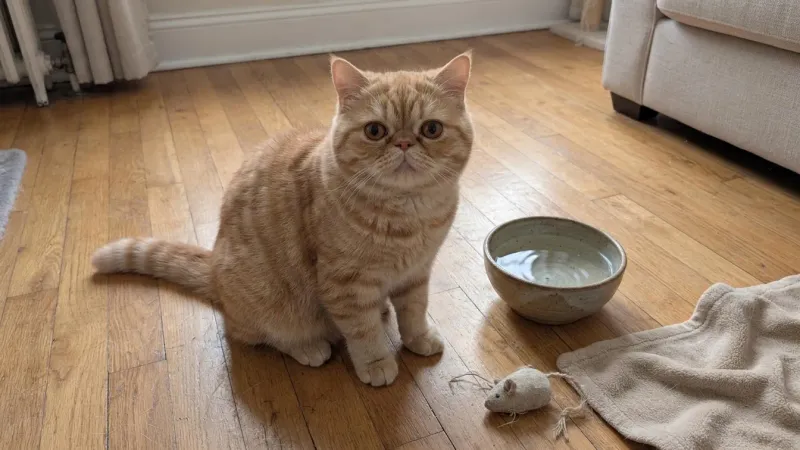
Origin: United States · Size: Medium (7-12 lbs) · Grooming: Weekly brushing · Lifespan: 12-15 years Often called the lazy person's Persian, the Exotic Shorthair shares the Persian's plush, teddy-bear build and quiet demeanor without the heavy coat maintenance. Available in rich red tabby and solid cream shades, this breed loves lounging beside you while you read or work. They enjoy brief bursts of gentle play with a soft feather wand before settling back down for hours of uninterrupted napping in a quiet room.
3British Shorthair
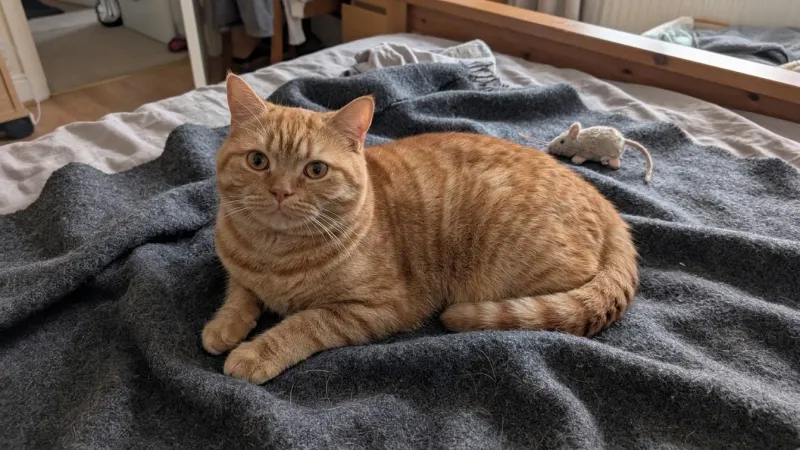
Origin: United Kingdom · Size: Medium-Large (9-17 lbs) · Grooming: Weekly brushing · Lifespan: 12-17 years While famous for blue-gray coats, British Shorthairs also come in striking red tabby and cream varieties with dense, crisp plush fur. They are famously dignified, undemanding companions that prefer sitting next to you on the sofa rather than being carried around. Beginners appreciate their steady nerves and quiet voices, making them ideal if you want affectionate company without constant demands for attention.
4Ragdoll
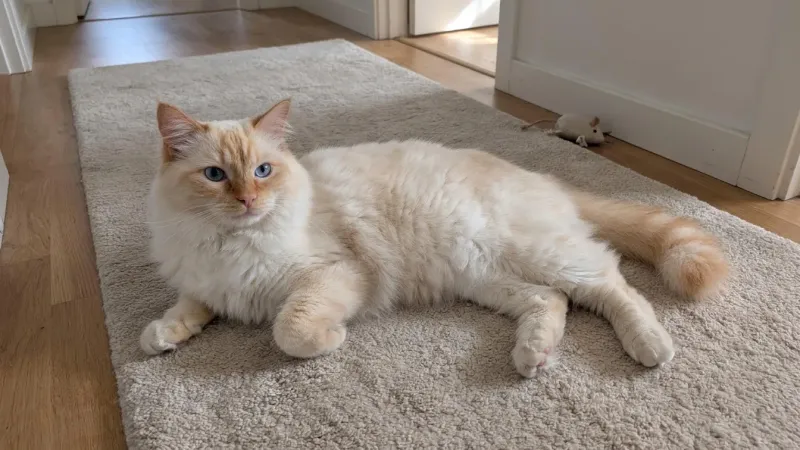
Origin: United States · Size: Large (10-20 lbs) · Grooming: 2-3 times weekly · Lifespan: 12-17 years Flame-point and red-bicolor Ragdolls combine warm ginger accents on their ears, face, and tail with striking blue eyes and silky semi-long coats. Known for going limp when held, Ragdolls are gentle floor-dwellers that rarely jump onto high counters or knock items off shelves. Their soft, polite voices and predictable routines fit seamlessly into quiet homes and apartments where noise control matters.
5Scottish Fold
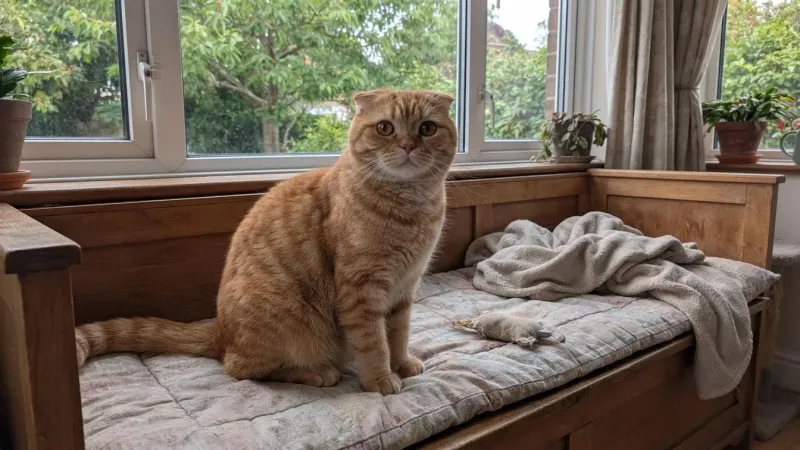
Origin: Scotland · Size: Medium (6-13 lbs) · Grooming: Weekly brushing · Lifespan: 11-15 years Recognizable by their forward-folded ears and round, owl-like eyes, orange tabby Scottish Folds are soft-spoken and deeply attached to their favorite person. They adapt easily to calm routines and rarely display hyperactive behavior. However, the dominant osteochondrodysplasia gene that creates folded ears inevitably causes painful, progressive cartilage and joint disease in all folded-ear cats, so beginners should consider straight-eared Scottish Straights or be prepared for lifelong veterinary pain management.
6Selkirk Rex
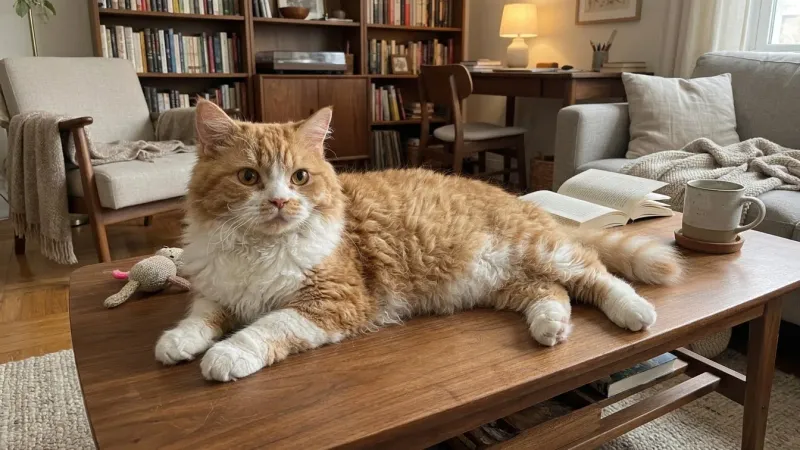
Origin: United States · Size: Medium-Large (6-16 lbs) · Grooming: 2-3 times weekly · Lifespan: 10-15 years With naturally curly, sheep-like fur that comes in vibrant red and cream patterns, the Selkirk Rex has a patient, tolerant nature suited for beginners. They are sturdy, laid-back cats that enjoy quiet cuddles and rarely get startled by everyday household sounds. Gentle combing two or three times a week keeps their loose curls tangle-free without flattening their signature plush texture.
7Maine Coon
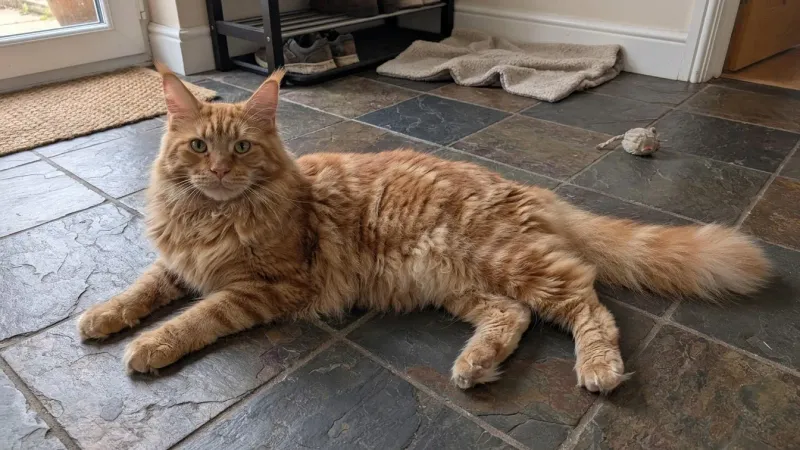
Origin: United States · Size: Large (10-25 lbs) · Grooming: 2-3 times weekly · Lifespan: 12-15 years Red tabby Maine Coons look imposing with their tufted ears and bushy tails, yet they are famously gentle giants with steady, dog-like loyalty. Rather than tearing around the house in chaotic bursts, they prefer following you calmly from room to room and chirping softly. Beginners should invest in a sturdy scratching post and extra-large litter box to accommodate their substantial adult frame comfortably.
8American Shorthair
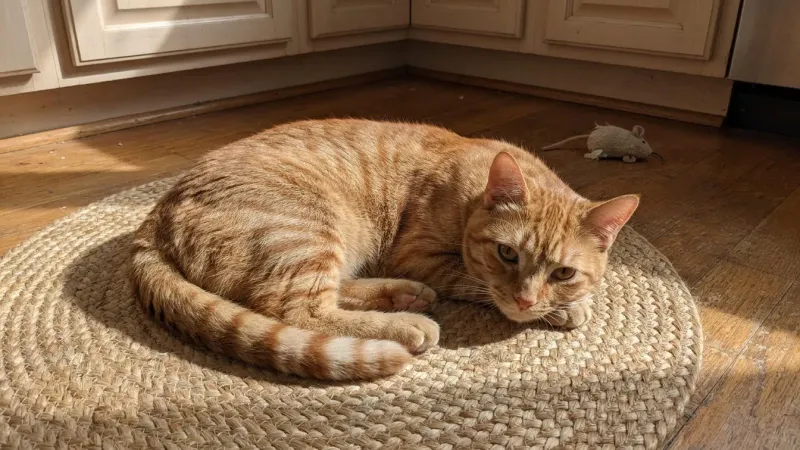
Origin: United States · Size: Medium (8-15 lbs) · Grooming: Weekly brushing · Lifespan: 15-20 years The classic red mackerel or classic tabby American Shorthair offers the iconic ginger look paired with an easygoing, adaptable temperament. Bred originally as working farm cats, modern lines are calm, self-sufficient, and resilient. They entertain themselves quietly with a window perch or crinkle ball while you are busy, then curl up politely at the foot of your bed each evening.
9Birman
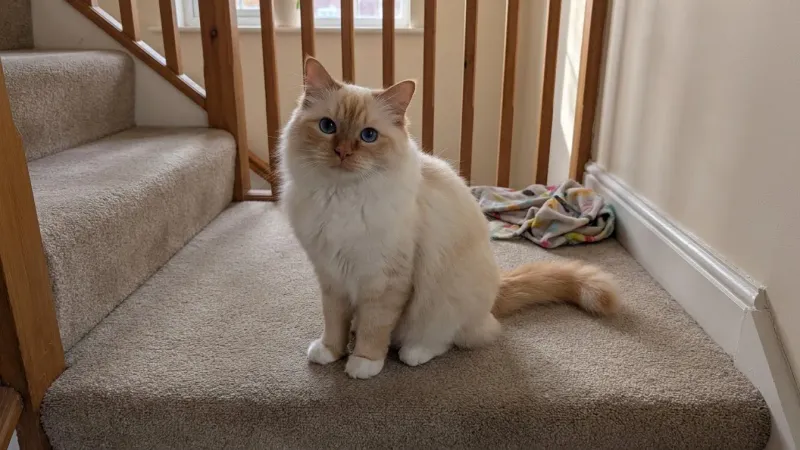
Origin: Myanmar · Size: Medium-Large (6-12 lbs) · Grooming: Twice weekly · Lifespan: 12-16 years Red-point Birmans feature creamy white bodies, warm ginger points, deep blue eyes, and signature white paws. Unlike high-strung vocal breeds, Birmans speak in soft, melodic chirps and prefer peaceful companionship over boisterous play. Their silky semi-long coat has very little undercoat rather than being a true single-layer coat, meaning it resists matting and needs only twice-weekly brushing—a major advantage for first-time cat owners.
10Norwegian Forest Cat
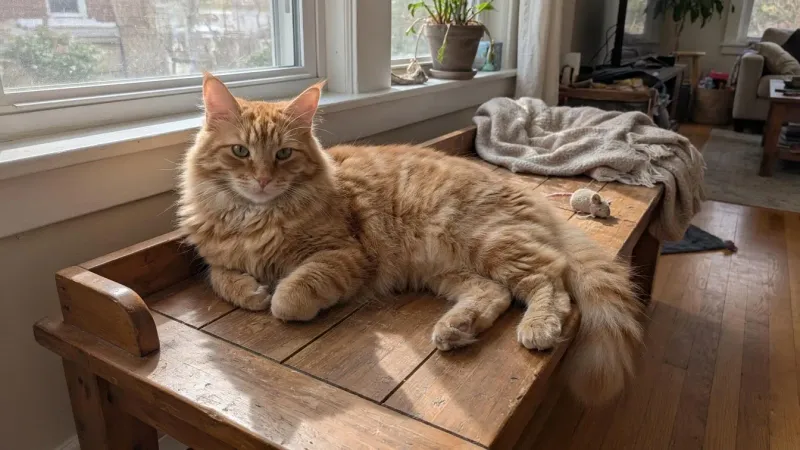
Origin: Norway · Size: Large (12-16 lbs) · Grooming: Weekly brushing · Lifespan: 14-16 years Recognized under breed standards in rich red tabby, solid red, and cream coats, the Norwegian Forest Cat pairs a rugged Nordic appearance with a remarkably calm, gentle temperament. They communicate in soft chirps rather than loud meows and enjoy quiet companionship on their own terms without demanding constant lap time. Despite their thick, water-resistant double coat, weekly brushing keeps tangles away outside of spring shedding.
11Ragamuffin
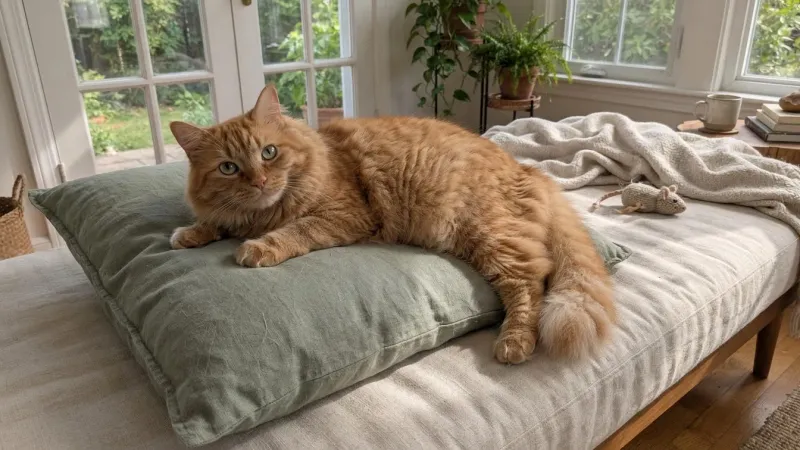
Origin: United States · Size: Large (10-20 lbs) · Grooming: 2-3 times weekly · Lifespan: 12-16 years Closely related to the Ragdoll, the Ragamuffin comes in rich solid red, red tabby, and cream coats with plush, rabbit-soft fur. They are sweet-tempered, patient, and eager to relax in your lap for hours. Because they lack strong street-smart instincts and move at an unhurried pace, Ragamuffins thrive best as strictly indoor companions in calm, predictable households.
How to Set Up a Quiet Home for a First-Time Cat
Even the most laid-back breed needs a predictable environment to feel secure during their first few weeks at home. Start your new cat in a single quiet room equipped with a litter box, fresh water, food bowls placed away from the litter, and a covered bed so they can adjust at their own pace without feeling overwhelmed by open spaces.
Keep household hazards out of reach before bringing your cat inside. Many common houseplants—including true lilies, sago palms, and pothos—are toxic to felines, and human foods like onions, garlic, chocolate, grapes, and raisins can cause serious illness. If you want safe greenery for your cat to nibble, explore safe indoor cat grass alternatives that satisfy their chewing instinct harmlessly.
Daily Care and When to Call a Veterinarian
Calm cats are prone to weight gain if they spend all day lounging, so measure daily portions rather than free-feeding dry kibble, and schedule two short 10-minute wand-toy sessions each day to keep joints healthy. You can also explore best cat breeds for first-time owners to compare routine care habits across different temperaments.
Because mellow breeds often hide discomfort quietly, monitor daily eating, drinking, and litter box habits closely. Schedule an annual wellness exam with a veterinarian, and seek prompt veterinary care if your cat stops eating for more than 24 hours, strains in the litter box, hides unusually, or shows sudden changes in breathing or grooming.
Choosing a calm orange cat breed lets you enjoy a warm ginger companion without sacrificing the peace of your home. Match the breed's grooming level to your weekly schedule, prepare a quiet starter room with safe supplies, and visit a local shelter or reputable breeder to meet adult cats whose steady personalities are already clear.
Sources: Cornell Feline Health Center · ASPCA · International Cat Care · The Cat Fanciers' Association (CFA)
Frequently asked questions
Are orange cats naturally wild and hyperactive?
No. The stereotype of chaotic orange cat energy comes from viral videos rather than biology. Coat color genes do not control behavior; breed genetics, early kitten socialization, and a calm home environment determine how energetic a cat will be.
Are most orange cats male?
Yes, roughly 80 percent of orange cats are male because the orange coat gene sits on the X chromosome. Males only need one copy of the gene to be orange, while females need two, though both sexes can be equally calm and affectionate.
Which calm orange cat breed needs the least grooming?
The Exotic Shorthair, British Shorthair, Scottish Fold, American Shorthair, and Norwegian Forest Cat require the least coat care among calm ginger breeds, needing only weekly brushing to remove loose hair and keep their coats healthy.
Should a first-time owner adopt an orange kitten or an adult cat?
Adopting a calm adult cat aged two years or older is often easier for beginners because their adult temperament and energy level are already established, whereas kittens of any breed go through energetic play phases.

Nathan Brooks
Nathan Brooks runs Farmingzoom to help loving pet owners create safe, enriching homes for their animals. He cares deeply about responsible pet care and focuses on making everyday decisions simpler for fellow owners.…