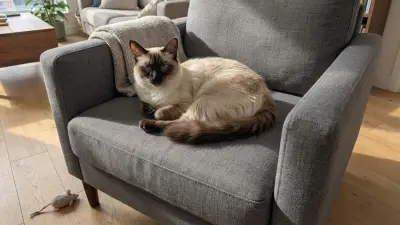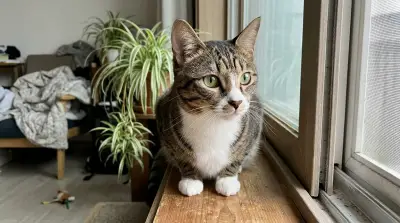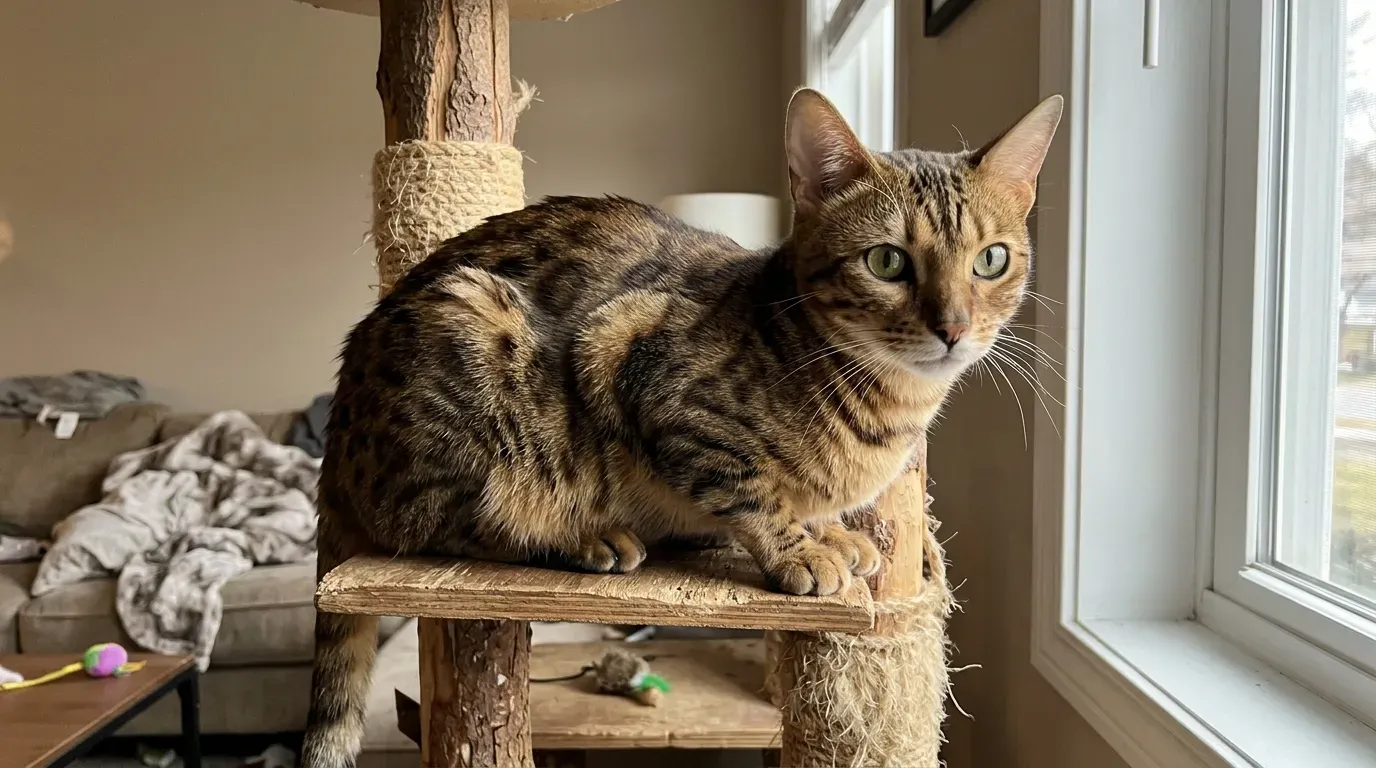
Exotic cat breeds offer the striking spots, marbled coats, and athletic builds of wild felines without sacrificing the warm loyalty of a household companion. Whether you admire true wild-domestic hybrids or domestic cats bred to resemble jungle predators, knowing the genetic background of each breed helps you plan for legal rules, exercise needs, and veterinary care.
Below is a practical breakdown of 11 captivating breeds, separating early-generation hybrids from easygoing domestic lookalikes so you can pick the right match for your home.
| Breed | Type | Origin | Size | Lifespan |
|---|---|---|---|---|
| Bengal | Wild hybrid | United States | Medium to large | 12-16 years |
| Savannah | Wild hybrid | United States | Large | 12-20 years |
| Chausie | Wild hybrid | United States | Large | 12-14 years |
| Ocicat | Domestic lookalike | United States | Medium to large | 12-18 years |
| Egyptian Mau | Natural domestic | Egypt | Medium | 12-15 years |
| Serengeti | Hybrid-derived | United States | Medium to large | 10-15 years |
| Toyger | Domestic lookalike | United States | Medium to large | 10-15 years |
| Cheetoh | Hybrid-derived | United States | Large | 12-15 years |
| Highlander | Hybrid-derived | United States | Medium to large | 10-15 years |
| Bombay | Domestic lookalike | United States | Medium | 12-16 years |
| Pixie-bob | Domestic lookalike | United States | Medium to large | 13-16 years |
1Bengal
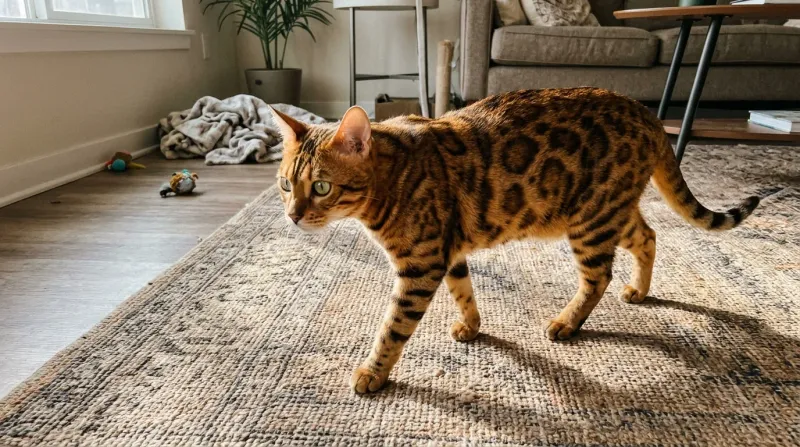
Type: Wild hybrid · Origin: United States · Size: Medium to large · Lifespan: 12-16 years Developed by crossing domestic cats with the Asian leopard cat, the Bengal sports vivid rosettes and a shimmering pelt. Most pet Bengals are at least four generations removed from wild ancestors, making them affectionate, people-focused companions. They love water, learn leash walking quickly, and need daily puzzle toys and tall perches to stay mentally sharp.
2Savannah
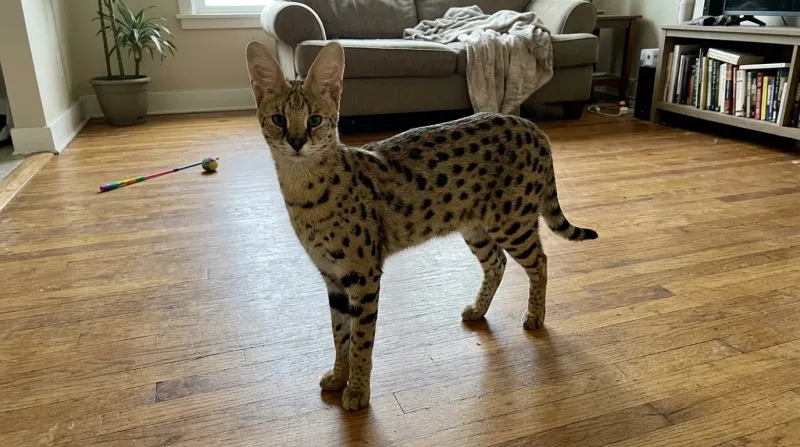
Type: Wild hybrid · Origin: United States · Size: Large · Lifespan: 12-20 years A cross between a domestic cat and an African serval, the Savannah stands tall on long legs with oversized ears and bold black spots. Later-generation cats (F4 and beyond) bond deeply with their families and often greet guests at the door like dogs. Always verify state and city laws before buying, as early generations face strict ownership bans in several regions.
3Chausie
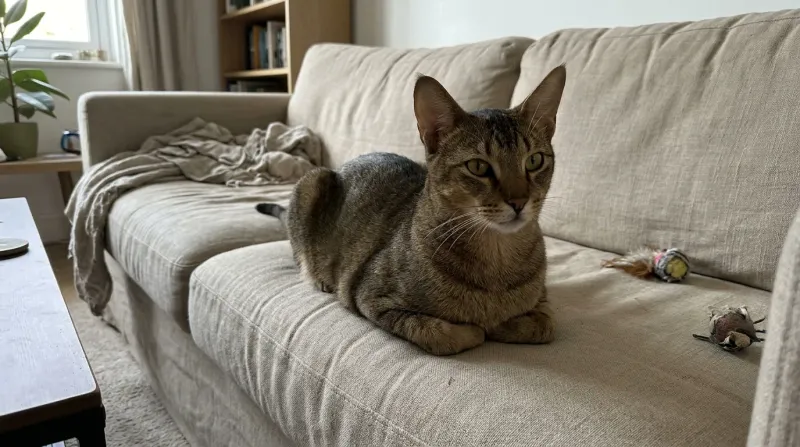
Type: Wild hybrid · Origin: United States · Size: Large · Lifespan: 12-14 years Bred from the wild jungle cat and domestic shorthairs, the Chausie features a lean, muscular body, high cheekbones, and tufted ears. Despite their fierce silhouette, well-socialized Chausies are deeply loyal and dislike being left alone for long workdays. They thrive in active households with secure catios and benefit from grain-free or low-carbohydrate diets recommended by a veterinarian.
4Ocicat
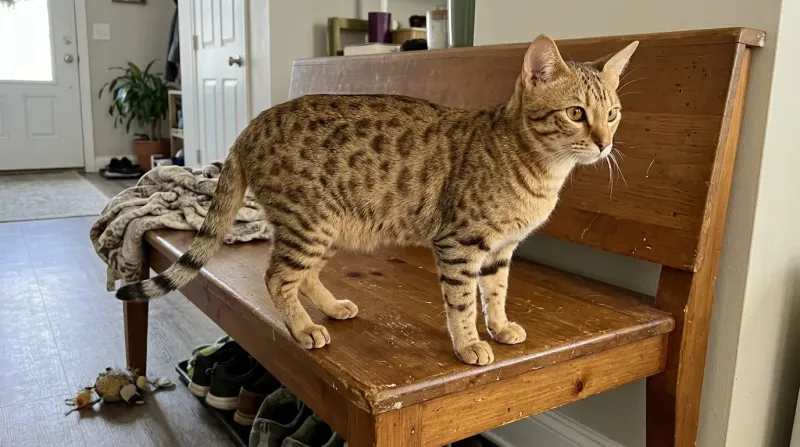
Type: Domestic lookalike · Origin: United States · Size: Medium to large · Lifespan: 12-18 years Named for its resemblance to the wild ocelot, the Ocicat contains zero wild DNA, having been created from Abyssinian, Siamese, and American Shorthair lines. You get dramatic thumbprint spots paired with an outgoing, adaptable housecat temperament. Weekly brushing keeps their sleek coat glossy, and they readily adapt to multi-pet homes and busy family routines.
5Egyptian Mau
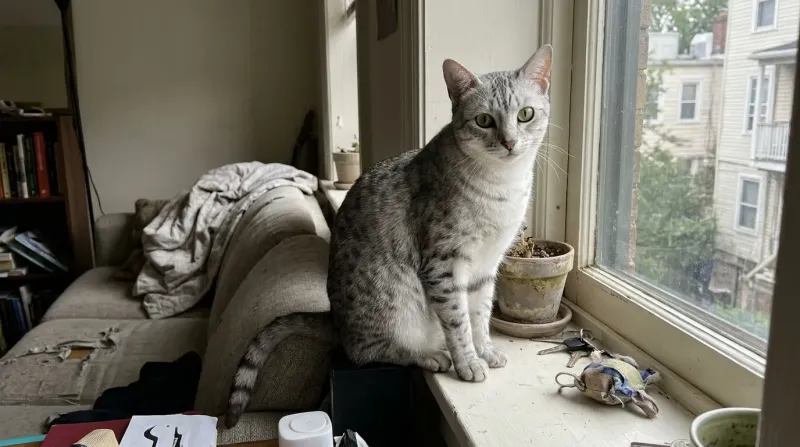
Type: Natural domestic · Origin: Egypt · Size: Medium · Lifespan: 12-15 years One of the few naturally spotted domestic breeds, the Egyptian Mau is famous for its gooseberry-green eyes, worried brow expression, and loose skin flap along the belly that allows bursts of speed up to 30 miles per hour. Devoted to their chosen humans, Maus can be shy around strangers but playful and vocal with family members.
6Serengeti
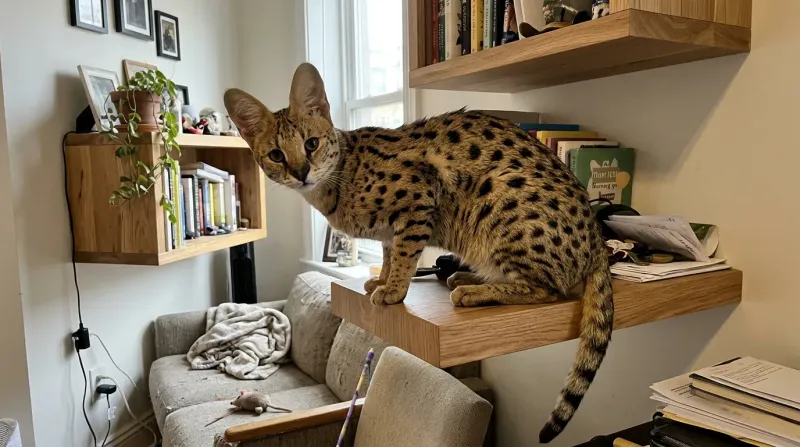
Type: Hybrid-derived · Origin: United States · Size: Medium to large · Lifespan: 10-15 years Created by crossing Bengals with Oriental Shorthairs, the Serengeti captures the long-legged, big-eared profile of an African serval without using any recent wild bloodlines. These confident, agile cats love leaping onto high bookcases and chatting with their owners. Provide sturdy vertical climbing towers and interactive feather toys to channel their impressive athleticism safely indoors.
7Toyger
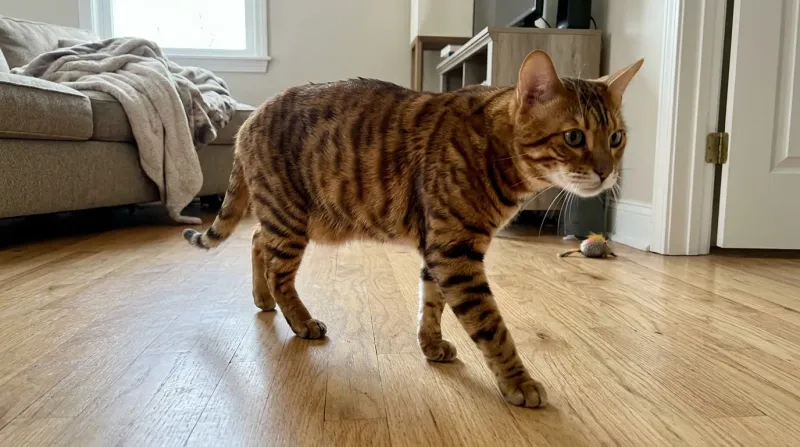
Type: Domestic lookalike · Origin: United States · Size: Medium to large · Lifespan: 10-15 years Carefully selectively bred from domestic mackerel tabbies, the Toyger wears bold vertical tiger stripes, a muscular rolling gait, and rounded ears. Underneath that miniature jungle-cat exterior sits a calm, laid-back companion that gets along wonderfully with children and gentle dogs. Their short plush coat needs minimal grooming, making them easy to care for in apartments.
8Cheetoh
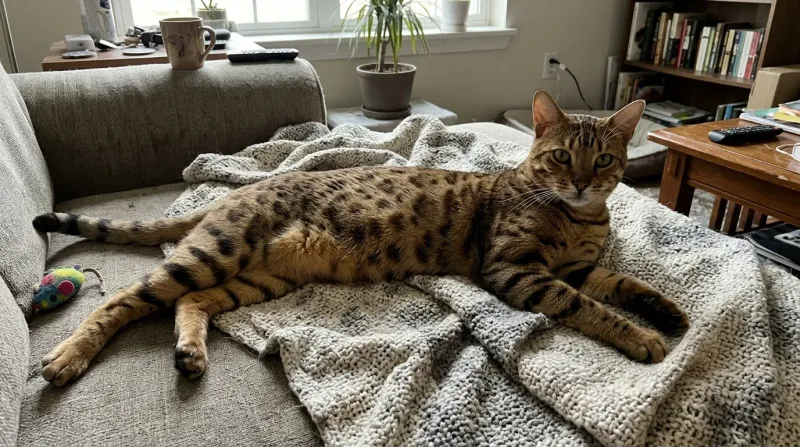
Type: Hybrid-derived · Origin: United States · Size: Large · Lifespan: 12-15 years Combining Bengal and Ocicat bloodlines, the Cheetoh displays striking cheetah-like spots over a large, lithe frame. Breeders selected specifically for docile, affectionate behavior, resulting in a gentle giant that enjoys curling up on laps after playtime. If you love oversized felines, compare them with other big cat breeds that make affectionate pets.
9Highlander
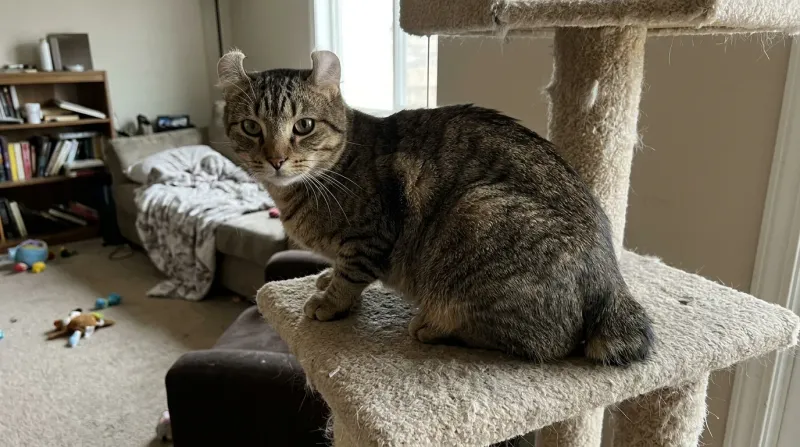
Type: Hybrid-derived · Origin: United States · Size: Medium to large · Lifespan: 10-15 years Recognizable by its loosely curled ears, short bobbed tail, and sturdy lynx-like build, the Highlander was developed from foundation lines that included hybrid stock such as the Desert Lynx and Jungle Curl, pairing wild looks with a sunny, clownish personality. They love following owners from room to room and rarely hide when company visits. Check their curled ears weekly with a vet-approved cleanser to prevent wax buildup without damaging delicate cartilage.
10Bombay
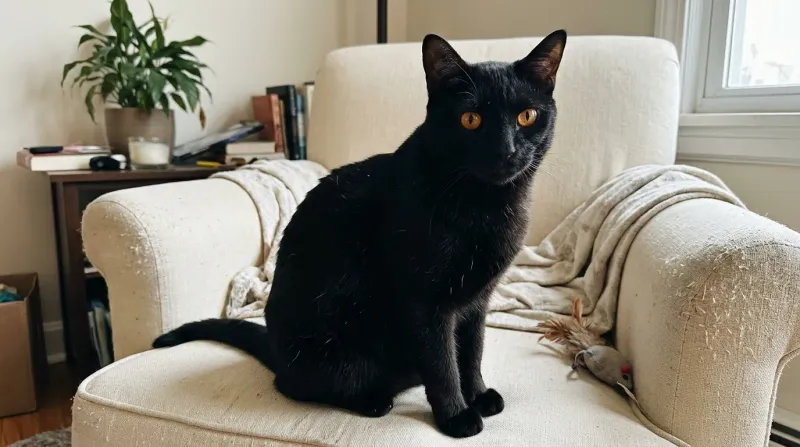
Type: Domestic lookalike · Origin: United States · Size: Medium · Lifespan: 12-16 years Bred to resemble a miniature black panther, the Bombay pairs a patent-leather jet-black coat with glowing copper or gold eyes. Unlike elusive wild panthers, Bombays crave constant human company and happily burrow under blankets at night. Explore more striking black cat breeds if you love sleek, heat-seeking lap companions.
11Pixie-bob
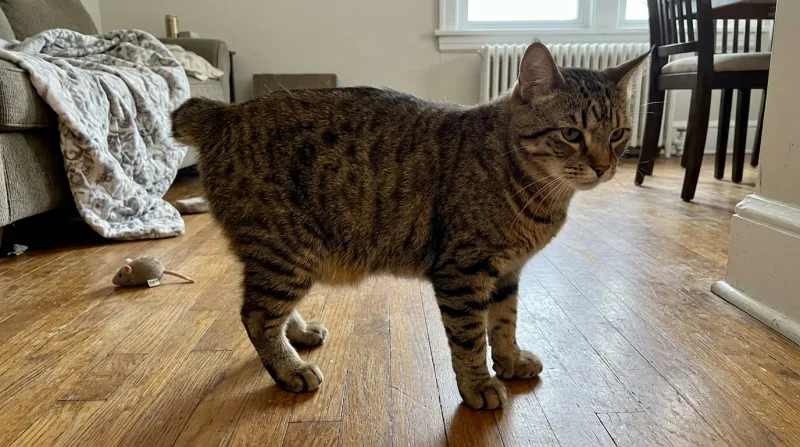
Type: Domestic lookalike · Origin: United States · Size: Medium to large · Lifespan: 13-16 years Bred to resemble the North American bobcat, the Pixie-bob features a naturally short tail, tufted ears, heavy brow, and spotted brown tabby coat—often accompanied by extra toes (polydactyly)—yet DNA testing confirms it is a domestic breed. Known for a dog-like devotion, Pixie-bobs chirp, trill, and happily walk on a leash. Brush their dense double coat weekly and schedule routine heart screenings such as echocardiograms for hypertrophic cardiomyopathy (HCM).
Wild Hybrids vs. Domestic Lookalikes: What You Need to Know
Not every spotted or wild-looking cat carries wild DNA. True hybrids like the Savannah, Bengal, and Chausie come from crossing domestic cats with wild felines such as the serval, Asian leopard cat, or jungle cat. Early generations (labeled F1 through F4) require specialized diets, high-energy enrichment, and extra space, and several U.S. states and municipalities restrict or ban owning early-generation hybrids. Purely domestic lookalikes—such as the Ocicat, Toyger, and Egyptian Mau—deliver the exact same jungle aesthetic with predictable litter box habits, standard dietary needs, and zero legal red tape.
Before bringing any exotic breed home, check state and local ordinances, review your homeowners insurance policy, and locate a veterinarian comfortable treating hybrid genetics. Keep toxic household plants like lilies, sago palms, and tulips completely out of reach, as athletic climbers can access high shelves easily.
Daily Enrichment and Care for High-Energy Exotic Cats
Wild-looking breeds often inherit higher stamina and stronger hunting drives than average housecats. Schedule two 15-minute interactive wand-toy sessions each day to prevent boredom-related scratching or nocturnal vocalizing. Outfitting your living room with sturdy vertical territory—such as heavy-duty cat trees built for large breeds—gives muscular jumpers a safe outlet for climbing and surveying their home.
Feed a balanced, veterinarian-approved commercial diet rich in animal protein, and introduce any new food gradually over seven to ten days to avoid stomach upset. Never feed raw poultry or meat without consulting your vet first, as raw diets carry bacterial risks for both pets and people. Annual wellness exams and routine dental care keep these athletic cats thriving well into their senior years.
Choosing among exotic cat breeds comes down to matching a cat's energy level and legal requirements with your daily lifestyle. Domestic lookalikes like the Ocicat, Toyger, and Bombay offer wild beauty with straightforward indoor care, while hybrids like the Bengal and Savannah reward active owners who invest in enrichment and check local regulations first. Always consult a licensed veterinarian before adopting to prepare for breed-specific health screenings.
Frequently asked questions
What is the most exotic type of cat you can own?
Early-generation Savannah cats (F1 or F2), which are direct descendants of the African serval, are widely considered the most exotic legal pet cats. They feature tall, slender bodies, oversized ears, and bold spots, though strict state and city permits often apply.
Why do some exotic cat breeds cost up to $20,000 or more?
First-generation (F1) Savannahs and rare early-generation hybrids can cost $10,000 to $20,000 or higher because breeding domestic cats with wild servals involves low fertility rates, specialized enclosures, and complex care. Later generations and domestic lookalikes typically range from $800 to $3,500.
Are wild-looking cat breeds safe around young children?
Domestic lookalikes such as the Ocicat, Toyger, Bombay, and Pixie-bob are generally gentle, patient, and well-suited for families with children. Early-generation wild hybrids have intense prey drives and high energy, making them better suited for experienced adult households.
Do exotic cat breeds need a special raw meat diet?
Most later-generation hybrids and all domestic lookalikes thrive on high-protein, AAFCO-balanced commercial cat foods. Some early-generation hybrids may need tailored nutrition, so always work with your veterinarian rather than feeding unbalanced homemade raw meat.

Nathan Brooks
Nathan Brooks runs Farmingzoom to help loving pet owners create safe, enriching homes for their animals. He cares deeply about responsible pet care and focuses on making everyday decisions simpler for fellow owners.…