Big cat breeds combine impressive frames with deeply affectionate, people-oriented personalities, making them wonderful indoor companions. While an average house cat weighs 8 to 10 pounds, these larger breeds typically reach 10 to 20 pounds or more once fully grown, depending on sex and bloodline.
Unlike wild felines or high-strung hybrids that require specialized enclosures, the 12 domestic breeds below thrive in standard family homes. Many take three to five years to reach their full adult muscle and bone structure, rewarding patient owners with decades of loyalty. Use the quick comparison table below to match each breed's weight, coat care, and activity needs with your household.
| Breed | Adult Weight | Origin | Grooming | Maturity |
|---|---|---|---|---|
| Maine Coon | 10–25 lbs (males 15–25 lbs; females 10–15 lbs) | United States | Moderate | 3–5 years |
| Ragdoll | 10–20 lbs | United States | Moderate | 3–4 years |
| Norwegian Forest Cat | 12–20 lbs | Norway | High seasonal | 3–5 years |
| Siberian | 10–20 lbs | Russia | High seasonal | 3–5 years |
| Ragamuffin | 10–20 lbs | United States | Moderate | 4 years |
| American Bobtail | 10–16 lbs | United States | Low–Moderate | 2–3 years |
| British Shorthair | 9–18 lbs | United Kingdom | Low | 3–5 years |
| Turkish Van | 10–20 lbs | Turkey | Low–Moderate | 3–5 years |
| Chartreux | 9–16 lbs | France | Low | 3–4 years |
| Selkirk Rex | 9–16 lbs | United States | Moderate | 1–2 years |
| Pixie-Bob | 8–17 lbs | United States | Low–Moderate | 3–4 years |
| Birman | 10–15 lbs | Myanmar | Moderate | 2–3 years |
1Maine Coon
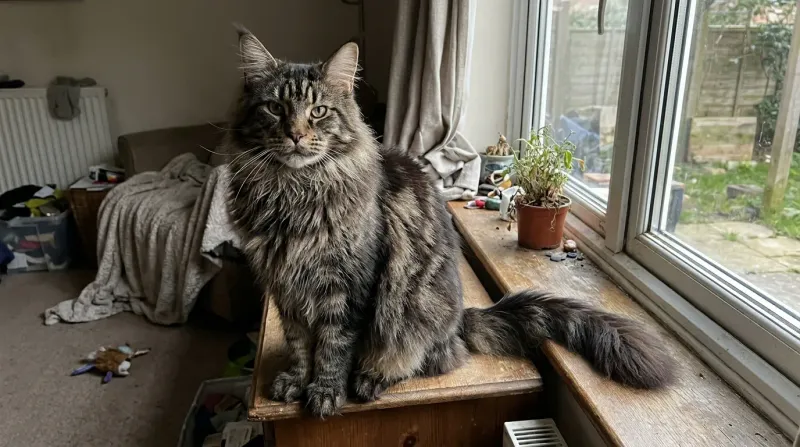
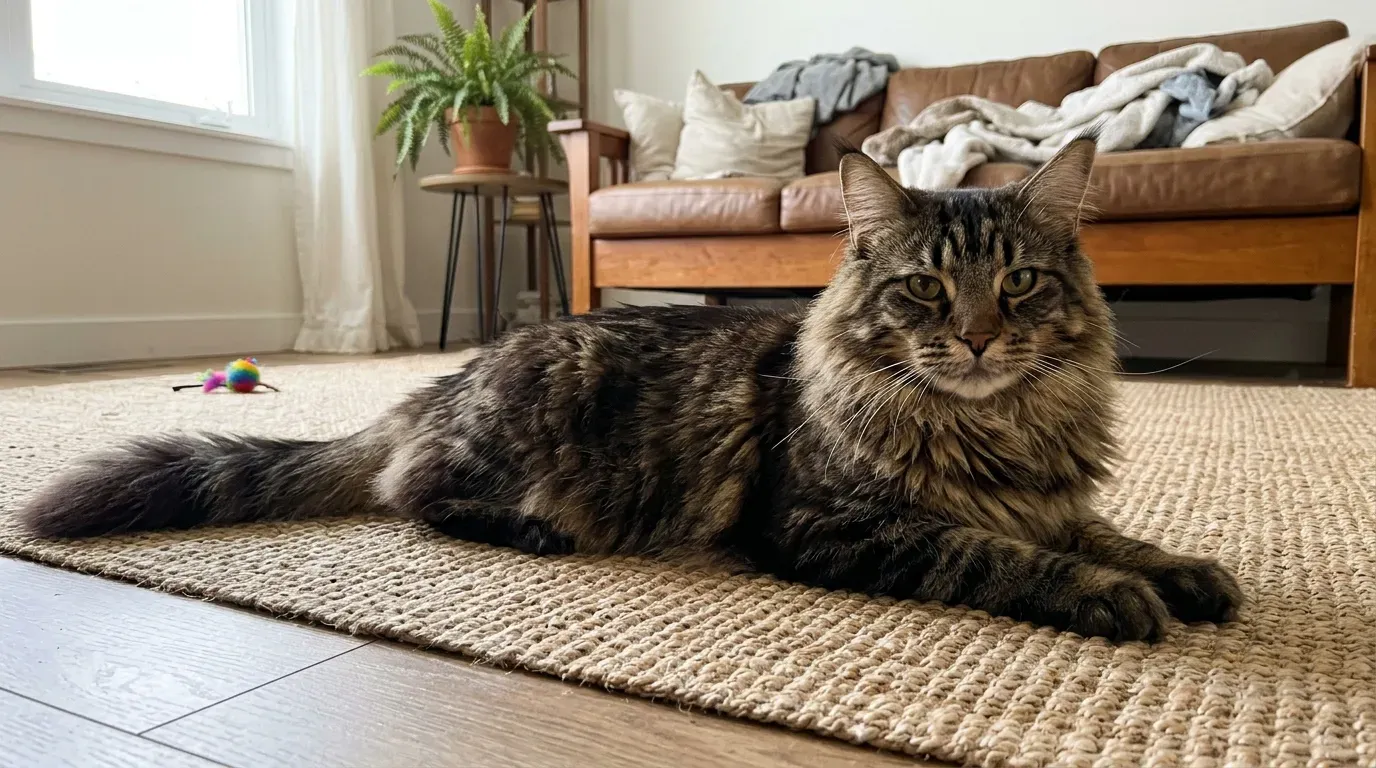
Adult Weight: 10–25 lbs (males 15–25 lbs; females 10–15 lbs) · Origin: United States · Grooming: Moderate · Maturity: 3–5 years America's native gentle giant pairs a rugged, rectangular frame with a sweet, chirping voice. Maine Coons have tufted ears, bushy tails, and water-resistant coats that need brushing twice a week to prevent tangles behind the legs. They love following family members from room to room, playing fetch, and lounging near the action rather than demanding constant lap time.
2Ragdoll
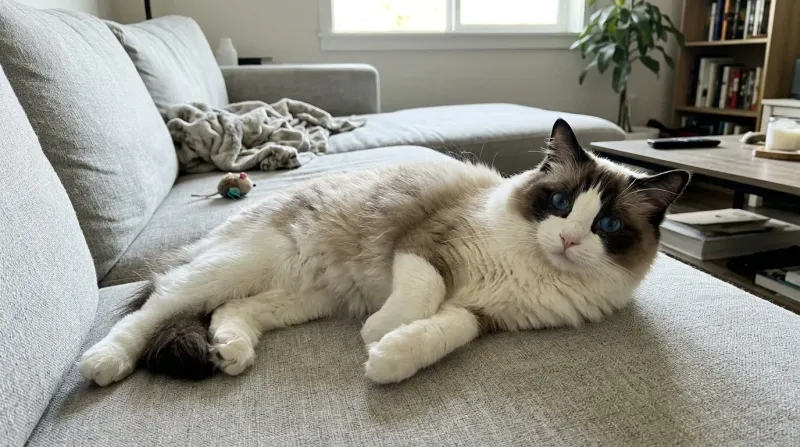
Adult Weight: 10–20 lbs · Origin: United States · Grooming: Moderate · Maturity: 3–4 years Famous for going limp in your arms, the Ragdoll has striking blue eyes and a plush, silky coat that rarely mats despite its length. Comb the fur twice weekly to remove loose undercoat. Ragdolls thrive on human company, greet you at the door, and get along gently with respectful children and calm dogs, making them top family cat breeds.
3Norwegian Forest Cat
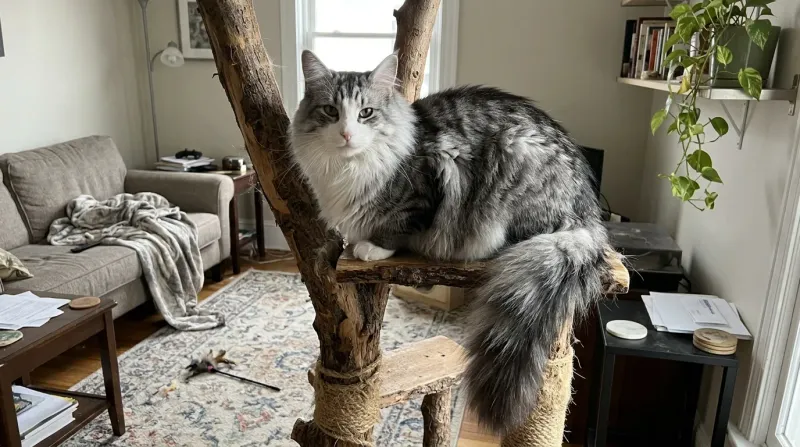
Adult Weight: 12–20 lbs · Origin: Norway · Grooming: High seasonal · Maturity: 3–5 years Built for Scandinavian winters, this sturdy climber sports a dense double coat, woolly britches, and snowshoe-like tufts between its toes. Brush weekly year-round and daily during spring and fall shedding seasons. Beneath that wild exterior lies a patient, affectionate companion who enjoys perching on high bookshelves to watch the household.
4Siberian
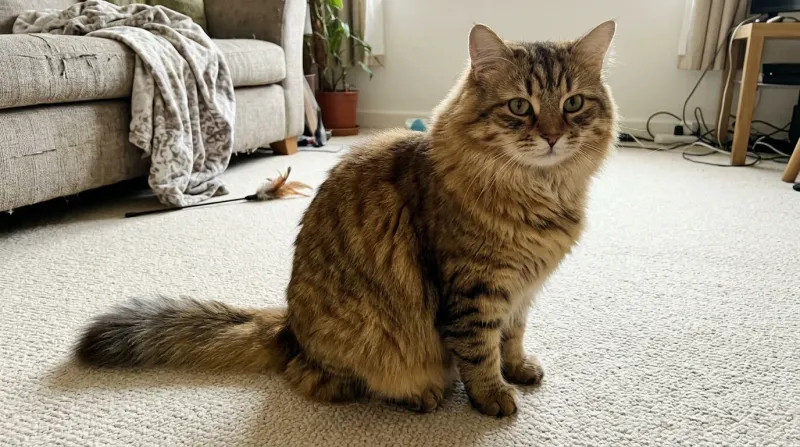
Adult Weight: 10–20 lbs · Origin: Russia · Grooming: High seasonal · Maturity: 3–5 years Barrel-chested and remarkably agile, the Siberian leaps effortlessly onto tall wardrobes before curling up purring in your lap. Its thick triple coat sheds heavily twice a year and benefits from regular slicker brushing. Many allergy sufferers tolerate Siberians better than other breeds because they often produce lower levels of the Fel d 1 protein.
5Ragamuffin
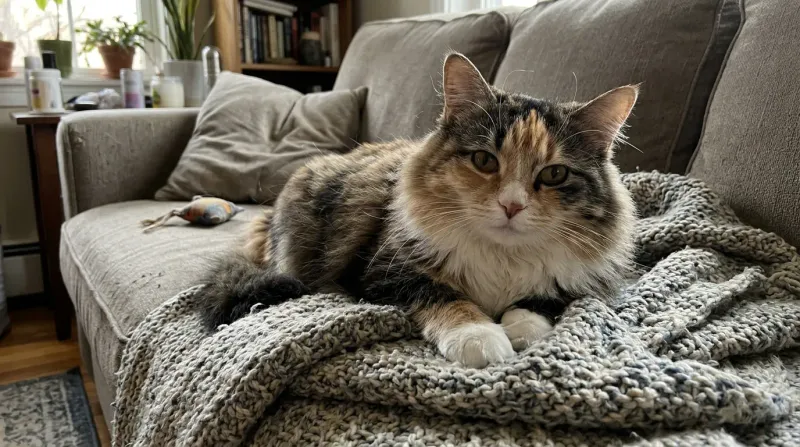
Adult Weight: 10–20 lbs · Origin: United States · Grooming: Moderate · Maturity: 4 years Closely related to the Ragdoll, the Ragamuffin features a rounder face, walnut-shaped eyes, and a bunny-soft coat available in dozens of colors and patterns. A quick brush twice a week keeps its fur tangle-free. These laid-back cats adore being held like babies, adapt easily to apartment living, and stay playful well into their senior years.
6American Bobtail
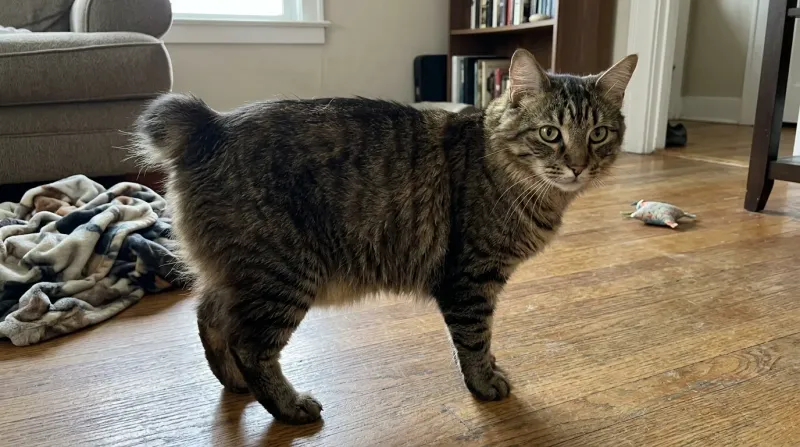
Adult Weight: 10–16 lbs · Origin: United States · Grooming: Low–Moderate · Maturity: 2–3 years Recognizable by its expressive, naturally short tail and muscular build, the American Bobtail acts much like a devoted dog. Both shorthaired and longhaired varieties exist, requiring once- or twice-weekly brushing. They love interactive puzzle toys, leash walks in secure harnesses, and curling up beside their favorite people at night.
7British Shorthair
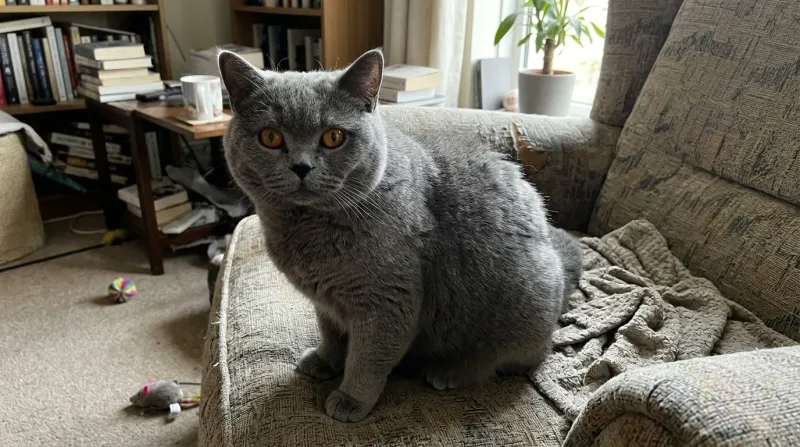
Adult Weight: 9–18 lbs · Origin: United Kingdom · Grooming: Low · Maturity: 3–5 years Chunky cheeks, copper eyes, and a dense, plush coat give the British Shorthair its signature teddy-bear look. Weekly brushing with a rubber grooming mitt keeps its crisp coat tidy, making it one of the easiest low-grooming short-haired breeds to maintain. They prefer sitting right beside you on the sofa rather than being carried around.
8Turkish Van
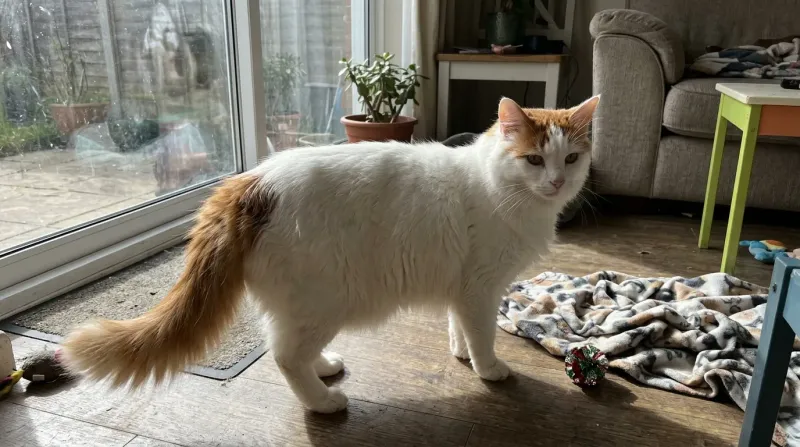
Adult Weight: 10–20 lbs · Origin: Turkey · Grooming: Low–Moderate · Maturity: 3–5 years Broad-shouldered and athletic, the Turkish Van wears a cashmere-soft white coat accented by color on its head and tail. Because it lacks a heavy undercoat, weekly combing prevents knots easily. Known for a fascination with dripping faucets and shallow water bowls, this energetic cat bonds deeply with one or two favorite humans.
9Chartreux
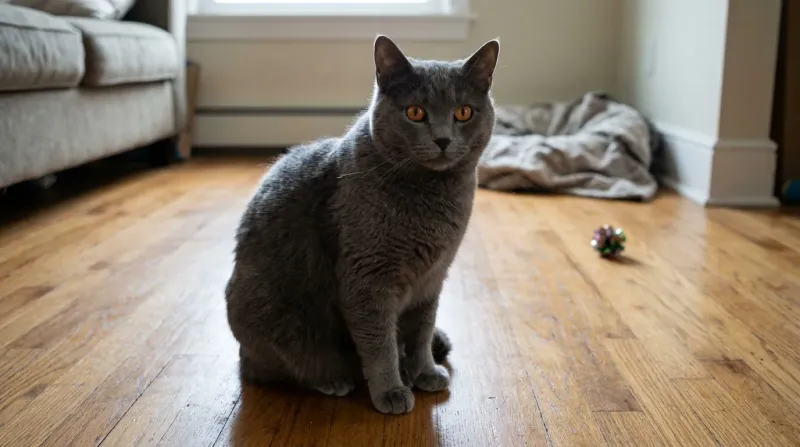
Adult Weight: 9–16 lbs · Origin: France · Grooming: Low · Maturity: 3–4 years Often called a potato on toothpicks, this historic French breed combines a heavy, muscular torso with relatively fine-boned, medium-short legs and a woolly blue-gray coat. Gentle weekly combing protects its water-repellent texture. Quiet and observant, the Chartreux communicates with soft chirps and happily follows you from room to room without demanding constant attention.
10Selkirk Rex
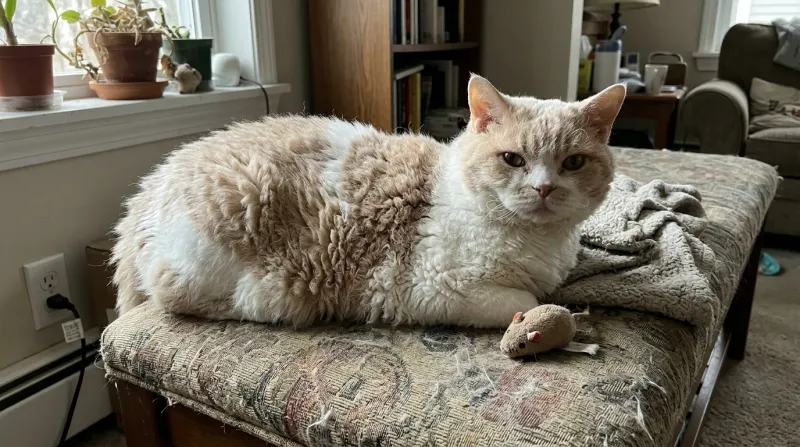
Adult Weight: 9–16 lbs · Origin: United States · Grooming: Moderate · Maturity: 1–2 years Heavy-boned and round-headed, the Selkirk Rex stands out for its plush, loosely curled coat that even curls its whiskers. Comb gently twice a week with a wide-toothed comb so you do not pull out the natural ringlets. Patient, cuddly, and endlessly tolerant, this breed thrives in busy households with kids and gentle pets.
11Pixie-Bob
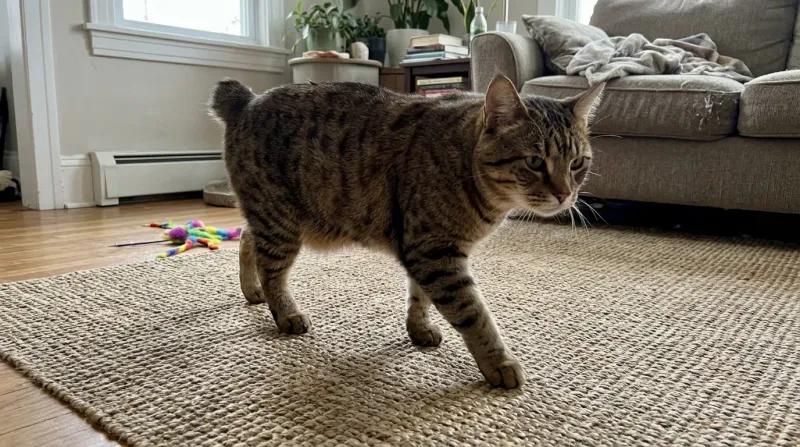
Adult Weight: 8–17 lbs · Origin: United States · Grooming: Low–Moderate · Maturity: 3–4 years Despite its bobcat-inspired spotted coat, ear tufts, and short tail, the Pixie-Bob is a fully domestic breed with a mellow heart. Weekly brushing keeps its thick coat healthy. Pixie-Bobs chirp and chatter rather than meow loudly, enjoy walking on a harness, and stay fiercely loyal to their human families.
12Birman
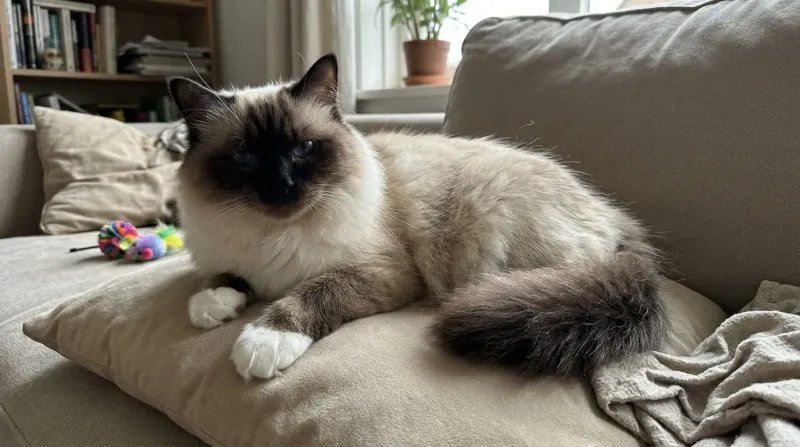
Adult Weight: 10–15 lbs · Origin: Myanmar · Grooming: Moderate · Maturity: 2–3 years Sturdy and medium-large, the Birman wears a silky colorpoint coat with pure white paws that look like neat mittens. Its silky semi-longhaired coat lacks a thick undercoat, which helps it resist matting and needs just one or two weekly combings. Calm, affectionate, and deeply social, Birmans greet guests warmly and get lonely if left alone all day without a companion.
Preparing Your Home for a Large Cat
Standard pet gear often falls short once a cat passes 15 pounds. Narrow litter boxes force big cats to perch awkwardly on the rim, leading to spills or box avoidance. Choose extra-large, open-top litter pans at least 22 inches long, and upgrade to ceramic or stainless-steel bowls wide enough to prevent whisker fatigue.
Vertical territory matters just as much as floor space. Flimsy perches wobble under heavy landings, so invest in heavy-duty cat trees built for large cats with wide platforms and thick sisal posts. Place beds near sunny windows and keep breakable decor off narrow shelves, as broad tails sweep tabletops effortlessly.
Feeding and Health Care for Gentle Giants
Large breeds grow slowly, often filling out until age four or five. Feed high-protein kitten food for the first 12 to 18 months as recommended by your veterinarian, then transition to measured adult portions. Extra body weight puts serious strain on large joints, so ask your vet to show you how to score your cat's body condition rather than relying solely on the scale.
Certain big breeds carry inherited health risks. Maine Coons, Ragdolls, and British Shorthairs have higher rates of hypertrophic cardiomyopathy (HCM), a heart muscle condition, while heavy frames can predispose cats to hip dysplasia. Schedule annual wellness exams, request genetic screening records from breeders, and never give human joint supplements or pain relievers, which can be fatal to cats.
Choosing among big cat breeds comes down to matching your daily routine with the right coat care and energy level. Whether you prefer a plush British Shorthair or an interactive Maine Coon, provide oversized litter boxes, sturdy climbing towers, and regular veterinary checkups so your gentle giant stays comfortable for years.
Frequently asked questions
What is the biggest domestic cat breed?
The Maine Coon is widely recognized as the largest non-hybrid domestic cat breed. Adult males regularly weigh 15 to 25 pounds and can measure up to 40 inches from nose to tail tip, while females typically weigh 10 to 15 pounds.
Are big cat breeds good for apartments?
Yes, calm large breeds like the Ragdoll, Ragamuffin, and British Shorthair adapt very well to apartments. Even active giants like Maine Coons thrive indoors as long as you provide sturdy vertical cat trees, oversized litter boxes, and daily interactive play.
How long does it take a large breed cat to stop growing?
Most large domestic cat breeds grow much more slowly than average house cats, taking three to five years to reach their full adult height, muscle mass, and coat length. Your veterinarian can help you adjust food portions as their growth slows.
Do big cats eat more than regular cats?
Yes, a 16- to 20-pound cat needs more daily calories than an 8-pound cat, though less per pound than a smaller, faster-metabolizing feline. Always measure meals according to your veterinarian's calorie target to prevent obesity and joint strain.

Nathan Brooks
Nathan Brooks runs Farmingzoom to help loving pet owners create safe, enriching homes for their animals. He cares deeply about responsible pet care and focuses on making everyday decisions simpler for fellow owners.…