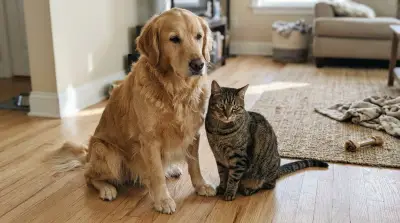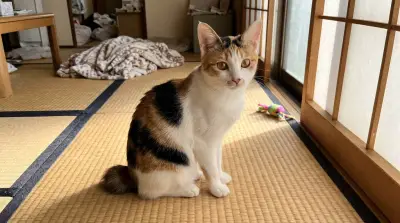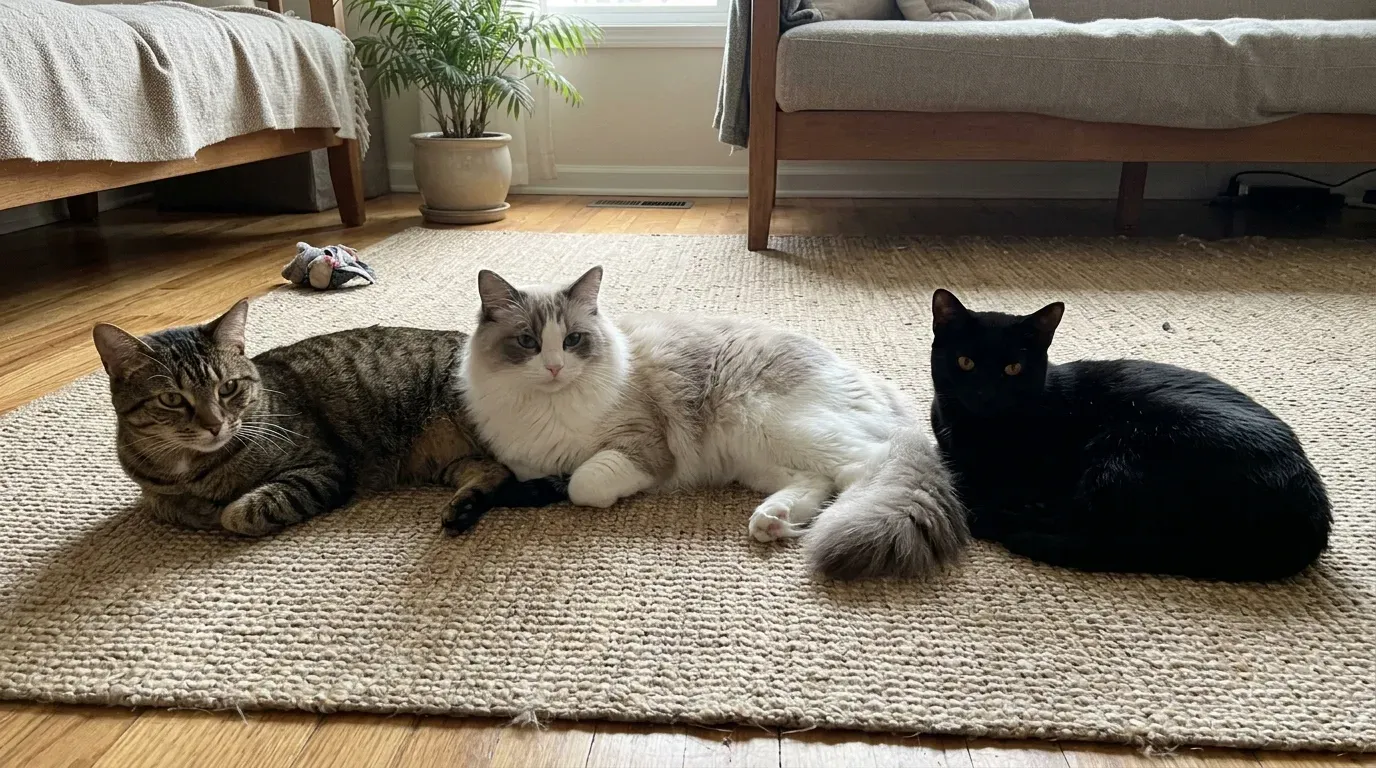
The Domestic Shorthair is the single most common cat type in households and shelters, followed closely by popular pedigreed favorites like the American Shorthair, Maine Coon, Ragdoll, and Siamese. Whether you adopt a mixed-breed rescue or choose a registered pedigree from one of the 73 breeds recognized by The International Cat Association (TICA), knowing what to expect from each cat helps you prepare for years of companionship.
Below is a side-by-side comparison of the 15 most common cat breeds and types, breaking down their origins, adult sizes, grooming routines, and typical lifespans so you can match a cat to your home and schedule.
| Breed / Type | Origin | Size | Grooming | Lifespan |
|---|---|---|---|---|
| Domestic Shorthair | Global (Mixed) | Medium (8–15 lbs) | Weekly | 12–20 years |
| American Shorthair | United States | Medium to large (8–15 lbs) | Weekly | 15–20 years |
| Domestic Longhair | Global (Mixed) | Medium to large (8–16 lbs) | Daily | 12–18 years |
| Maine Coon | United States | Large (10–25 lbs) | 2–3 times weekly | 12–15 years |
| Ragdoll | United States | Large (10–20 lbs) | 2–3 times weekly | 12–17 years |
| Siamese | Thailand | Medium (8–12 lbs) | Weekly | 15–20 years |
| British Shorthair | United Kingdom | Medium to large (9–18 lbs) | Weekly | 12–20 years |
| Persian | Iran | Medium (7–12 lbs) | Daily | 12–17 years |
| Bengal | United States | Medium to large (8–15 lbs) | Weekly | 12–16 years |
| Abyssinian | Ethiopia / Southeast Asia | Medium (6–10 lbs) | Weekly | 12–15 years |
| Scottish Fold | Scotland | Medium (6–13 lbs) | Weekly | 11–15 years |
| Sphynx | Canada | Medium (6–12 lbs) | Biweekly baths | 10–15 years |
| Russian Blue | Russia | Medium (7–12 lbs) | Weekly | 15–20 years |
| Bombay | United States | Medium (8–15 lbs) | Weekly | 12–16 years |
| Norwegian Forest Cat | Norway | Large (12–20 lbs) | 2–3 times weekly | 14–16 years |
1Domestic Shorthair
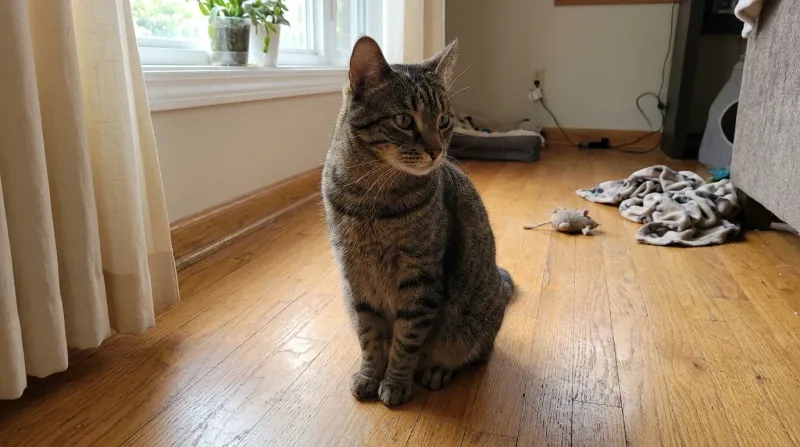
Origin: Global (Mixed) · Size: Medium (8–15 lbs) · Grooming: Weekly · Lifespan: 12–20 years The Domestic Shorthair accounts for the vast majority of household cats and shelter rescues. Because they carry diverse mixed genetics rather than a single pedigree, they appear in nearly every coat pattern, from classic tabby to tuxedo and calico. Their temperaments range from independent lap warmers to playful explorers, making it easy to find an adult rescue whose personality already matches your home. Weekly brushing removes loose fur and keeps their dense coat shiny.
2American Shorthair
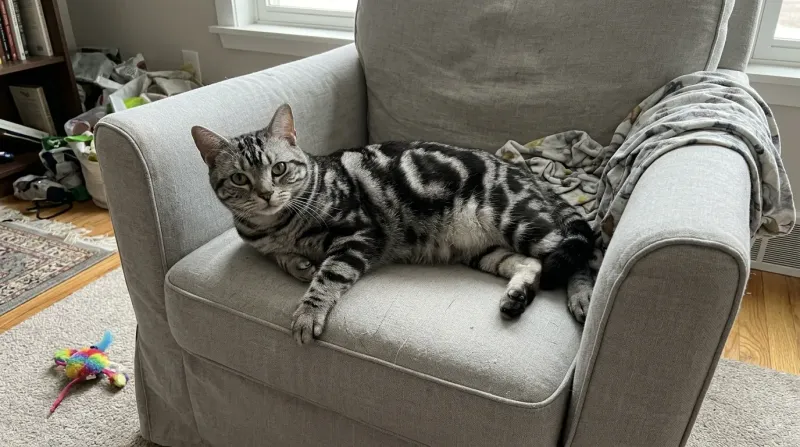
Origin: United States · Size: Medium to large (8–15 lbs) · Grooming: Weekly · Lifespan: 15–20 years Descended from working cats brought to North America to protect cargo from rodents, the pedigreed American Shorthair is sturdy, adaptable, and famously easygoing. Best known for its silver tabby coat with bold black markings, this breed enjoys interactive play sessions followed by long naps near family members. They tolerate children and calm dogs well without demanding constant attention. Brush their thick, short coat once a week, especially during spring and fall shedding seasons.
3Domestic Longhair
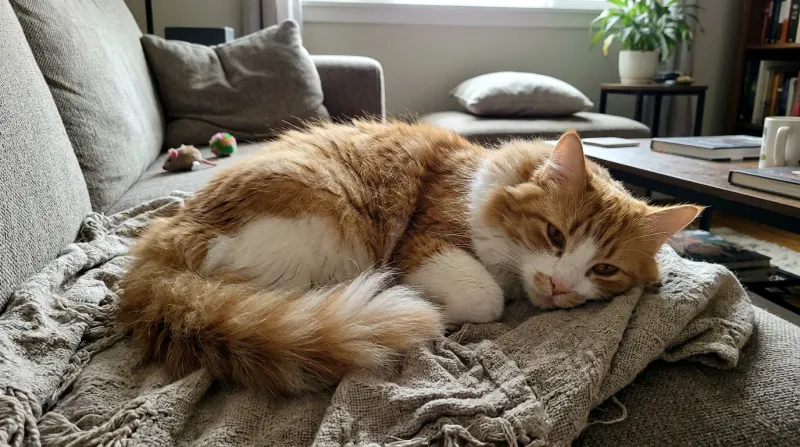
Origin: Global (Mixed) · Size: Medium to large (8–16 lbs) · Grooming: Daily · Lifespan: 12–18 years Domestic Longhairs are mixed-breed cats with flowing, plush coats and bushy tails. Like their shorthaired cousins, they have varied genetics that often support sturdy general health, alongside personalities that lean gentle and affectionate. Their long fur lacks the uniform texture of purebred coats, meaning it tangles easily around the belly, armpits, and hindquarters. Plan on five to ten minutes of daily combing with a metal wide-tooth comb to prevent painful mats and reduce hairballs.
4Maine Coon
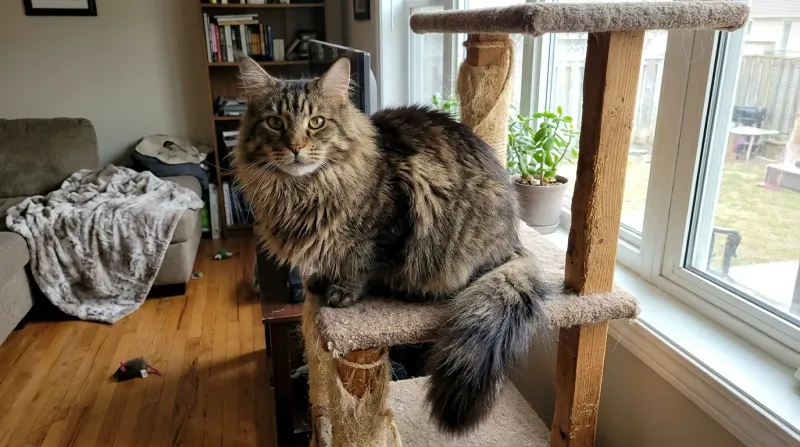
Origin: United States · Size: Large (10–25 lbs) · Grooming: 2–3 times weekly · Lifespan: 12–15 years Famous as one of the big cat breeds that make affectionate household pets, the Maine Coon pairs a rugged, tufted appearance with a sweet, sociable disposition. Often called gentle giants, they frequently chirp and trill rather than meow and love following their owners from room to room. Their water-resistant, shaggy coat resists matting better than many longhaired breeds, though it still needs combing two or three times a week. Ask your vet about heart screenings, as the breed carries a risk for hypertrophic cardiomyopathy.
5Ragdoll
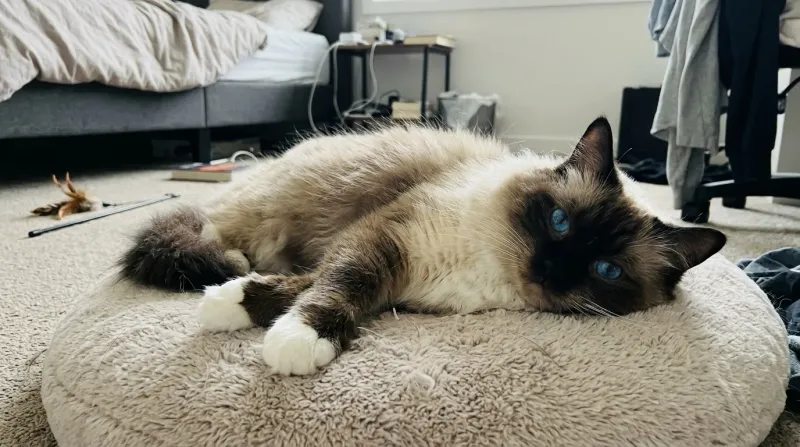
Origin: United States · Size: Large (10–20 lbs) · Grooming: 2–3 times weekly · Lifespan: 12–17 years Ragdolls earned their name from their habit of going limp and relaxed when scooped up in your arms. With striking blue eyes, silky medium-long coats, and colorpoint markings, they are calm, floor-oriented cats that prefer lounging beside you over scaling high bookshelves. Their plush coat lacks a dense undercoat, so combing twice a week usually prevents knots. Because they are trusting and docile, Ragdolls should always live strictly indoors. Prospective owners should ask breeders for negative DNA test results for the Ragdoll hypertrophic cardiomyopathy (HCM) mutation and polycystic kidney disease (PKD), and schedule routine veterinary heart checks.
6Siamese
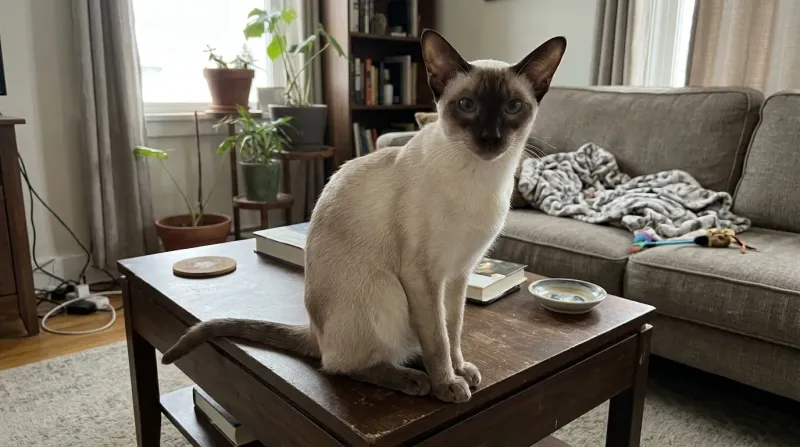
Origin: Thailand · Size: Medium (8–12 lbs) · Grooming: Weekly · Lifespan: 15–20 years Sleek, athletic, and deeply devoted, the Siamese is famous for its sapphire-blue eyes, dark face mask, and loud, expressive voice. These cats bond tightly with their favorite people and will happily hold long conversations while shadowing you around the house. Because they crave social interaction, they do best in homes where someone is around often or with another playful feline companion. Their fine, short coat requires minimal brushing, though regular dental care is essential.
7British Shorthair
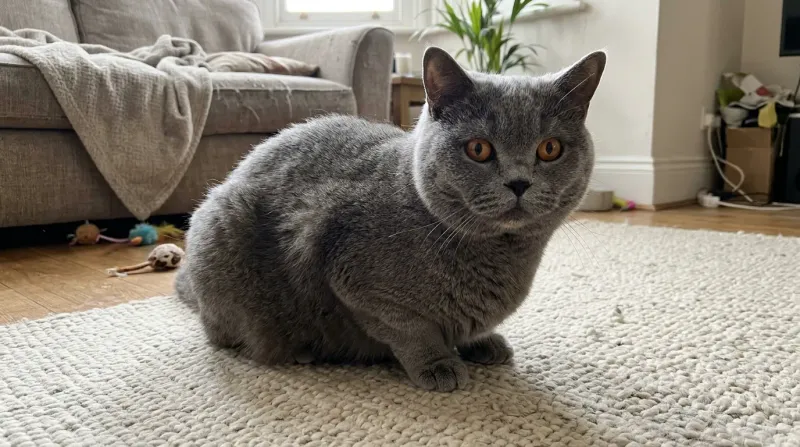
Origin: United Kingdom · Size: Medium to large (9–18 lbs) · Grooming: Weekly · Lifespan: 12–20 years Recognizable by its round cheeks, copper eyes, and dense, plush blue-gray coat, the British Shorthair is a calm and dignified companion. They enjoy being in the same room as their family but rarely demand to be carried or held on your lap for hours. Their quiet, steady nature makes them ideal for apartment living and busy professionals. Weekly brushing keeps their thick undercoat tidy, and measured meal portions help prevent excess weight gain.
8Persian
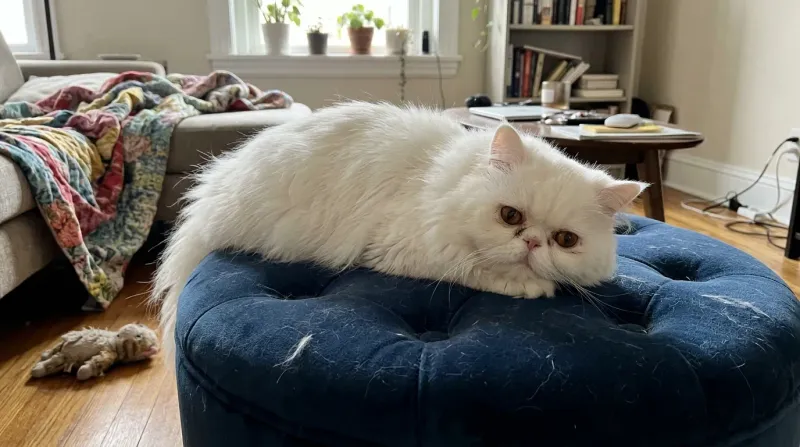
Origin: Iran · Size: Medium (7–12 lbs) · Grooming: Daily · Lifespan: 12–17 years Persians are prized for their sweet, flat faces, large round eyes, and glamorous, floor-sweeping coats. They thrive in quiet, predictable households where they can lounge on soft cushions and enjoy gentle petting. Owning a Persian requires a serious grooming commitment: daily combing prevents severe mats, and their tear ducts need gentle wiping every day to prevent staining. Extreme flat-faced (peke-face) Persians are predisposed to brachycephalic obstructive airway syndrome, chronic tear-duct blockage, corneal ulcers, and dental misalignment, so they require careful health screening and cool, air-conditioned spaces.
9Bengal
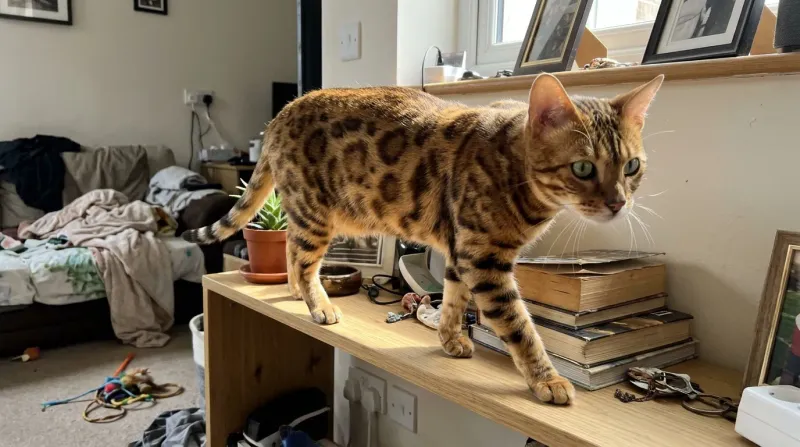
Origin: United States · Size: Medium to large (8–15 lbs) · Grooming: Weekly · Lifespan: 12–16 years With a wild, leopard-spotted pelt and muscular build, the Bengal brings high energy and sharp intelligence into the home. Developed by crossing domestic cats with the Asian leopard cat, Bengals love climbing high perches, playing fetch, and even splashing in running water. They quickly grow bored without structured daily play, puzzle toys, and sturdy vertical territory. Their short, glittering pelt sheds very little and stays sleek with a quick weekly brush. Before acquiring a Bengal, check state and local laws, as early-generation hybrids (F1–F3) are restricted or illegal in several jurisdictions.
10Abyssinian
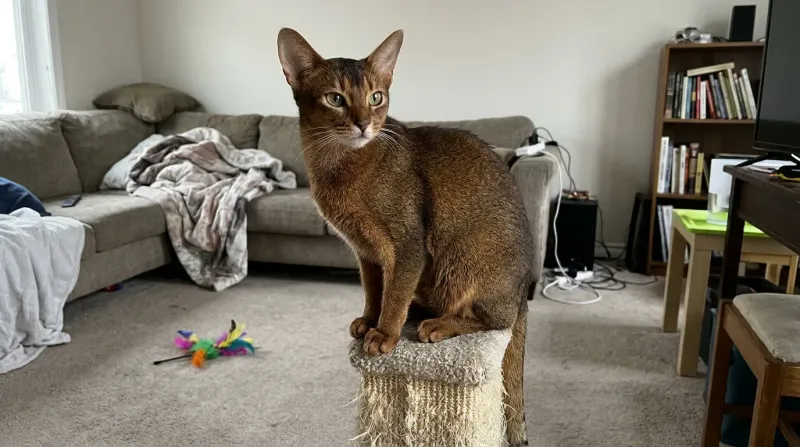
Origin: Ethiopia / Southeast Asia · Size: Medium (6–10 lbs) · Grooming: Weekly · Lifespan: 12–15 years One of the oldest known feline breeds, the Abyssinian sports a warm, ticked coat that shimmers with bands of color on every hair shaft. Slender, agile, and endlessly curious, these cats inspect every open cabinet and love perched vantage points where they can watch the household. They are affectionate and loyal without being overly clingy, preferring active engagement over passive lap time. A weekly rubdown with a soft bristle brush keeps their fine coat gleaming.
11Scottish Fold
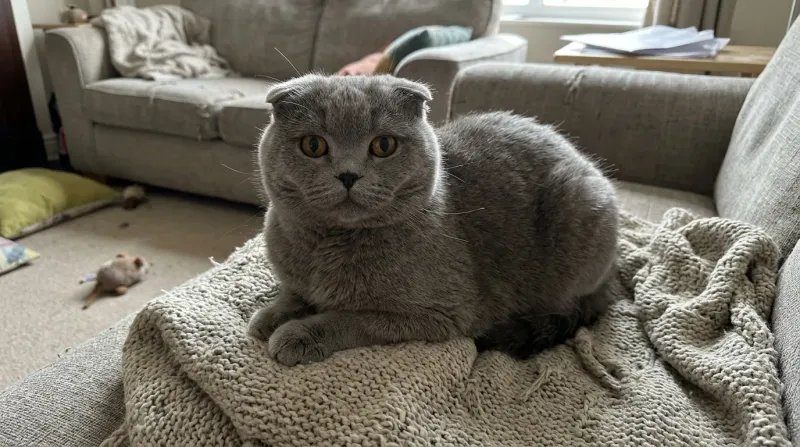
Origin: Scotland · Size: Medium (6–13 lbs) · Grooming: Weekly · Lifespan: 11–15 years Known for their owl-like round faces and ears that fold forward and down, Scottish Folds have gentle, adaptable temperaments. They enjoy soft toys, moderate play, and curling up next to their owners on the couch. The dominant genetic mutation that causes their folded ears also causes osteochondrodysplasia, a painful degenerative cartilage and bone disorder that affects all folded-ear cats to varying degrees—and breeding two folded-ear cats together should be avoided due to severe skeletal deformities. Work closely with a veterinarian to monitor mobility and check their folded ears weekly for wax buildup.
12Sphynx
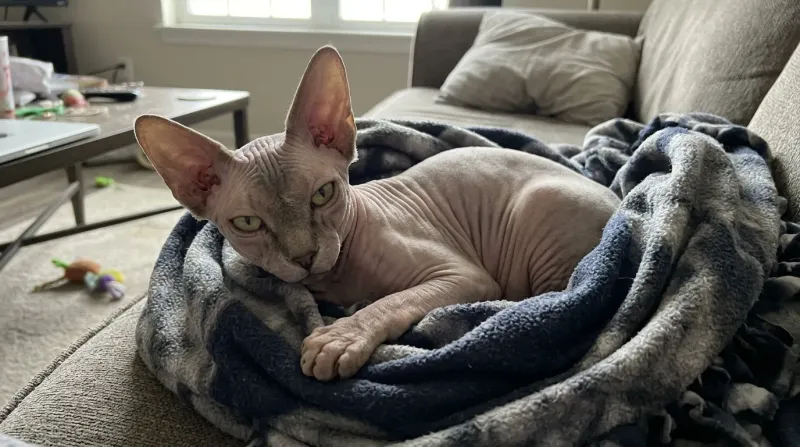
Origin: Canada · Size: Medium (6–12 lbs) · Grooming: Biweekly baths · Lifespan: 10–15 years Hairless and covered in warm, peach-fuzz skin, the Sphynx is an extroverted clown that craves body heat and human attention. They greet guests at the door, burrow under blankets, and wrap themselves around your shoulders like a scarf. Without fur to absorb natural body oils, Sphynx cats need regular skin and ear cleaning to prevent greasy buildup, though bathing too frequently strips protective oils and can worsen oiliness—biweekly baths with gentle wipe-downs in between often work best. Keep them indoors away from sunburn and chilly drafts, and schedule routine cardiac screening for hypertrophic cardiomyopathy.
13Russian Blue
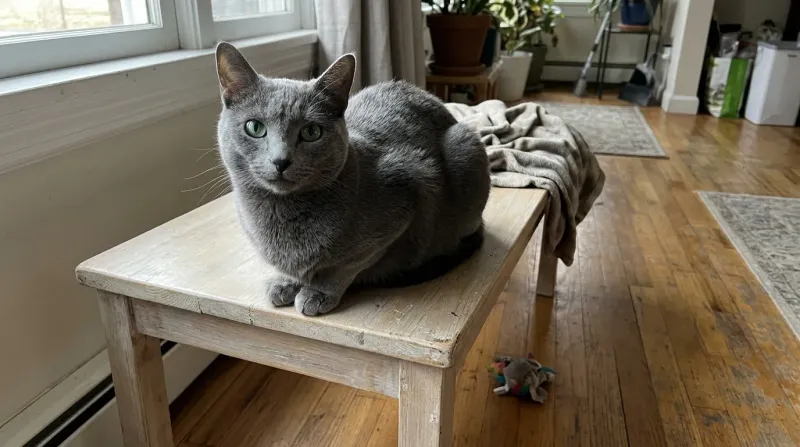
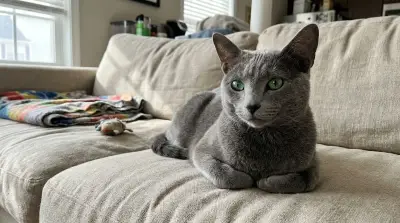
Origin: Russia · Size: Medium (7–12 lbs) · Grooming: Weekly · Lifespan: 15–20 years Dressed in a shimmering silver-blue double coat with vivid green eyes, the Russian Blue is gentle, observant, and sensitive to household routines. While they can be shy around noisy visitors, they form deep, loyal bonds with their immediate family and love quiet games of fetch. Their plush coat stands out slightly from the body and needs only weekly brushing to stay smooth. Stick to consistent feeding times, as Russian Blues appreciate predictability.
14Bombay
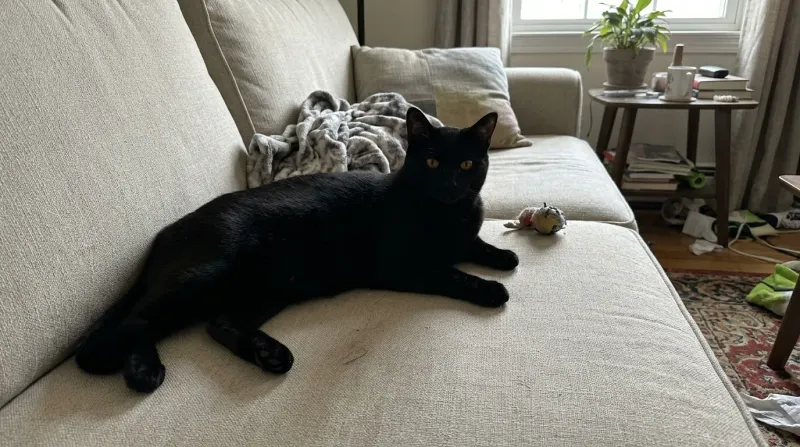
Origin: United States · Size: Medium (8–15 lbs) · Grooming: Weekly · Lifespan: 12–16 years Bred to resemble a miniature black panther, the Bombay combines a jet-black, satin coat and bright copper eyes with an outgoing, affectionate personality. Unlike shy cats that hide when company arrives, Bombays happily greet visitors and love sleeping under the covers with their humans. They adapt smoothly to apartments and multi-pet homes as long as they get daily attention. A quick weekly pass with a rubber grooming brush removes loose hairs and boosts shine.
15Norwegian Forest Cat
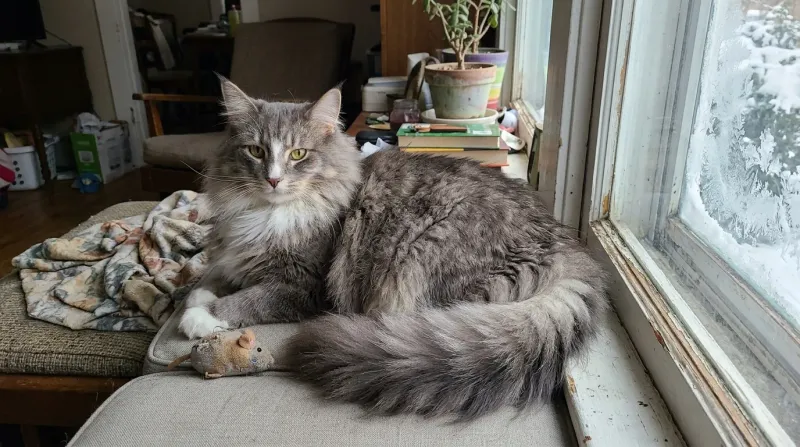
Origin: Norway · Size: Large (12–20 lbs) · Grooming: 2–3 times weekly · Lifespan: 14–16 years Built to endure harsh Scandinavian winters, the Norwegian Forest Cat boasts a thick, water-repellent double coat, tufted ears, and powerful climbing claws. Despite their rugged woodland look, they are sweet, patient companions that enjoy family life while maintaining a touch of independence. They love tall cat trees where they can survey the room from above. Brush their dense coat two or three times a week, increasing to daily during their heavy spring shed.
Mixed-Breed Domestic Cats vs. Pedigreed Breeds
Many adopters wonder why Domestic Shorthairs and Domestic Longhairs appear alongside recognized pedigrees. Unlike purebred cats bred for predictable traits, domestic shorthairs and longhairs have mixed ancestry and make up the vast majority of shelter cats. Because of their wide genetic pool, they often enjoy strong overall health and show a huge variety of coat colors and personalities.
Pedigreed cats, on the other hand, come from documented bloodlines with consistent body shapes, coat textures, and temperaments. If you are deciding which route fits your household, explore our guide on the best cat breeds for families and first-time owners to compare predictability with adoption options.
Essential Care Tips for Every Cat Owner
Regardless of breed, every cat thrives on consistent preventive care, mental stimulation, and a safe indoor environment. Follow these core habits to keep your companion healthy:
- Schedule annual vet visits: Routine exams, dental checks, and vaccinations catch hidden issues early, especially in breeds prone to heart or joint conditions. Contact your vet right away if your cat stops eating, hides suddenly, or struggles in the litter box.
- Keep toxic hazards out of reach: Common items like lilies, onions, garlic, chocolate, grapes, raisins, xylitol, and human pain relievers are poisonous to cats.
- Match enrichment to energy levels: Active breeds need tall climbing trees and daily wand play, while laid-back cats still need puzzle feeders to prevent weight gain.
Choosing among the most common cat breeds comes down to matching a cat's daily grooming and energy needs with your household rhythm. Whether you adopt a resilient Domestic Shorthair from a local shelter or bring home a gentle Ragdoll or playful Bengal, preparing a safe indoor space and partnering with a trusted veterinarian sets your new companion up for a long, healthy life.
Frequently asked questions
What is the single most common cat breed in the world?
The Domestic Shorthair is the most common type of cat worldwide. Rather than a single registered pedigree, Domestic Shorthairs are mixed-breed cats that make up the vast majority of household pets and shelter animals, prized for their wide variety of coat colors, sturdy health, and adaptable personalities.
Which common cat breeds require the least grooming?
Short-coated breeds with sleek, low-shedding fur—such as the Domestic Shorthair, Siamese, Bengal, Abyssinian, and Bombay—require the least grooming. Brushing them once a week with a soft bristle or rubber brush removes loose hair and distributes skin oils without daily detangling.
What are the friendliest common cat breeds for families?
The Ragdoll, Maine Coon, American Shorthair, Bombay, and Domestic Shorthair are widely known for their patient, sociable temperaments. They typically tolerate gentle handling from children, enjoy being near daily household activity, and adapt well to living alongside calm family dogs.
Are mixed-breed cats healthier than pedigreed cat breeds?
Mixed-breed cats like Domestic Shorthairs and Domestic Longhairs benefit from a broad gene pool, which often lowers their risk of inherited genetic disorders. However, any cat can develop age-related conditions like dental disease or kidney issues, so annual veterinary checkups are essential for every cat.

Nathan Brooks
Nathan Brooks runs Farmingzoom to help loving pet owners create safe, enriching homes for their animals. He cares deeply about responsible pet care and focuses on making everyday decisions simpler for fellow owners.…