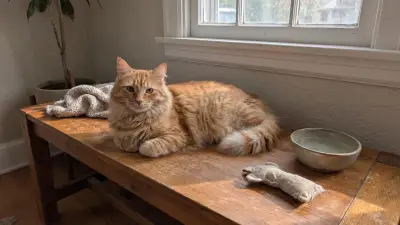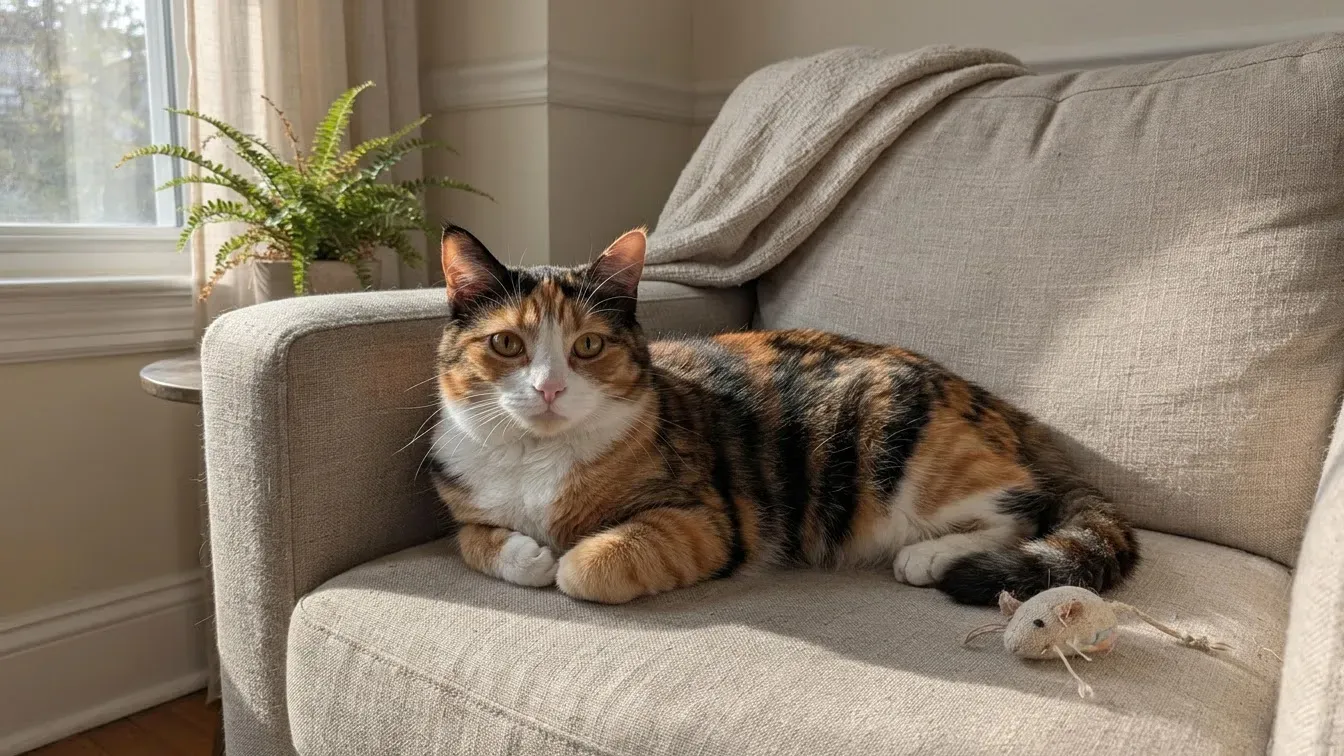
Black and orange is a coat pattern—most often tortoiseshell, calico, or spotted—found across dozens of recognized cat breeds, including the 16 highlighted below rather than a single breed of its own. Because coat color does not dictate personality, knowing the breed behind the markings helps you match a cat's true energy and vocal habits to your household before visiting local rescues.
Below is a practical comparison of 16 breeds that regularly carry black and orange coats, covering their coat pattern, coat type, size, and temperament so you can adopt with realistic expectations.
| Breed | Pattern | Coat | Size | Temperament |
|---|---|---|---|---|
| American Shorthair | Tortoiseshell & Calico | Short | Medium to large | Easygoing, adaptable |
| Maine Coon | Tortoiseshell & Calico | Long | Large | Gentle, sociable |
| British Shorthair | Tortoiseshell & Calico | Short, dense | Medium to large | Calm, independent |
| Persian | Tortoiseshell & Calico | Long | Medium | Quiet, affectionate |
| Exotic Shorthair | Tortoiseshell & Calico | Short, plush | Medium | Sweet, low-energy |
| Japanese Bobtail | Tortoiseshell & Calico (Mi-Ke) | Short or long | Medium | Playful, vocal |
| Turkish Van | Tortoiseshell & Calico (Van pattern) | Semi-long | Medium to large | Energetic, water-loving |
| Norwegian Forest Cat | Tortoiseshell & Calico | Long, double | Large | Patient, outdoorsy |
| Siberian | Tortoiseshell & Calico | Long, triple | Medium to large | Affectionate, agile |
| Cornish Rex | Tortoiseshell & Calico | Short, wavy | Small to medium | Active, people-oriented |
| Devon Rex | Tortoiseshell & Calico | Short, curly | Small to medium | Mischievous, social |
| Scottish Fold | Tortoiseshell & Calico | Short or long | Medium | Sweet, adaptable |
| American Curl | Tortoiseshell & Calico | Short or long | Small to medium | Curious, affectionate |
| Manx | Tortoiseshell & Calico | Short or long | Medium | Loyal, playful |
| Oriental Shorthair | Tortoiseshell & Calico | Short, sleek | Medium | Vocal, extroverted |
| Savannah | Orange with black spots | Short | Large | High-energy, curious |
1American Shorthair
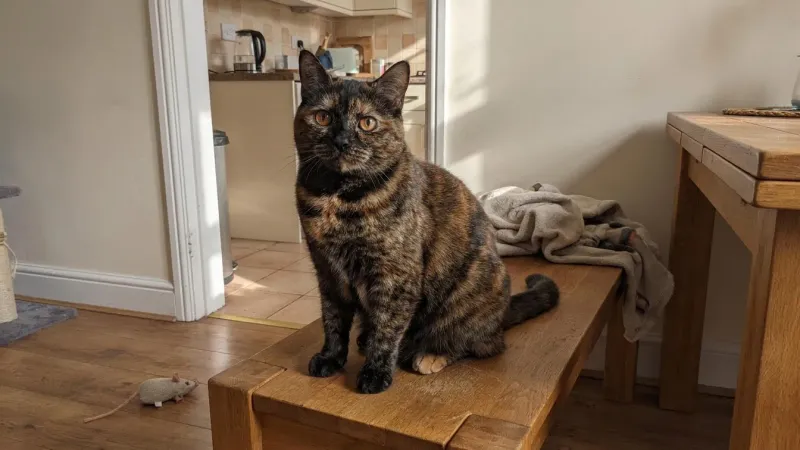
Pattern: Tortoiseshell & Calico · Coat: Short · Size: Medium to large · Temperament: Easygoing, adaptable American Shorthairs frequently display rich black and orange patches, both with and without white piebalding. Bred originally as working mousers, they combine sturdy health with a balanced, low-drama personality that fits families, seniors, and multi-pet homes. They enjoy interactive wand play in short bursts, then happily nap nearby without demanding constant attention. Weekly brushing keeps their dense coat tidy, and shelter domestic shorthairs often share their laid-back build and temperament.
2Maine Coon
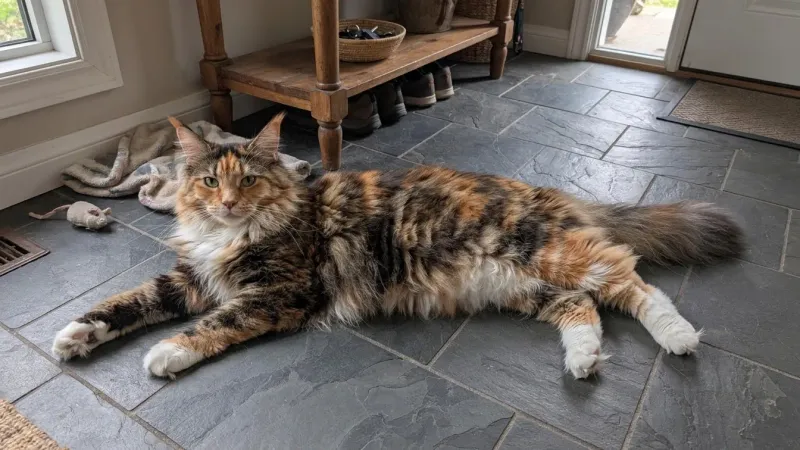
Pattern: Tortoiseshell & Calico · Coat: Long · Size: Large · Temperament: Gentle, sociable Maine Coons carry dramatic black and orange coats across heavy, shaggy fur and tufted ears. Despite weighing 10 to 25 pounds, they act like friendly shadows who follow you from room to room and greet visitors with soft chirps rather than loud meows. Their thick, water-resistant coat needs combing twice a week to prevent tangles behind the ears and under the legs. Choose this breed or a large longhaired mix if you want a sturdy, dog-like companion.
3British Shorthair
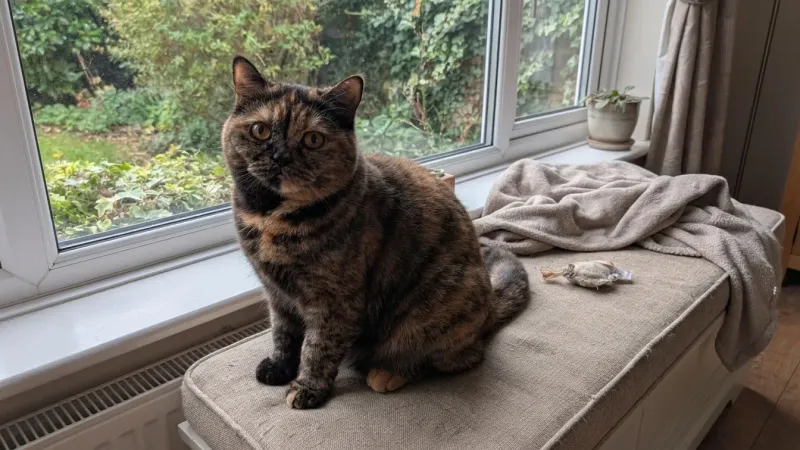
Pattern: Tortoiseshell & Calico · Coat: Short, dense · Size: Medium to large · Temperament: Calm, independent British Shorthairs showcase crisp, plush black and orange coats over round cheeks and sturdy, muscular bodies. They are affectionate without being clingy, preferring to sit beside you on the couch rather than be carried around. Because they mature slowly and have a quiet, dignified nature, they adapt smoothly to calm apartments and predictable routines. Monitor their portion sizes closely, as this stocky breed gains weight easily when kept indoors.
4Persian
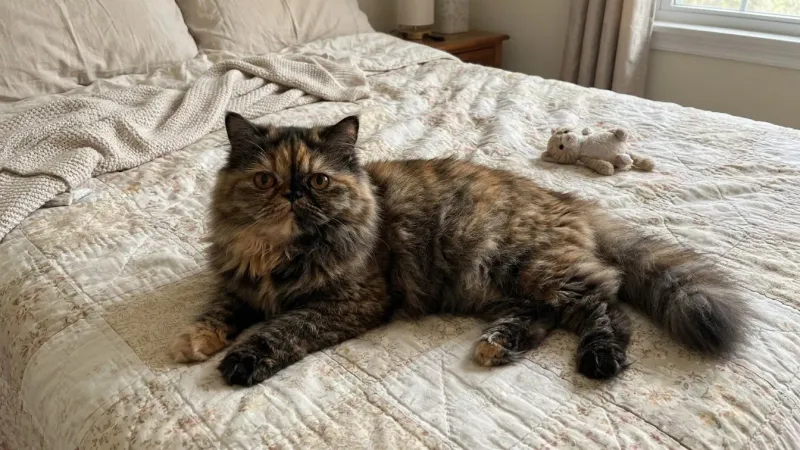
Pattern: Tortoiseshell & Calico · Coat: Long · Size: Medium · Temperament: Quiet, affectionate Tortoiseshell and calico Persians pair vivid black and red-orange colors with floor-length coats and flat, expressive faces. They thrive in peaceful, indoor-only households where sudden loud noises are rare and daily routines stay consistent. Before adopting a Persian or flat-faced mix, commit to daily brushing and gentle eye cleaning to prevent tear staining and mats. Consult a veterinarian about breathing and dental checks, as shortened muzzles require attentive preventive care.
5Exotic Shorthair
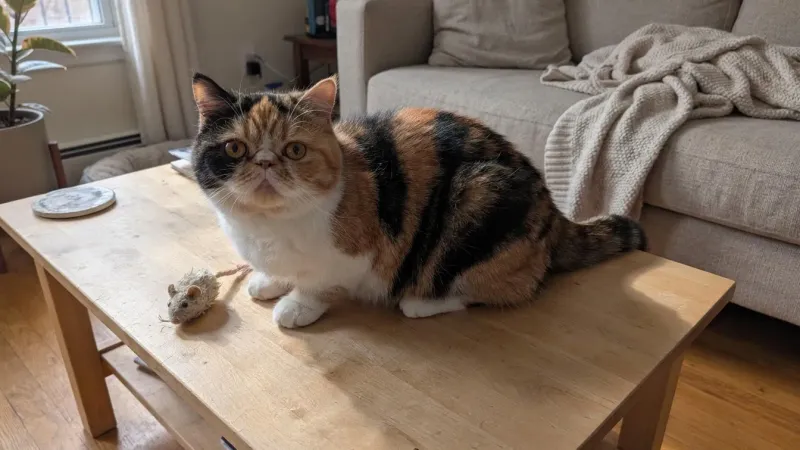
Pattern: Tortoiseshell & Calico · Coat: Short, plush · Size: Medium · Temperament: Sweet, low-energy Often called the short-haired cousin of the Persian, the Exotic Shorthair wears thick, velvety black and orange fur that stands away from the body. You get the same gentle, lap-loving temperament and expressive round eyes without the burden of daily long-coat detangling. Weekly brushing removes loose undercoat, though you still need to wipe facial folds regularly. They suit apartment dwellers seeking a quiet, affectionate companion.
6Japanese Bobtail
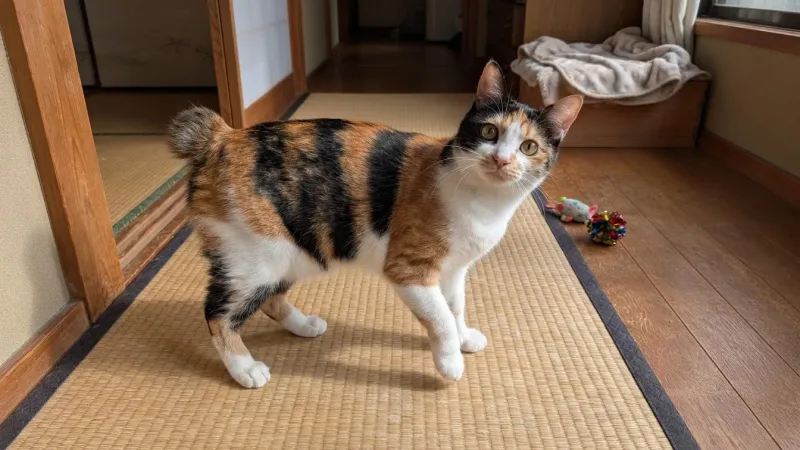
Pattern: Tortoiseshell & Calico (Mi-Ke) · Coat: Short or long · Size: Medium · Temperament: Playful, vocal In Japan, tri-color black, orange, and white Japanese Bobtails are known as Mi-Ke and are traditionally considered symbols of good luck. Recognizable by their pom-pom-like curled tails and high cheekbones, these cats are athletic, curious, and remarkably talkative with musical chirps. They love fetching small toys and learning puzzle feeders, making them ideal if you want an active, interactive companion. Check out other Japanese cat breeds if you appreciate their expressive personality.
7Turkish Van
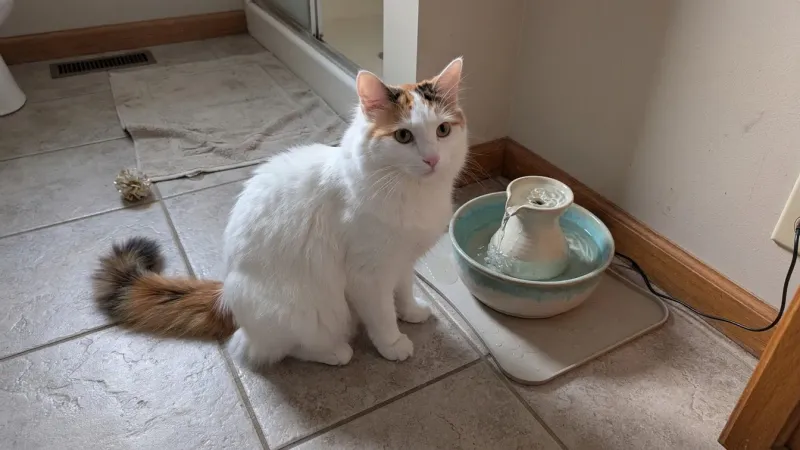
Pattern: Tortoiseshell & Calico (Van pattern) · Coat: Semi-long · Size: Medium to large · Temperament: Energetic, water-loving Turkish Vans display a distinct black and orange pattern concentrated mostly on the head and full, plumed tail, leaving the rest of the body chalk white. Their cashmere-like coat lacks a heavy undercoat, so it rarely mats and sheds less than most longhaired breeds. Expect an athletic, strong-willed jumper who loves high shelves, running faucets, and interactive play. Keep toilet lids closed and provide tall cat trees to channel their climbing drive safely.
8Norwegian Forest Cat
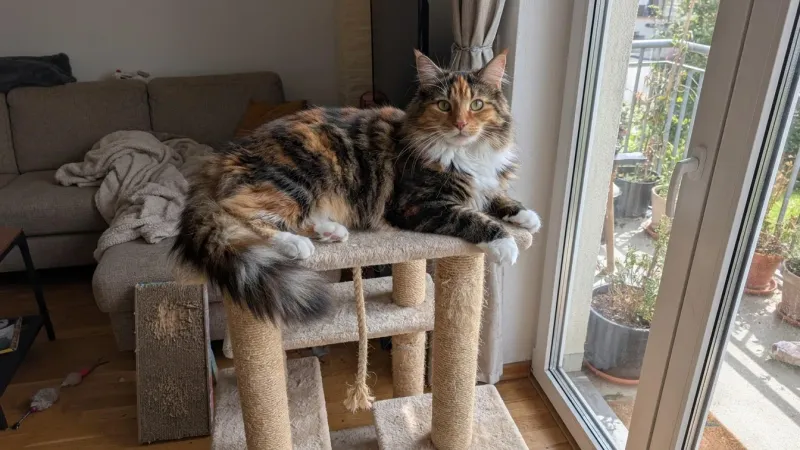
Pattern: Tortoiseshell & Calico · Coat: Long, double · Size: Large · Temperament: Patient, outdoorsy Built for Scandinavian winters, the Norwegian Forest Cat carries dense black and orange fur over a woolly undercoat and a bushy tail. They form strong bonds with their household while staying polite and slightly reserved with strangers. While they enjoy climbing sturdy scratching posts and watching birds from secure windows, they are easygoing indoors and rarely vocalize loudly. Brush their double coat weekly, increasing to every other day during spring shedding.
9Siberian
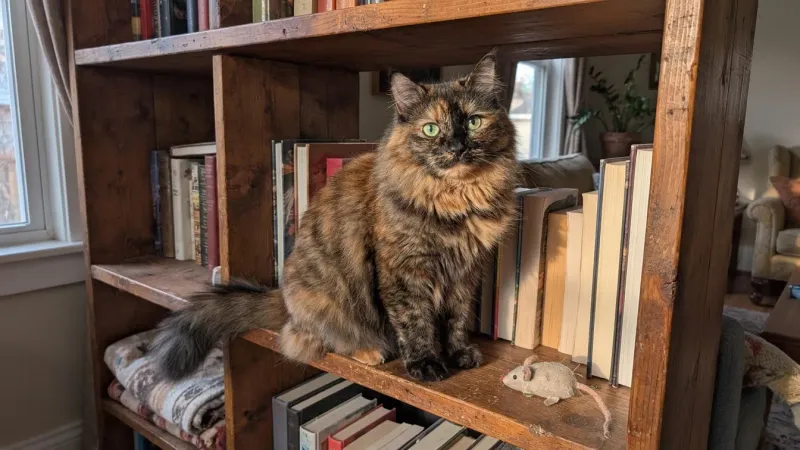
Pattern: Tortoiseshell & Calico · Coat: Long, triple · Size: Medium to large · Temperament: Affectionate, agile Siberians wear rich black and orange markings across a thick triple coat that feels surprisingly resilient and weather-resistant. Despite their rugged appearance, they are deeply affectionate, playful cats that often greet owners at the door and tolerate gentle handling by children. They retain kitten-like agility well into adulthood, leaping effortlessly onto high furniture. For more insight into heavy coats, read about fluffy orange cat breeds and their coat care.
10Cornish Rex
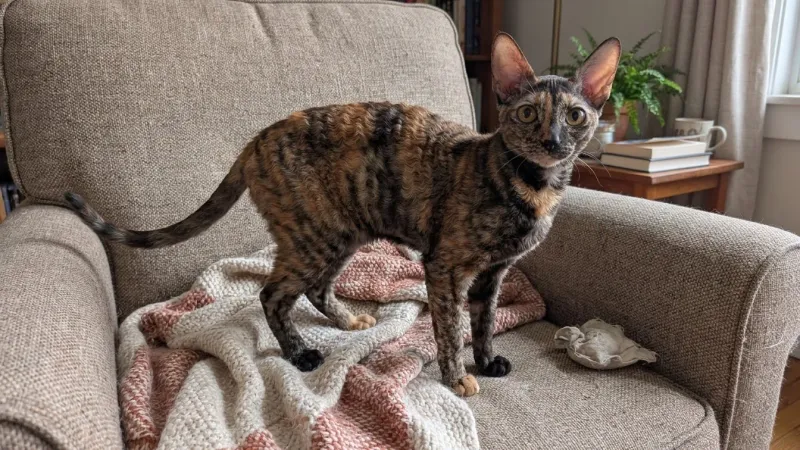
Pattern: Tortoiseshell & Calico · Coat: Short, wavy · Size: Small to medium · Temperament: Active, people-oriented A tortoiseshell or calico Cornish Rex looks like living velvet, with tight, rippled waves of black and orange fur, oversized ears, and an arched back. Lacking guard hairs, their coat feels warm to the touch and sheds minimally, though it offers little insulation in chilly rooms. Expect an energetic, acrobatic companion who wants to perch on your shoulder and participate in every household task. Keep indoor temperatures comfortable and provide heated beds in winter.
11Devon Rex
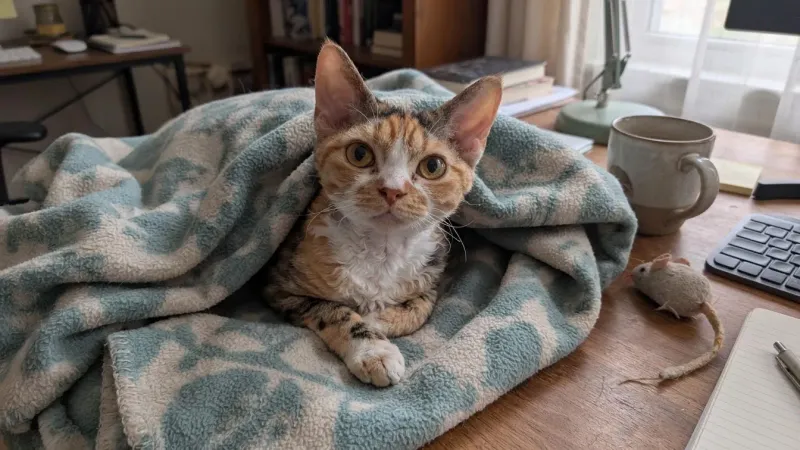
Pattern: Tortoiseshell & Calico · Coat: Short, curly · Size: Small to medium · Temperament: Mischievous, social With pixie-like faces, huge low-set ears, and soft, loose curls of black and orange fur, Devon Rex cats bring nonstop entertainment. They crave close physical contact, often burrowing under blankets or curling around your neck while you read or work. Because their fine coat can accumulate skin oils, gently wipe their ears and paw pads as recommended by your vet. They thrive best in homes where someone is around most of the day.
12Scottish Fold
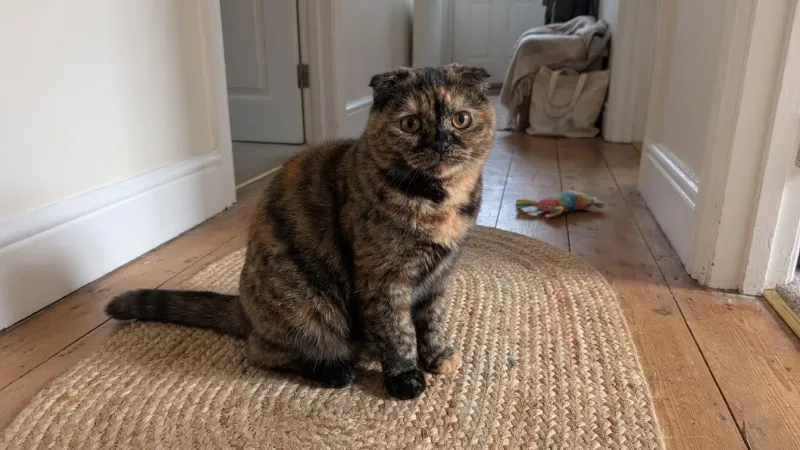
Pattern: Tortoiseshell & Calico · Coat: Short or long · Size: Medium · Temperament: Sweet, adaptable Scottish Folds appear in striking black and orange patterns, pairing round owl-like eyes with forward-folded ears. They are gentle, quiet cats that bond closely with one or two favorite people and get along peacefully with calm dogs. Before adopting a Scottish Fold or Fold mix, ask your veterinarian to evaluate their joints and tail flexibility, because the gene causing folded ears also affects cartilage health (osteochondrodysplasia) and may require lifelong joint support.
13American Curl
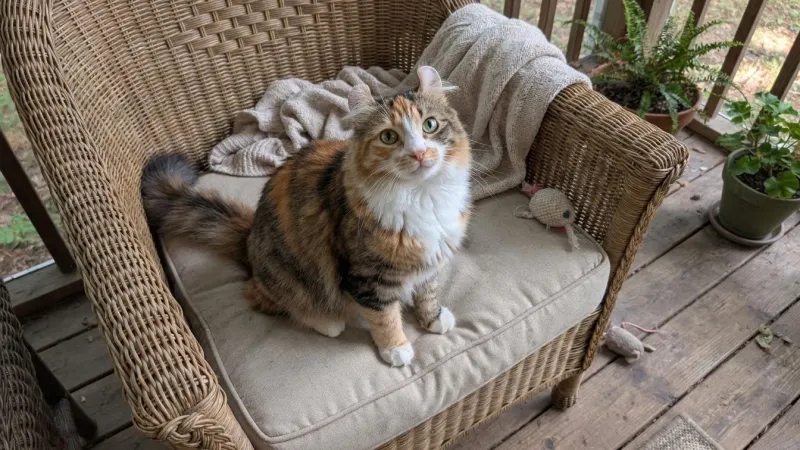
Pattern: Tortoiseshell & Calico · Coat: Short or long · Size: Small to medium · Temperament: Curious, affectionate Known for ears that curve gracefully backward, the American Curl frequently wears vibrant tortoiseshell and calico patterns in both short and silky semi-long coats. They earn the nickname of the Peter Pan of cats for keeping a cheerful, inquisitive, kitten-like attitude throughout adulthood. Unlike breeds with folded ears, their ear cartilage stays firm and healthy, though you should still handle their ears gently during routine cleaning. They adapt well to active families.
14Manx
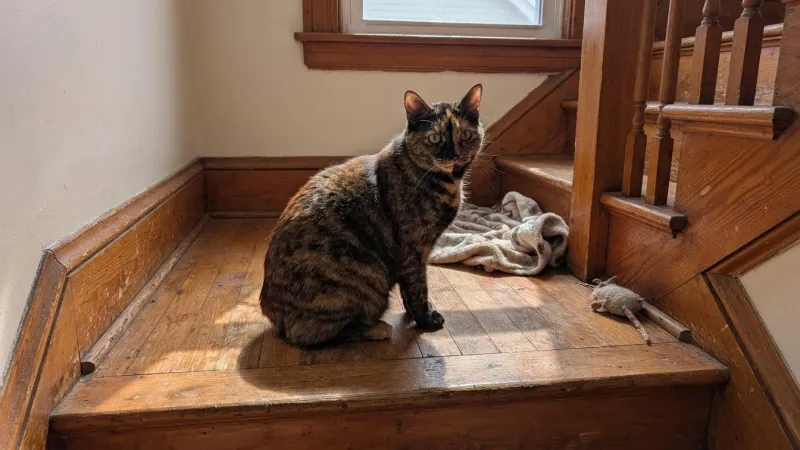
Pattern: Tortoiseshell & Calico · Coat: Short or long · Size: Medium · Temperament: Loyal, playful Manx cats carry classic black and orange coats on compact, muscular bodies with long hind legs and either no tail or a short stub. They are fiercely loyal, intelligent companions that often act like watchdogs, growling softly at unfamiliar noises outside the window and playing fetch with favorite toys. When adopting a tailless cat from a rescue, have a vet check spinal and digestive health, as tailless genetics can occasionally affect nerve function.
15Oriental Shorthair
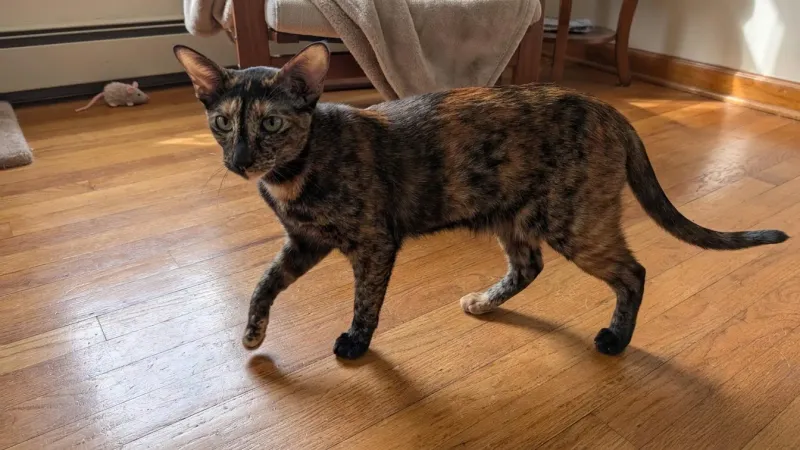
Pattern: Tortoiseshell & Calico · Coat: Short, sleek · Size: Medium · Temperament: Vocal, extroverted Oriental Shorthairs display glossy, close-lying black and orange patterns over long, slender bodies, wedge-shaped heads, and large flared ears. Related to the Siamese, they communicate constantly with expressive meows and insist on being part of every conversation. They hate being left alone for long stretches and thrive when adopted in pairs or into busy homes. Their fine single coat needs almost no grooming beyond an occasional gentle wipe with a damp cloth.
16Savannah
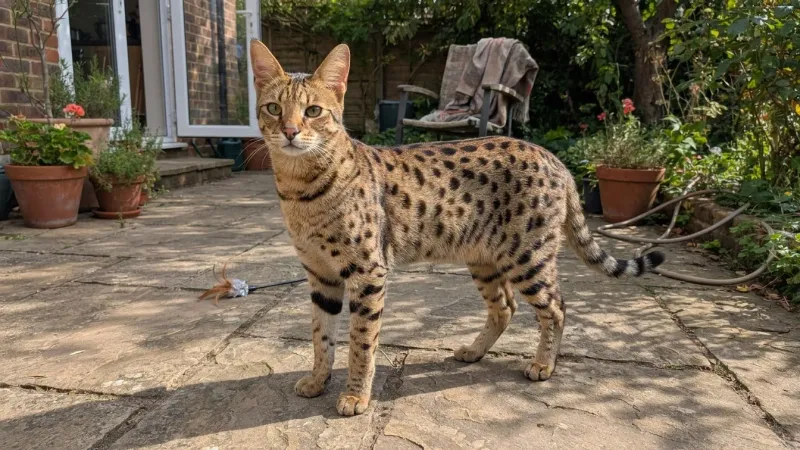
Pattern: Orange with black spots · Coat: Short · Size: Large · Temperament: High-energy, curious Unlike tortoiseshell or calico cats, Savannahs wear a warm golden-orange coat covered in bold black spots, paired with tall ears and long legs. Developed from domestic cats and the African serval, they are extraordinarily athletic, intelligent, and vocal, often learning to open doors and walk on a harness. They require tall climbing structures, daily structured play, and secure windows. Check local municipal laws before adopting, as some areas restrict early-generation hybrid cats.
How to Choose the Right Rescue Cat at a Shelter
Most black and orange cats in shelters are domestic shorthair or longhair mixes rather than pedigreed cats, so focus on body type and individual behavior rather than papers. Spend at least 15 minutes in a quiet meet-and-greet room to see whether a cat seeks your lap or prefers exploring high perches.
Ask shelter staff about the cat's history with other pets, children, and indoor enrichment. If you live in a smaller space or work standard hours, reviewing calm orange cat breeds for first-time owners or independent cat breeds for full-time workers can help you narrow down the energy level that fits your daily schedule.
Essential Care and Health Checks for Black and Orange Cats
Because nearly all tortoiseshell and calico cats carry two X chromosomes, over 99 percent are female—and rare male tortoiseshells or calicos often carry an extra chromosome (XXY) that makes them sterile and occasionally prone to metabolic issues. Schedule a wellness exam with your veterinarian within the first week of adoption to verify spay or neuter status, microchip details, and baseline bloodwork.
Keep all lilies, sago palms, onions, garlic, chocolate, and string or hair ties strictly out of reach, as lilies can cause fatal kidney failure in cats even in tiny amounts. Brush long-coated torties and calicos three to four times a week to prevent painful mats, and schedule a vet visit promptly if you notice sudden hiding, litter box changes, or appetite loss.
Black and orange coats wrap around personalities ranging from quiet Persian lap cats to energetic Savannahs and chatty Japanese Bobtails. When visiting local shelters, look beyond the striking tortoiseshell or calico markings to observe how each cat responds to gentle touch, play, and new sounds. Pairing the right energy level with routine veterinary care sets you and your new rescue cat up for years of easy companionship.
Sources: The Cat Fanciers' Association (CFA) · The International Cat Association (TICA) · Cornell Feline Health Center · ASPCA
Frequently asked questions
Is there an orange and black cat breed?
No single breed is exclusively orange and black. Instead, black and orange patterns—known as tortoiseshell, calico, or black-spotted orange—appear across at least 16 recognized breeds, including Maine Coons, British Shorthairs, Japanese Bobtails, and Savannahs, as well as countless mixed-breed shelter cats.
How rare is a black and orange cat?
Female black and orange cats are common in shelters because the genes for black and orange fur sit on the X chromosome. However, male tortoiseshell and calico cats are genuinely rare—making up less than 1 percent of all torties and calicos—because a male needs an extra X chromosome (XXY) to display both colors.
What is the rarest cat color?
True albino (pure white with pink skin and pale blue or pinkish eyes) and pure cinnamon or fawn coats are among the rarest cat colors. Male tortoiseshell and calico patterns are also exceptionally rare due to the chromosomal genetics required for a male cat to carry both black and orange pigment genes.
Do black and orange cats really have 'tortitude'?
Many owners report strong-willed, vocal behavior in tortoiseshell and calico cats, often nicknamed tortitude. However, veterinary behaviorists note that temperament depends far more on breed heritage, early socialization, and living environment than on coat pigment.
Nathan Brooks
Nathan Brooks runs Farmingzoom to help loving pet owners create safe, enriching homes for their animals. He cares deeply about responsible pet care and focuses on making everyday decisions simpler for fellow owners.…