Living in a busy suburban home near heavy traffic means exterior doors open constantly for kids, groceries, and guests. Choosing indoor cat breeds that stay inside removes the daily panic of a pet darting toward the street.
Unlike high-energy hunters driven to patrol territory at dawn and dusk, calm homebody cats value plush cushions, predictable routines, and indoor warmth. Even without an outdoor enclosure, these 16 docile breeds show almost zero interest in bolting through an open entryway.
| Breed | Origin | Size | Activity Level | Lifespan |
|---|---|---|---|---|
| Persian | Iran | Medium to Large | Very Low | 12–17 years |
| Ragdoll | United States | Large | Low | 12–17 years |
| Exotic Shorthair | United States | Medium | Low | 12–15 years |
| British Shorthair | United Kingdom | Medium to Large | Low to Moderate | 12–20 years |
| Scottish Fold | Scotland | Medium | Low | 11–14 years |
| Selkirk Rex | United States | Medium to Large | Low to Moderate | 14–15 years |
| Birman | France / Myanmar (sources differ) | Medium to Large | Low to Moderate | 12–16 years |
| Russian Blue | Russia | Medium | Moderate | 15–20 years |
| Chartreux | France | Medium to Large | Low to Moderate | 12–15 years |
| Himalayan | United States | Medium to Large | Very Low | 9–15 years |
| Ragamuffin | United States | Large | Low | 12–18 years |
| Sphynx | Canada | Medium | Moderate | 8–14 years |
| Scottish Straight | Scotland | Medium | Low to Moderate | 12–15 years |
| Neva Masquerade | Russia | Large | Low to Moderate | 12–15 years |
| Burmilla | United Kingdom | Medium | Low to Moderate | 10–15 years |
| American Curl | United States | Medium | Low to Moderate | 12–16 years |
1Persian
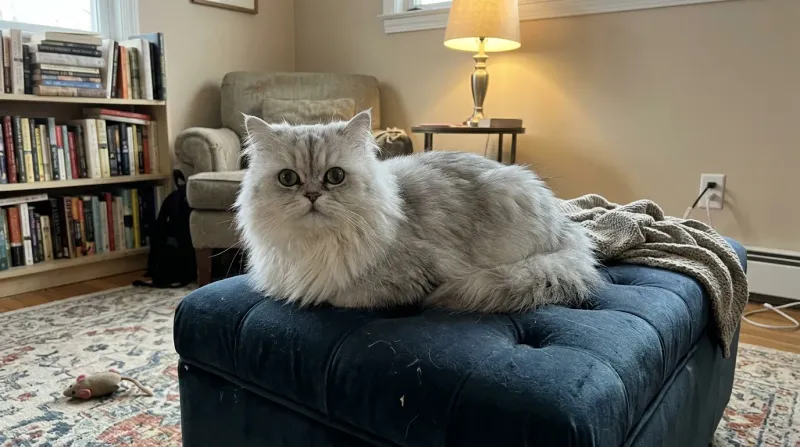
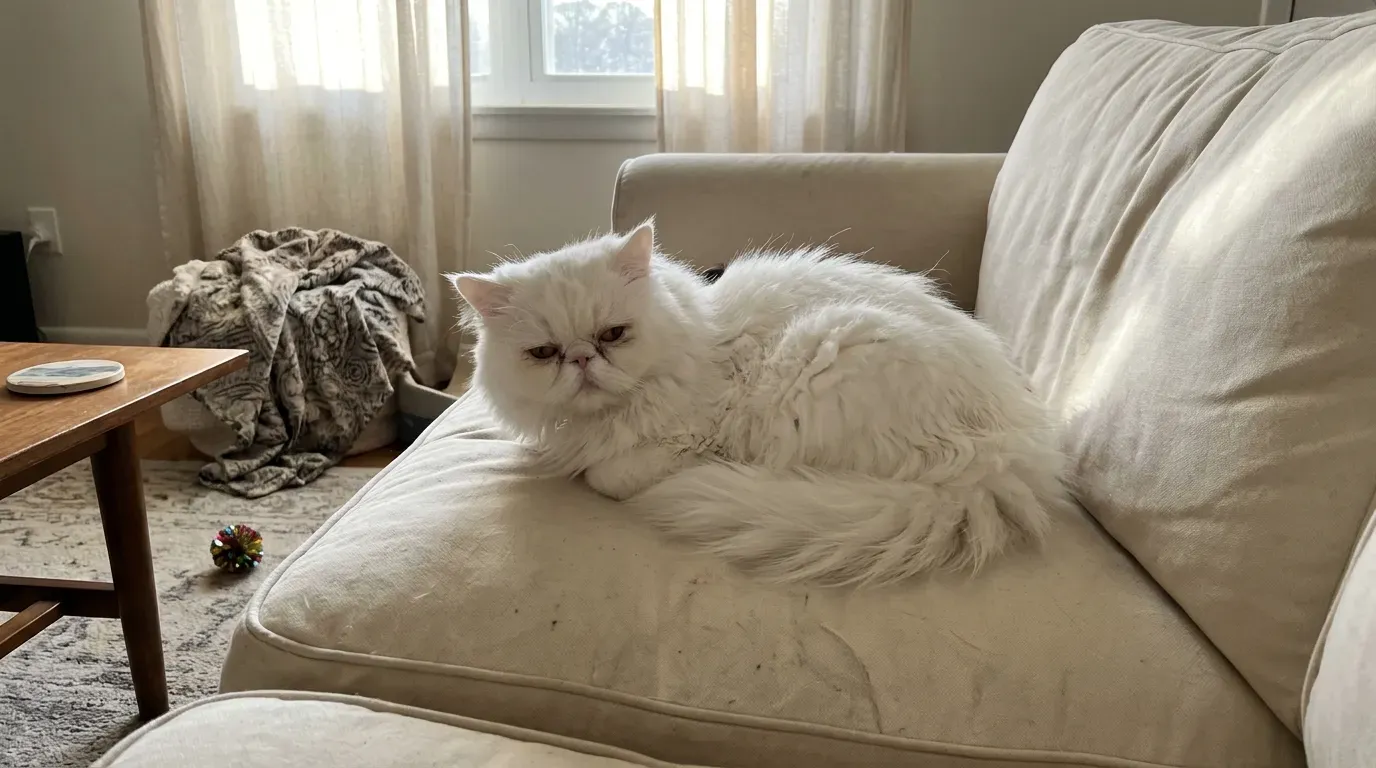
Origin: Iran · Size: Medium to Large · Activity Level: Very Low · Lifespan: 12–17 years Persians are the ultimate indoor loungers, preferring quiet rooms and plush pillows over outdoor exploration. Their low prey drive and calm, predictable temperament mean they rarely rush toward an open front door. Because their long coats tangle easily in wind and dirt, they naturally dislike harsh outdoor textures. Keep a soft bed in a sunny living room corner and brush their fur daily to keep them content indoors.
2Ragdoll
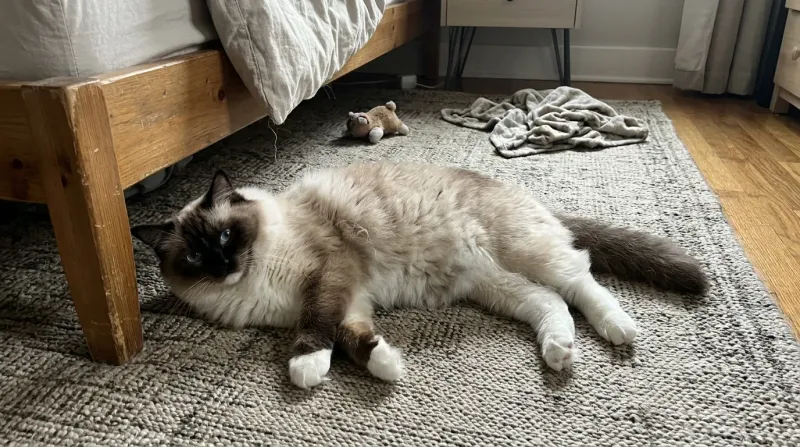
Origin: United States · Size: Large · Activity Level: Low · Lifespan: 12–17 years Known for going limp when held, Ragdolls bond deeply with family members and prefer following people from room to room rather than staring out windows. Their heavy build and trusting nature make them poorly suited for outdoor hazards, and most show zero urge to bolt outside. Set up low, sturdy perches in family rooms so they can stay close to household activity without approaching exterior doors.
3Exotic Shorthair
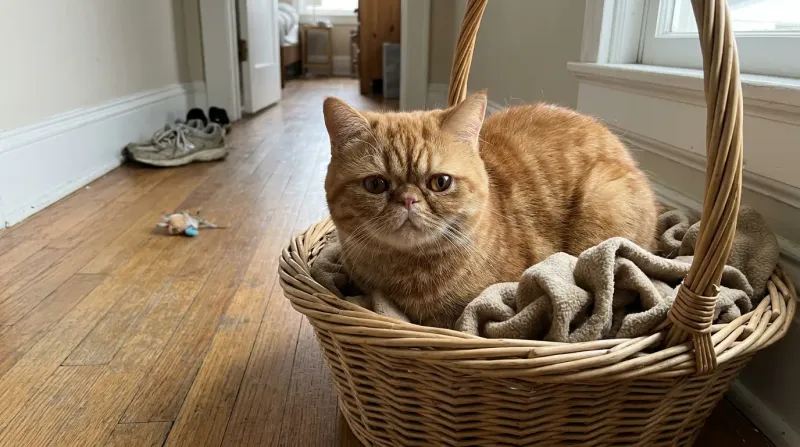
Origin: United States · Size: Medium · Activity Level: Low · Lifespan: 12–15 years Bred to share the Persian's laid-back personality without heavy daily grooming, the Exotic Shorthair is a quiet, affectionate couch companion. They enjoy brief indoor play sessions with wand toys before returning to a favorite blanket for hours. Because they dislike sudden noises and unfamiliar environments, an open front door near street traffic typically sends them walking the opposite direction.
4British Shorthair
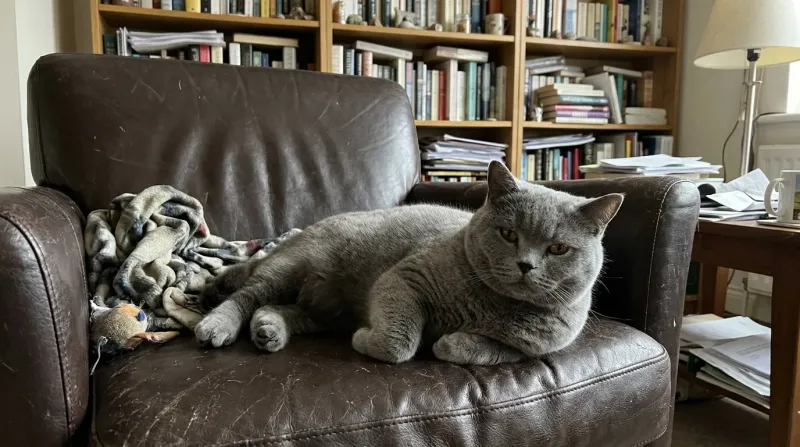
Origin: United Kingdom · Size: Medium to Large · Activity Level: Low to Moderate · Lifespan: 12–20 years Stocky, dignified, and independent, British Shorthairs prefer observing household life from a comfortable armchair rather than patrolling outside. They are among the calmest cat breeds for relaxed households, showing minimal interest in chasing birds or slipping past ankles at the front door. Provide sturdy scratching posts indoors to keep them satisfied without yard access.
5Scottish Fold
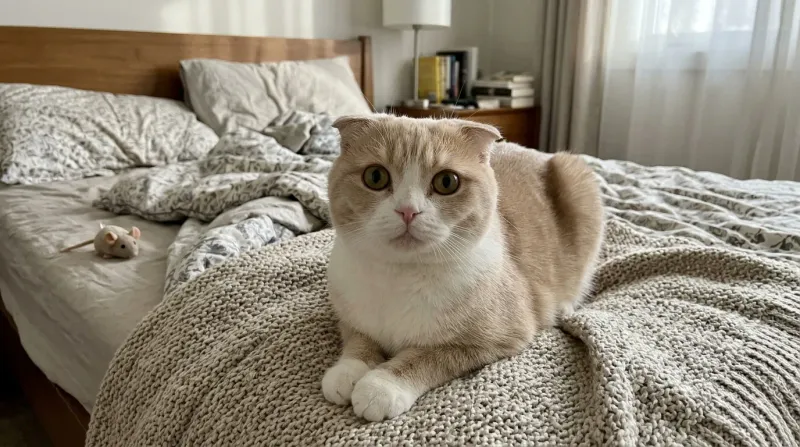
Origin: Scotland · Size: Medium · Activity Level: Low · Lifespan: 11–14 years With their rounded faces and folded ears, Scottish Folds are gentle homebodies that thrive on indoor routines and human company. They rarely display intense hunting instincts or territorial roaming urges, preferring soft rugs and low-key play. However, every Scottish Fold carries the osteochondrodysplasia mutation that causes progressive, painful cartilage and bone deformities, which has led major registries such as FIFe and GCCF to ban or restrict breeding them, so regular veterinary pain management and low-impact indoor setups are essential.
6Selkirk Rex
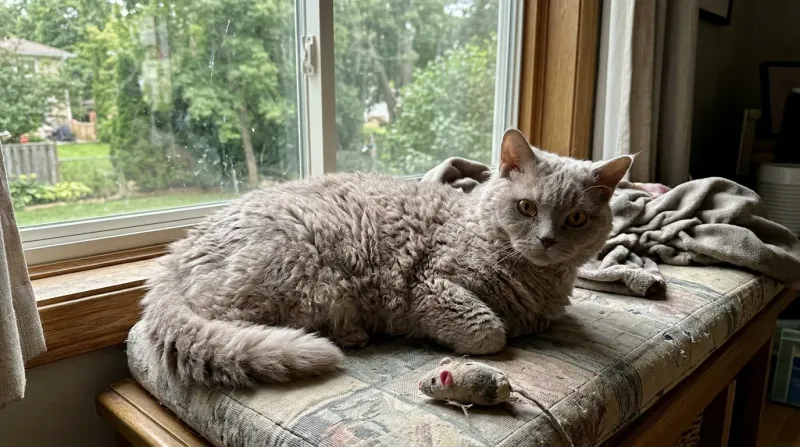
Origin: United States · Size: Medium to Large · Activity Level: Low to Moderate · Lifespan: 14–15 years Sporting a plush, curly coat that feels like a teddy bear, the Selkirk Rex is patient, easygoing, and deeply attached to indoor comforts. They tolerate busy family households well without getting startled into bolting through open doors. Keep their curls clean with gentle weekly combing and place cozy beds away from drafty entryways.
7Birman
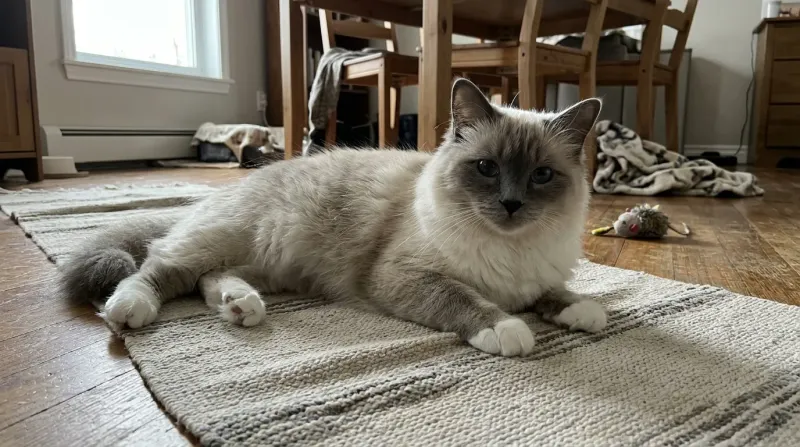
Origin: France / Myanmar (sources differ) · Size: Medium to Large · Activity Level: Low to Moderate · Lifespan: 12–16 years Sources differ on the Birman's origin, as its foundation cats reportedly came from Burma (Myanmar) while the modern breed was developed and standardized in France in the 1920s. Birmans combine silky coats with a serene, people-oriented personality that keeps them focused on family members rather than the outdoors. They enjoy gentle interactive play in the living room and rarely sprint when exterior doors open.
8Russian Blue
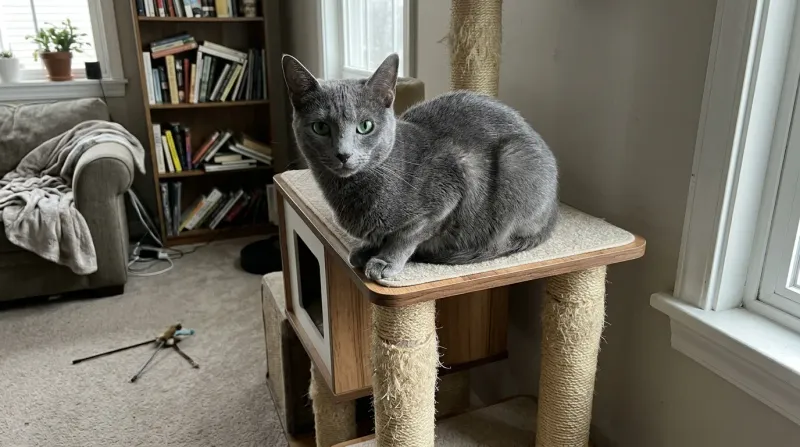
Origin: Russia · Size: Medium · Activity Level: Moderate · Lifespan: 15–20 years Shy around strangers and loud street noises, Russian Blues feel safest inside a familiar, predictable home. While they enjoy climbing indoor shelves and playing fetch with soft toys, sudden commotion at the front door makes them retreat to a quiet bedroom rather than dash outside. Keep a consistent feeding and play schedule to reinforce their love of staying indoors.
9Chartreux
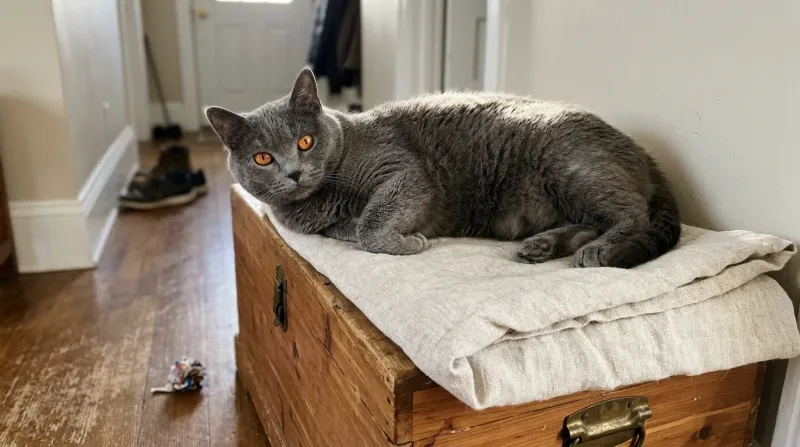
Origin: France · Size: Medium to Large · Activity Level: Low to Moderate · Lifespan: 12–15 years Quiet and observant, the Chartreux has a muscular build paired with a surprisingly mellow indoor demeanor. They enjoy short bursts of indoor toy-chasing followed by long naps in warm spots, showing little desire to roam outdoors. Their dense, water-resistant blue-gray coat sheds lightly with weekly brushing, keeping care simple inside.
10Himalayan
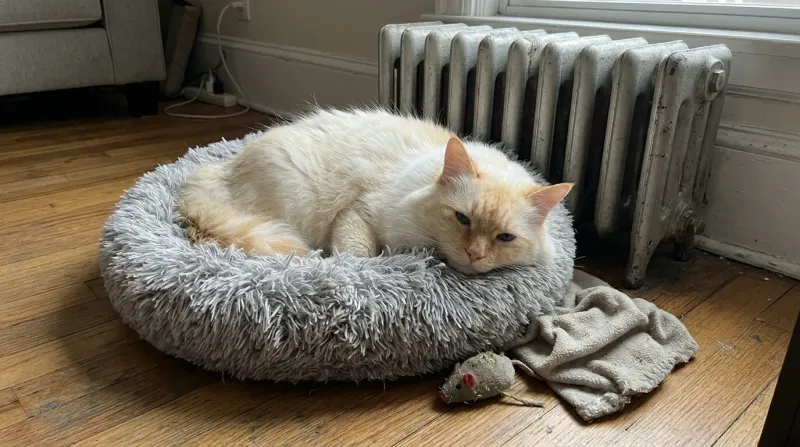
Origin: United States · Size: Medium to Large · Activity Level: Very Low · Lifespan: 9–15 years Blending Persian calmness with colorpoint markings, Himalayans dislike loud outdoor environments, rough ground, and bright glare. They strongly favor climate-controlled rooms, soft upholstery, and calm household routines. Because flat-faced breeds can struggle in summer heat and humidity, keeping them strictly indoors is essential for safe breathing.
11Ragamuffin
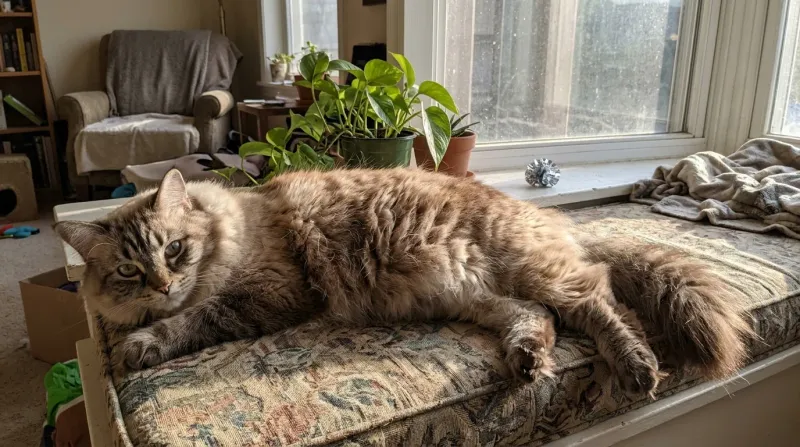
Origin: United States · Size: Large · Activity Level: Low · Lifespan: 12–18 years Closely related to the Ragdoll, Ragamuffins are sweet-tempered, heavy-boned cats content to lounge beside family members all day. They lack the intense prey drive that drives other breeds to dart after neighborhood squirrels or insects. Offer puzzle feeders indoors to keep their minds active while protecting their joints from excess weight.
12Sphynx
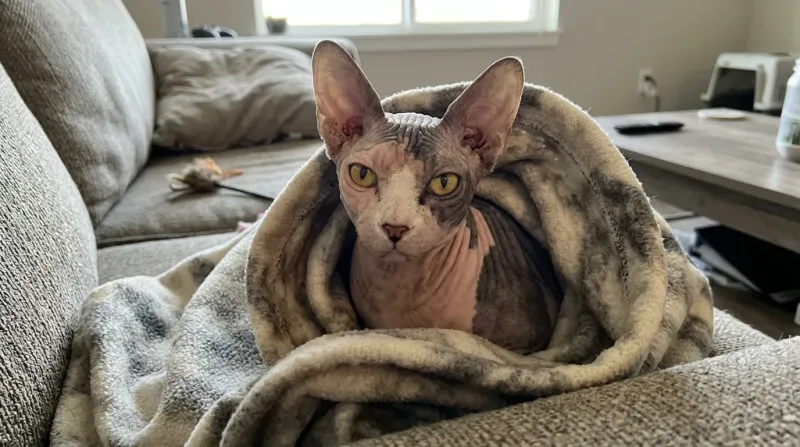
Origin: Canada · Size: Medium · Activity Level: Moderate · Lifespan: 8–14 years Without a fur coat to insulate against wind, sunburn, or chilly breezes, Sphynx cats actively dislike going outside. They are heat-seekers that spend their days burrowed under fleece blankets, curled on sunny cushions, or perched near warm laptops. Wipe their skin weekly to manage natural oils and keep cozy throws in every main room.
13Scottish Straight
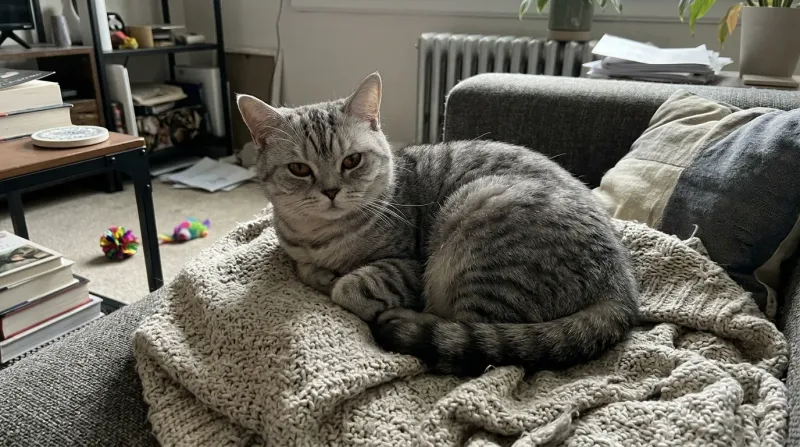
Origin: Scotland · Size: Medium · Activity Level: Low to Moderate · Lifespan: 12–15 years Born from the same bloodlines as the Scottish Fold without the cartilage-affecting fold gene, the Scottish Straight pairs upright ears with a relaxed, sweet-natured temperament. They prefer lounging near family members and engaging in gentle indoor play rather than hovering near open exterior doors. Brush their plush coat weekly and provide cozy window perches in quiet rooms.
14Neva Masquerade
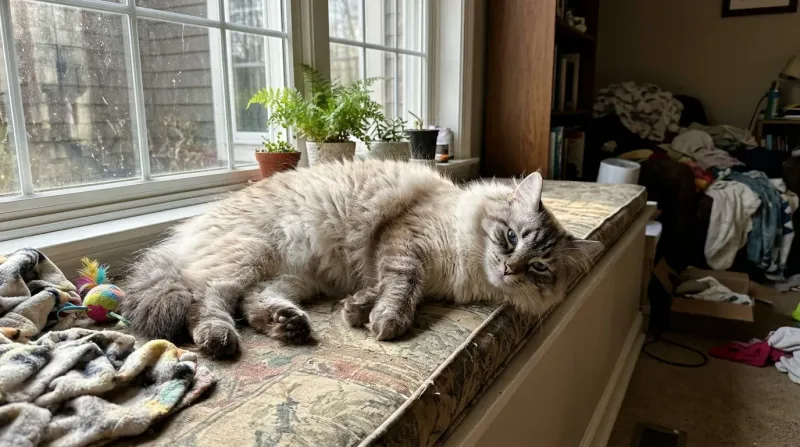
Origin: Russia · Size: Large · Activity Level: Low to Moderate · Lifespan: 12–15 years The colorpoint sister breed of the Siberian, the Neva Masquerade is known for a placid, dog-like loyalty that keeps it close to its household rather than roaming outside. Despite their thick coats and sturdy builds, they are calm, affectionate homebodies that rarely bolt through open doors. Regular brushing keeps their plush coat tangle-free inside.
15Burmilla
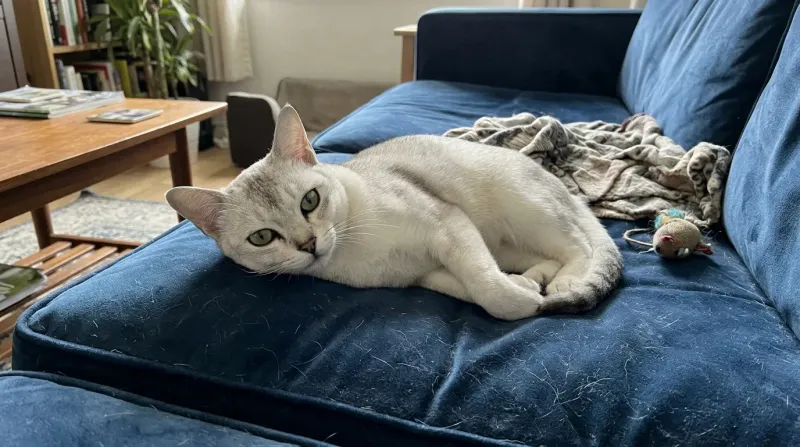
Origin: United Kingdom · Size: Medium · Activity Level: Low to Moderate · Lifespan: 10–15 years Created from a cross between the Burmese and Chinchilla Persian, the Burmilla combines sparkling silver-shaded fur with a gentle, easygoing disposition. They enjoy mild indoor play sessions before settling onto soft cushions, showing very little drive to explore busy streets outside. Weekly grooming and interactive puzzle toys keep them happy indoors.
16American Curl
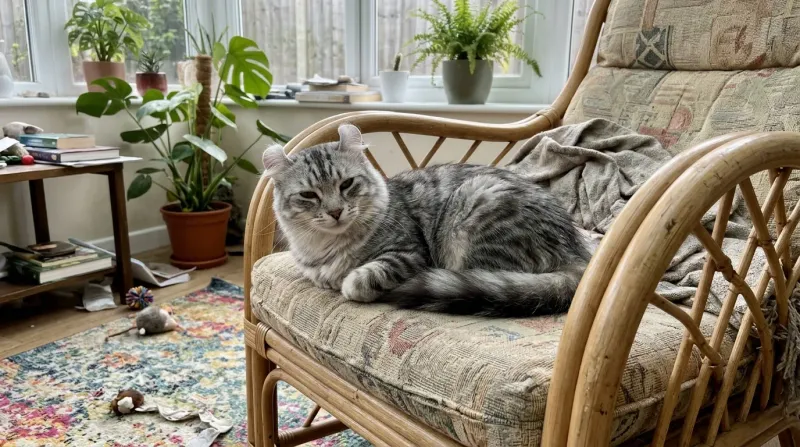
Origin: United States · Size: Medium · Activity Level: Low to Moderate · Lifespan: 12–16 years Recognizable by their backward-curling ears, American Curls are affectionate, adaptable companions that focus intently on their human families. They adjust smoothly to busy households with frequent visitors without trying to slip outside. Handle their delicate ear cartilage gently during weekly ear checks and keep engaging toys indoors.
How to Keep Door-Dashing Risks Near Zero
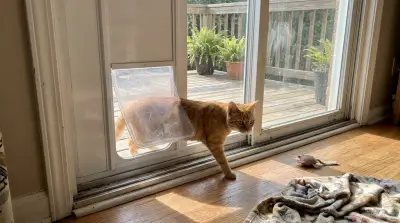
Even the calmest breed can startle if a loud delivery arrives while the front door stands wide open. Create a physical buffer zone by placing a tall baby gate in the hallway or using practical cat door blocker solutions around entryways.
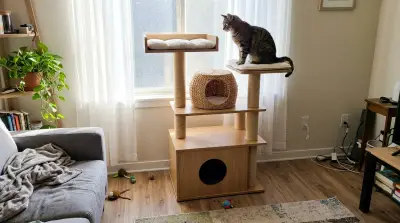
Keep your cat's favorite resting spots far away from main exits. Place elevated perches, warm beds, and modern cat trees in quiet back rooms so your pet ignores front-door commotion entirely. Avoid feeding treats near exterior doors, which teaches cats to linger around exits.
Health and Indoor Safety Basics for Homebody Breeds
Low-activity indoor cats gain weight easily, which strains joints and organs over time. Measure daily meals carefully and schedule annual wellness exams with your veterinarian to monitor body condition and screen for breed-specific issues like heart or breathing conditions.
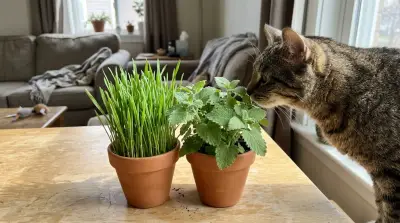
Keep indoor air and surfaces safe by removing toxic houseplants: lilies cause acute kidney failure, sago palms cause severe liver failure, and philodendrons contain calcium oxalate crystals that cause intense oral pain, drooling, and swelling. Never leave chocolate, onions, garlic, grapes, or xylitol-sweetened snacks within reach, and provide safe indoor greenery like fresh cat grass to satisfy natural chewing urges safely.
Every cat has an individual personality, so combine a low-roaming breed with smart entryway habits like hallway gates, microchip IDs, and distant resting spots. When you match a true indoor breed with engaging toys and cozy perches, your family can open doors freely without worrying about nearby traffic.
Frequently asked questions
Do indoor-only cat breeds still need a microchip and collar?
Yes. Even the calmest homebody breed can slip out during a household emergency, move, or repair visit. Ask your veterinarian to implant a microchip and keep your contact details updated, paired with a quick-release breakaway collar carrying an ID tag.
Why do some cats hate going outside while others try to escape?
Cats bred for docile temperament, heavy builds, or thin coats often find outdoor noises, wind, and rough ground stressful or uncomfortable. High-energy breeds with strong hunting instincts feel driven to patrol territory at dawn and dusk, increasing door-dashing behavior.
How much indoor exercise does a low-energy cat breed need?
Aim for two 10-to-15-minute interactive play sessions each day using wand toys, soft balls, or food puzzles. Short, gentle bursts of movement prevent obesity and boredom without overworking flat-faced or heavy-boned breeds.
Are flat-faced breeds like Persians safe outdoors in warm weather?
No. Brachycephalic breeds such as Persians, Himalayans, and Exotic Shorthairs have shortened airways that make cooling down difficult. Hot or humid outdoor weather can quickly trigger dangerous breathing distress, making air-conditioned indoor living essential.

Nathan Brooks
Nathan Brooks runs Farmingzoom to help loving pet owners create safe, enriching homes for their animals. He cares deeply about responsible pet care and focuses on making everyday decisions simpler for fellow owners.…