Paying between $1,000 and $5,000 for a pedigree kitten does more than secure a rare coat or striking eye color; it directly funds comprehensive genetic panels, heart ultrasounds, and early veterinary socialization. When your household grows quieter and you have the budget to invest in a lifelong companion, choosing a breed backed by rigorous health clearances helps protect you from sudden, preventable heartache.
While no pedigree cat is completely immune to illness, reputable breeders use DNA screening and specialist exams to eliminate known hereditary conditions from their lines. Compare the 15 breeds below to see how upfront pricing aligns with key health screenings and expected lifespans.
| Breed | Price | Origin | Size | Lifespan |
|---|---|---|---|---|
| Maine Coon | $1,000-$2,500 | United States | Large | 12-15 years |
| Ragdoll | $1,000-$3,000 | United States | Large | 12-17 years |
| British Shorthair | $800-$3,000 | United Kingdom | Medium to large | 12-20 years |
| Siberian | $1,200-$2,500 | Russia | Medium to large | 11-18 years |
| Norwegian Forest Cat | $1,000-$2,500 | Norway | Large | 14-16 years |
| Bengal | $2,000-$5,000 | United States | Medium to large | 12-16 years |
| Sphynx | $1,500-$3,500 | Canada | Medium | 10-15 years |
| Russian Blue | $1,000-$3,000 | Russia | Medium | 15-20 years |
| Abyssinian | $1,000-$2,500 | Ethiopia | Medium | 12-15 years |
| Devon Rex | $1,000-$2,500 | United Kingdom | Small to medium | 12-16 years |
| Cornish Rex | $1,000-$2,500 | United Kingdom | Small to medium | 12-16 years |
| Oriental Shorthair | $1,000-$2,500 | United States | Medium | 12-15 years |
| Peterbald | $1,000-$3,000 | Russia | Medium | 12-15 years |
| Burmese | $1,000-$2,500 | Myanmar | Medium | 14-18 years |
| Savannah | $1,500-$25,000 | United States | Large | 12-20 years |
1Maine Coon
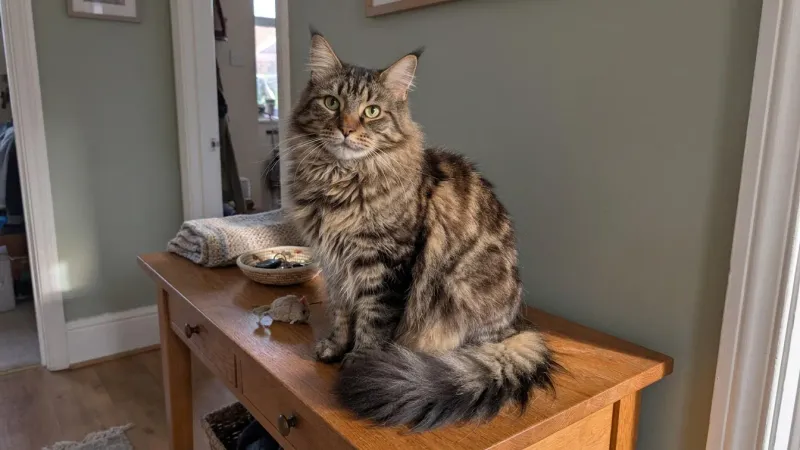
Price: $1,000-$2,500 · Origin: United States · Size: Large · Lifespan: 12-15 years Maine Coons are gentle giants prone to hypertrophic cardiomyopathy, spinal muscular atrophy, and hip dysplasia. Reputable breeders justify their fees by running DNA panels for known mutations alongside annual echocardiograms performed by a veterinary cardiologist. They also take hip radiographs of breeding adults to protect joint health in these heavy-boned cats, giving you a sociable companion built for steady longevity.
2Ragdoll
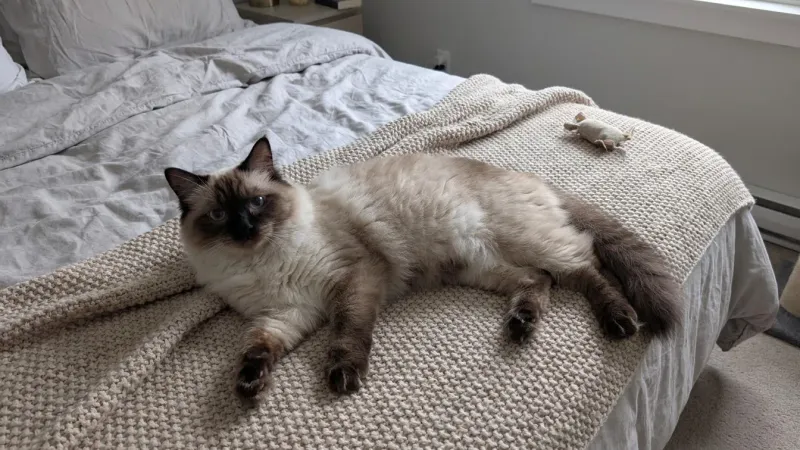
Price: $1,000-$3,000 · Origin: United States · Size: Large · Lifespan: 12-17 years Known for their relaxed, affectionate nature, Ragdolls carry specific genetic markers for hypertrophic cardiomyopathy and polycystic kidney disease. Responsible breeding programs test every parent via DNA swabs and cardiac ultrasounds before pairing them. Paying more upfront ensures your kitten comes from cleared lines and stays with its mother for at least 12 weeks for proper immune development.
3British Shorthair
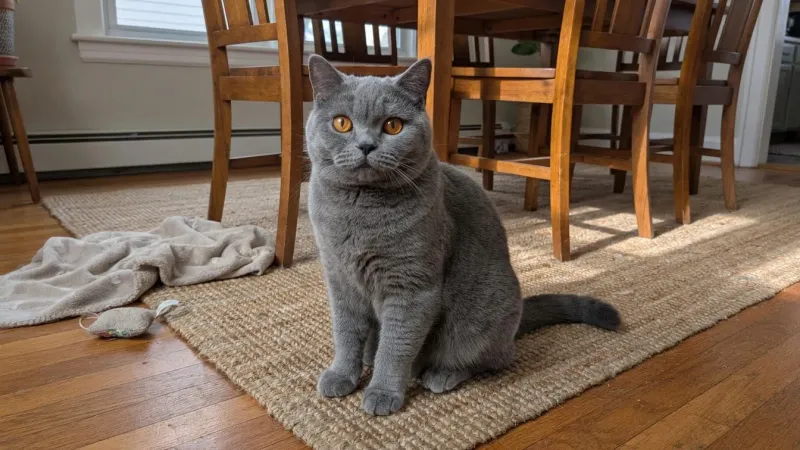
Price: $800-$3,000 · Origin: United Kingdom · Size: Medium to large · Lifespan: 12-20 years British Shorthairs are sturdy, calm companions that can live up to 20 years when screened for polycystic kidney disease, hypertrophic cardiomyopathy, hemophilia B, and blood type B incompatibility. Responsible breeders use DNA testing for the PKD1 gene mutation alongside echocardiograms for HCM and blood typing to prevent neonatal isoerythrolysis and adult organ failure. Their quiet, independent temperament makes them ideal if you want calm cat breeds for gentle company.
4Siberian
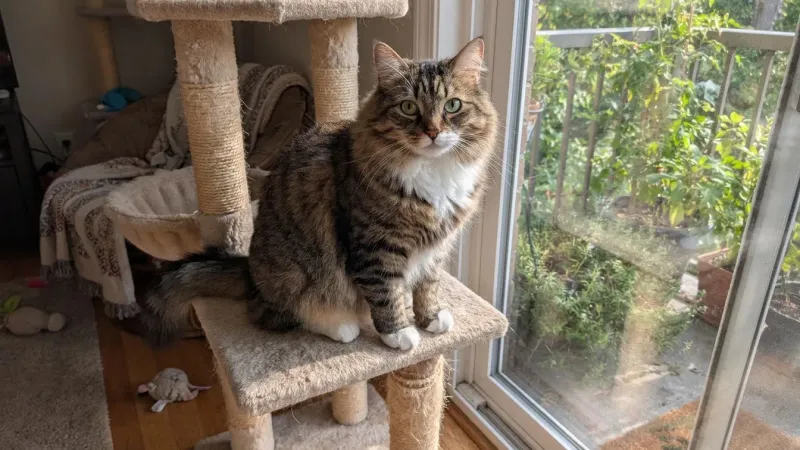
Price: $1,200-$2,500 · Origin: Russia · Size: Medium to large · Lifespan: 11-18 years Siberians possess robust forest-cat genetics, though reputable breeders still screen carefully for hypertrophic cardiomyopathy and pyruvate kinase deficiency. Because Siberians mature slowly over five years, responsible catteries track adult heart health well into middle age before continuing bloodlines. Your upfront investment supports multi-year cardiac monitoring and thorough early veterinary care.
5Norwegian Forest Cat
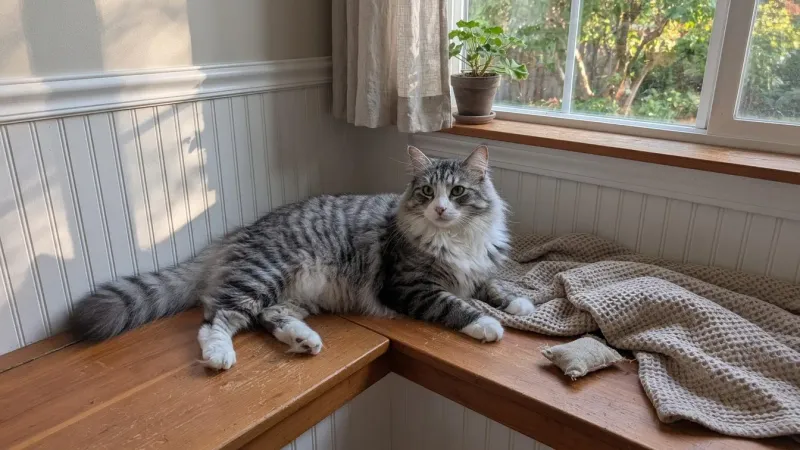
Price: $1,000-$2,500 · Origin: Norway · Size: Large · Lifespan: 14-16 years Norwegian Forest Cats are hardy climbers, yet they can carry recessive genes for glycogen storage disease type IV, a fatal metabolic disorder, as well as pyruvate kinase deficiency. Dedicated breeders use targeted DNA tests to ensure two carriers are never bred together, completely preventing the disease in kittens. They also screen breeding pairs for heart disease and retinal degeneration.
6Bengal
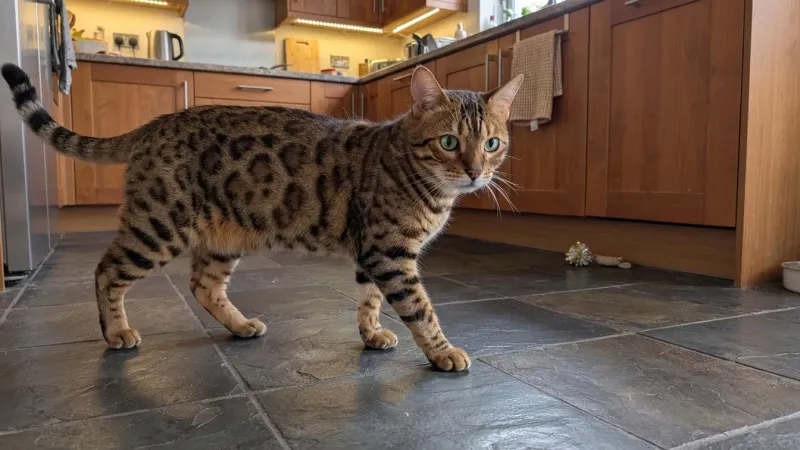
Price: $2,000-$5,000 · Origin: United States · Size: Medium to large · Lifespan: 12-16 years Bengals require steep upfront fees because conscientious breeders screen for progressive retinal atrophy, pyruvate kinase deficiency, and hypertrophic cardiomyopathy. Progressive retinal atrophy can cause early blindness if both parents carry the recessive gene, so verified DNA clearance is essential. Paying for a properly tested Bengal helps ensure your energetic cat keeps sharp vision and a strong heart.
7Sphynx
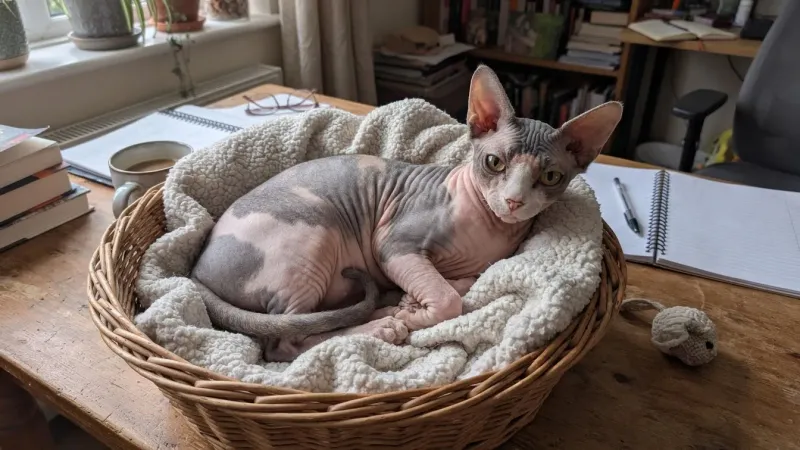
Price: $1,500-$3,500 · Origin: Canada · Size: Medium · Lifespan: 10-15 years Because Sphynx cats have a higher breed incidence of hypertrophic cardiomyopathy and hereditary myopathy, ethical breeding requires intensive ongoing veterinary oversight. Top breeders pay for annual board-certified echocardiograms on all breeding cats, since cardiac changes can develop later in adulthood. Choosing a thoroughly screened cattery significantly reduces the risk of sudden cardiac tragedy.
8Russian Blue
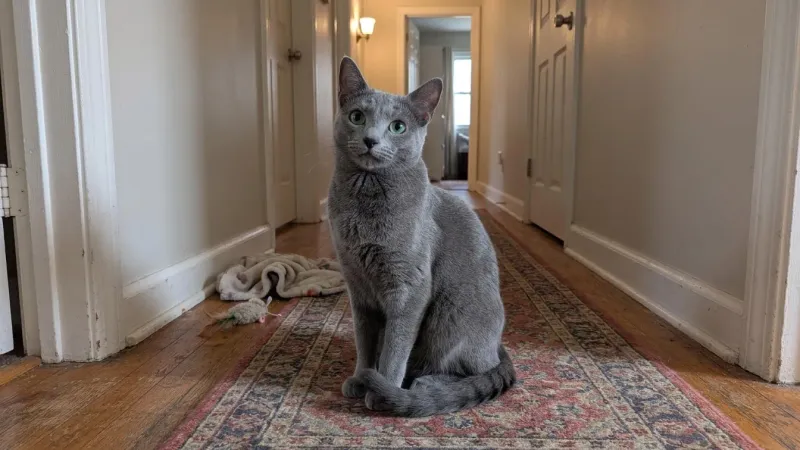
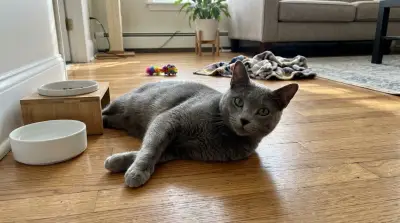
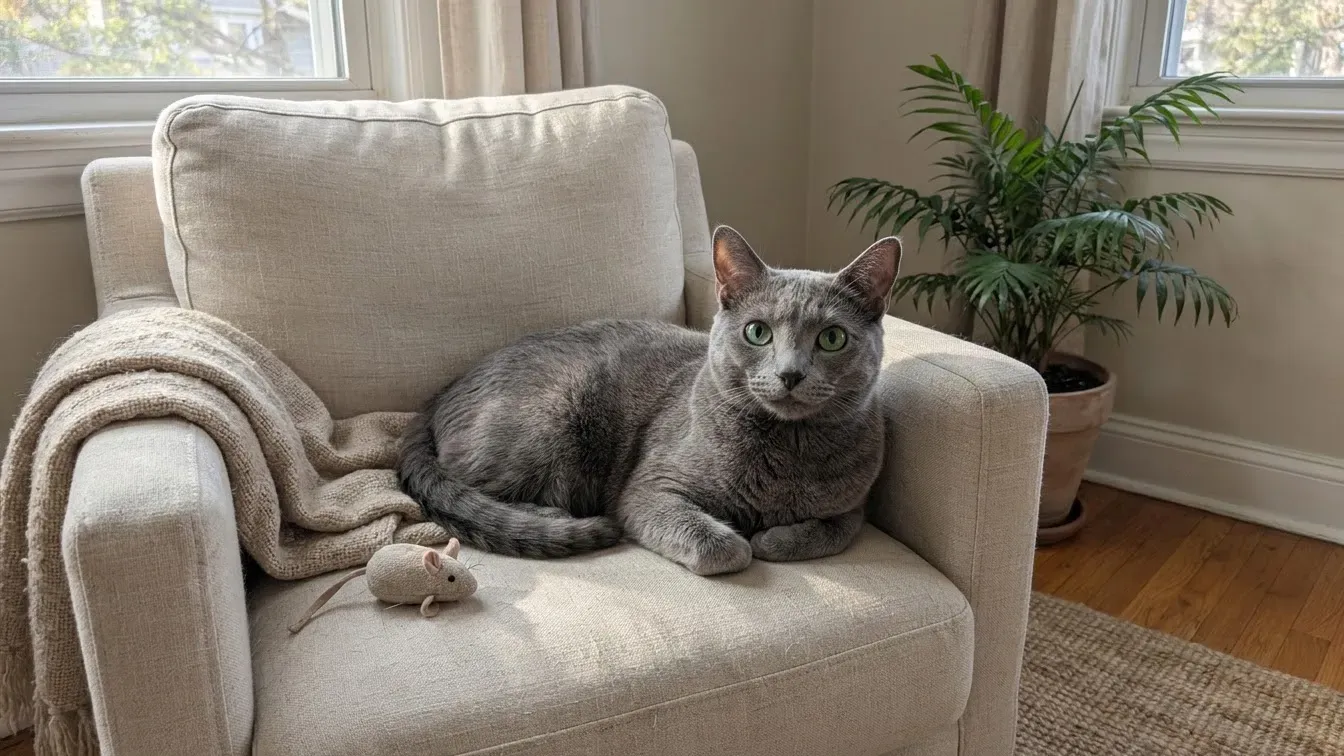
Price: $1,000-$3,000 · Origin: Russia · Size: Medium · Lifespan: 15-20 years Russian Blues naturally enjoy low rates of hereditary disease and frequently reach 18 to 20 years old. Reputable breeders preserve this natural vigor by avoiding close inbreeding, testing for progressive retinal atrophy, and keeping detailed multi-generation health records. Their quiet devotion and minimal genetic baggage make them one of the most reliable healthy cat breeds with fewer hereditary vet bills.
9Abyssinian
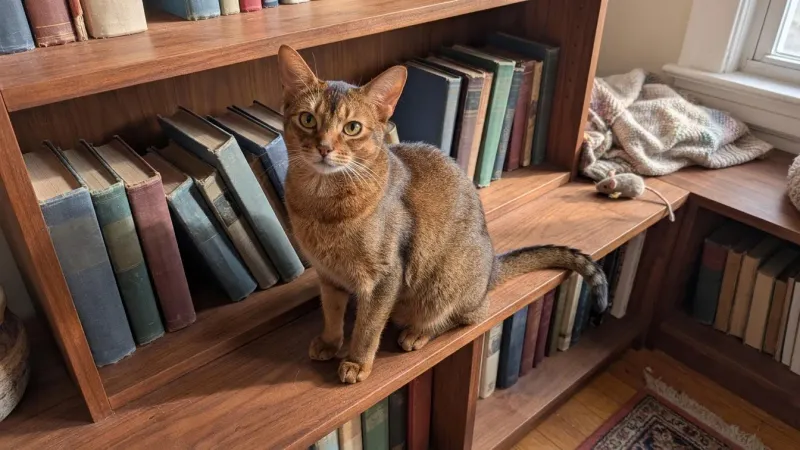
Price: $1,000-$2,500 · Origin: Ethiopia · Size: Medium · Lifespan: 12-15 years Abyssinians are curious, active companions that can inherit pyruvate kinase deficiency, progressive retinal atrophy, and renal amyloidosis. Responsible breeders run full genetic panels to eliminate anemia and blindness risks while monitoring kidney values across generations. Higher kitten fees also cover comprehensive early socialization so these intelligent cats adapt smoothly to your routine.
10Devon Rex
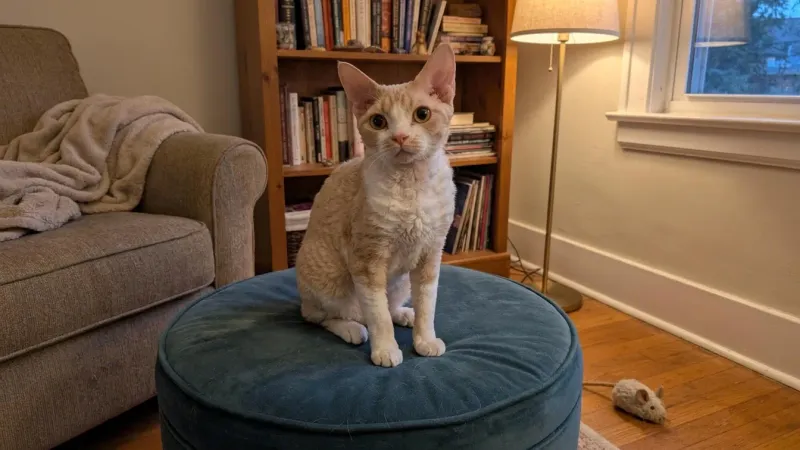
Price: $1,000-$2,500 · Origin: United Kingdom · Size: Small to medium · Lifespan: 12-16 years Devon Rex cats are affectionate lap companions susceptible to hereditary myopathy, hypertrophic cardiomyopathy, and patellar luxation. Ethical breeders rely on pedigree analysis to track congenital myopathy alongside blood typing (for neonatal isoerythrolysis), patella exams, and echocardiograms. Investing in a screened kitten protects this playful breed from muscle weakness and mobility issues.
11Cornish Rex
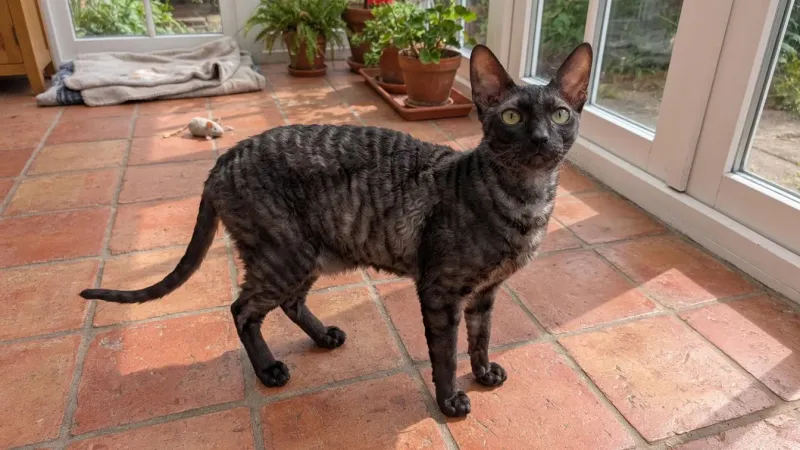
Price: $1,000-$2,500 · Origin: United Kingdom · Size: Small to medium · Lifespan: 12-16 years With their velvety, rippled coats and athletic build, Cornish Rex cats generally enjoy strong health when bred from diverse bloodlines. Careful breeders test for progressive retinal atrophy, pyruvate kinase deficiency, and hypertrophic cardiomyopathy while tracking blood types to protect newborn litters. You pay for careful genetic pairing that keeps their immune and cardiovascular systems resilient.
12Oriental Shorthair
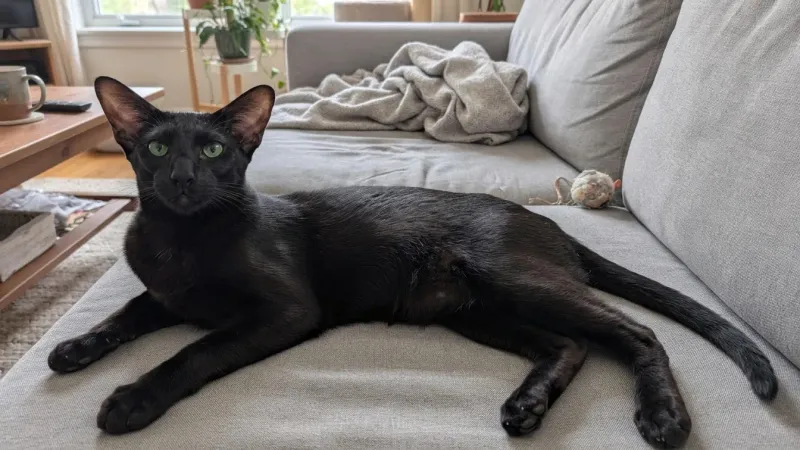
Price: $1,000-$2,500 · Origin: United States · Size: Medium · Lifespan: 12-15 years Oriental Shorthairs are vocal, deeply bonded cats that share ancestral health risks with Siamese lines, including progressive retinal atrophy, hepatic amyloidosis, and congenital heart defects. Reputable breeders use DNA screening for eye mutations and track multi-generation longevity to select only robust adults for breeding. Their close, conversational companionship rewards owners who prioritize documented lineage health.
13Peterbald
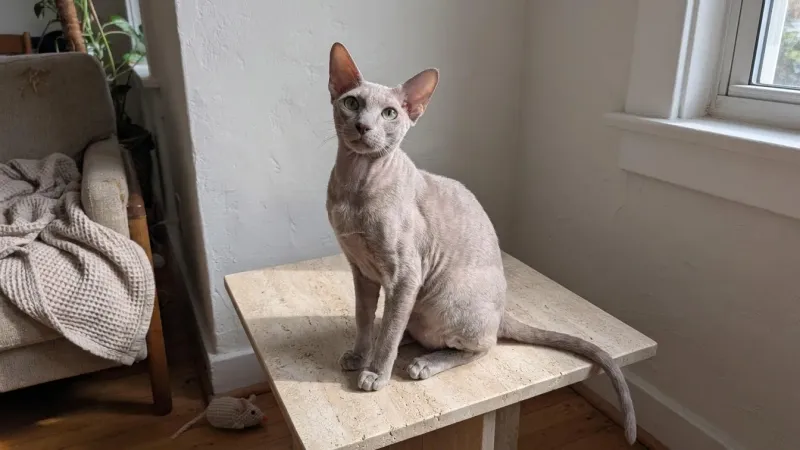
Price: $1,000-$3,000 · Origin: Russia · Size: Medium · Lifespan: 12-15 years Peterbalds combine sleek Oriental elegance with hairless or velvet coats, requiring careful outcrossing and pairing of the dominant LPAR6 hairless gene to maintain genetic diversity. Responsible breeders DNA-test for Oriental/Siamese progressive retinal atrophy (PRA-pd) and screen for hypertrophic cardiomyopathy alongside monitoring dental and skin sensitivities. Higher purchase prices reflect small litter sizes, dedicated neonatal care, and strict genetic health clearances.
14Burmese
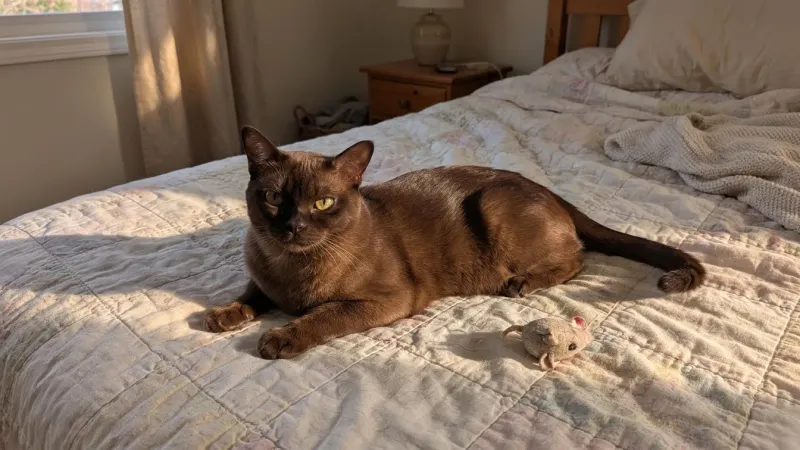
Price: $1,000-$2,500 · Origin: Myanmar · Size: Medium · Lifespan: 14-18 years Burmese cats are sturdy, people-oriented companions that can live well into their late teens when screened for hypokalemia, a treatable periodic muscle weakness, and craniofacial defects. Conscientious breeders use DNA testing for the craniofacial defect (ALX1 mutation) specifically in Contemporary Burmese lines alongside periodic hypokalemia testing to avoid risky pairings. Many programs also monitor glucose health to lower diabetes risk in older adults.
15Savannah
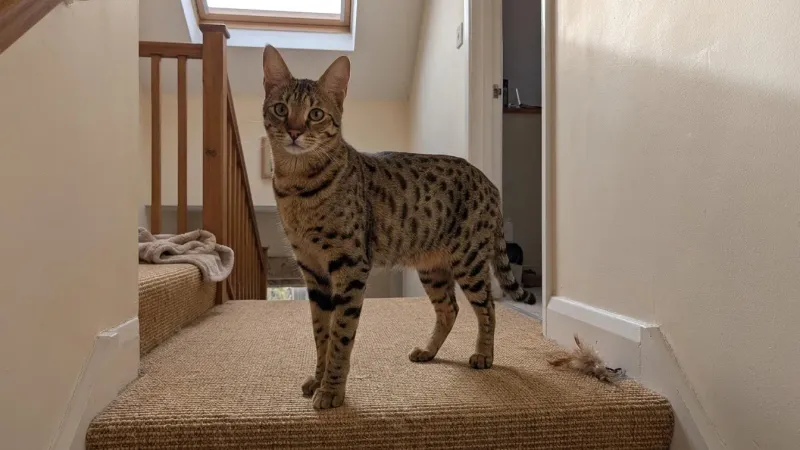
Price: $1,500-$25,000 · Origin: United States · Size: Large · Lifespan: 12-20 years Savannah cats vary widely in price by generation, with later-generation domestic-temperament cats offering strong hybrid vigor and lifespans reaching 20 years, while early-generation cats (F1-F4) often require specialized raw or whole-prey diets. Reputable breeders screen for pyruvate kinase deficiency (PKDef) and progressive retinal atrophy (PRA-b) stemming from Bengal outcrosses, as well as hypertrophic cardiomyopathy, while following core vaccine protocols (note that no rabies vaccine is officially USDA-licensed for feline hybrids, so off-label use is standard and does not legally protect the cat in a bite incident in many jurisdictions). Always verify state and local ownership rules before reserving an early-generation Savannah.
What Reputable Health Testing Actually Includes
High kitten prices only protect your cat's future when the breeder invests in verified medical clearances rather than simply charging for a pedigree certificate. Before placing a deposit, ask for written documentation showing both parents have been screened for breed-specific conditions.
- DNA cheek swabs: Commercial genetic panels detect recessive mutations for polycystic kidney disease, progressive retinal atrophy, pyruvate kinase deficiency, and spinal muscular atrophy before cats are ever paired.
- Board-certified echocardiograms: DNA tests do not catch every form of hypertrophic cardiomyopathy, so responsible breeders pay veterinary cardiologists to perform annual heart ultrasounds on breeding adults.
- Orthopedic X-rays: Large breeds benefit from hip and patella evaluations to rule out painful joint dysplasia early in life.
Even with thorough testing, schedule a wellness exam with your own veterinarian within 72 hours of bringing your kitten home, and keep lilies, grapes, raisins, onions, garlic, and chocolate strictly out of reach.
Red Flags That Signal Overpriced, Untested Kittens
A steep price tag alone never guarantees a healthy kitten, and some sellers charge premium rates while skipping essential medical work. Walk away immediately if a breeder claims their cats are healthy simply because a general veterinarian gave them a basic physical exam or vaccines.
Avoid sellers who refuse to share the registered names of the parents, decline to show copies of parent DNA and heart test results, or offer kittens for immediate pickup under 12 weeks of age. Kittens need at least 12 to 14 weeks with their mother and littermates to complete early vaccine series and build strong immune and behavioral foundations. If you want to compare typical pricing across even more pedigrees, check our guide to the most expensive cat breeds in the world.
When you invest in a well-bred pedigree cat, ask every breeder for written copies of parent DNA panels, annual cardiac echocardiogram reports, and a multi-year health guarantee against hereditary disorders. Pairing responsible breeder selection with routine annual veterinary checkups gives your new companion the strongest foundation for a long, comfortable life by your side.
Sources: Cornell Feline Health Center · The Cat Fanciers' Association (CFA) · The International Cat Association (TICA) · VCA Animal Hospitals
Frequently asked questions
Why are health-tested pedigree kittens so expensive?
Responsible breeders spend thousands of dollars on DNA panels, board-certified cardiologist echocardiograms, orthopedic X-rays, and quality nutrition before a litter is even born. Higher kitten prices reimburse those medical expenses and fund 12 to 14 weeks of early vaccinations, parasite prevention, and home socialization.
Does a pedigree certificate guarantee a cat will never get sick?
No, a registration paper only proves ancestry and never guarantees lifelong health. Even cats from fully screened parents can develop non-hereditary illnesses or age-related conditions, which is why regular veterinary exams and pet insurance or an emergency savings fund remain essential.
What health documents should I ask a cat breeder for before buying?
Request copies of DNA test results for breed-specific genetic diseases, recent echocardiogram certificates signed by a veterinary cardiologist, and vaccination records. A trustworthy breeder will happily share parent health clearances and include a written contract covering congenital conditions.
Which expensive cat breeds tend to live the longest?
Russian Blues, British Shorthairs, Burmese, and later-generation Savannahs regularly live 15 to 20 years when sourced from health-tested lines and kept safely indoors. Consistent preventive veterinary care, dental cleanings, and weight management also play major roles in helping these breeds reach their full lifespan.

Nathan Brooks
Nathan Brooks runs Farmingzoom to help loving pet owners create safe, enriching homes for their animals. He cares deeply about responsible pet care and focuses on making everyday decisions simpler for fellow owners.…