If you search for Korean cat breeds, you will quickly discover that only one feline type—the Korean Shorthair—is truly native to the Korean peninsula. While South Korea has a vibrant cat-loving culture, the vast majority of pedigree cats living in Seoul apartments and family homes originated in other parts of the world.
Understanding the difference between indigenous street felines and imported companion breeds helps you choose the right cat for your lifestyle and living space. Below, you will find a full profile of the native Korean Shorthair alongside nine international cat breeds that rank among the most popular pets across South Korea.
| Breed | Origin | Size | Coat Length | Lifespan |
|---|---|---|---|---|
| Korean Shorthair | South Korea | Medium (8–15 lbs) | Short | 12–18 years |
| Russian Blue | Russia | Medium (7–12 lbs) | Short | 15–20 years |
| Scottish Fold | Scotland | Medium (6–13 lbs) | Short or Long | 11–15 years |
| Munchkin | United States | Small (5–9 lbs) | Short or Long | 12–15 years |
| British Shorthair | United Kingdom | Medium to Large (9–17 lbs) | Short | 12–20 years |
| Persian | Iran (Persia) | Medium to Large (7–12 lbs) | Long | 10–17 years |
| Siamese | Thailand | Medium (8–12 lbs) | Short | 15–20 years |
| Turkish Angora | Turkey | Small to Medium (5–10 lbs) | Semi-Long | 12–18 years |
| Norwegian Forest Cat | Norway | Large (12–16 lbs) | Long | 14–16 years |
| Ragdoll | United States | Large (10–20 lbs) | Semi-Long | 12–17 years |
1Korean Shorthair (Koshort)
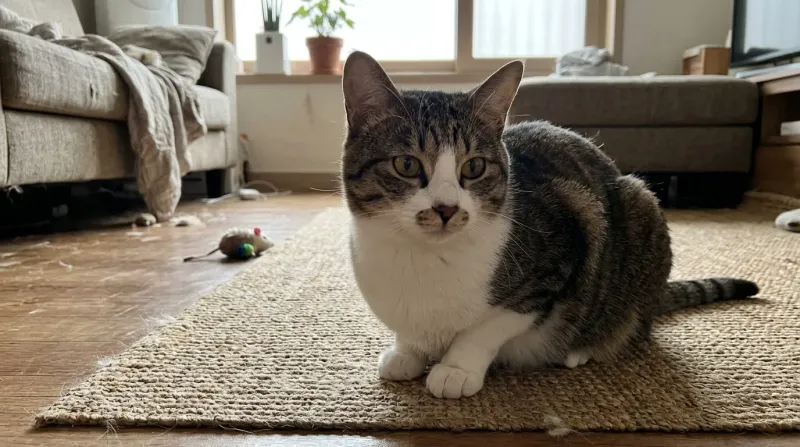
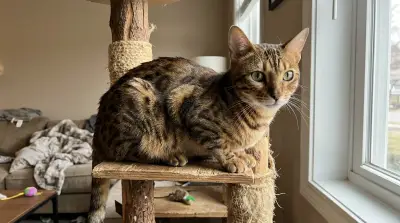
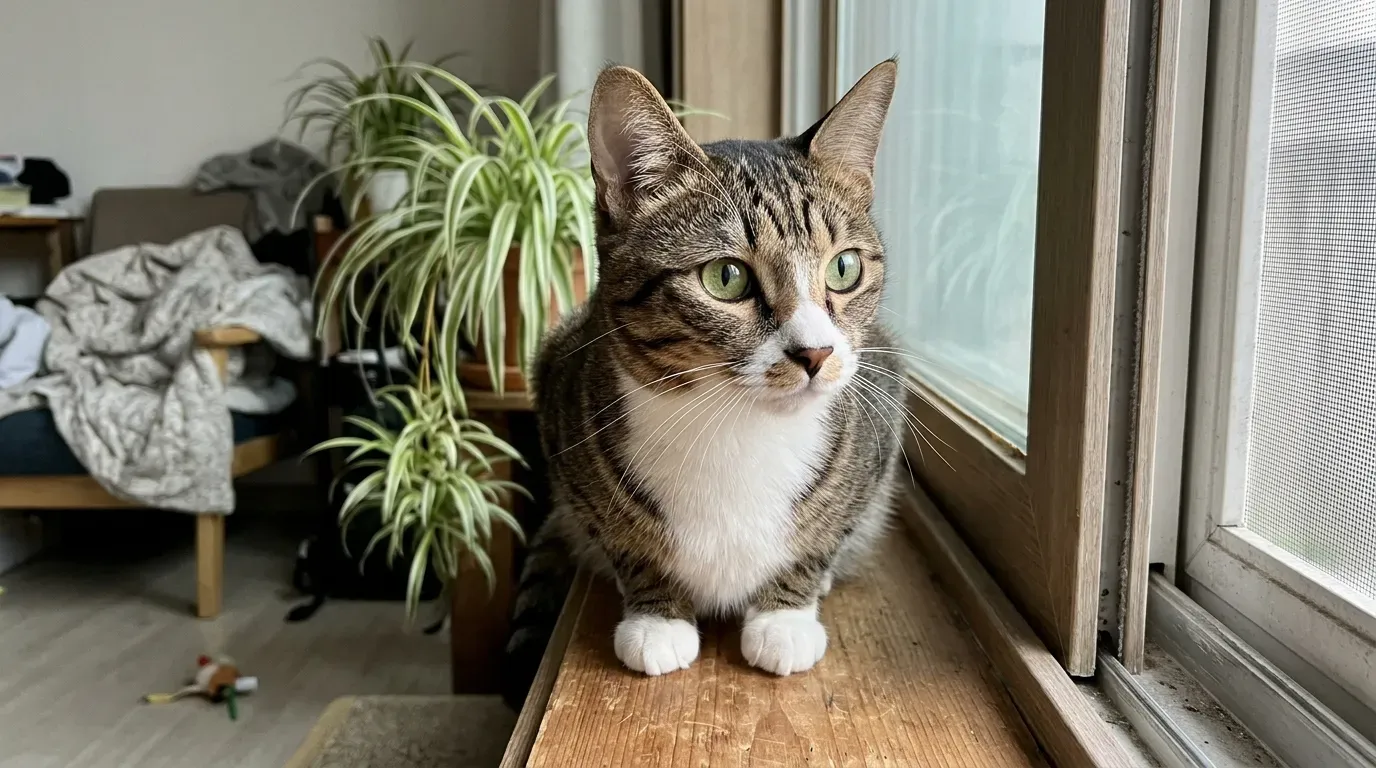
Origin: South Korea · Size: Medium (8–15 lbs) · Coat: Short · Lifespan: 12–18 years Affectionately called Koshort in South Korea, this native landrace cat developed naturally on the peninsula over centuries and remains the country's most widely owned feline. Rather than a standardized pedigree, Korean Shorthairs share traits with other short hair cat breeds, featuring muscular builds, rounded heads, and coat patterns ranging from mackerel tabby and calico to tuxedo and solid black. They are intelligent, adaptable, and deeply loyal once bonded with their owners. Weekly brushing keeps shedding minimal, while interactive puzzle feeders satisfy their sharp hunting instincts indoors.
2Russian Blue
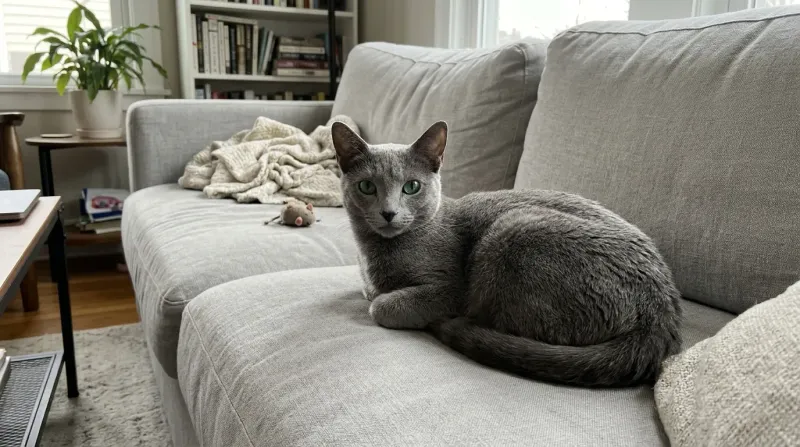
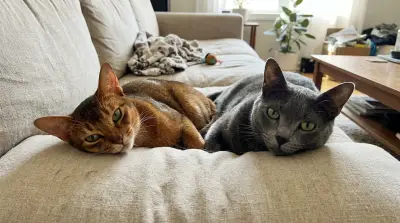
Origin: Russia · Size: Medium (7–12 lbs) · Coat: Short · Lifespan: 15–20 years Prized in South Korean households for its quiet nature and sleek silver-blue double coat, the Russian Blue suits peaceful apartment living. These cats form strong attachments to one or two family members while remaining polite yet reserved around unfamiliar guests. Their dense plush fur traps dander close to the skin, requiring only twice-weekly brushing with a fine-toothed comb. Keep their routine predictable, as sudden loud noises or abrupt schedule changes can cause stress, and feed measured portions to prevent weight gain.
3Scottish Fold
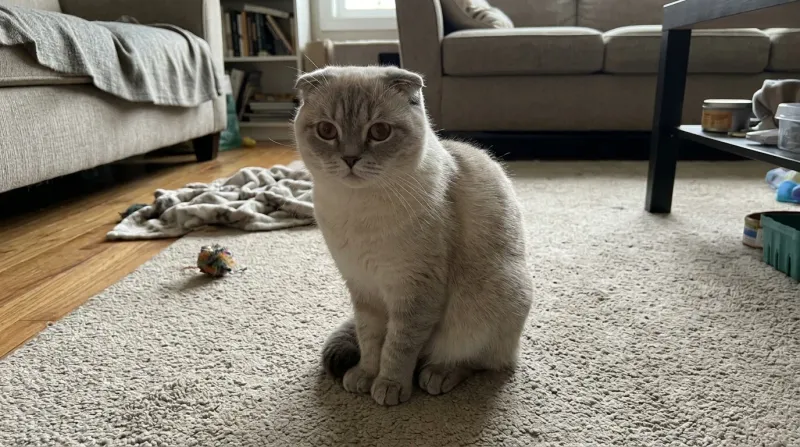
Origin: Scotland · Size: Medium (6–13 lbs) · Coat: Short or Long · Lifespan: 11–15 years Recognizable by their round owl-like faces and forward-folding ears, Scottish Folds have long been among the most sought-after companion cats in South Korea. They are gentle, calm, and enjoy lounging near their humans without demanding constant attention. However, the genetic mutation responsible for folded ears causes osteochondrodysplasia—a progressive cartilage and bone disorder—in all folded-ear cats to varying degrees, even those carrying a single copy of the gene. Never support or practice Fold-to-Fold breeding, as pairing two folded-ear cats causes severe, crippling skeletal deformities and is banned or discouraged by major cat registries. Check their folded ears weekly for wax buildup, keep them on joint-supportive diets recommended by a vet, and avoid encouraging high jumps.
4Munchkin
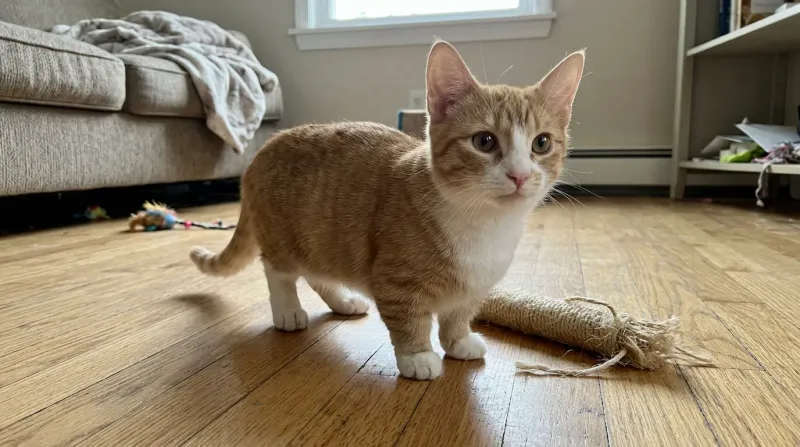
Origin: United States · Size: Small (5–9 lbs) · Coat: Short or Long · Lifespan: 12–15 years Known for their naturally short legs resulting from a spontaneous genetic mutation, Munchkins are popular across South Korea for their playful, kitten-like energy. Despite their low-to-the-ground stature, they run swiftly and love chasing feather wands across living room floors. Prospective owners should be aware of a critical genetic health warning: the dominant short-legged mutation is lethal in homozygous form (embryos inheriting two copies die in utero) and carries elevated risks of spinal lordosis and pectus excavatum (a sunken chest cavity), which is why major registries such as CFA and FIFe refuse to recognize the breed. Provide low-profile litter boxes and soft pet steps near beds or sofas so they can climb safely without straining their spines. Brush short-coated Munchkins weekly and long-coated varieties every other day to prevent mats along their bellies.
5British Shorthair
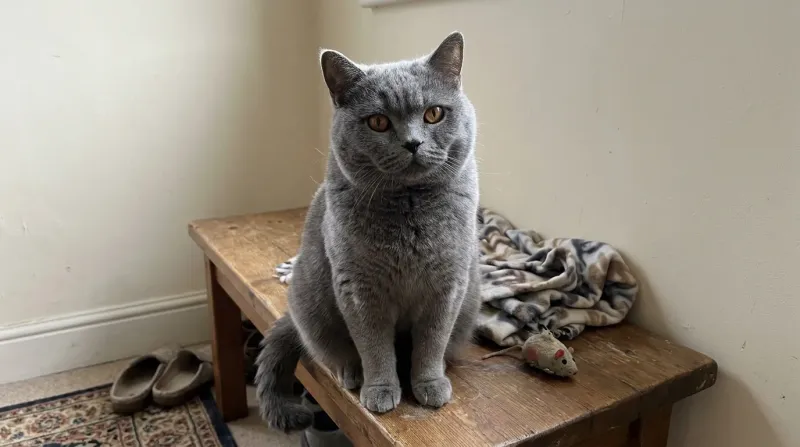
Origin: United Kingdom · Size: Medium to Large (9–17 lbs) · Coat: Short · Lifespan: 12–20 years With chubby cheeks, copper eyes, and a dense teddy-bear coat, the British Shorthair is a top choice for South Korean families seeking an easygoing companion. Like many gray cat breeds, the classic blue variety is especially beloved, though they come in many colors. They prefer sitting beside you rather than being carried around, making them ideal for busy professionals. Brush their thick undercoat twice a week during seasonal sheds and encourage daily play to keep this sturdy breed trim.
6Persian
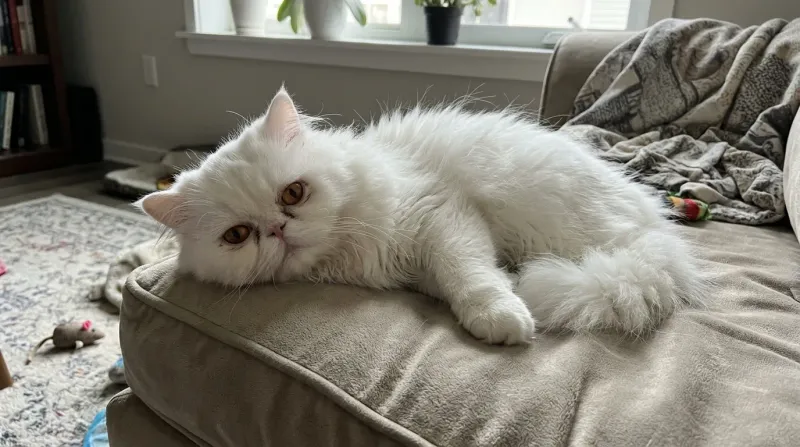
Origin: Iran (Persia) · Size: Medium to Large (7–12 lbs) · Coat: Long · Lifespan: 10–17 years Persians bring a serene, quiet presence to South Korean homes, favoring sunny windowsills over active climbing. Their long, flowing coats and flat brachycephalic faces require consistent daily care to keep them comfortable. Note an important health warning: Persians have a high genetic predisposition to polycystic kidney disease (PKD)—a severe inherited condition requiring DNA and ultrasound screening of breeding parents—alongside brachycephalic obstructive airway syndrome (BOAS) and dental malocclusion. Comb through their fur every single day with a wide-toothed metal comb to prevent painful mats, and gently wipe beneath their eyes with a damp cloth to clear tear staining. Because shortened nasal passages make heat regulation harder, keep Persians in cool, air-conditioned rooms during warm summer months.
7Siamese
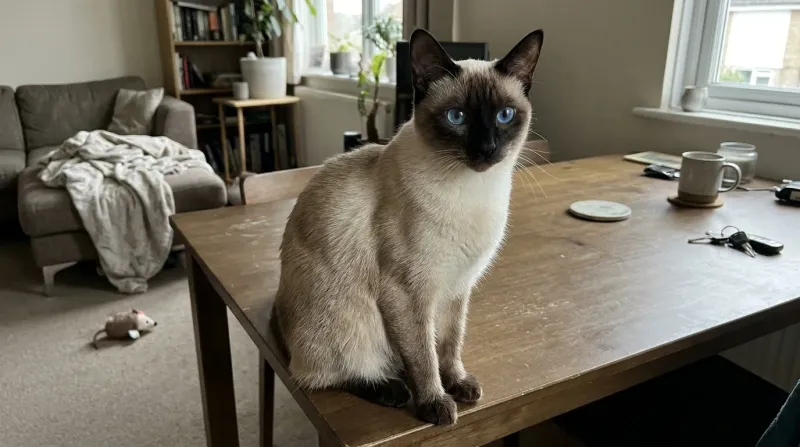
Origin: Thailand · Size: Medium (8–12 lbs) · Coat: Short · Lifespan: 15–20 years Famous throughout Asia for their striking blue almond eyes and colorpoint markings, Siamese cats thrive on social interaction and vocal communication. In South Korea, they are favored by owners who want an expressive cat that greets them at the door and follows them from room to room. Their short, fine coat needs only a quick weekly rubdown with a soft grooming mitt. Because Siamese cats become anxious when left alone for long hours, provide rotating puzzle toys or adopt them in pairs.
8Turkish Angora
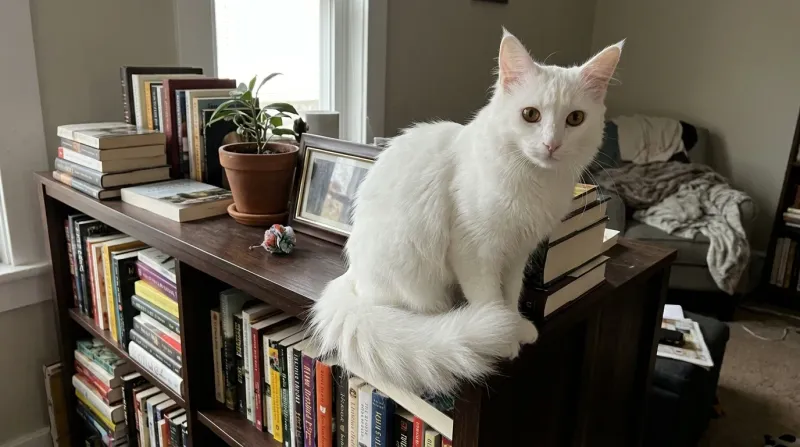
Origin: Turkey · Size: Small to Medium (5–10 lbs) · Coat: Semi-Long · Lifespan: 12–18 years Often admired in South Korea for their silky white coats and graceful, athletic frames, Turkish Angoras are energetic climbers that love perching on high bookshelves. Unlike heavy-coated longhairs, they lack a dense undercoat, meaning their single-layer fur rarely mats and needs only twice-weekly brushing. They are intelligent, playful, and often enjoy water games. Note that pure white Turkish Angoras with blue eyes carry a higher genetic risk of congenital deafness, so have a veterinarian check their hearing early.
9Norwegian Forest Cat
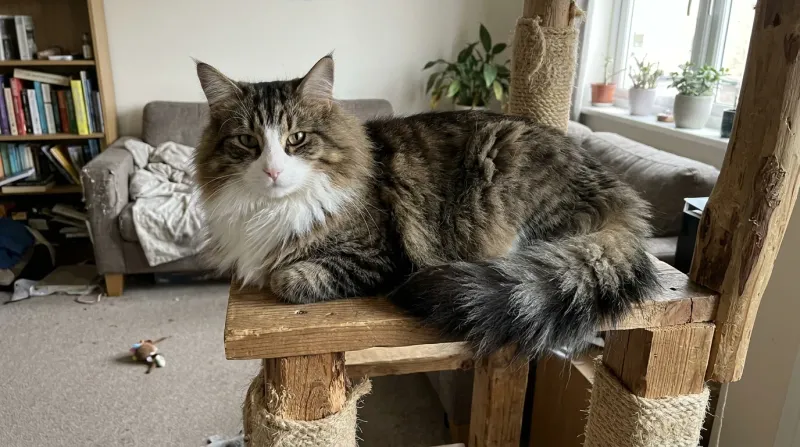
Origin: Norway · Size: Large (12–16 lbs) · Coat: Long · Lifespan: 14–16 years Built to withstand harsh northern winters, the Norwegian Forest Cat has gained a dedicated following among South Korean owners who love large, rugged felines. They feature tufted ears, bushy tails, and a water-resistant double coat that sheds heavily each spring and autumn. Despite their wild forest appearance, they are patient, gentle companions that adapt well to indoor life when given sturdy, tall scratching posts. Brush them two to three times weekly, increasing to daily grooming during seasonal coat blows.
10Ragdoll
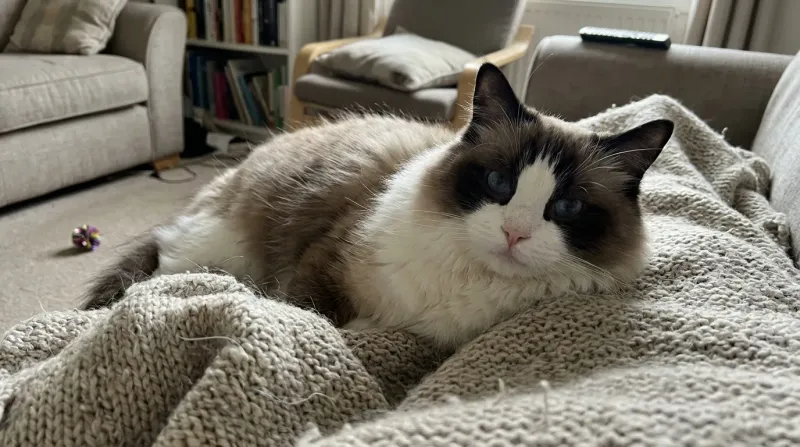
Origin: United States · Size: Large (10–20 lbs) · Coat: Semi-Long · Lifespan: 12–17 years Named for their tendency to go limp and relax in your arms when picked up, Ragdolls rank among the most affectionate fluffy cat breeds in South Korean households. They feature bright blue eyes, soft colorpoint coats, and a calm, dog-like devotion that makes them wonderful family pets. Because Ragdolls are trusting and lack strong street-survival instincts, keep them strictly indoors. Comb their plush semi-long coat twice a week to remove loose hair and prevent tangles around their ruff and hind legs.
Caring for Cats in Apartment Spaces
Many popular breeds in South Korea thrive in compact urban apartments when given proper vertical territory and daily enrichment. Installing sturdy small cat trees for apartments lets active climbers like the Korean Shorthair and Turkish Angora exercise safely indoors without crowding your floor plan.
Keep household hazards out of reach, as common indoor plants like lilies, pothos, and sago palms are toxic to felines, along with human foods such as onions, garlic, chocolate, grapes, and xylitol. Always schedule annual wellness exams with your veterinarian, and seek immediate veterinary care if your cat shows sudden lethargy, breathing trouble, or changes in litter box habits.
Choosing Between Native Mixed Breeds and Pedigrees
When deciding between adopting a native Korean Shorthair and purchasing a pedigree breed, consider both genetic health and grooming commitments. Naturally developed cats like the domestic shorthair cat possess broad genetic diversity, which generally lowers the risk of inherited conditions compared to selectively bred pedigrees.
Pedigree cats with specialized physical traits—such as folded ears, shortened legs, or flat facial structures—often require targeted preventive care, regular dental cleanings, and dedicated coat maintenance. Match your daily schedule to the cat's grooming needs and energy level so your companion stays comfortable and stress-free.
While the resilient Korean Shorthair stands as the only true native feline of the Korean peninsula, South Korean cat lovers embrace everything from sleek Russian Blues to plush Ragdolls. Before bringing any cat home, evaluate your daily grooming time, apartment layout, and budget for routine veterinary visits. Choosing a cat whose natural energy and care requirements fit your household ensures a rewarding bond for years to come.
Frequently asked questions
What cat breed is truly native to Korea?
The Korean Shorthair, locally known as Koshort, is the only feline native to the Korean peninsula. Rather than a pedigree breed created through selective breeding, it is a naturally occurring landrace cat with diverse coat colors, strong health, and adaptable personalities.
What is the most popular cat breed in South Korea?
The Korean Shorthair is the most widely owned cat in South Korea, favored for its intelligence, affectionate nature, and hardy genetics. Among pedigree breeds, Russian Blues, Scottish Folds, Munchkins, British Shorthairs, and Ragdolls consistently rank among the top household choices.
Are Korean Shorthairs good apartment cats?
Yes, Korean Shorthairs adapt very well to indoor apartment life when given vertical climbing spaces, scratching posts, and daily interactive play. Because they descended from agile outdoor street cats, regular mental stimulation keeps them active and prevents boredom.
Which popular breed in South Korea is the calmest?
Persians, British Shorthairs, and Ragdolls are generally the calmest breeds popular in South Korea. They enjoy quiet environments, lounge comfortably indoors, and prefer gentle companionship over high-energy climbing or vocalization.
Nathan Brooks
Nathan Brooks runs Farmingzoom to help loving pet owners create safe, enriching homes for their animals. He cares deeply about responsible pet care and focuses on making everyday decisions simpler for fellow owners.…