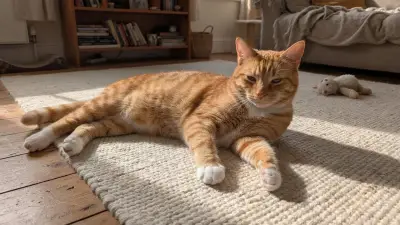
Your newly adopted ginger tabby's chaotic sprints, constant meowing, and intense focus on the food bowl are completely normal feline behaviors, especially during the first few weeks in a new home. While internet jokes blame a shared lack of brain cells, your rescue cat's big personality comes down to genetics, sex demographics, and past survival habits.
If you previously lived with quieter felines, adjusting to an outgoing orange cat can feel overwhelming at first. Understanding why ginger tabbies act so bold, vocal, and hungry helps you build simple daily routines that keep your new companion happy, healthy, and well-rested.
Is Orange Cat Behavior Actually Different From Other Cats?
Orange is not a cat breed; it is a coat color pattern caused by the sex-linked O gene on the X chromosome. Because males only need one copy of this gene to turn ginger while females need two, roughly 80 percent of orange tabbies are male. Male cats naturally tend to be larger, bolder, and slightly more assertive than females, which explains why so many ginger cats share similar social traits.
Beyond sex differences, surveys of cat owners often report higher rates of outgoing, affectionate behavior toward familiar people, greater willingness to take physical risks, and stranger-directed wariness around unfamiliar guests in orange cats. However, scientific studies have not proven that the orange coat gene itself directly causes specific personality traits. If you prefer a quieter temperament, exploring calm orange cat breeds for first-time owners shows how breed lineage shapes energy levels far more than coat color alone. Young ginger kittens and adolescent rescues under two years old will also display peak energy compared to senior cats.
Why Your Rescue Ginger Tabby Is So Food-Obsessed
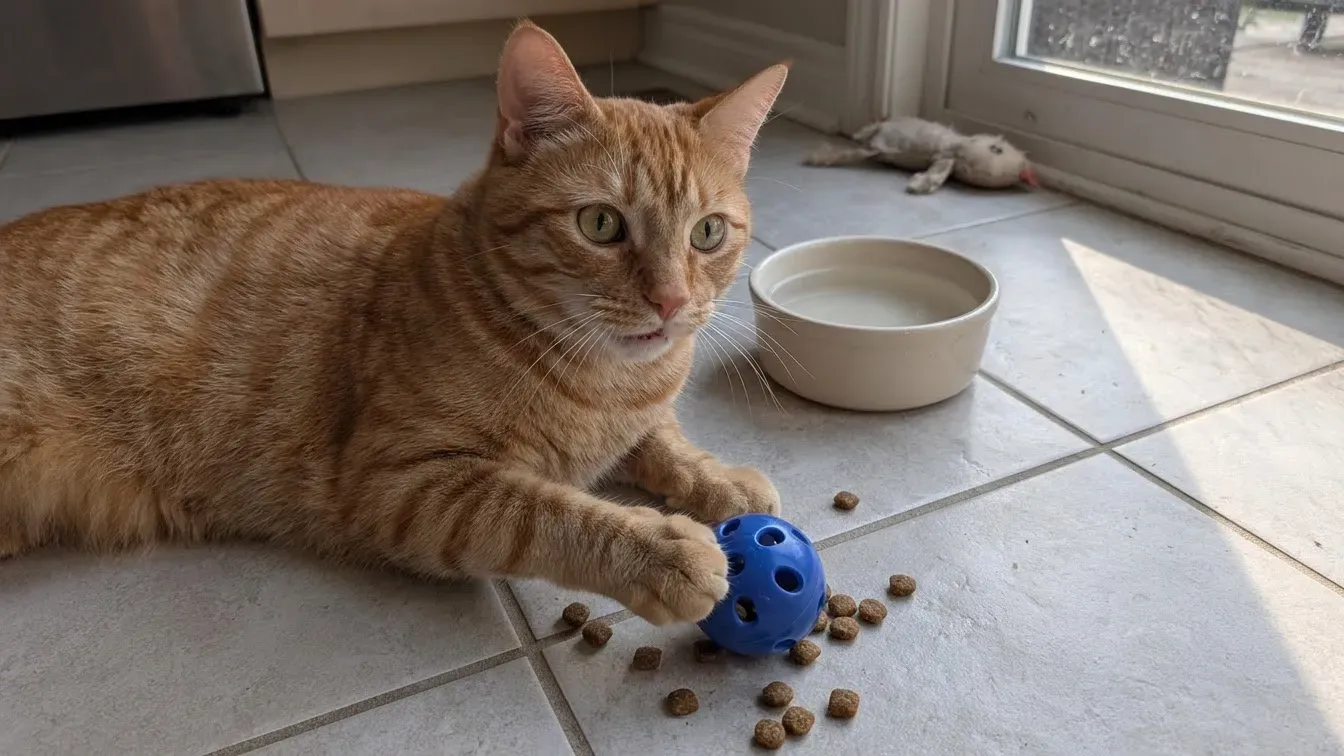
If your newly adopted cat yells at the pantry door every time you walk into the kitchen, rescue history is usually the primary driver. Cats that spent time as strays or competed for bowls in crowded shelters learn to eat quickly and beg relentlessly whenever food is nearby. Because most orange tabbies are male, their slightly larger frames also require steady caloric intake, making them highly motivated by treats.
Managing food obsession safely protects your cat from obesity and toxic kitchen accidents. Keep human snacks locked away, as onions, garlic, chives, chocolate, grapes, raisins, and raw yeast dough are toxic to cats (and while xylitol is deadly to dogs, keeping all artificial sweeteners out of reach is good practice). Instead of refilling an empty bowl whenever your cat cries, follow these portion habits:
- Measure daily rations: Ask your veterinarian for an exact daily calorie target based on your cat's ideal weight and age.
- Use puzzle feeders: Dispense dry kibble through slow-feeder bowls or rolling treat balls so meals take 15 to 20 minutes instead of 30 seconds.
- Schedule three small meals: Splitting food into morning, evening, and late-night portions prevents empty-stomach nausea and early-morning begging.
Decoding Constant Meowing, Chirping, and Yowling
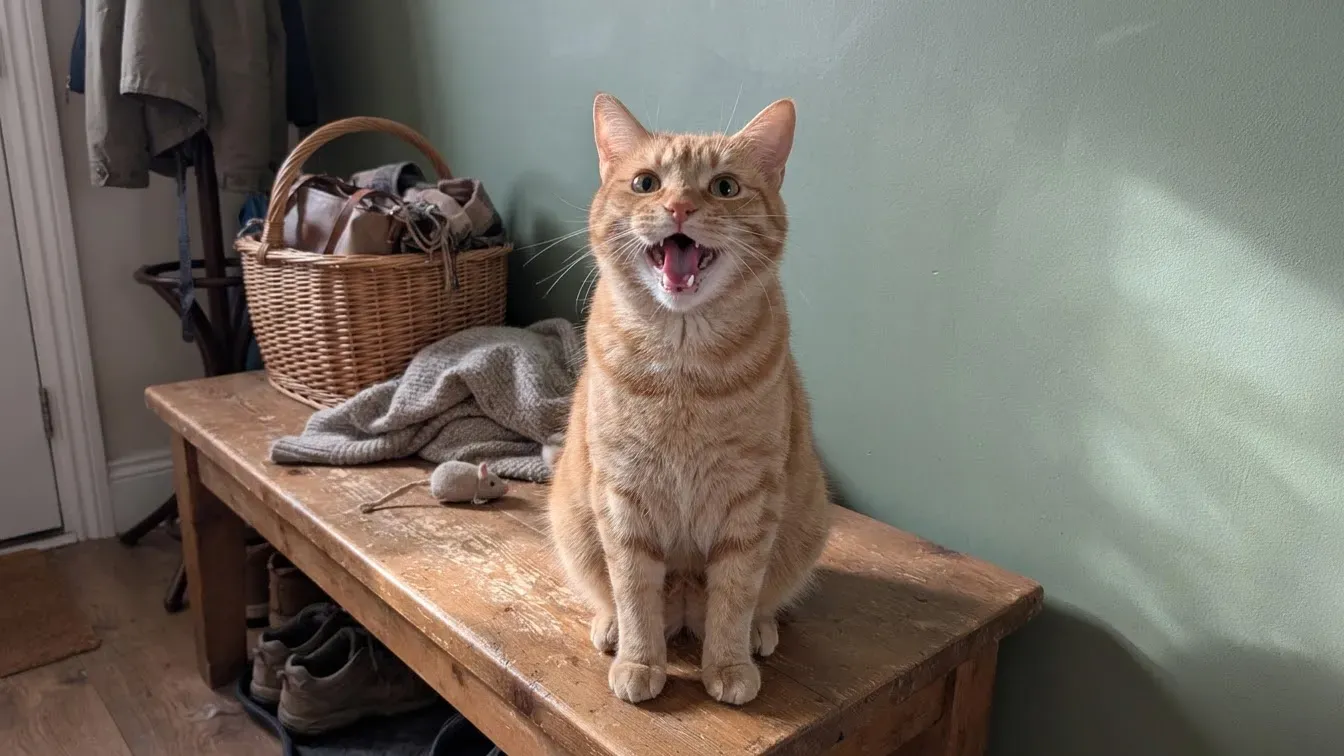
Adult cats rarely meow at other cats; they reserve vocalization almost exclusively for communicating with humans. Outgoing orange rescues quickly notice that loud meows, trills, and chirps earn immediate eye contact, conversation, or dinner. Once an intelligent ginger tabby connects noise with attention, vocalizing becomes their favorite tool.
To curb demand meowing without ignoring legitimate needs, reward quiet behavior and ignore noisy protests. Wait until your cat sits silently with all four paws on the floor before setting down a food bowl or opening a door. Avoid yelling back, as loud responses still count as social attention to a chatty cat.
Sudden changes in vocal volume require medical attention. Schedule a veterinary exam if your cat starts yowling urgently in the litter box, cries out while walking stiffly, or develops nonstop nighttime howling alongside increased thirst or weight loss, which can signal urinary blockages, pain, or hyperthyroidism in older cats.
Managing Night Zoomies, Rough Play, and Risk-Taking Antics
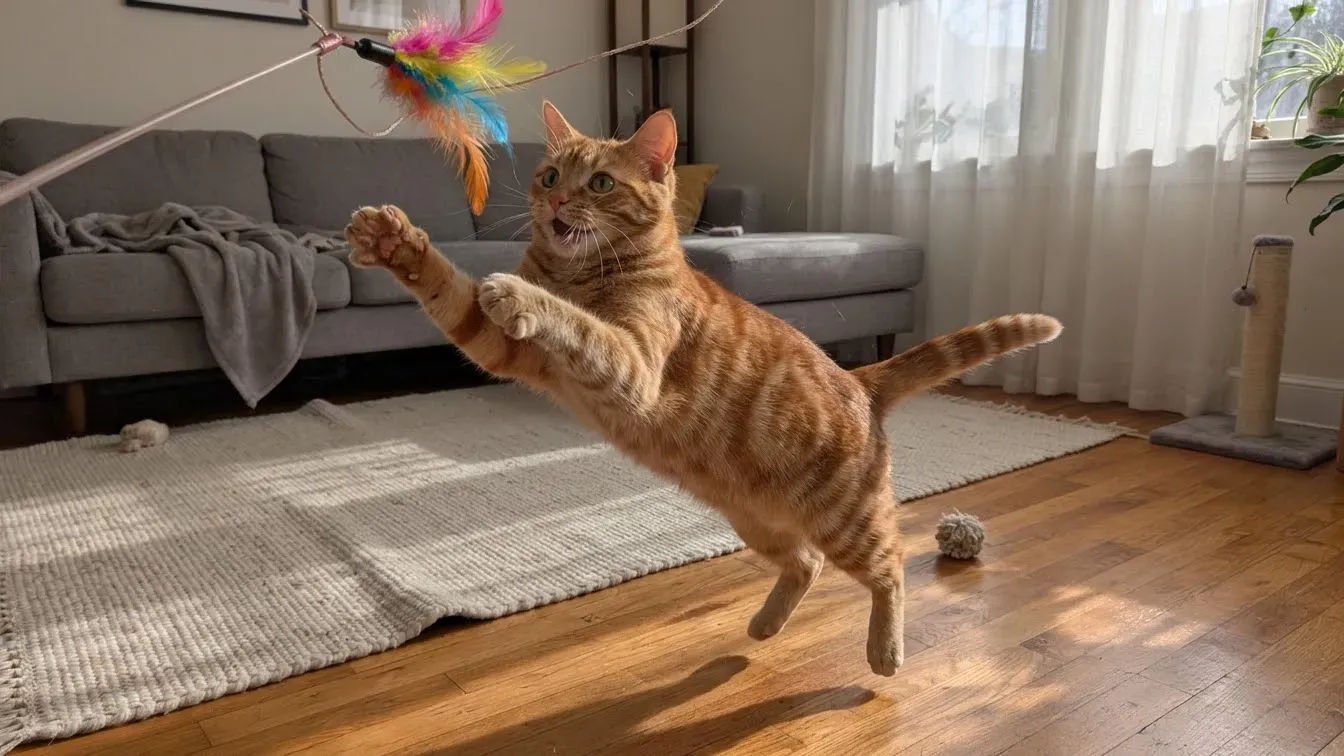
Midnight sprints across your bed and daring leaps onto high bookshelves stem from unmet hunting instincts. Cats are naturally most active at dawn and dusk, and a high-energy rescue will invent risky games if indoor days feel too predictable. Climbing curtains, knocking mugs off counters, and ambushing ankles all serve as substitute prey practice.
Channeling that drive into safe vertical outlets and structured play keeps both your furniture and your sleep intact. Installing budget wall-mounted cat trees for vertical climbing gives bold jumpers a sturdy, approved route up high. Pair vertical territory with a consistent evening routine:
- Hunt with a wand toy: Spend 15 minutes before dinner moving a feather wand like fleeing prey, letting your cat sprint, leap, and catch it several times.
- Serve the final meal: Feed dinner immediately after play to satisfy the natural hunt-catch-eat instinct.
- Put unsafe items away: Store hair ties, rubber bands, yarn, ribbon, and toxic houseplants like lilies out of reach, as curious cats frequently swallow string-like objects.
How to Handle Overstimulation and Petting-Induced Swatting
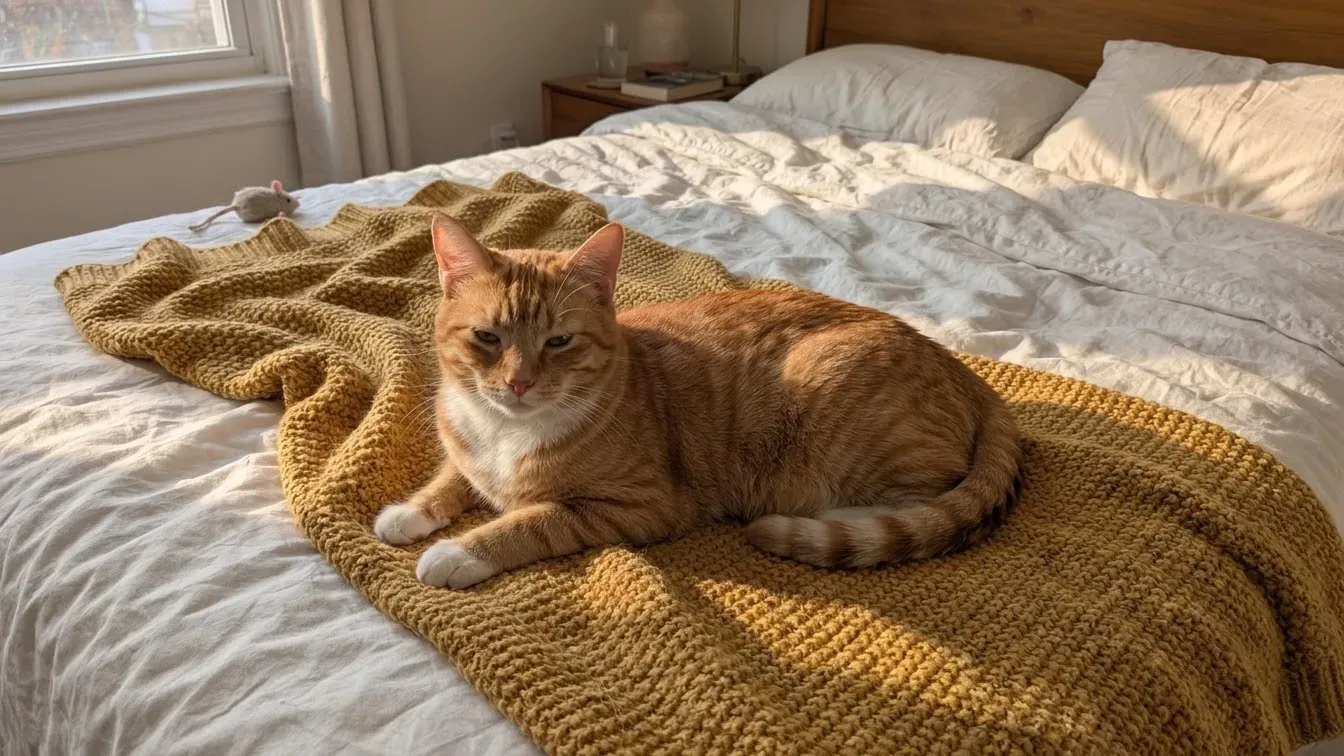
Orange tabbies are famous for demanding affection on your lap one second and nipping your hand the next. This sudden switch is called petting-induced overstimulation. Even friendly cats have a sensory threshold where repeated strokes along the spine shift from pleasant to irritating, especially in rescues still learning to trust human handling.
Watching subtle posture shifts prevents surprise scratches before they happen. Learning cat body language before biting helps you spot early warnings like a twitching tail tip, rippling back skin, flattened ears, or sudden stillness. Keep petting sessions brief, focus on the cheeks, chin, and base of the ears, and pause every 10 seconds to let your cat lean in if they want more. Never use your bare hands or wiggling fingers as toys, or your cat will treat human skin as fair game during rough play.
How Orange Rescue Cats Bond With Their Owners
Despite their chaotic reputation, ginger tabbies form deep, loyal attachments once they settle into a predictable routine. Most newly adopted rescues follow the 3-3-3 adjustment timeline: three days to decompress from shelter noise, three weeks to learn household rules, and three months to feel completely secure. During this window, your cat may shadow you from room to room, slow-blink across the couch, or knead blankets beside you.
Because orange cats can be wary of unfamiliar visitors even when deeply bonded to their owners, give your rescue a quiet safe room with a covered bed, litter box, and water whenever guests visit. Let your cat approach new people at their own pace rather than forcing introductions. If your new cat shows persistent hiding accompanied by aggression, lethargy, or changes in litter box habits—or refuses food for more than 24 hours—contact a veterinarian promptly within a few days rather than waiting an entire month, as these signs can indicate underlying pain or illness.
Living with a newly adopted orange rescue cat means trading quiet predictability for enthusiastic companionship, loud greetings, and hilarious acrobatics. By measuring daily meals, scheduling 15-minute evening wand play sessions, and respecting early body language cues, you can channel your ginger tabby's big energy into healthy, manageable habits that help both of you thrive.
Sources: Cornell Feline Health Center · ASPCA · International Cat Care · VCA Animal Hospitals
Frequently asked questions
Do orange cats really behave differently than other cats?
Coat color itself does not directly control personality, but roughly 80 percent of orange tabbies are male due to sex-linked genetics. Male cats tend to be larger, bolder, and more outgoing with their owners, which reinforces the reputation of ginger cats being extra social and energetic.
How long does it take a newly adopted orange rescue cat to calm down?
Most rescue cats need about three weeks to learn your household schedule and three months to feel completely secure. High energy often settles once your cat trusts that meals arrive on time and gets 15 minutes of active interactive play every evening.
Do orange cats love and protect their owners?
Orange cats bond deeply with their primary caregivers through following, slow blinking, head bunting, and vocal greetings. While they do not guard homes like dogs, many ginger tabbies stay close when owners feel unwell and act alert or cautious around unfamiliar visitors.
Why does my orange cat bite gently while I am petting him?
Gentle nipping during petting usually signals sensory overstimulation or affectionate play-biting learned as a kitten. Stop petting as soon as the tail tip twitches or ears rotate back, and redirect energy onto a plush kick toy instead of your hands.

Nathan Brooks
Nathan Brooks runs Farmingzoom to help loving pet owners create safe, enriching homes for their animals. He cares deeply about responsible pet care and focuses on making everyday decisions simpler for fellow owners.…