Orange is a striking coat color rather than a single breed, appearing across a wide range of recognized pedigree felines as well as non-pedigreed Domestic Shorthair cats. While every red or ginger cat displays tabby markings because the sex-linked orange gene overrides the non-agouti gene rather than being caused by the agouti gene, each breed pairs that warm hue with a distinct body type, coat texture, and personality.
Whether you want a rugged, plush giant or an athletic, short-haired companion, comparing key traits helps you choose a cat suited to your home and daily routine.
| Breed | Origin | Size | Coat Length | Lifespan |
|---|---|---|---|---|
| Maine Coon | United States | Large | Long | 12-15 years |
| British Shorthair | United Kingdom | Medium to large | Short | 12-20 years |
| American Shorthair | United States | Medium | Short | 15-20 years |
| Oriental Shorthair | United States / United Kingdom | Medium | Short | 12-15 years |
| Persian | Iran | Medium | Long | 12-17 years |
| Norwegian Forest Cat | Norway | Large | Long | 14-16 years |
| Devon Rex | United Kingdom | Small to medium | Short | 9-15 years |
| Turkish Angora | Turkey | Small to medium | Semi-long | 12-18 years |
| Selkirk Rex | United States | Medium to large | Short or long | 14-15 years |
| Manx | Isle of Man | Medium | Short or long | 14-16 years |
| Bengal | United States | Medium to large | Short | 12-16 years |
| Munchkin | United States | Small to medium | Short or long | 12-15 years |
1Maine Coon
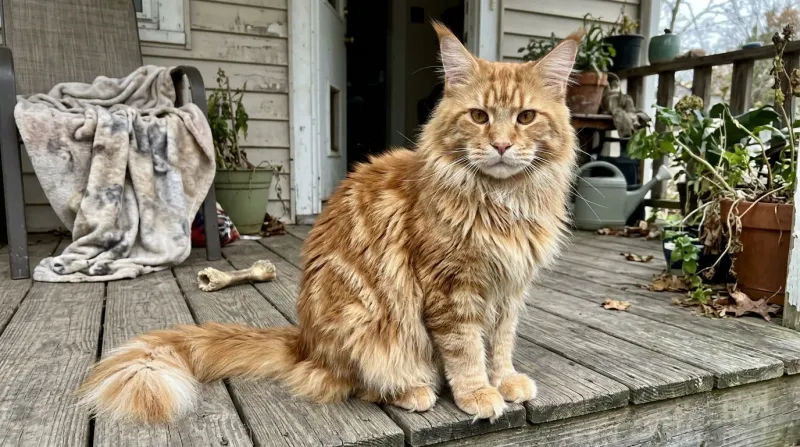
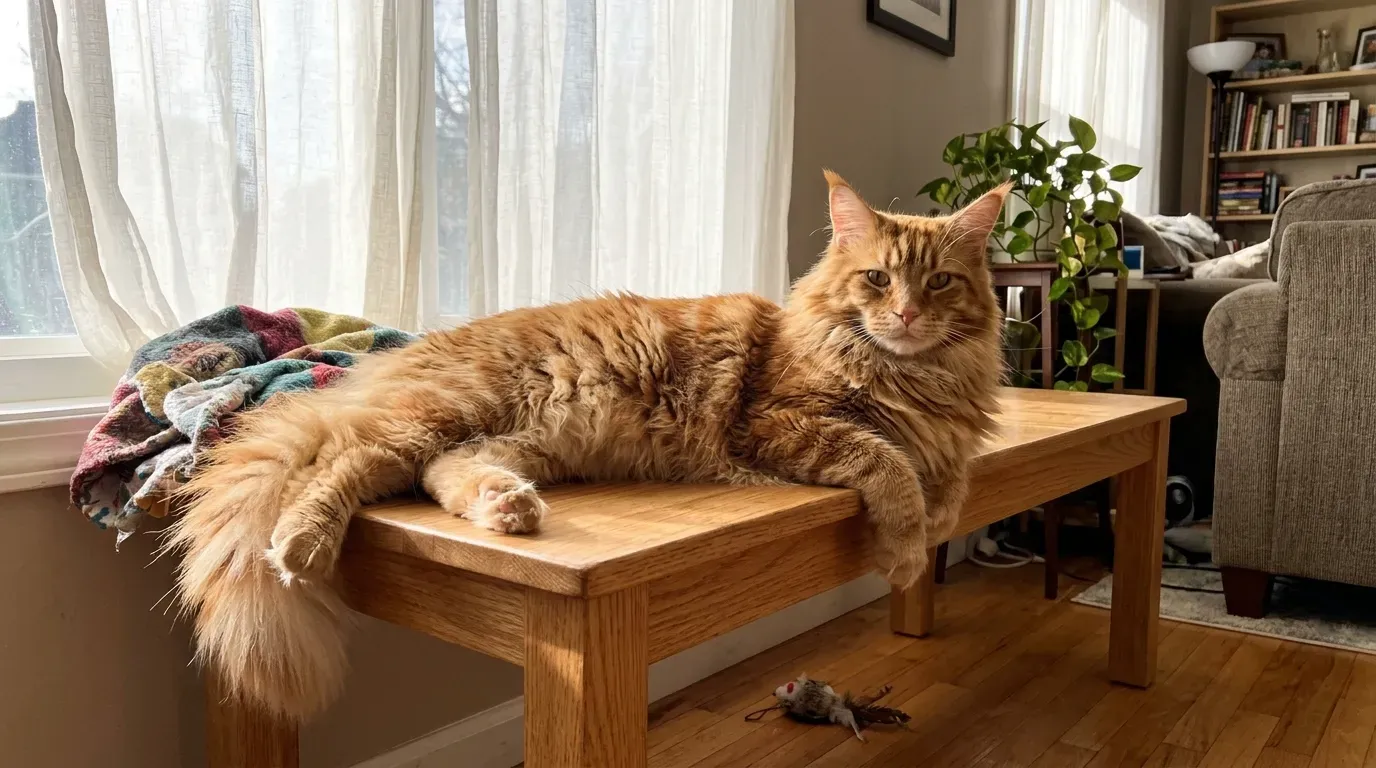
Origin: United States · Size: Large · Coat Length: Long · Lifespan: 12-15 years Famous for tufted ears, a bushy tail, and a dense water-resistant coat, the red tabby Maine Coon pairs imposing size with a gentle, dog-like personality. They enjoy following family members from room to room and chirping softly rather than meowing loudly. Brush their shaggy fur two to three times a week to prevent tangles, and ask your vet about routine heart screenings, as this breed can be prone to hypertrophic cardiomyopathy.
2British Shorthair
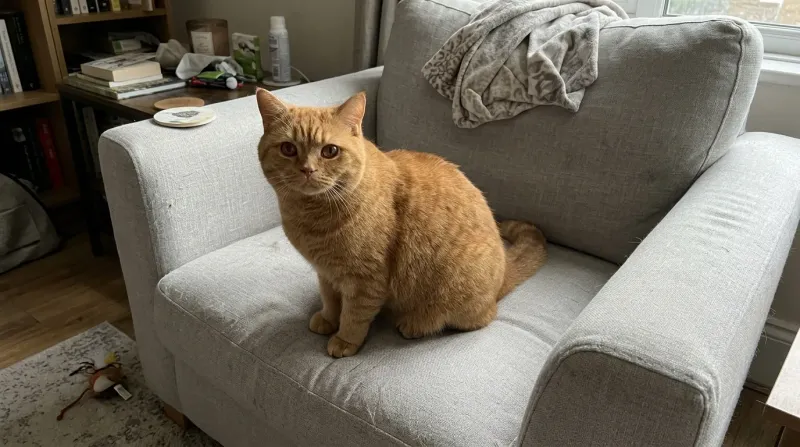
Origin: United Kingdom · Size: Medium to large · Coat Length: Short · Lifespan: 12-20 years With round copper eyes, chubby cheeks, and a plush, teddy-bear coat, the red British Shorthair brings calm companionship to busy households. They enjoy sitting beside their owners on the sofa rather than demanding constant lap time. Their dense undercoat benefits from weekly brushing, and measured meal portions help prevent excess weight gain in adulthood.
3American Shorthair
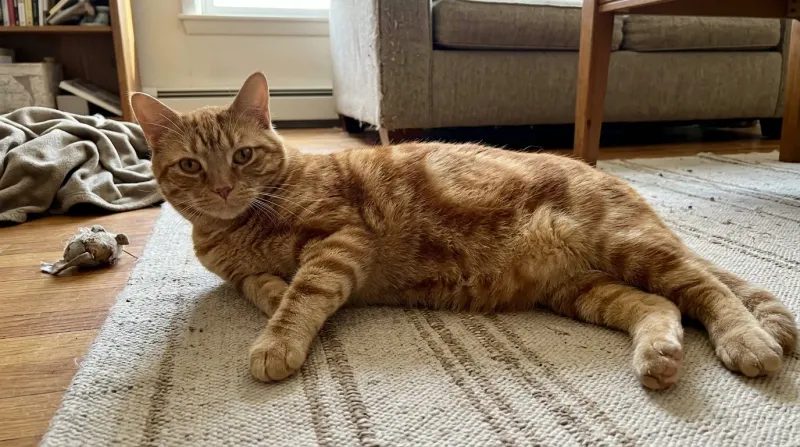
Origin: United States · Size: Medium · Coat Length: Short · Lifespan: 15-20 years A classic red tabby American Shorthair features bold swirling or mackerel stripes over a sturdy, athletic frame. Bred originally as working mousers, these adaptable cats get along smoothly with children and cat-friendly dogs. Weekly brushing keeps shedding manageable, and puzzle feeders help satisfy their natural hunting instincts indoors.
4Oriental Shorthair
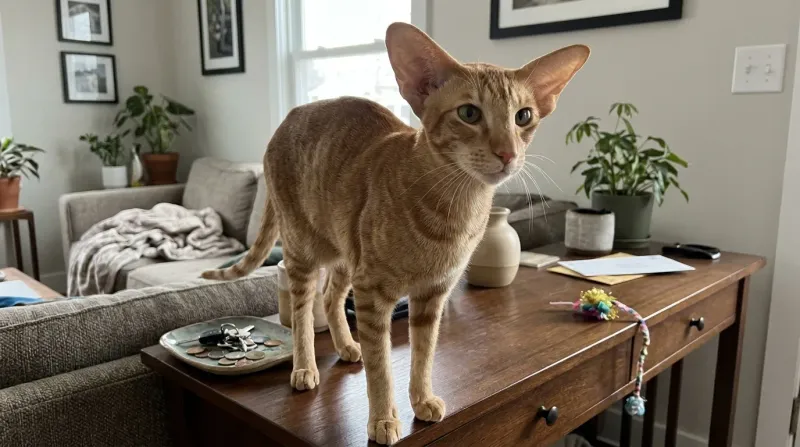
Origin: United States / United Kingdom · Size: Medium · Coat Length: Short · Lifespan: 12-15 years Recognizable by its tubular frame, wedge-shaped head, and oversized flared ears, the red Oriental Shorthair wears a sleek, glossy ginger coat with tabby striping or ticking. Curious, vocal, and deeply social, they thrive on vertical territory and interactive play. Keep small breakable objects off high shelves, as Oriental Shorthairs love exploring the highest vantage points in a room.
5Persian
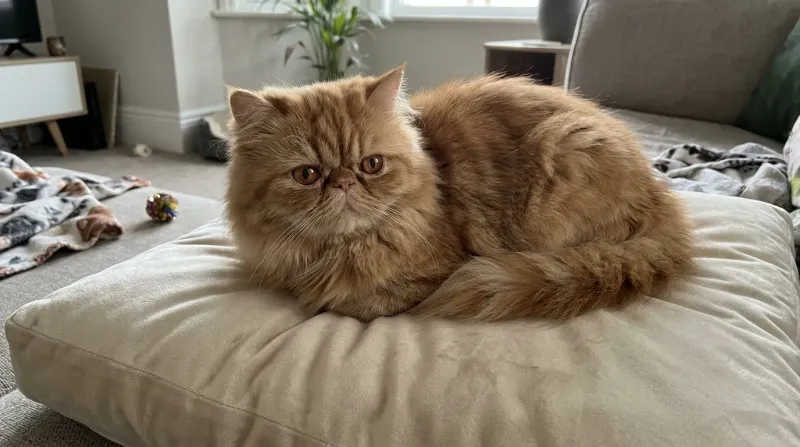
Origin: Iran · Size: Medium · Coat Length: Long · Lifespan: 12-17 years A red tabby Persian pairs a floor-sweeping, cottony coat with a sweet, flattened face and expressive round eyes. These quiet indoor companions thrive in serene homes with minimal noise. Daily combing and gentle wiping around the eyes are essential to prevent tear staining and dense mats, and regular veterinary dental checks help manage crowded teeth. Prospective owners should also screen breeding lines for polycystic kidney disease (PKD) and monitor closely for breathing difficulties caused by their extreme flat-faced structure.
6Norwegian Forest Cat
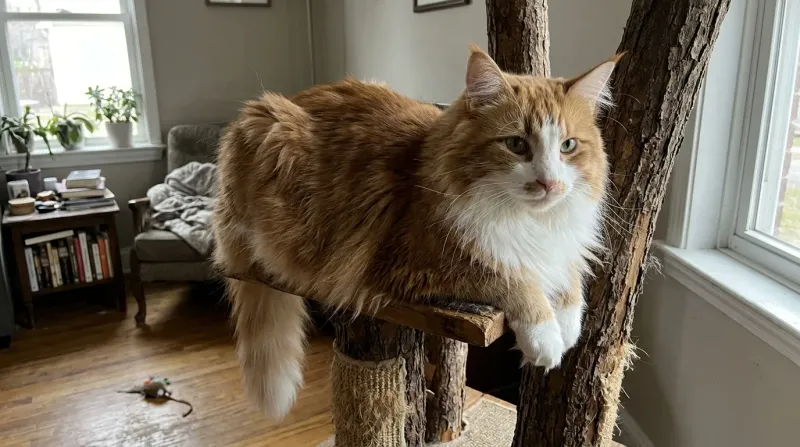
Origin: Norway · Size: Large · Coat Length: Long · Lifespan: 14-16 years Built for Scandinavian winters, the red Norwegian Forest Cat sports a triangular head, almond-shaped eyes, and a thick double coat that sheds heavily each spring. They are confident climbers who appreciate sturdy cat trees and moderate daily play. Comb their woolly undercoat twice weekly, increasing to daily sessions during seasonal shedding.
7Devon Rex
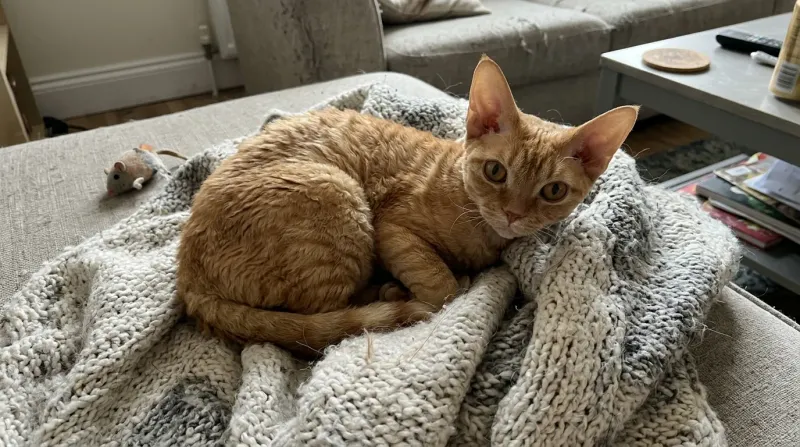
Origin: United Kingdom · Size: Small to medium · Coat Length: Short · Lifespan: 9-15 years Recognizable by oversized low-set ears, large oval eyes, and a soft, rippled coat, the ginger Devon Rex acts like an affectionate shadow. They love perching on shoulders and burrowing under warm blankets. Because their fine fur absorbs skin oils, wipe their ears gently and bathe them occasionally using a vet-approved feline shampoo.
8Turkish Angora
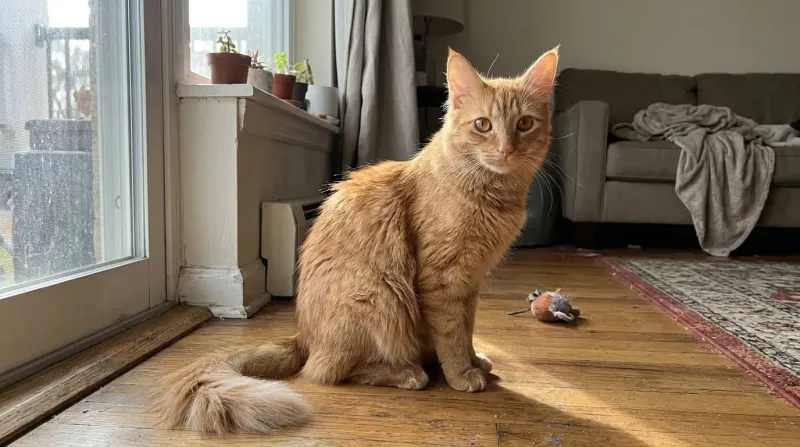
Origin: Turkey · Size: Small to medium · Coat Length: Semi-long · Lifespan: 12-18 years Graceful and fine-boned, the red Turkish Angora wears a silky single coat without a dense undercoat, making it far less prone to matting than other fluffy cat breeds. They are intelligent, playful, and often bond closely with one favorite person. A quick weekly comb keeps their plumed tail and neck ruff smooth.
9Selkirk Rex
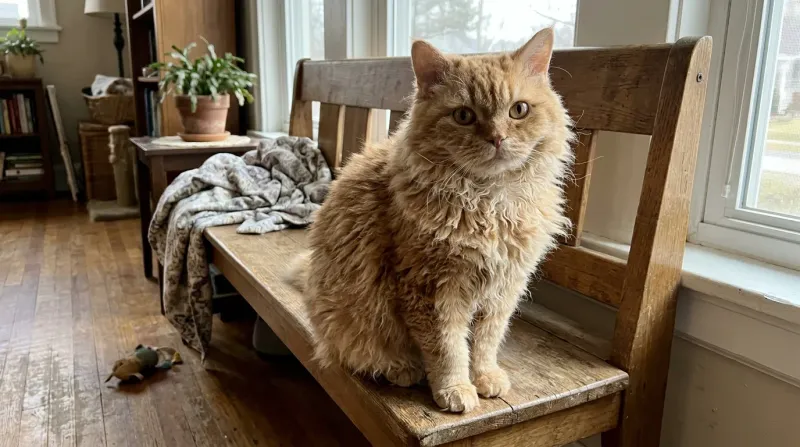
Origin: United States · Size: Medium to large · Coat Length: Short or long · Lifespan: 14-15 years Named after Montana's Selkirk Mountains, this curly-coated breed wears loose, plush ringlets that feel like sheep's wool in vibrant red and cream shades. Patient, tolerant, and cuddly, they rank among the best cat breeds for families. Use a wide-tooth comb gently once or twice a week so you detangle without flattening their natural curls.
10Manx
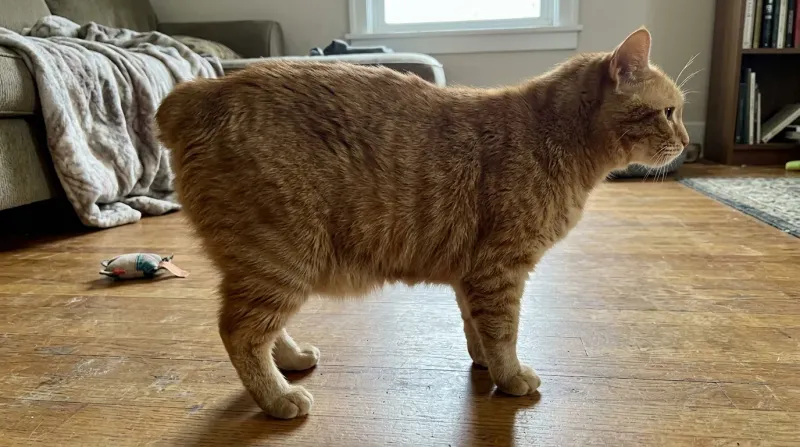
Origin: Isle of Man · Size: Medium · Coat Length: Short or long · Lifespan: 14-16 years Best known for being naturally tailless or having a short stub, the red tabby Manx has powerful hind legs that give it a distinct bunny-like hop. They are playful, alert, and deeply devoted to their household. Responsible breeders screen for spinal and pelvic issues linked to the tailless gene, so always review health clearances with your vet.
11Bengal
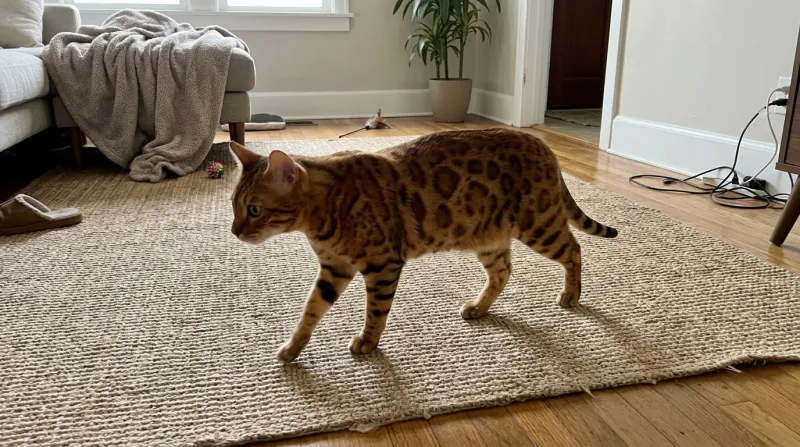
Origin: United States · Size: Medium to large · Coat Length: Short · Lifespan: 12-16 years While standard brown Bengals carry warm rufous tones over dark rosettes, true sex-linked red and orange Bengals also occur as a rarer color variation with high-contrast markings on a glittering, pelt-like coat. Highly athletic and vocal, they need vigorous daily exercise, clicker training, or safe leash walks to prevent boredom. Their sleek single coat requires minimal brushing, making grooming simple despite their wild leopard appearance.
12Munchkin
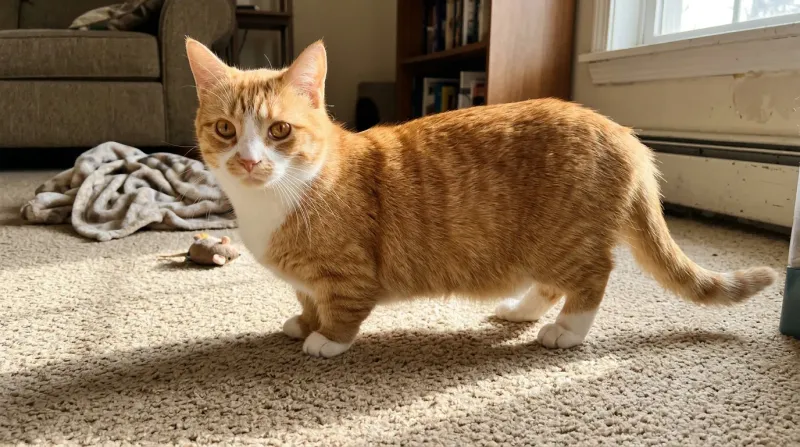
Origin: United States · Size: Small to medium · Coat Length: Short or long · Lifespan: 12-15 years Characterized by naturally short legs caused by a spontaneous genetic mutation, the orange Munchkin moves with surprising speed and agility. They are outgoing, curious, and enjoy wrestling with feather toys at floor level. Prospective owners should note that the short-legged mutation is linked to severe spinal and chest deformities such as lordosis and pectus excavatum, is lethal to embryos when inherited from both parents, and causes major registries like CFA and FIFe to refuse breed recognition. Provide low-stepped ramps to favorite sofas and keep their weight trim to protect their spine and joints.
Understanding Orange Cat Genetics and Rarity
The warm red pigment known as pheomelanin is controlled by a sex-linked gene carried on the X chromosome. Because males have only one X chromosome, inheriting a single copy of the orange gene turns their entire coat ginger. Females have two X chromosomes and need two copies of the gene to appear solid orange; inheriting just one produces a tortoiseshell or calico pattern instead. This genetic rule explains why roughly 80 percent of ginger cats are male.
Among pedigreed felines, solid red Japanese Bobtails and red-pointed Siamese-type breeds are especially uncommon, while orange Turkish Angoras and red Oriental Shorthairs also remain rare outside dedicated breeding programs. Regardless of breed, keep common household hazards like lilies, onions, garlic, and chocolate well out of reach, and schedule annual wellness exams with your veterinarian to monitor weight and dental health.
How to Choose the Right Ginger Cat for Your Home
Match your prospective cat's energy level and coat type to your available time. High-energy athletes like the Bengal and Oriental Shorthair need daily interactive wand play and tall climbing perches, whereas laid-back breeds such as the British Shorthair and Persian prefer quiet lounging and predictable routines.
Factor in grooming and living space before committing. Long-haired breeds require daily metal-comb sessions to prevent painful mats behind the ears and under the legs, while heavy-boned cats need reinforced scratching posts and sturdy cat trees that will not tip during play.
Choosing among orange cat breeds comes down to matching a cat's energy, grooming demands, and size to your everyday routine. Spend time meeting kittens or adult rescues in person, ask breeders or shelters for veterinary health records, and prepare your home with safe perches, scratching posts, and regular checkups to give your ginger companion a healthy life.
Frequently asked questions
Are all orange cats tabby cats?
Yes, every orange cat displays tabby markings such as stripes, swirls, spots, or ticking. The sex-linked orange gene overrides the non-agouti gene, preventing solid non-tabby coloration and allowing underlying tabby patterns to remain visible.
Why are most orange cats male?
The orange coat gene sits on the X chromosome. Male cats have one X and one Y chromosome, so inheriting one orange gene makes them fully ginger. Female cats need two copies of the orange gene to be completely orange, which happens roughly 20 percent of the time.
Are orange cats friendlier than other cat colors?
No scientific evidence proves that coat color directly controls feline behavior. However, because roughly 80 percent of ginger cats are male, owners often notice traits common to neutered male cats, such as outgoing, affectionate, and food-motivated personalities.
Which orange cat breed is the rarest?
Orange Turkish Angoras and red Oriental Shorthairs are among the rarest pedigreed ginger cats due to small global breeding populations. Solid red Japanese Bobtails and red-pointed Siamese-type cats are also uncommon compared to red Maine Coons or British Shorthairs.